

Plan your backyard retaining wall with confidence. Discover the key things to check before you build, including council requirements, drainage, galvanised hardware, and system compatibility.
Explore practicaldriveway retaining wall ideas for sloped Australian blocks, including straight driveway edges, stepped walls, low boundary walls and feature finishes. Learn why driveway walls require stronger posts and higher-strength sleepers to handle vehicle surcharge, along with drainage considerations and retaining wall options for sloped sites.
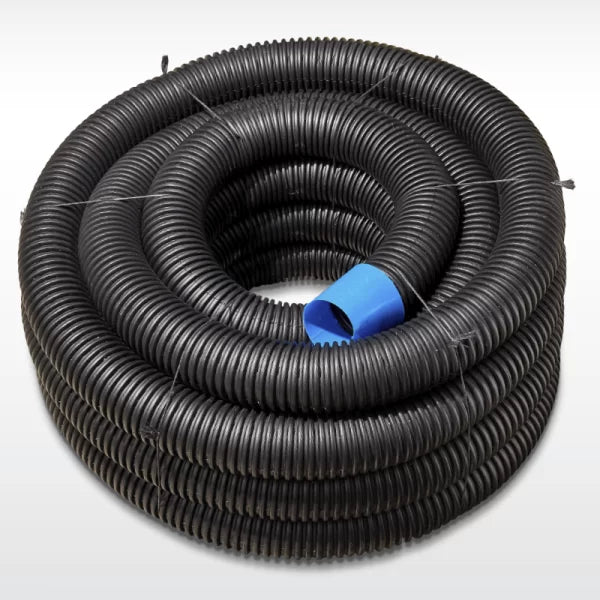
Weep holes or ag pipe - which does your retaining wall need? Why they work together, not as alternatives, and what a complete drainage system actually requires.
How far apart should weep holes be in a retaining wall? Spacing, placement height, and row spacing for taller walls - matched to RWD's own published guidance.
What are weep holes in a retaining wall? How they work, AS 4678 guidance, and why they're secondary drainage, not a replacement for ag pipe.

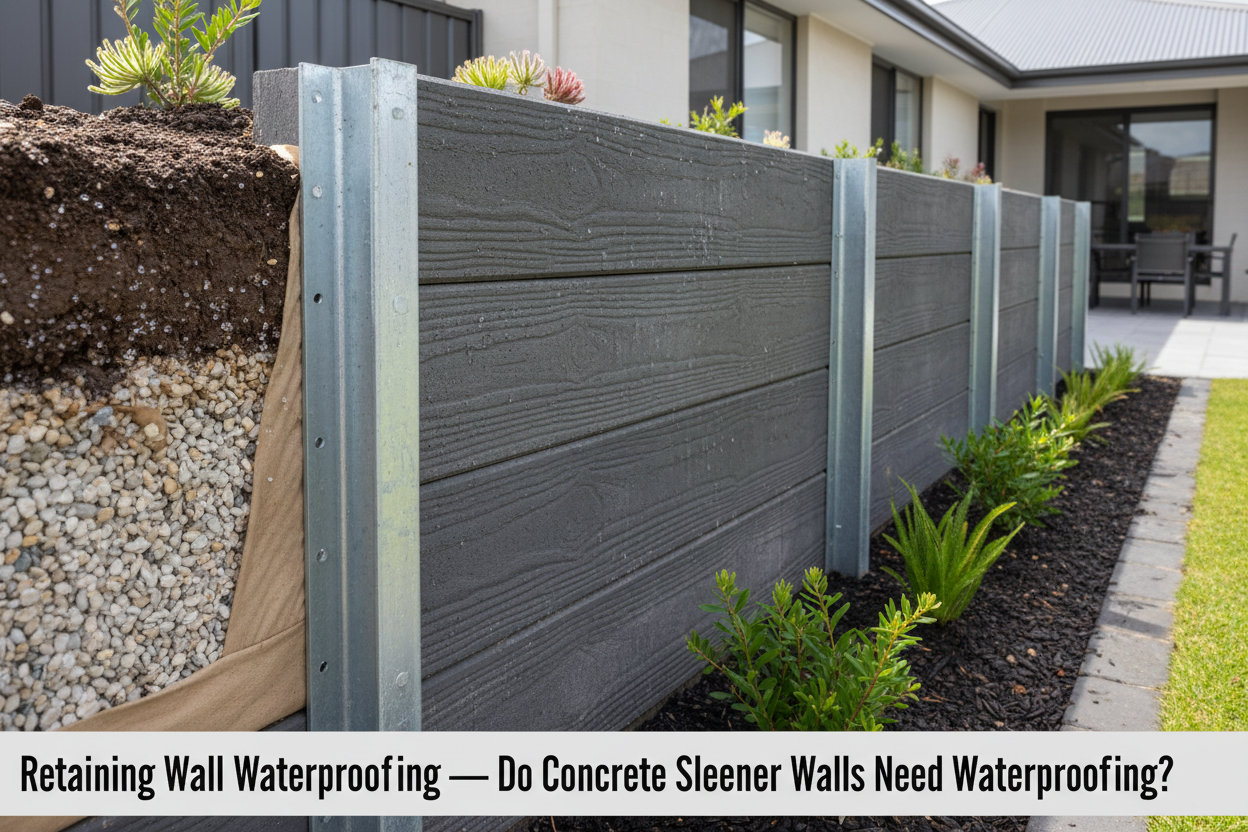
Concrete sleepers and steel posts work as one system, not two separate purchases. Here's how to match them correctly and why ordering as a kit beats mixing suppliers.

How do you actually install woodgrain concrete sleepers? Step-by-step on posts, drainage and sleeper placement — everything before you pick up a shovel.

Fifteen years or thirty? The lifespan of a treated pine sleeper comes down to one factor more than any other — drainage.

Posts first, then sleepers, then drainage, then backfill — the order that makes or breaks a DIY timber sleeper retaining wall, step by step.

Everything you need to plan a timber sleeper retaining wall — treated pine sizing, steel post spacing, drainage and Australian height limits, in one guide.