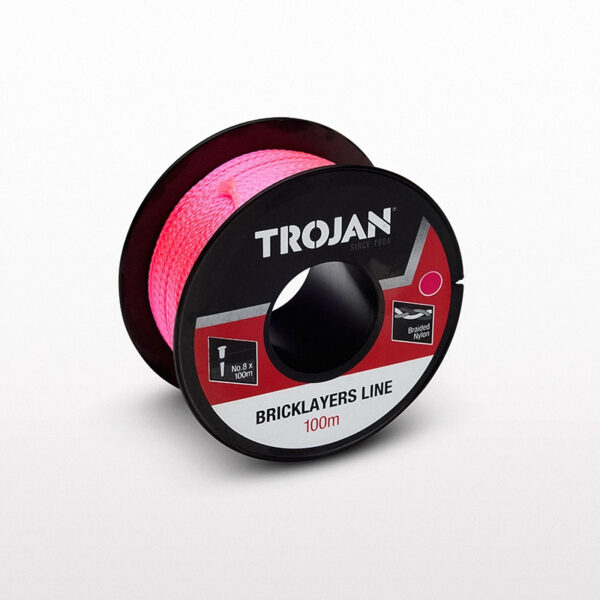
Complete retaining wall drainage kits - ag pipe, geotextile fabric, and weep holes - essential for every concrete sleeper retaining wall. Drainage failure is the leading cause of retaining wall failure in Australia. A correctly installed drainage system is not optional - it is the single most important factor in how long your wall lasts.
Before ordering, read our retaining wall drainage guide - it covers correct ag pipe placement, geotextile installation, weep hole spacing, and the most common drainage mistakes that cause walls to fail prematurely. For the complete technical reference, see the complete drainage and structural integrity guide.
Not sure what you need?
Get a drainage specification for your wall
Send your wall dimensions, soil type and location and we'll confirm the correct ag pipe size, geotextile spec, and weep hole spacing for your site.
Get a free spec → 📞 1800 880 124
What's in a drainage kit?
A correctly installed retaining wall drainage system has four components - omitting any one significantly reduces system effectiveness. Our drainage kit for retaining walls bundles the ag pipe, geotextile fabric and weep holes in one order; you add the drainage aggregate locally.
-
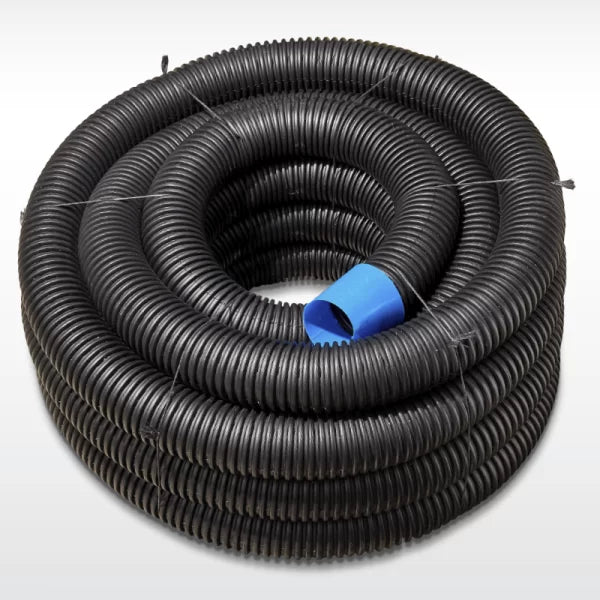
Ag pipe (agricultural drainage pipe) - slotted flexible pipe laid at the base of the wall to collect and channel groundwater away. Use 100mm slotted ag pipe for standard residential walls; 150mm for longer walls, high-rainfall areas, or sloped sites with large catchment areas. Install with slots facing downward or to the sides, wrapped in a geotextile sock, with a continuous fall of at least 1:100 toward the outlet. Discharge to a legal point - never onto a neighbouring property. See the complete ag pipe sizing and installation guide.
-
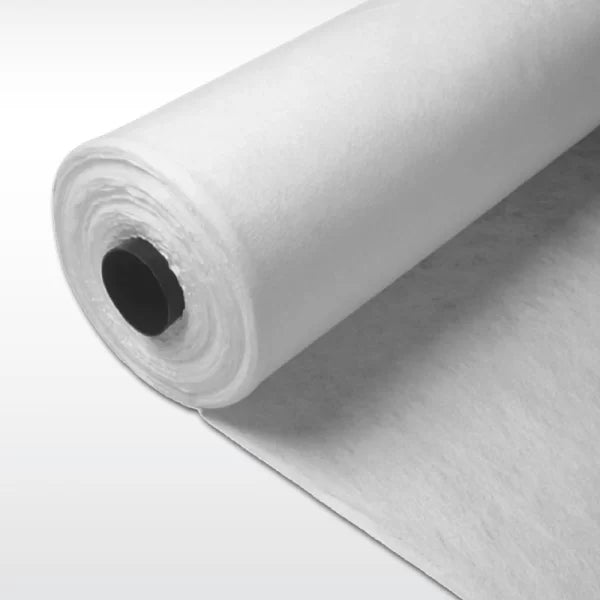
Geotextile filter fabric - a permeable membrane laid against the excavated soil face behind the sleepers. Prevents fine soil particles from migrating into the drainage aggregate and blocking the system over time. Without it, the drainage layer can become effectively silted up within 5-10 years. The fabric should extend from the base of the excavation to the top of the drainage zone and be folded over the top of the aggregate before backfilling.
-
Drainage aggregate - 20mm clean crushed rock (not crusher dust) filled behind the wall face to a minimum 300-400mm depth. On reactive clay sites in Melbourne's western suburbs, Brisbane's Woogaroo clay corridor, or Adelaide's northern plains, increase to 400-500mm. See the backfill guide for the full specification by soil type.
-
Weep holes - installed through or between the lowest sleeper course to provide a secondary drainage path at the wall face. Space at 1.8m centres. For taller walls, add a second row at mid-height. Inspect and clear annually. Weep holes allow water that has built up in the drainage zone to escape directly through the wall face rather than continuing to build pressure.
Why drainage is non-negotiable
Water building up behind a retaining wall creates hydrostatic pressure - a force that pushes outward on the wall face with increasing intensity the longer drainage is absent or inadequate. This is the leading cause of retaining wall failure in Australia across every soil type, every state, and every wall material.
-
Prevents hydrostatic pressure - the number one cause of retaining wall failure in Australia. The 2021-2022 La Niña delivered record rainfall across Sydney and south-east Queensland, causing widespread retaining wall failures on underdrained sites. Correctly drained walls on the same sites performed significantly better.
-
Required by most councils - drainage is mandated for walls over 600mm in most Australian states under AS 4678-2002 Earth Retaining Structures. Check your state permit requirements before building.
-
Critical on clay sites - reactive clay soils (Wianamatta Shale in western Sydney, Woogaroo clay in Brisbane, Guildford Clay in Perth, Keswick Clay in Adelaide) expand dramatically when saturated. Without drainage, hydrostatic pressure builds rapidly after heavy rainfall. These sites require a minimum 400mm drainage aggregate zone and geotextile fabric is non-negotiable.
-
Critical on sloped sites - sloped blocks have larger catchment areas above the wall. The ag pipe must be sized to handle peak flow from the entire upslope catchment, not just the immediate wall area. See the sloped site retaining wall guide for drainage sizing on sloped blocks.
-
Critical for tiered walls - each tier of a tiered wall needs its own independent drainage system. Water from the upper tier must drain away without saturating the lower tier's backfill. See the tiered retaining wall guide for drainage requirements between tiers.
-
Protects your entire wall system - reduces moisture exposure on concrete sleepers, steel posts, and concrete footings across the design life of the wall.
Drainage specification by soil type and state
| Site condition |
Ag pipe size |
Aggregate depth |
Geotextile |
Notes |
| Standard residential (sandy loam, sandstone) |
100mm slotted |
300mm minimum |
Required |
Eastern Suburbs Sydney, Northern Beaches, Perth coastal, Gold Coast coastal |
| Reactive clay (Class H1-H2) |
100mm slotted |
400mm minimum |
Mandatory |
Western Sydney, Melbourne west, Brisbane west, Adelaide plains, Perth east |
| High rainfall / sloped site |
100-150mm slotted |
400-500mm |
Mandatory |
QLD wet tropics, Melbourne Hills, Dandenong Ranges, Gold Coast Hinterland |
| Canal estate / high water table |
100mm slotted |
400mm minimum |
Mandatory |
Gold Coast canal estates, flood-prone river corridors. Hydraulic engineer advice recommended for tidal discharge. |
| Tiered wall (each tier) |
100mm slotted per tier |
300-400mm per tier |
Mandatory per tier |
Each tier drains independently. Upper tier discharge must not saturate lower tier backfill. |
How to install retaining wall drainage - the correct sequence
-
Set posts and cure footings. Allow minimum 48 hours before loading.
-
Lay geotextile fabric. Place against the excavated soil face behind where sleepers will sit - from the base to the top of the drainage zone.
-
Position the ag pipe. Place at footing level with slots facing down or to the sides, with a continuous fall of at least 1:100 to the outlet. Connect to discharge point before backfilling.
-
Install sleepers and weep holes. Install weep holes in the lowest course as you go, at 1.8m centres.
-
Backfill with drainage aggregate. Fill 300-500mm of 20mm clean crushed rock around and over the ag pipe. Do not compact - compaction reduces permeability.
-
Fold geotextile over the aggregate. Before placing general backfill above the drainage zone, fold the fabric over the top of the aggregate to prevent soil migration downward.
-
Backfill in lifts. Place general backfill in 150-200mm layers and compact each layer before adding the next. Never dump full backfill volume against the wall at once.
Full step-by-step: how to build a concrete sleeper retaining wall.
Complete your retaining wall system
Drainage guides and resources