








Quick Answer
How long do timber sleepers last? There is no single guaranteed lifespan for every treated pine sleeper or retaining wall. WoodSolutions advises that timber garden retaining walls designed and constructed in line with its guide may achieve a service life of 15 years or more. Actual service life depends on the timber durability and treatment specification, wall design, drainage, detailing, installation quality and site exposure.
H4 identifies treated timber intended for non-critical ground-contact or continuously damp landscaping applications. It does not promise that every sleeper will last 15, 20 or 25 years, and it does not establish structural capacity. A wall may perform for longer when the complete system is suitable and maintained, or deteriorate earlier when water, loads, soil movement, damaged treatment or poor construction are not controlled.
How Long Do Timber Sleepers Last in Australia?
The most useful answer is a design and condition answer, not a marketing number. A treated sleeper is one component in a retaining wall system that also includes posts, footings, drainage, backfill, fixings and the surrounding ground. The wall remains serviceable only while those parts continue to work together.
WoodSolutions Technical Design Guide 41 covers timber garden retaining walls up to 1m high. It states that walls designed and constructed in accordance with the guide could be expected to achieve a service life of 15 years or greater. It also explains that more durable timber choices are needed where a longer service life is required.
That guidance should not be converted into a promise that every H4 sleeper will last at least 15 years. The guide has limits, assumptions and construction details that need to be followed. A product warranty, treatment certificate and project design are more relevant to a particular wall than a broad figure repeated online.
The WoodSolutions timber garden retaining wall guide is a useful technical starting point for low garden walls. Walls outside its scope, including taller walls, difficult ground or walls affected by surcharge loads, may need project-specific engineering and a different durability specification.
When assessing an existing wall, age is only one clue. A younger wall with movement, trapped water or untreated cut ends may be in worse condition than an older wall that was correctly detailed and kept well drained. Inspect the wall that is actually on site instead of judging it from the installation date alone.
What H4 Treatment Means
H4 is a hazard class used for timber exposed outside in ground contact or in continuously damp conditions where the application is non-critical. It addresses biological hazards such as severe fungal decay and termites. The class tells you the treatment exposure category, not the wall's structural capacity.
The treatment must also be suitable for the timber species, preservative type and intended use. Look for product identification, supplier documentation or a treatment certificate rather than relying on colour. Green or brown colouring alone does not prove a sleeper is H4 compliant.
H4 does not make timber waterproof. Timber still gains and loses moisture, changes colour, develops surface checks and responds to physical load. Preservative treatment reduces biological deterioration risk, but the sleeper still needs correct support and a wall that manages water.
H4 also does not mean every in-ground structural use is automatically suitable. WoodSolutions use-class guidance distinguishes non-critical H4 applications from critical structural in-ground applications, where H5 or naturally durable Class 1 hardwood may be required. A designer or engineer should specify the appropriate durability level when failure would have serious consequences.
The sleeper thickness and treatment class answer different questions. Thickness affects the timber section available to span and resist load, while treatment affects resistance to biological hazards in the stated exposure. Neither should be selected without considering the posts, spacing, wall height, soil and surcharge.
What to Check Before Buying Timber Sleepers
A realistic lifespan discussion starts with the exact product, not a generic claim about treated pine. Ask for enough information to identify the sleeper, its treatment and the conditions it is intended to withstand.
- Hazard class and preservative: confirm the H-class and whether the treatment is CCA, ACQ, copper azole or another registered system.
- Product identification: retain the treatment stamp, invoice, data sheet or supplier record so future owners can identify what was installed.
- Intended application: confirm whether the sleeper is sold for landscaping, a documented retaining-wall system or another specific use.
- Cut-end instructions: check whether freshly cut or drilled surfaces need an approved supplementary preservative.
- Compatible fixings: use brackets and fasteners suited to the preservative, moisture exposure and any coastal conditions.
- Warranty terms: read what the warranty covers, what installation conditions apply and whether proof of purchase and treatment identification are required.
Keep these records with photographs of the posts, drainage and backfill before the work is covered. This does not guarantee a lifespan, but it creates a much stronger basis for maintenance, warranty questions and future repairs than relying on colour or memory.
Why a Fixed 15 to 25 Year Promise Is Misleading
A lifespan range can be useful for early planning, but it becomes misleading when it is presented as a guaranteed countdown. Timber does not reach a set birthday and suddenly fail. Deterioration depends on exposure and may affect one part of a wall earlier than another.
The same wall can contain different microclimates. One end may sit beside an irrigation outlet, a leaking downpipe or a shaded clay pocket, while the other dries quickly after rain. The wetter section can experience much greater biological and physical stress.
Treatment penetration can also vary with the timber's sapwood and heartwood distribution. Fresh cuts, deep notches and drilled holes may expose less protected timber. Cut surfaces should receive any approved supplementary treatment required by the sleeper supplier.
Structural serviceability can end before obvious timber decay appears. A sleeper may bow because the span or load is unsuitable, while a post may rotate due to inadequate footing or ground movement. Calling every movement problem rot can lead to the wrong repair.
The reverse is also true. Grey colour, small surface checks and weathered grain can look old without proving that a sleeper has lost useful capacity. Appearance should be considered with movement, softness, cracking, connections, post condition and drainage evidence.
Drainage and Moisture Exposure
Drainage is one of the most important factors affecting a retaining wall, but it should not be described as the only factor or as more important than correct design in every case. Water adds pressure behind the wall, keeps surrounding materials wet and can soften or move the supporting ground. A suitable drainage system reduces those risks.

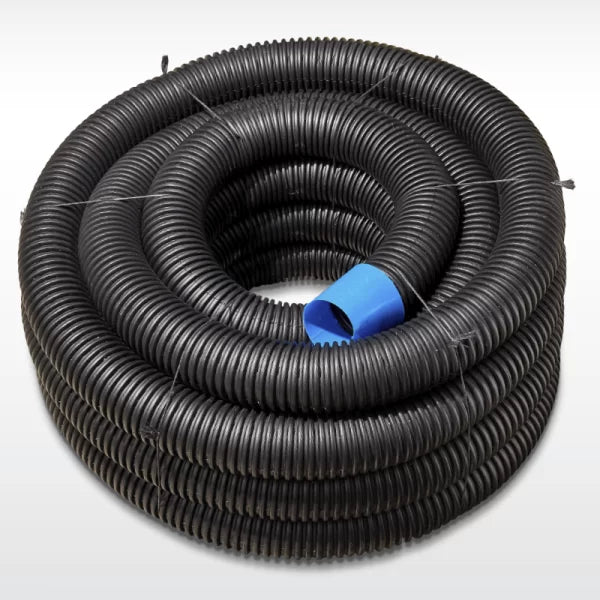
A typical drainage arrangement may include free-draining aggregate behind the wall, geotextile separation and slotted ag pipe with fall to an approved outlet. The correct detail depends on the wall design, soil, groundwater, surface runoff and local drainage requirements. A pipe without a functioning outlet does not provide a complete solution.
Surface water matters as well. Irrigation, roof runoff, paving falls and garden beds can direct water toward the retained side long after construction. Changes made elsewhere on the property may increase exposure even when the original drainage detail was reasonable.
Clay soil can hold water and change volume through wet and dry periods. Sandy soil may drain more freely, but it can create other footing and erosion concerns. Soil type should influence the complete design rather than being used as a simple lifespan calculator.
The dedicated retaining wall drainage guide explains pipe placement, aggregate, fabric and outlet planning in more detail. Keep this lifespan article focused on inspection and durability rather than using it as a substitute for a full drainage design.
Other Factors That Change Service Life
Wall Design and Loading
The sleeper needs enough capacity for its span and the pressure applied to it. Wall height, post spacing, soil, water and any surcharge behind the wall affect that pressure. A driveway, building, pool, fence footing or upper retaining wall can materially change the load.
A correctly treated sleeper can still bow or crack when used outside the design assumptions. The complete timber sleeper retaining wall guide summarises sizing, posts, drainage and approvals. Confirm local council requirements and seek engineering advice where the wall or site is outside a simple low garden application.
Post and Footing Condition
A wall may lean even when the sleepers remain sound. Steel post corrosion, shallow embedment, undersized footings, poor concrete, ground softening or movement can change the post alignment. Inspect posts and footings as part of any lifespan assessment.
Rust staining is not automatically proof that a post has lost capacity, but flaking metal, section loss, distortion or movement need attention. Coastal exposure, incompatible fixings and damage to galvanising can increase corrosion risk. A professional should assess uncertain structural components.
Cuts and Installation Damage
Cutting, splitting and forcing sleepers into tight channels can expose or damage timber. Fresh cuts may need an approved cut-end preservative according to the supplier's instructions. Ordinary paint or decking oil should not be treated as a substitute for preservative protection.
Damage can also occur when a sleeper is hammered directly, dropped or fixed too close to an end. Splits that begin during installation may widen through moisture cycling and load. Reject badly damaged pieces before they become hidden behind backfill.
Termites and Fungal Decay
Correct preservative treatment reduces the biological hazards covered by its class, but it does not remove the need for inspection. Identification, treatment quality, exposed internal timber and local termite conditions still matter. Do not assume every soft area is harmless because the sleeper was sold as treated pine.
Keep inspection zones visible where practical. Soil, mulch and later landscaping can hide the base of the wall and create damp contact on the front face. Avoid building up garden material above the intended finished ground line.
Normal Weathering Versus a Developing Problem
Treated pine changes appearance outdoors. Sun and rain can fade colour, turn exposed faces grey and produce shallow checks along the grain. These changes are common and do not, by themselves, confirm structural failure.
A developing problem is more likely when appearance changes are combined with movement or loss of sound timber. Bowing between posts, deep cracks through a large part of the section, crushing at supports, persistent softness, displaced courses or widening gaps deserve closer investigation.
Look along the wall from both ends. A string line or straight visual reference can make gradual movement easier to see. Compare several bays rather than judging one sleeper in isolation.
Check after substantial rain when drainage faults may be easier to identify. Look for standing water, saturated soil, erosion, a blocked outlet or runoff entering behind the wall. Do not excavate around a loaded structural wall without first considering stability.
Avoid aggressive testing with a screwdriver, drill or hammer. Probing can damage the treatment envelope and a small surface test does not establish the condition of the full sleeper. Where decay or capacity is uncertain, arrange an inspection by a suitably experienced builder, engineer or timber specialist.
Warning Signs That Need Prompt Attention
- A wall face that is leaning, bulging or moving further after rain
- One or more sleepers pulling out of the post channels
- Deep splitting, crushing or a clear loss of timber section
- Soft, crumbling or visibly decayed timber around the base or cut ends
- Posts that are rotating, bent, loose or heavily corroded
- Water continually escaping through joints or ponding behind the wall
- Ground cracking, settlement or erosion near the footing line
- New loads placed close to the wall, such as vehicles, structures or stored materials
Keep people, vehicles and stored materials away from a wall that appears unstable. Do not stand below a leaning wall or begin removing sleepers from the face. Reducing the load and arranging professional advice is safer than attempting a quick cosmetic repair.
The urgency depends on the consequences of movement. A low garden border is different from a wall supporting a driveway, building platform or neighbouring property. Treat any wall with serious consequences of failure as a structural matter.
How to Help Timber Sleepers Perform for Longer
Durability starts before installation. Buy timber identified for the intended exposure, store it off the ground, protect it from damage and confirm the sleeper size matches the wall system. Do not substitute a lighter product simply because it fits inside the post channel.
Build drainage and surface-water management into the project. Keep the outlet accessible for future checks, protect the drainage layer from soil contamination and avoid directing irrigation or downpipes behind the wall. Record the hidden work with photos before backfilling.
Treat fresh cuts where the product instructions require it. Use fixings and brackets compatible with the preservative treatment and exposure. Protect galvanised coatings from unnecessary cutting or drilling.
A compatible exterior coating may help maintain the appearance of exposed faces and reduce surface weathering. It does not protect concealed timber from trapped water and it cannot correct an unsuitable treatment class. Follow the coating manufacturer's maintenance schedule rather than applying a product at an arbitrary interval.
Inspect the wall after major storms and during normal garden maintenance. Clear visible outlets, correct runoff changes and prevent mulch or soil from accumulating against the front face. Small site changes can alter moisture exposure over several years.
Keep a record of the sleeper product, treatment class, installation date, designer or installer and drainage outlet location. This information helps future owners and tradespeople understand what was installed. It is more useful than relying on memory when the wall eventually needs assessment.
Can One Failing Sleeper Be Replaced?
A post-and-sleeper wall is made from separate components, but that does not mean every sleeper can simply be slid out while the wall remains loaded. Soil pressure, drainage aggregate and the courses above may prevent safe removal. Access from behind the wall is often required.
A low, unloaded garden wall may allow a controlled local repair. A taller wall or one supporting a surcharge may need excavation, temporary support and a repair detail prepared by a competent person. Removing the wrong component can release soil or destabilise adjacent courses.
The cause of the damage must also be fixed. Replacing a decayed sleeper without correcting trapped water, an exposed cut, unsuitable treatment or a damaged post can lead to the same problem returning. Inspect neighbouring components before closing the wall again.
New treated pine may differ in moisture content, colour and dimensions from weathered material. Confirm that it fits the post system and carries the required identification. Do not plane or heavily trim a replacement merely to force it into a distorted opening.
Repair, Replace or Monitor?
Not every weathered wall needs immediate replacement, and not every local repair is worthwhile. The decision should be based on the cause, the extent of deterioration and the consequences if the wall moves.
| Observed condition | Practical next step |
|---|---|
| Surface greying or shallow checks with no movement | Record the condition, keep drainage clear and continue routine inspection |
| One damaged sleeper in a low, accessible wall | Assess whether a controlled local repair is possible and correct the underlying moisture or impact cause |
| Repeated decay, several bowed courses or deteriorated posts | Compare staged repair with full replacement after the wall and drainage system are assessed |
| Leaning wall supporting a driveway, structure or neighbouring land | Restrict access and obtain prompt professional advice rather than removing components |
A repair should restore the load path and address the cause. Replacing only the most visible sleeper will not solve blocked drainage, rotating posts, an unsuitable span or a new surcharge behind the wall.
Timber Versus Concrete Service Life
Concrete is not affected by timber decay or termites, which can make it attractive where a long design life and low surface maintenance are priorities. It is not maintenance free and its lifespan should not be reduced to one universal number. Reinforcement, concrete quality, cracking, posts, drainage, footing design and exposure all affect performance.

Timber may remain suitable for low garden work, constrained access, projects that benefit from easier cutting or a natural appearance, and walls designed around a documented timber system. Concrete may suit walls where handling can be managed and a more durable non-timber face is preferred. Neither choice removes the need for proper design and drainage.
The timber versus concrete sleeper comparison covers cost, handling, maintenance and project suitability in more detail. Compare the complete installed systems, not just the face material or a claimed number of years.
A Practical Inspection Schedule
There is no national rule requiring a homeowner to inspect a small garden wall on a fixed calendar. A simple routine is still worthwhile. Check the wall after unusually heavy rain, after nearby excavation and whenever a new load or drainage change is introduced.
During a normal annual garden check, look along the face, inspect accessible post sections and confirm the drainage outlet remains open. Compare photos from earlier years if movement is hard to judge. Record any change rather than relying on memory.
Arrange professional advice when movement is progressing, timber is losing section, posts are deteriorating or the wall supports something important. An inspection is also sensible before buying a property with a large older retaining wall. The cost of informed advice is small compared with an unsafe repair or unexpected replacement.
Planning a new timber wall or replacing confirmed damaged components? Browse the treated pine sleeper range, then match the timber, posts, drainage and design to the actual site conditions.
FAQs
How long do treated pine sleepers last in Australia?
There is no single guaranteed lifespan for every treated pine sleeper. WoodSolutions advises that timber garden retaining walls designed and constructed to its guide may achieve a service life of 15 years or more. Actual performance depends on the hazard class, treatment quality, drainage, soil, structural design, installation and maintenance.
Does H4 treatment mean a sleeper will last 25 years?
No. H4 is a hazard class for non-critical timber exposed to ground contact or continuous damp conditions. It does not guarantee a set number of years, structural capacity or freedom from movement. Product certification, design, drainage and site exposure still affect service life.
What causes timber sleepers to fail early?
Early problems can come from trapped water, blocked drainage, unsuitable treatment, exposed untreated cuts, excessive span, incorrect posts, surcharge loads, soil movement, termites, corroded fixings or damage during installation. The cause should be identified before replacing a sleeper.
Can a rotten sleeper be replaced without rebuilding the wall?
Sometimes, but not always. Access, wall height, backfill pressure, post condition and the connection detail determine whether one course can be removed safely. A structural wall may need excavation, temporary support or professional advice before a sleeper is taken out.
Does sealing treated pine make it last longer?
A suitable exterior finish can slow surface weathering and help maintain appearance on exposed faces, but it does not replace preservative treatment or drainage. Check that any coating is compatible with the timber treatment and follow the coating manufacturer's preparation and maintenance instructions.
Are concrete sleepers longer lasting than timber sleepers?
Concrete is not vulnerable to timber decay or termites, so it may suit projects where low maintenance and a long design life are priorities. Its actual performance still depends on reinforcement, concrete quality, posts, drainage, installation and site conditions. Compare complete wall systems rather than relying on material alone.
Leave a comment (all fields required)