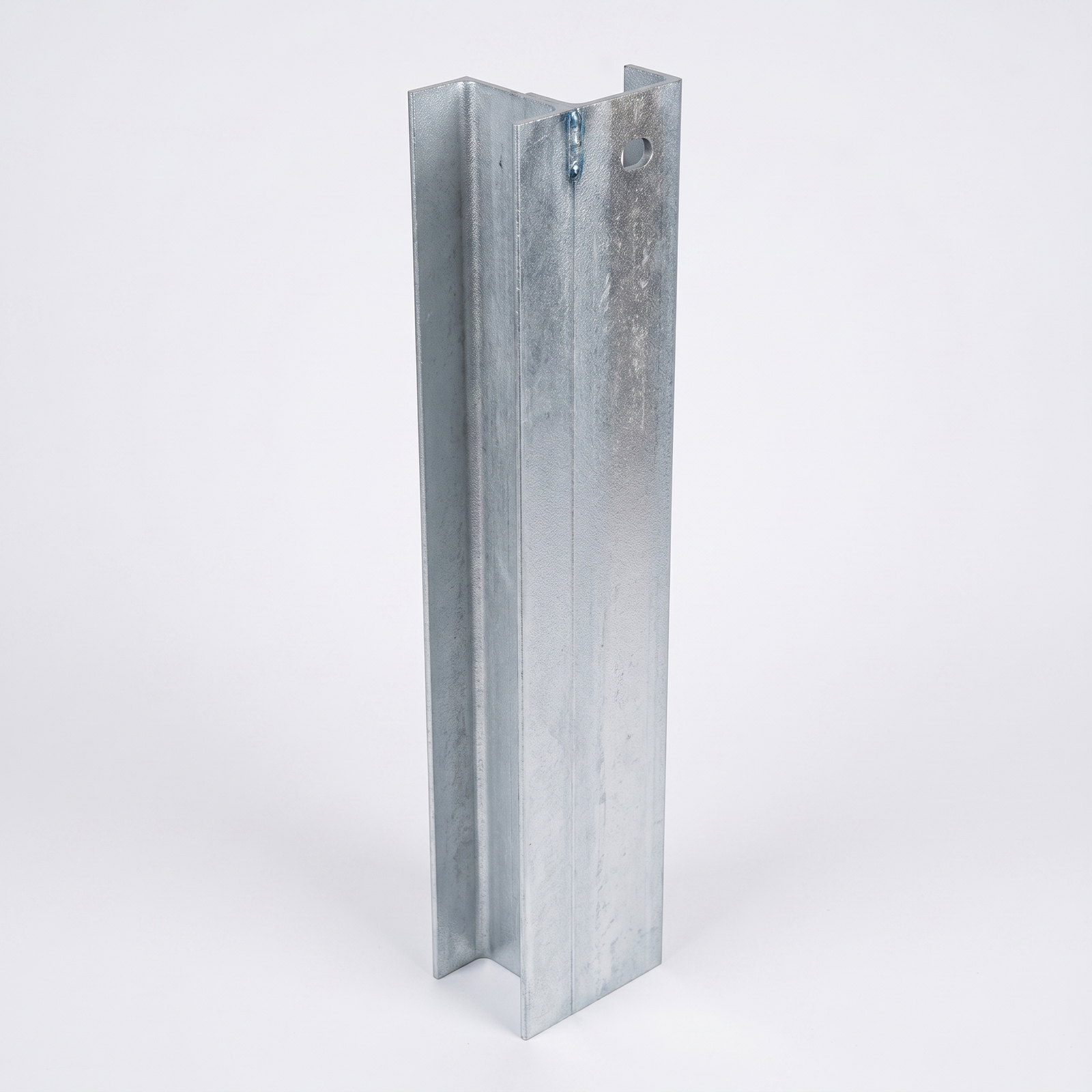
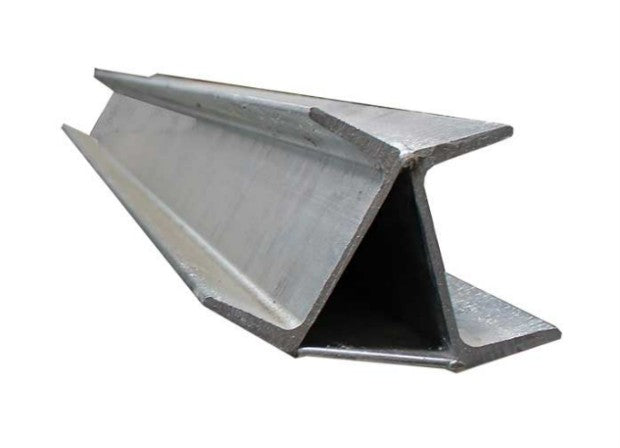
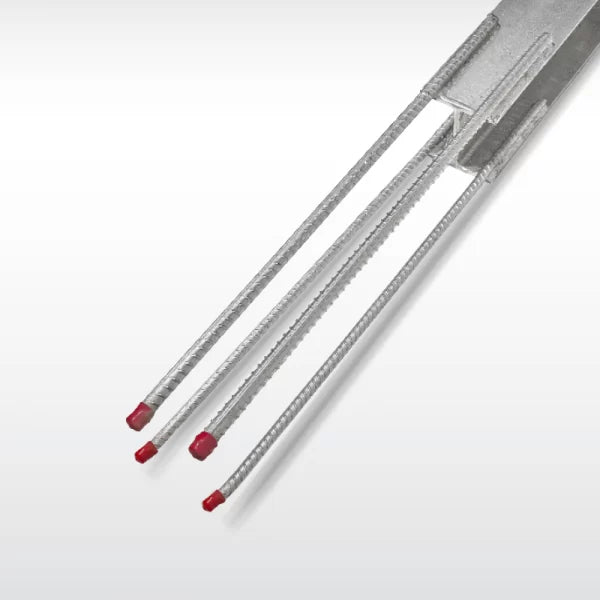
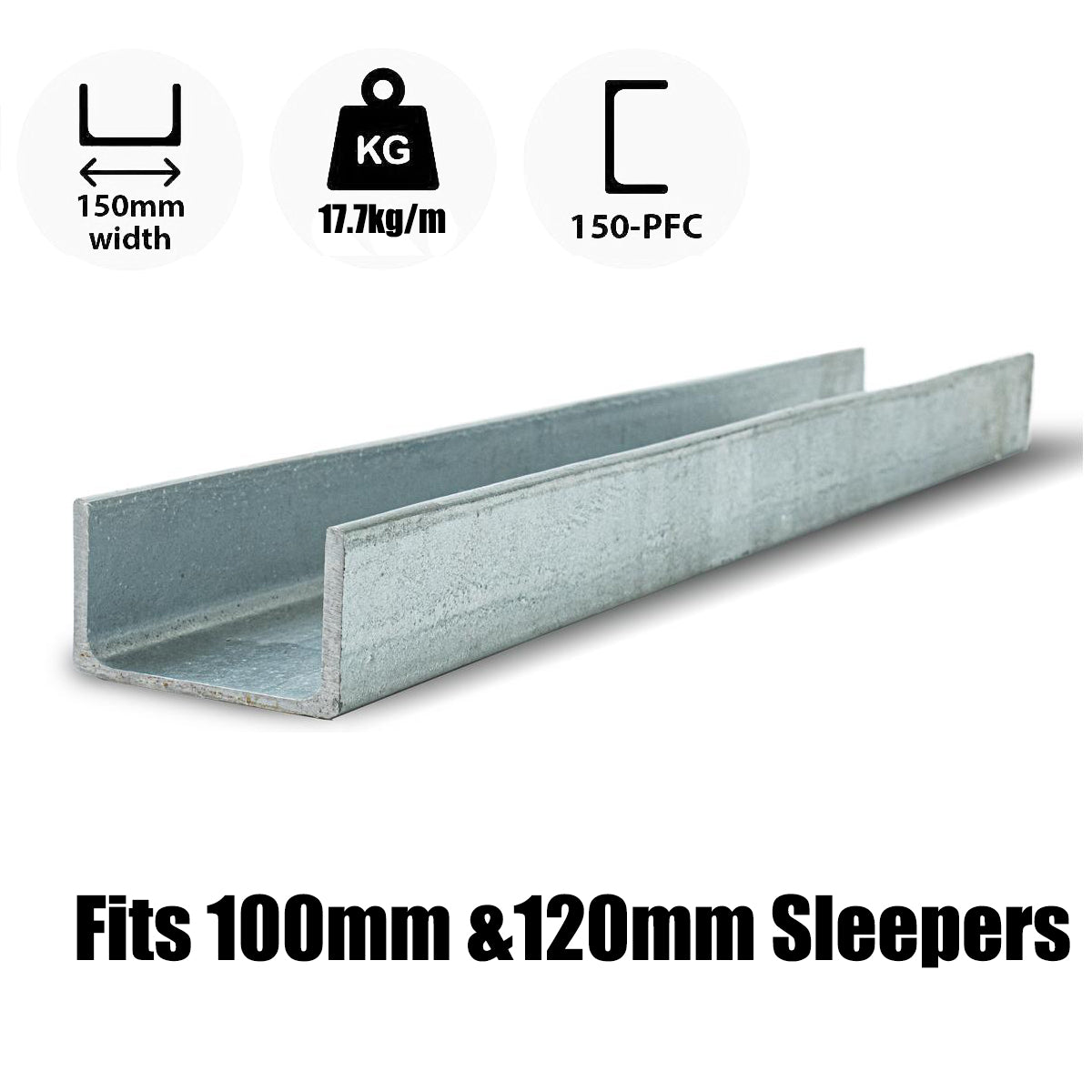
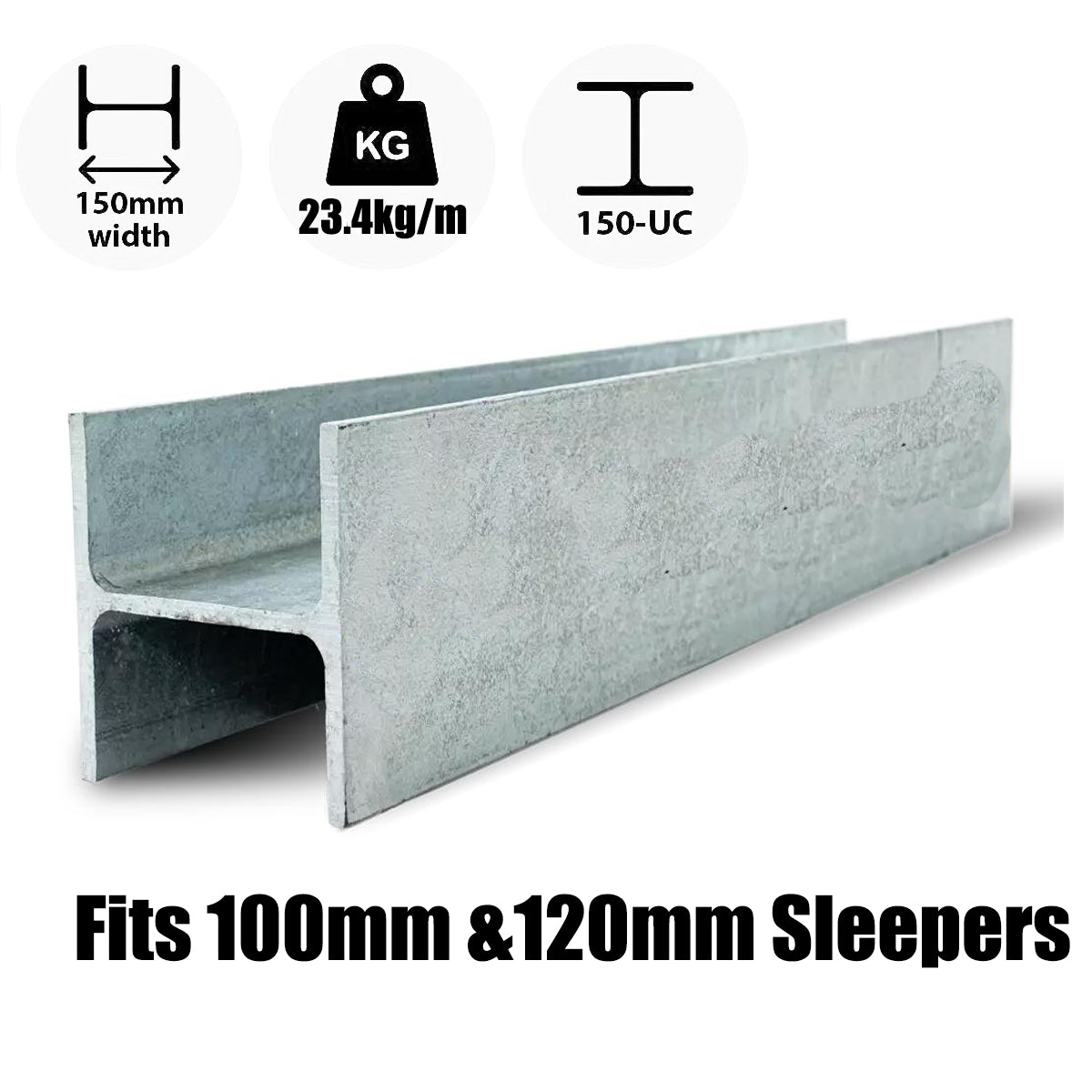
Retaining Walls Direct stocks a complete range of galvanised steel retaining wall posts, including 100 Series, 150 Series and 200 Series, in H-beam (UC) and C-channel (PFC) profiles, plus corner, joiner and end posts for 90° and 45° returns. All posts are hot-dip galvanised for long-term corrosion resistance in Australian conditions, from coastal environments to reactive clay soils.
Our steel posts for sleepers are engineered to work with our full range of concrete sleepers, giving you a fully compatible sleeper retaining wall system in a single order. Use the post selector below to find the right series for your wall, or go straight to the Steel Post Sizing Guide for the full technical specification. New to steel posts? Start with our Steel Retaining Wall Posts: The Complete Australian Guide for a complete overview of post types, sizing and installation.
| Series | Wall height | Typical profile | Best for |
|---|---|---|---|
| 100 Series | Up to 800mm | 100PFC or 100UC | Garden walls, low boundary walls, standard residential sites |
| 150 Series | Up to 1.2m to 1.5m | 150UC | Taller residential walls, reactive clay soils (Melbourne west, Brisbane outer), light vehicle surcharge |
| 200 Series | Up to 2.0m | 200UC | Engineered walls, heavy surcharge, building or pool loads, difficult soil conditions |
All posts are supplied in standard lengths to suit standard embedment depths. For walls over 1m, near boundaries, or carrying surcharge loads, post sizing must be confirmed by a qualified structural engineer. See the Steel Post Sizing Guide for embedment depth, footing diameter and concrete specification by wall height and soil class.
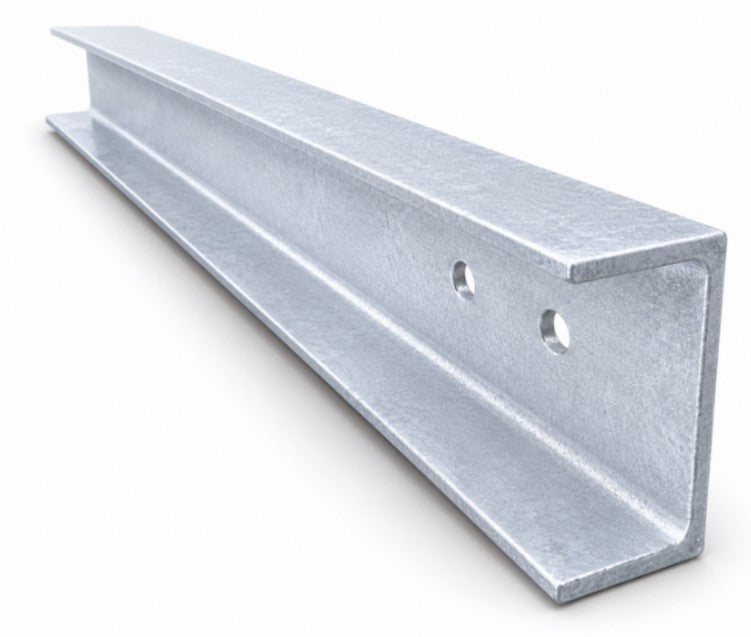
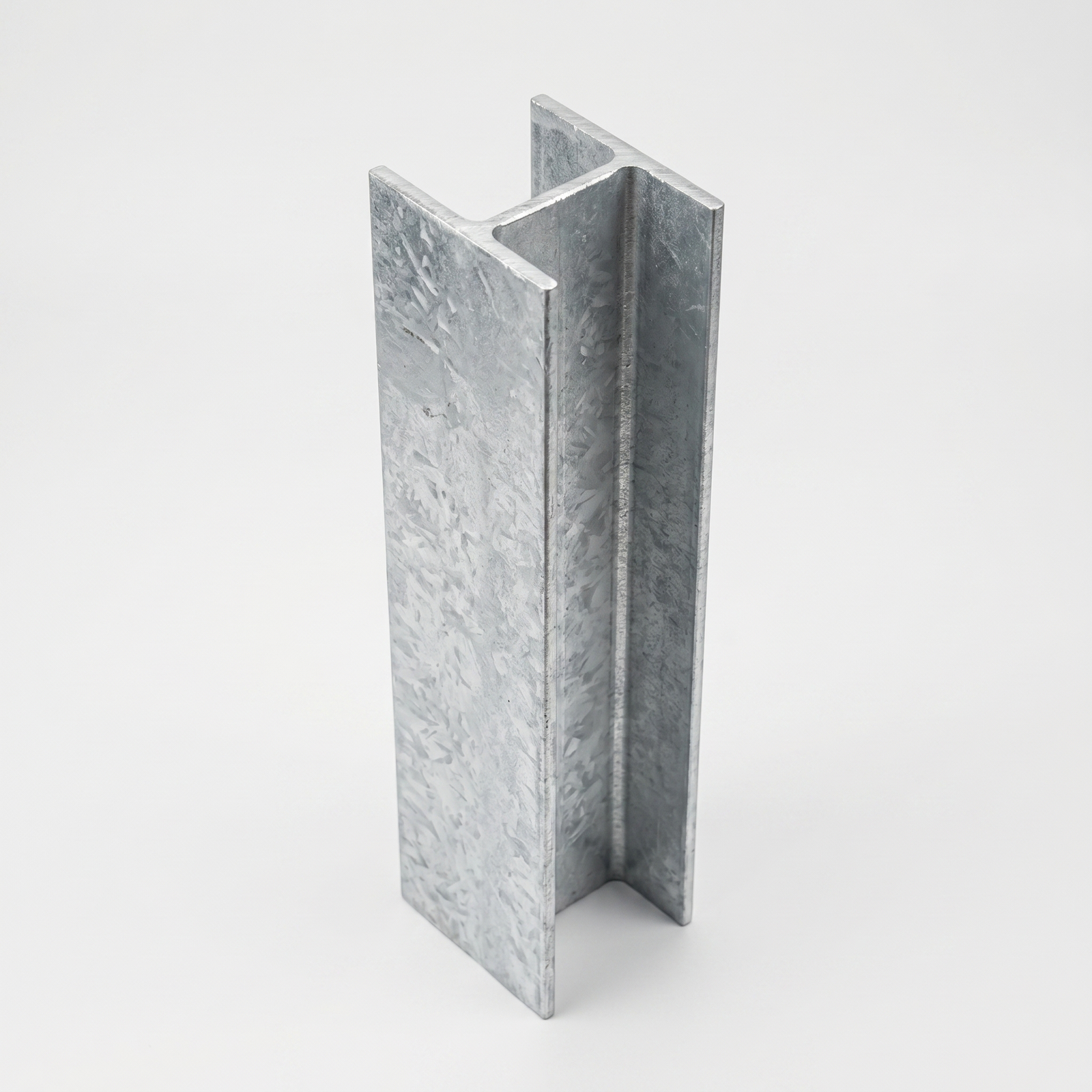
H-beam (UC) posts are the standard choice for most retaining walls, giving maximum resistance to lateral soil pressure. Use them for any wall over 600mm, reactive clay sites, or surcharge loads. C-channel (PFC) posts suit lower walls under 600mm, fencing, and as end or corner posts on lightweight walls. For the full comparison, see our How to Choose the Right Retaining Wall Post guide.
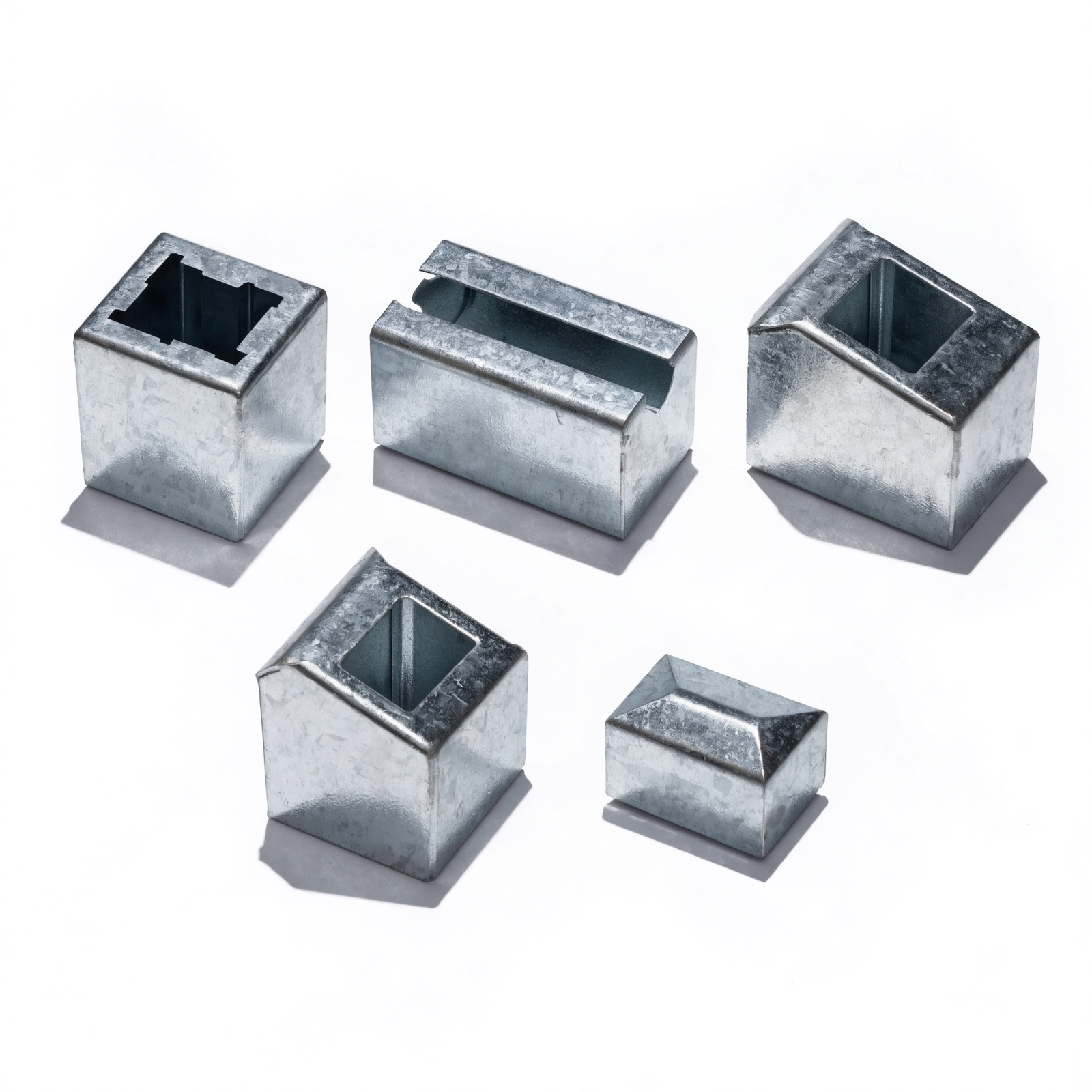
Corner, joiner and end posts are available in 90° and 45° return configurations for wall junctions, step-downs and returns. Always include end posts in your post count: two per straight run, plus one per corner or return.
All posts are hot-dip galvanised to AS/NZS 4680, the Australian and New Zealand standard for hot-dip zinc coatings on fabricated steel articles. Required coating thickness under this standard depends on the steel section size and exposure environment rather than a single fixed figure, so the exact specification varies by post series and site conditions. This level of protection is the correct baseline for in-ground use in Australian conditions, including:
Do not substitute zinc-plated or pre-galvanised (in-line galvanised) steel for hot-dip galvanised posts in retaining wall applications. These lighter coatings are not sufficient for in-ground use.
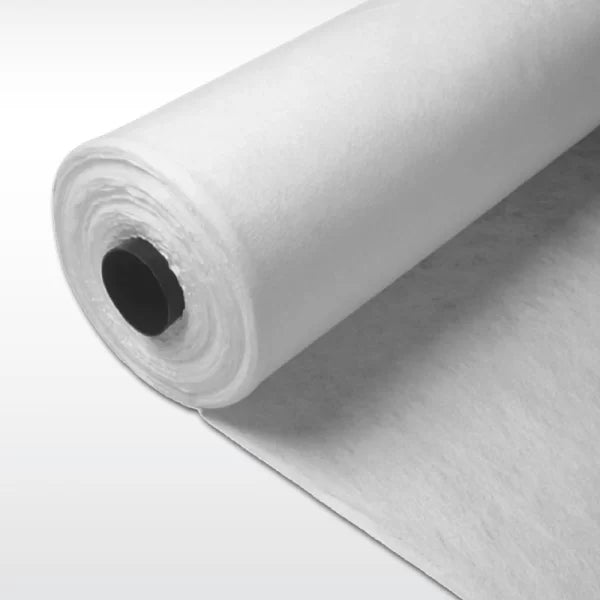
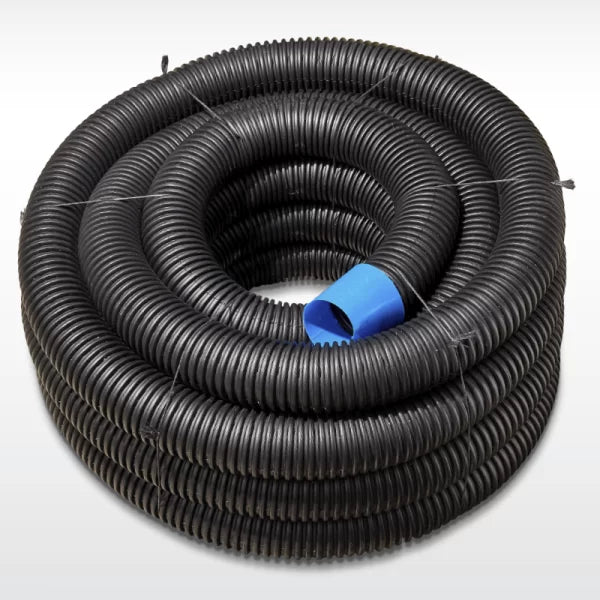
A steel post retaining wall without correct drainage behind it will fail, regardless of post series. Hydrostatic pressure from trapped water is the leading cause of retaining wall failure in Australia. Every wall needs:
Browse drainage kits, ag pipe and weep holes, or read our retaining wall drainage guide for the correct installation sequence.
H-beam (UC) posts are stronger and suit most walls, while C-channel (PFC) posts are lighter and better suited to lower walls under 600mm or as end posts. See our How to Choose the Right Retaining Wall Post guide for the full comparison, or use the post selector above to choose the right profile for your project.
"H channel" is a common trade name for H-beam (UC) posts, so a retaining wall H channel and our UC posts are the same thing. When people talk about an I beam retaining wall, they usually mean these posts too. Strictly speaking, an I-beam is a universal beam (UB), which has narrower flanges than a UC and does not give sleepers as wide a channel to sit in. We supply UC and PFC (C-channel) posts, the profiles made for sleeper walls.
Post size depends on wall height, soil type, post spacing and any surcharge loads. As a general guide: 100 Series suits walls up to 800mm; 150 Series suits walls up to 1.2m to 1.5m; 200 Series suits walls up to 2m or in difficult conditions. Always confirm post sizing with an engineer for walls over 1m, on reactive soils, or near boundaries or structures. The selector above gives you a starting point.
A common starting guide is one-third of total post length in the ground, so a 1.8m post has approximately 600mm below grade. Actual embedment depends on wall height, soil conditions and engineer recommendations. In reactive clay or where surcharge loads apply, deeper embedment and larger concrete footings are required. See the Steel Post Sizing Guide for the full embedment table by post series and soil class.
All posts are hot-dip galvanised to AS/NZS 4680, providing strong corrosion protection in most Australian environments including coastal areas. In extreme coastal conditions within 100m to 200m of breaking surf, additional protective coatings may be recommended. Contact us on 1800 880 124 for site-specific advice.
100 Series posts accept 200 x 75mm concrete sleepers. 150 Series posts accept both 200 x 75mm and 200 x 100mm sleepers. 200 Series posts accept 200 x 100mm heavy-duty sleepers. All posts and sleepers are designed as a compatible system. Browse concrete sleepers to match the right size to your post series.
This depends heavily on your state and council, and the figures vary more than a single national rule of thumb suggests. As a general guide: Western Australia has the lowest exemption threshold in Australia, with walls over 500mm generally requiring a building permit. New South Wales sets its exempt development threshold at 600mm. Victoria and Queensland generally allow walls up to around 1.0m without a permit, though this varies by council and zone. In every state, boundary proximity, surcharge loads (such as driveways or structures above the wall) and individual council rules can reduce these thresholds regardless of wall height. See our state-by-state regulations hub for the full detail for your state, or our council approval guide, and always check with your local council before starting.
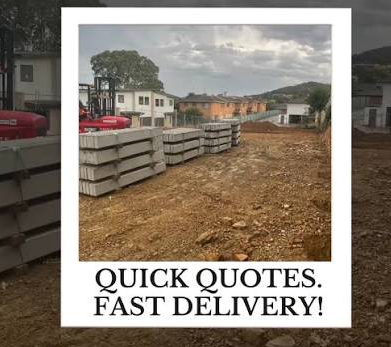
Yes. We deliver steel posts nationwide via flatbed and crane truck freight. Delivery cost is calculated by postcode, order size and site access before we process your order. Request a freight quote or call 1800 880 124 to discuss delivery to your site.
Yes. Trade and bulk pricing is available for landscapers, builders and civil contractors. Open a trade account for trade rates, volume pricing and priority dispatch.
Post selection for walls over 1m, on reactive soils, near boundaries, or adjacent to structures must be confirmed with a qualified structural engineer. All walls must comply with AS 4678:2002 Earth-retaining structures.
Post selector
Set your wall details and site conditions. The selector recommends a post series, profile, embedment depth and footing size — and gives you a post count to take to a quote.
Recommended post series
150 Series
H-beam (UC)
Standard soil, garden loading, wall under 1.0 m.
Send this spec for a delivered price
All figures calculated above are sent with your request, no need to re-enter your measurements.
Post series and embedment are indicative starting points based on published guidelines. Post profile, footing diameter, reinforcement and concrete specification must be confirmed by a qualified structural engineer for walls over 1 m, walls near boundaries, or walls carrying surcharge loads. AS 4678:2002 applies.
Quick reference
Post profile and series depend on wall height, soil conditions and surcharge load. This is a starting reference, not an engineering specification.
| Wall height | Standard soil | Reactive clay / vehicle load |
|---|---|---|
| Up to 0.6 m | 100 Series C-channel | 100 Series H-beam |
| 0.6 m – 0.8 m | 100 Series H-beam | 150 Series H-beam |
| 0.8 m – 1.5 m | 150 Series H-beam | 200 Series H-beam, engineer required |
| Over 1.5 m | Engineer-specified, council approval likely required | |
Post embedment is typically one third of the total post length below ground, increasing on reactive clay or where surcharge loads apply. Footing diameter steps up from 300mm to 450mm for 150/200 Series posts or reactive clay sites. Walls over 1 m generally require engineering certification and may require council approval regardless of post size.
Read the full sizing guide →