Driveway Retaining Walls — What You Need to Know
Retaining walls adjacent to driveways are among the most structurally demanding residential applications. A vehicle parked or driven close to a retaining wall creates a surcharge load — additional lateral pressure on the wall beyond the weight of the retained soil alone. This surcharge load is significant: a standard passenger vehicle weighs 1,500–2,500kg, and a loaded ute or trailer can exceed 4,500kg. Walls that are correctly specified for soil load alone will often be underspecified when vehicle surcharge is added.
Why Driveway Retaining Walls Need Heavier Specifications
-
Vehicle surcharge loads — AS 4678-2002 requires a minimum 5kPa surcharge for residential driveways, equivalent to approximately 500kg per square metre of wall face
-
Dynamic loading — vehicles accelerating, braking, and turning create dynamic loads that exceed static surcharge values
-
Proximity to wall — the closer the vehicle path to the wall, the higher the lateral pressure transferred to the wall structure
-
Council requirements — most Australian councils require engineer certification for retaining walls adjacent to driveways regardless of height
Recommended Specifications for Driveway Retaining Walls
Concrete Sleepers
- Minimum 50MPa concrete sleepers for walls adjacent to driveways
-
60MPa sleepers recommended where vehicle loads are heavy or frequent
- 100mm sleeper thickness preferred over 75mm for driveway applications
Steel Posts
- Minimum 150 Series posts for driveway walls up to 1.2m
-
200 Series posts for walls over 1.2m or where heavy vehicles are present
- Post embedment depth should be calculated by a structural engineer for driveway applications — standard 1:1.5 ratios are often insufficient
- Reduce post spacing to 1.5m centres (from standard 2.0m) where vehicle surcharge is significant
Engineering Requirements
In most Australian states, retaining walls adjacent to driveways require a structural engineer's design and certification regardless of height. This is because the surcharge load from vehicles is a defined structural load under AS 4678-2002 — Earth Retaining Structures. See our State-by-State Regulations Guide for your local requirements.
Drainage Is Critical for Driveway Walls
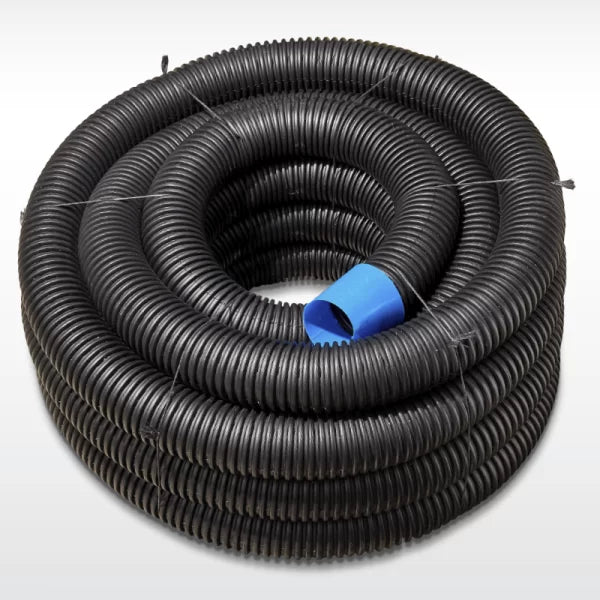
Driveway surfaces concentrate stormwater runoff directly behind retaining walls. Without adequate drainage, hydrostatic pressure from accumulated water can exceed vehicle surcharge loads. Always install a complete drainage system including ag pipe, drainage aggregate, geotextile fabric, and weep holes. Read our Complete Drainage Guide.
Get a Free Driveway Retaining Wall Quote
→ Book a Free Quote Now — our team will advise on the correct specification for your driveway application and confirm delivery cost to your site within 24 hours.
Related Guides