








Weep Hole Spacing & Placement in a Retaining Wall
Quick answer
Weep holes are typically spaced at around 1.8m centres along the wall, placed just above the base — high enough to stay clear of debris, low enough to catch water before it builds up.
- Standard spacing: roughly 1.8m centres along the wall run.
- Taller walls may need a second row higher up the face.
- A weep hole only works if it's connected to a proper drainage zone behind it — remember it's a backup, not the main system.
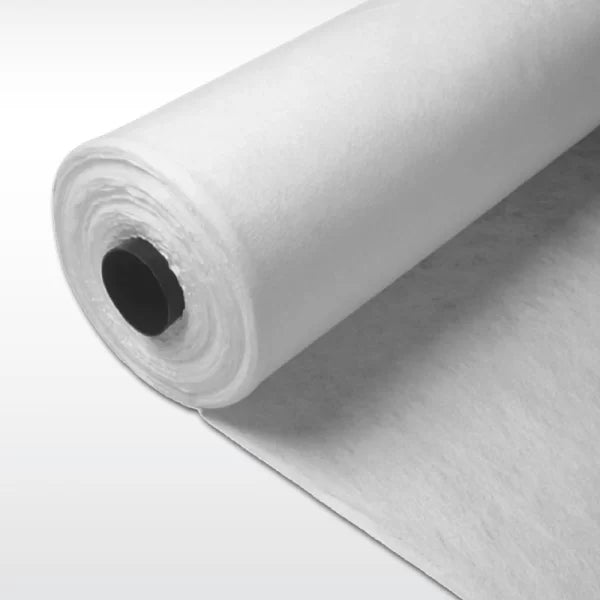
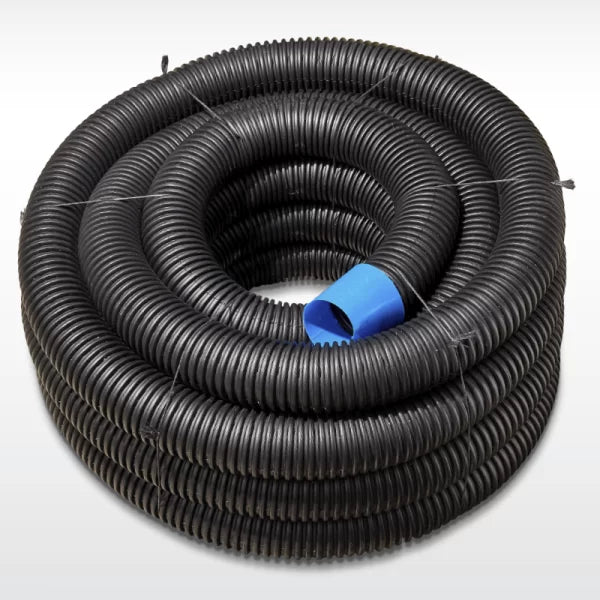
Get the primary drainage sorted first — shop Drainage Kits for ag pipe and geotextile.
If your wall design includes weep holes, getting the spacing and placement right is what determines whether they actually do anything. A hole in the wrong spot, or spaced too far from its neighbours, can sit dry while water builds pressure just metres away. This guide covers standard spacing, placement height, and when a second row is worth considering.

Standard spacing (1.8m centres)
A common, widely used spacing for weep holes along a retaining wall is around 1.8m centres — meaning roughly 1.8 metres from the centre of one weep hole to the centre of the next, running the length of the wall.
This spacing isn't an arbitrary round number — it reflects a practical balance:
- Close enough that water anywhere along the wall has a reasonably short path to reach a relief point.
- Wide enough that the wall isn't riddled with openings that could weaken the structure or become a maintenance headache.
Treat 1.8m as a standard starting point rather than a fixed rule for every wall. Site conditions — soil type, water volume, wall height, and the specific engineering design — can shift the right spacing tighter or wider for a given project. Where a wall has been engineered, follow the spacing specified in that design rather than defaulting to a general figure.
Placement height above the base
Height matters as much as horizontal spacing. Weep holes are typically placed a short distance above the base of the wall — high enough to avoid being buried by sediment or debris that settles at the very bottom, but low enough to catch water before it builds significant pressure higher up the wall.

A few practical points on placement height:
- Too low, and the hole is prone to blocking with silt, soil fines, or debris that settles at the base of the drainage zone.
- Too high, and water has to build up further before it reaches the relief point — defeating some of the purpose.
- Consistent height along the run generally works better than staggering heights, since it keeps the drainage behaviour predictable along the whole wall.
Exact placement height depends on the wall's drainage zone design and base construction — again, this is a detail an engineer or designer will specify for a given wall rather than a single number that applies everywhere.
Adding a second row for taller walls
On taller walls, a single row of weep holes near the base may not be enough to manage water pressure across the full height of the retained soil. In these cases, a second row — positioned partway up the wall — can provide additional relief points higher in the structure.
A second row is more likely to be worth considering when:
- The wall is tall enough that water pressure at mid-height is a genuine concern, not just at the base.
- The site has consistently high groundwater or heavy seasonal water flow.
- The engineering design specifically calls for it as part of the wall's drainage plan.
This isn't a DIY judgement call for anything beyond a low garden wall — taller retaining walls with a second drainage row are firmly in engineered-design territory, and the row spacing, offset, and placement should come from that design rather than a rule of thumb.
Common mistakes (covered by backfill, blocked)
A weep hole that isn't working properly is often a maintenance and construction issue, not a design flaw. Common problems:
- Covered by backfill or landscaping. Soil, mulch, or garden beds placed against the wall face can bury a weep hole entirely, cutting off the one path water had to escape.
- Blocked by sediment or debris. Without a drainage zone directing clean water to the hole, fine soil particles can wash in and clog it over time.
- Not connected to proper drainage. A weep hole built into the wall face without a drainage zone (aggregate and geotextile) behind it is relying on water finding its own way there through the soil — inconsistent at best.
- Spaced incorrectly for the wall's actual water load. A wall on a wet site with 1.8m spacing designed for average conditions may need tighter spacing or a second row.

Getting the drainage zone right behind the wall face matters more than the weep hole spacing itself — a well-placed hole with no drainage feeding it does very little. See our retaining wall drainage guide for how the drainage zone and weep holes work together as one system.
Inspection and maintenance
Weep holes are easy to forget about once a wall is built and landscaped, but they're worth checking periodically:
- After heavy rain, check whether water is visibly draining from the holes — a dry hole during or right after heavy rain can indicate a blockage or that landscaping has buried it.
- Seasonally, clear any visible debris, mulch buildup, or plant growth from around the wall face where weep holes sit.
- When re-landscaping near a retaining wall, avoid piling garden beds, mulch, or soil up against the wall face in a way that covers existing weep holes.
A weep hole that's silently blocked doesn't announce itself — the wall just loses its backup drainage path without any visible sign, until pressure builds enough to cause a problem. A quick check after significant rain is a simple habit that catches this early.
Sorting out the primary drainage for your wall? Shop Drainage Kits for ag pipe, geotextile and drainage aggregate.
Leave a comment (all fields required)