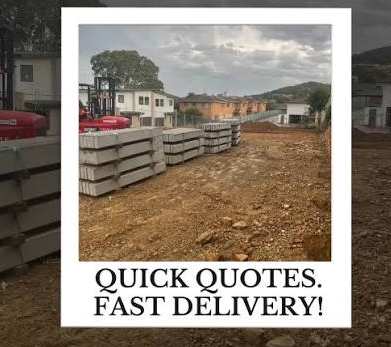
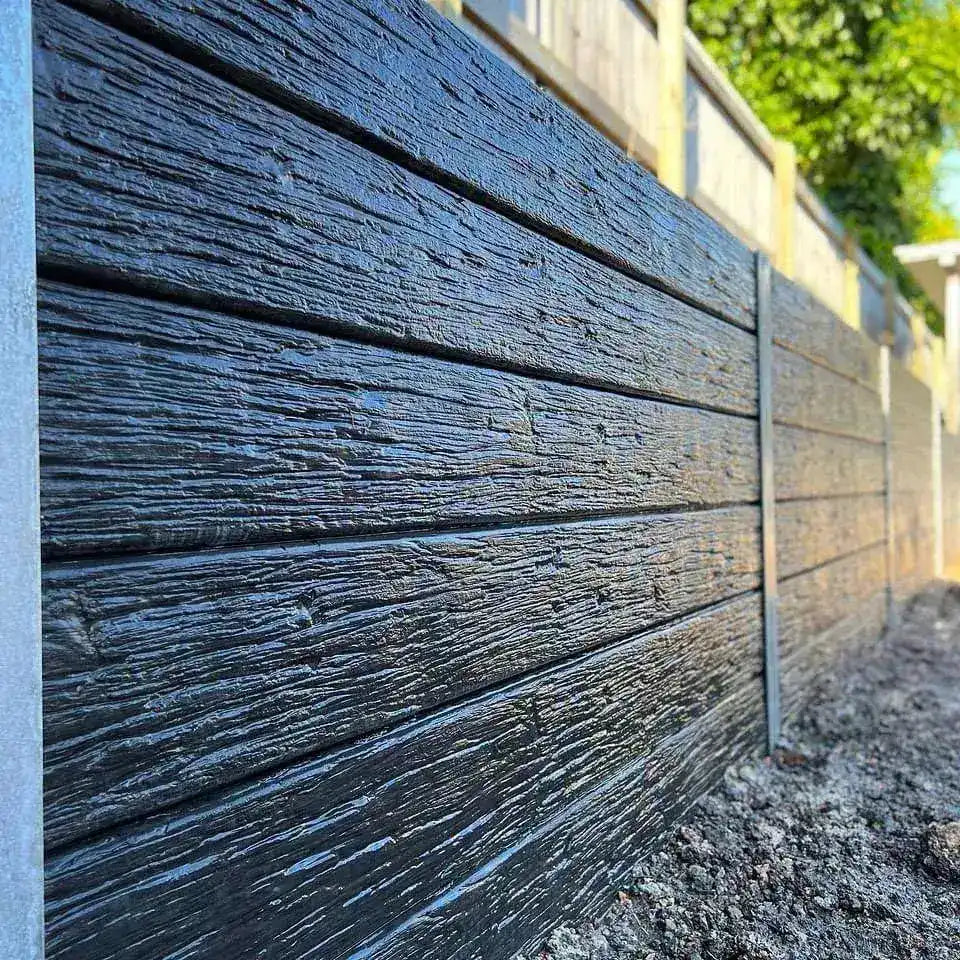
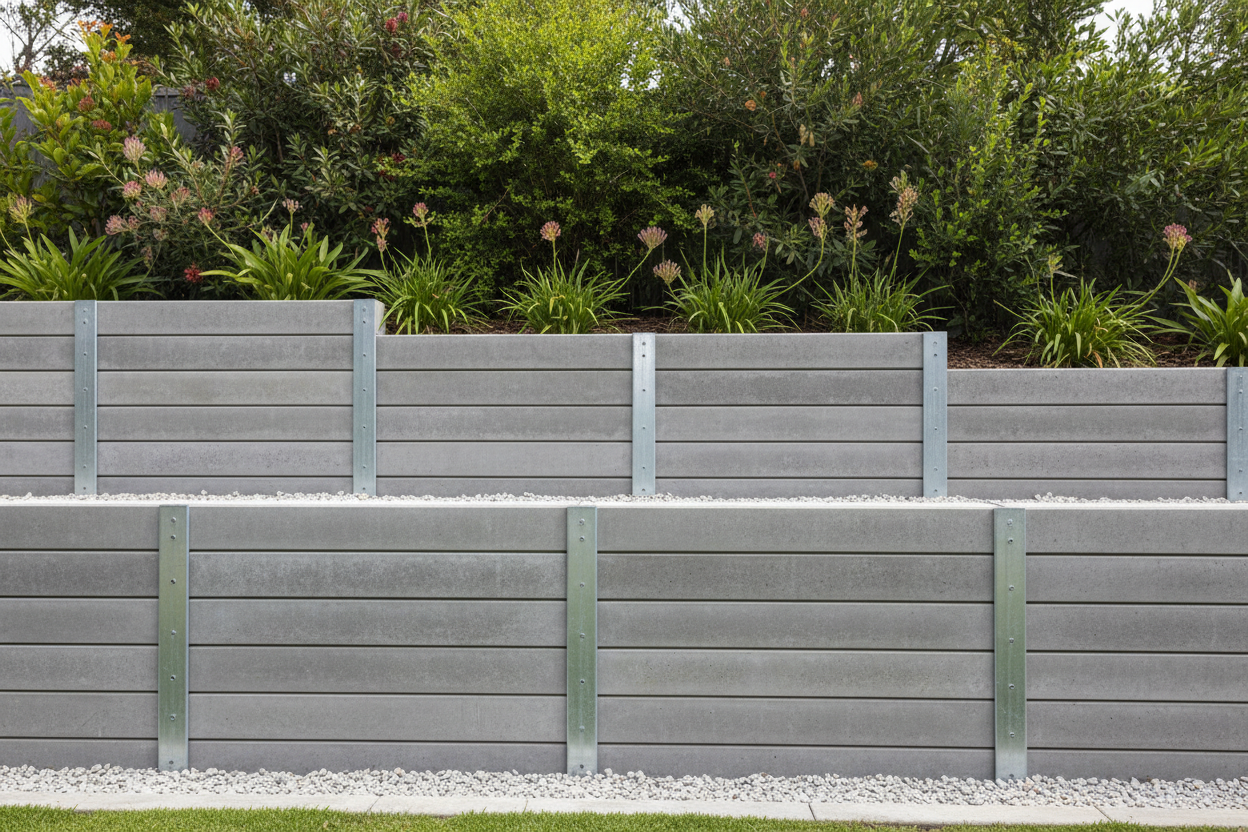
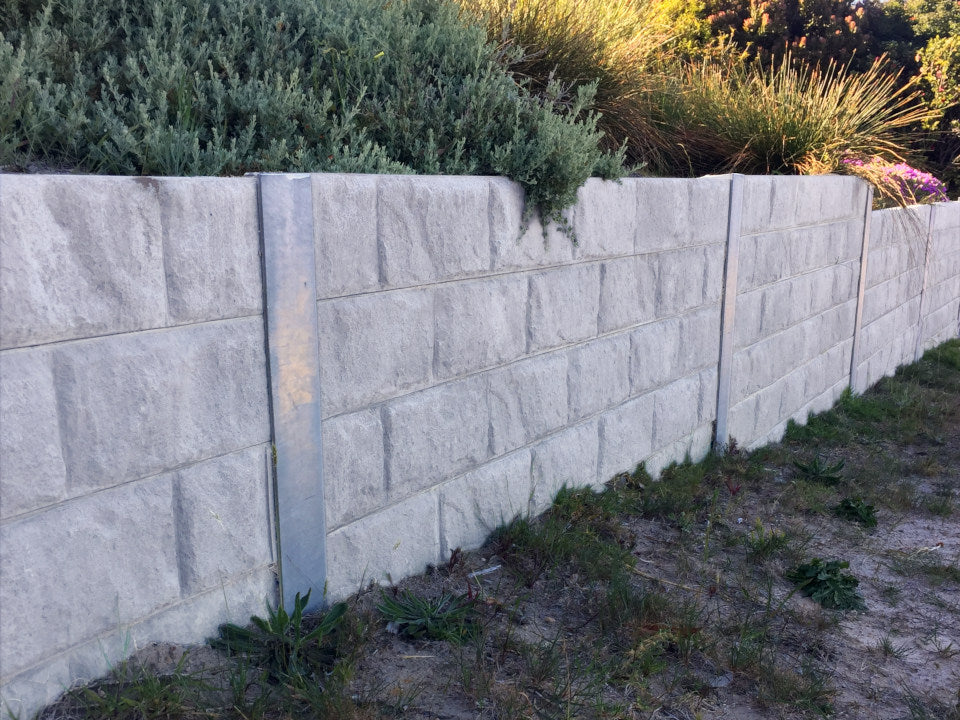
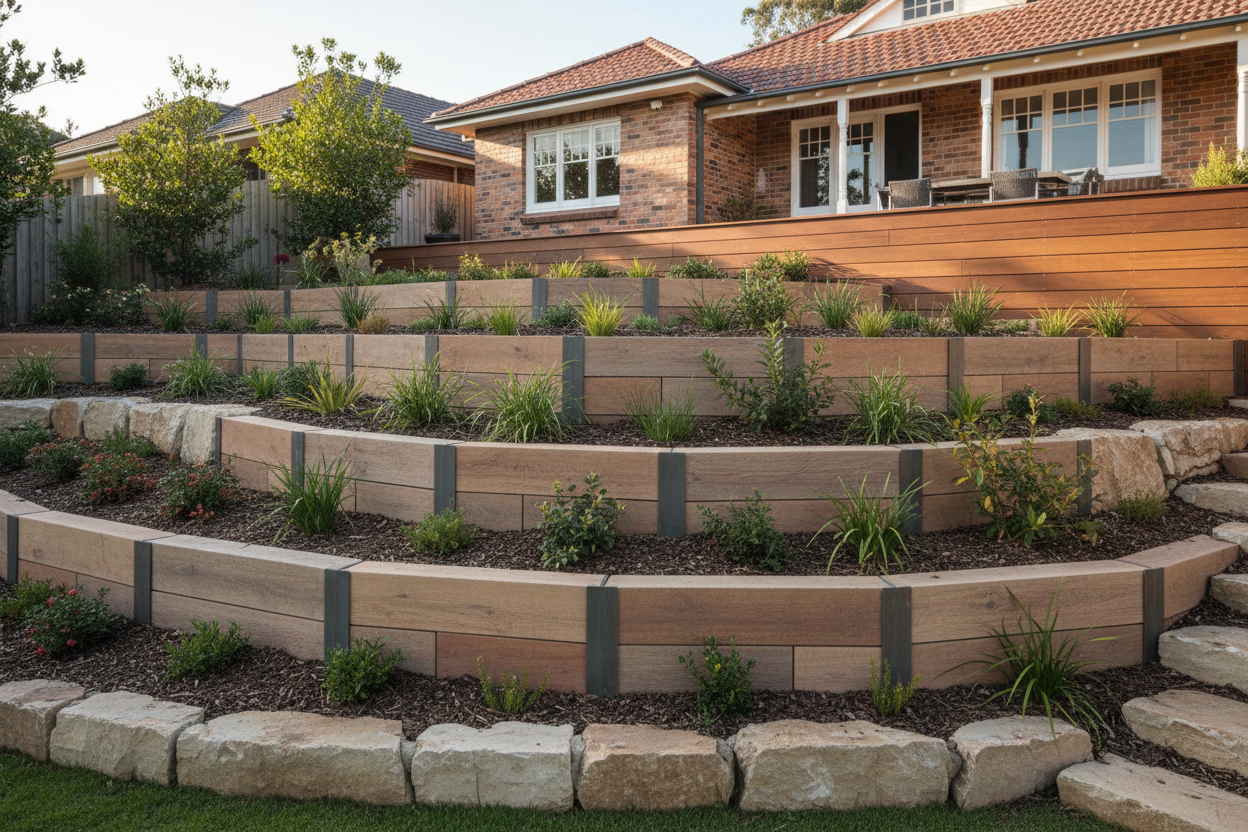
Retaining Walls Direct supplies concrete sleepers, galvanised steel H-beam posts, and drainage kits direct to Coffs Harbour and the Mid North Coast — delivered by crane truck to your site across Coffs Harbour, Sawtell, Toormina, Woolgoolga, Grafton, Bellingen, Nambucca Heads, Macksville, and surrounding areas. No depot markups, no middlemen — direct-to-site pricing with freight calculated at checkout.
With many years of hands-on retaining wall construction experience across Australia, we understand the Mid North Coast's demanding retaining wall environment. Coffs Harbour sits in one of Australia's highest rainfall zones — the city receives over 1,600mm of rainfall annually, with intense summer storms regularly delivering 100–200mm in a single event. The combination of high rainfall, steep hinterland terrain, and clay-rich basalt and shale soils creates retaining wall conditions that demand quality materials and correct drainage from the outset.
The Mid North Coast's geology is shaped by basalt volcanic flows, Clarence-Moreton Basin sedimentary rocks, and coastal alluvials:
40MPa sleepers are not recommended for Coffs Harbour retaining wall projects. Coffs Harbour's combination of over 1,600mm annual rainfall, basalt-derived clay soils, and intense summer storm events creates sustained hydrostatic pressure behind retaining walls that 40MPa concrete cannot resist over the long term. The Mid North Coast's high humidity also accelerates moisture ingress into lower-grade concrete. 50MPa's lower permeability is particularly important in this high-rainfall environment.
50MPa is the correct specification for all Coffs Harbour and Mid North Coast retaining wall projects. With over 1,600mm of annual rainfall — more than twice Sydney's average — Coffs Harbour's basalt clay soils are rarely fully dry. This persistent moisture creates year-round hydrostatic pressure behind retaining walls. Individual summer storm events regularly deliver 100–200mm in 24 hours, generating peak drainage loads that underdrained walls cannot handle. In many years of building retaining walls in high-rainfall coastal NSW, 50MPa with full drainage is the non-negotiable baseline for the Mid North Coast.
Use 50MPa for:
60MPa sleepers are specified for commercial retaining walls, heavy surcharge loads, and walls over 1.5m where an engineer has specified a higher-grade product. Contact our team for pricing and lead times.
Coffs Harbour's rainfall intensity is the defining drainage challenge for retaining walls on the Mid North Coast. Individual summer storm events regularly deliver 100–200mm in 24 hours — on basalt clay soils that are already near saturation from the preceding wet season. Every Coffs Harbour retaining wall must be designed for peak storm event drainage:
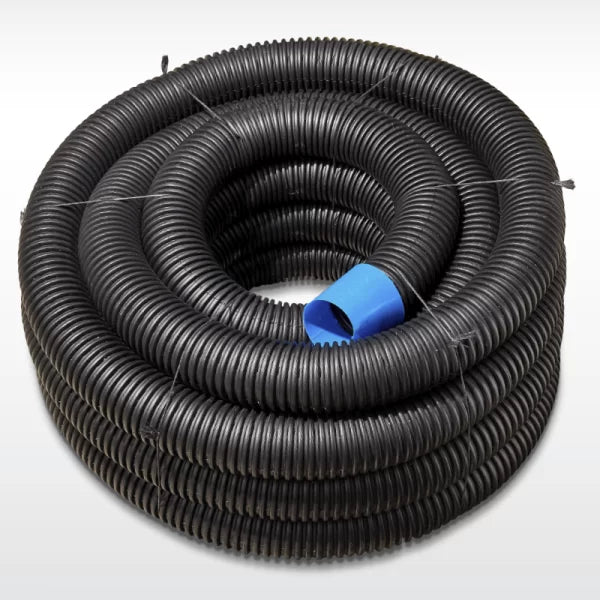
On hinterland sites near Bellingen and the Dorrigo Plateau, rainfall totals can exceed 2,000mm annually — drainage design must account for the full upslope catchment area. See our complete drainage kits and ag pipe range.
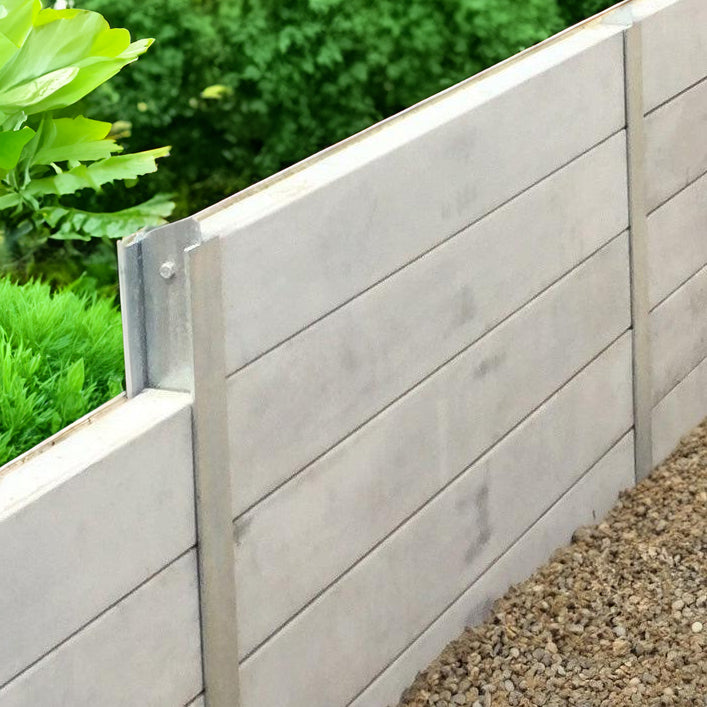
Concrete sleepers must be paired with correctly sized galvanised steel H-beam posts set in concrete footings. Coffs Harbour's high humidity and salt air — particularly within 2km of the coast — is one of the most aggressive corrosion environments in NSW for steel. All our posts are hot-dip galvanised to Australian standards.
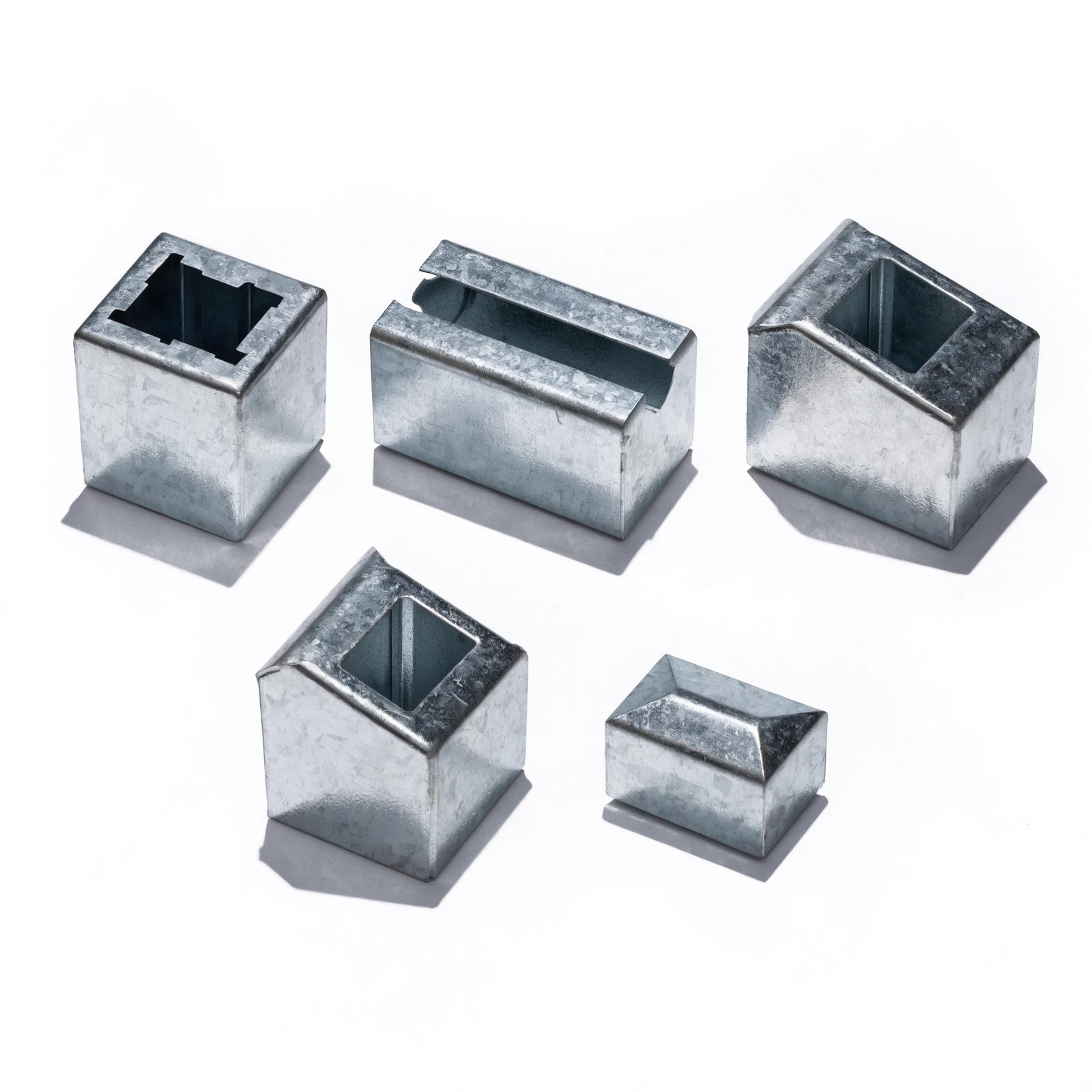
Browse our full galvanised steel H-beam post range or C-channel PFC posts for wall ends, corners, and returns.
In NSW, retaining wall approvals are governed by the Environmental Planning and Assessment Act 1979 (NSW) and the Exempt and Complying Development Codes:
Coffs Harbour falls under Coffs Harbour City Council. Bellingen falls under Bellingen Shire Council. Nambucca and Macksville fall under Nambucca Valley Council. Grafton falls under Clarence Valley Council. Always confirm flood overlay and riparian corridor requirements with your council before commencing work near waterways.
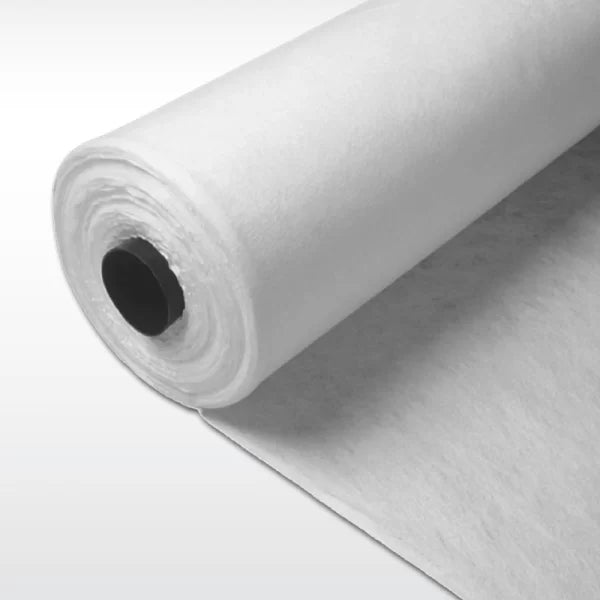
Coffs Harbour receives over 1,600mm of rainfall annually — more than twice Sydney's average and nearly three times Melbourne's. Individual summer storm events regularly deliver 100–200mm in 24 hours on basalt clay soils that are already near saturation. This combination of high annual rainfall and extreme storm intensity means retaining walls on the Mid North Coast face peak drainage loads that standard southern Australian drainage specs cannot handle. Weep holes at 900mm centres (vs 1.2m in southern cities), 400mm of drainage aggregate (vs 300mm), and geotextile fabric are the correct response to Coffs Harbour's rainfall environment.
Within 2km of the Coffs Harbour coastline, salt-laden air accelerates corrosion on steel at a rate significantly higher than inland sites. Hot-dip galvanising is the minimum standard for all coastal retaining wall posts — our posts are hot-dip galvanised to Australian standards. For walls within 500m of the ocean, inspect galvanising annually and consider additional protective coatings on exposed steel above the sleeper line. Never use ungalvanised or paint-only coated steel posts in coastal Coffs Harbour environments.
The Bellingen and Dorrigo hinterland receives some of the highest rainfall in NSW — Dorrigo averages over 2,000mm annually. On steep hinterland blocks, drainage must be designed for the full upslope catchment area, not just the soil immediately behind the wall. 50MPa sleepers with 200 Series posts, 400mm of drainage aggregate with geotextile fabric, dual ag pipe (base and mid-wall), and weep holes at 900mm centres are the correct specification for steep high-rainfall hinterland sites.
Yes — we deliver to Grafton, Maclean, Yamba, and surrounding Clarence Valley areas. Freight is calculated at checkout to your postcode. For bulk orders or trade accounts across the Mid North Coast and Clarence Valley, contact our team for a combined delivery quote.