







What Are Weep Holes in a Retaining Wall? Do You Need Them?
Quick answer
A weep hole is a small gap left in a retaining wall during construction, not something you buy. It lets water escape from behind the wall instead of building up pressure against it.
- Weep holes are a secondary drainage method — a backup, not the main system.
- The main drainage job is done by ag pipe and a drainage zone behind the wall.
- Most residential walls rely on ag pipe alone; weep holes suit specific wall types and site conditions.
Shop the Drainage Kits range — ag pipe, geotextile and everything a wall's actual drainage system needs.
If you've searched "weep holes retaining wall" hoping to find a product to order, here's the short version: there isn't one. A weep hole isn't a fitting, a pipe, or a kit — it's a gap, built into the wall itself while it's being constructed. This guide explains what that gap does, when it's used, and — just as importantly — what it doesn't replace.

What a weep hole is
A weep hole is a small opening left through the face of a retaining wall — commonly a gap between blocks, a short length of pipe cast or built into the wall, or a deliberate join left unmortared. Its only job is to give trapped water a way out.
To be clear about what this article is and isn't about:
- It's a construction detail, built in as the wall goes up — not a separate product you purchase and install afterward.
- It's specific to certain wall types — masonry, block, and some concrete walls can incorporate them directly into the face. A timber sleeper wall doesn't have "weep holes" in the same sense, since gaps between sleepers or posts serve a similar function differently.
- It's not a substitute for drainage behind the wall. A weep hole only works if there's somewhere for water to actually reach it — which is where ag pipe and a proper drainage zone come in.
If you're planning a wall's drainage system, the products doing the real work are ag pipe, drainage aggregate, and geotextile fabric — all in our Drainage Kits collection.
How weep holes relieve hydrostatic pressure
Retaining walls hold back soil, but soil isn't the only thing pushing on a wall. Water that collects behind it — from rain, irrigation, or groundwater — adds hydrostatic pressure on top of the soil load. Unlike soil pressure, water pressure builds up fast and unevenly, and a wall that's fine holding back dry soil can fail once that soil becomes saturated.

A weep hole gives that trapped water somewhere to go before the pressure builds to a damaging level. Water reaches the hole through the soil, or more effectively through a drainage zone that channels it there deliberately, and exits through the wall face rather than pushing against it.
On its own, though, a weep hole is a small, passive opening. It relieves pressure at the specific points where holes exist — it doesn't manage or redirect the broader flow of water behind the wall. That's a different job, done by a drainage system.
AS 4678 and weep holes as a drainage method
AS 4678 is the Australian Standard covering the design of earth-retaining structures, and drainage is treated as a core part of that design rather than an optional extra. The standard recognises weep holes as one legitimate drainage method among several — not the default, and not the only one.
In practice, engineers and designers choose a drainage approach based on the wall type, site conditions, and expected water load, and that approach commonly includes a subsurface drainage system (ag pipe, drainage aggregate, geotextile) as the primary method, with weep holes used as an additional or secondary path in walls where the construction method suits them.
This is worth understanding before you assume weep holes alone satisfy a wall's drainage requirements — for most residential retaining walls, they're one part of a broader drainage design, not the whole solution.
Weep holes are secondary, not primary drainage
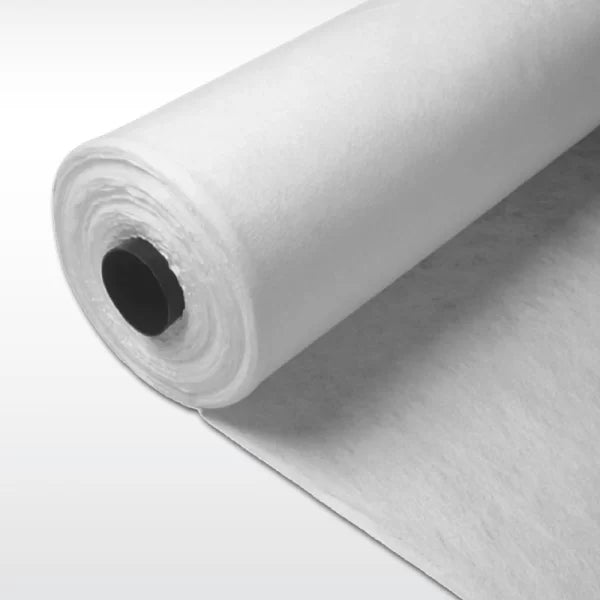
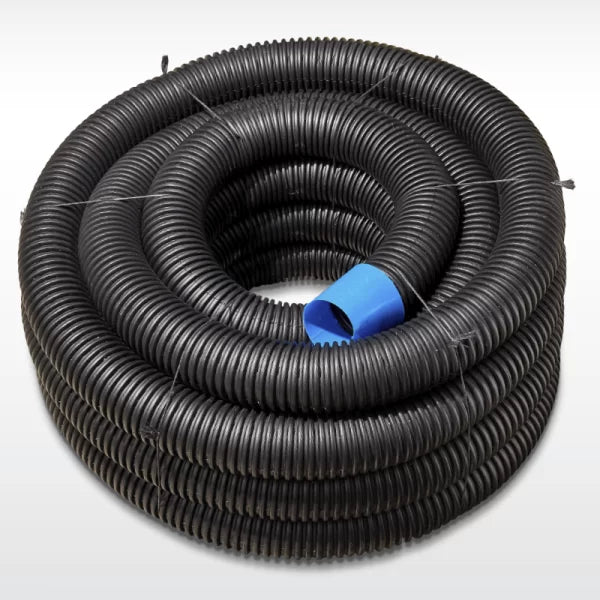
This is the point worth being direct about: weep holes are a backup, not the main event. The primary job of managing water behind a retaining wall falls to a proper subsurface drainage system — ag pipe laid at the base of the wall, wrapped in geotextile, surrounded by free-draining aggregate, running to a legal outlet.
Why the distinction matters:
- Ag pipe actively collects and channels water away along the full length of the wall, rather than relying on water finding its way to specific gap points.
- Weep holes only relieve pressure at their exact location. Water has to reach that specific spot in the wall to do any good — without a drainage zone directing it there, a weep hole can sit dry while pressure builds elsewhere.
- A wall built with weep holes but no ag pipe is relying on the soil itself to conduct water to the right spots, which is inconsistent and site-dependent at best.

Treat weep holes as an addition to a proper drainage system, not an alternative to one. For what a complete drainage system actually includes, see our retaining wall drainage and structural integrity guide.
When they're used vs when ag pipe alone is enough
Most residential timber sleeper and steel post retaining walls in Australia rely on ag pipe and a drainage zone as their complete drainage system, without needing weep holes at all — the wall construction method doesn't lend itself to building gaps into the face the way masonry or block walls do.
Weep holes tend to come into play on:
- Masonry, block, and some poured concrete walls, where a gap can be built directly into the face during construction.
- Walls where the engineer or designer has specifically included them as part of the drainage design — commonly on taller or more heavily loaded walls where extra pressure relief is worthwhile.
- Sites with consistently high water tables or heavy seasonal water flow, where a single drainage method benefits from a backup.
If you're building a standard residential timber sleeper wall, ag pipe and correct backfill are almost always the right starting point — see our backfill guide for how that system goes together. If your wall design calls for weep holes specifically, that's a decision for your engineer or designer based on the wall type and site — this article explains what they do, not whether your particular wall needs them.
Ready to plan your wall's actual drainage system? Shop Drainage Kits for ag pipe, geotextile and everything else the job needs.
FAQs
Can I buy weep holes?
No — a weep hole isn't a product. It's a gap built into a wall during construction. The products that do the actual drainage work are ag pipe, geotextile and drainage aggregate, available in our Drainage Kits collection.
Do all retaining walls need weep holes?
No. Most residential timber sleeper and steel post walls rely on ag pipe and a drainage zone without weep holes. They're more commonly used on masonry or block walls, or where a designer specifically includes them for extra pressure relief.
Are weep holes a replacement for ag pipe?
No. Weep holes are a secondary, backup method. Ag pipe and a proper drainage zone are the primary system for managing water behind a retaining wall.
Does AS 4678 require weep holes?
AS 4678 recognises weep holes as one acceptable drainage method among several, not a mandatory feature of every wall. The right drainage approach depends on the wall type, site conditions and design.
Leave a comment (all fields required)