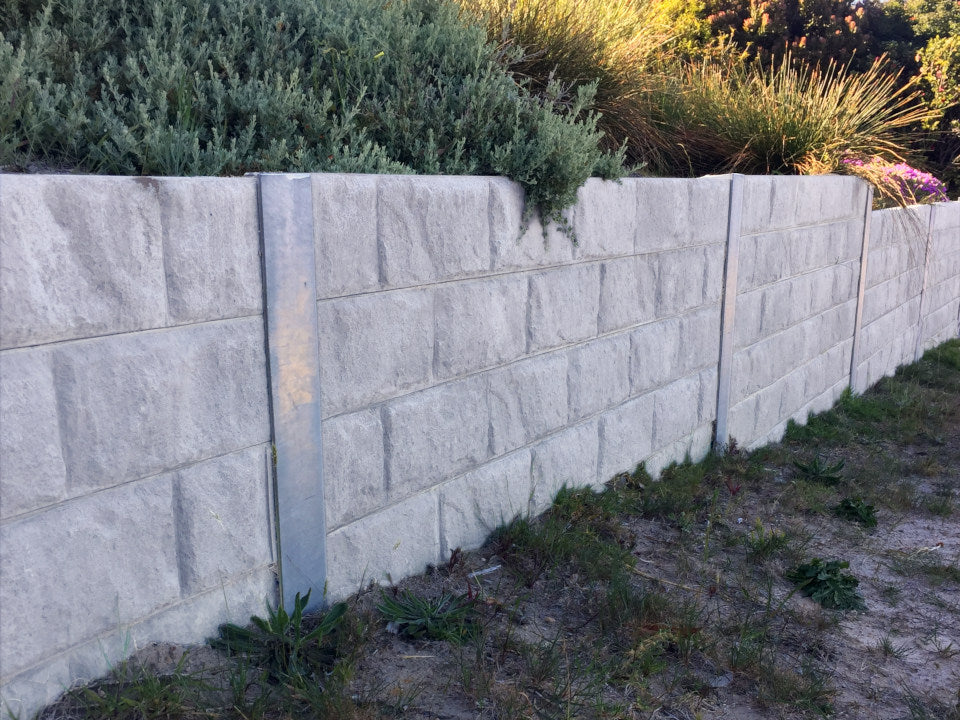
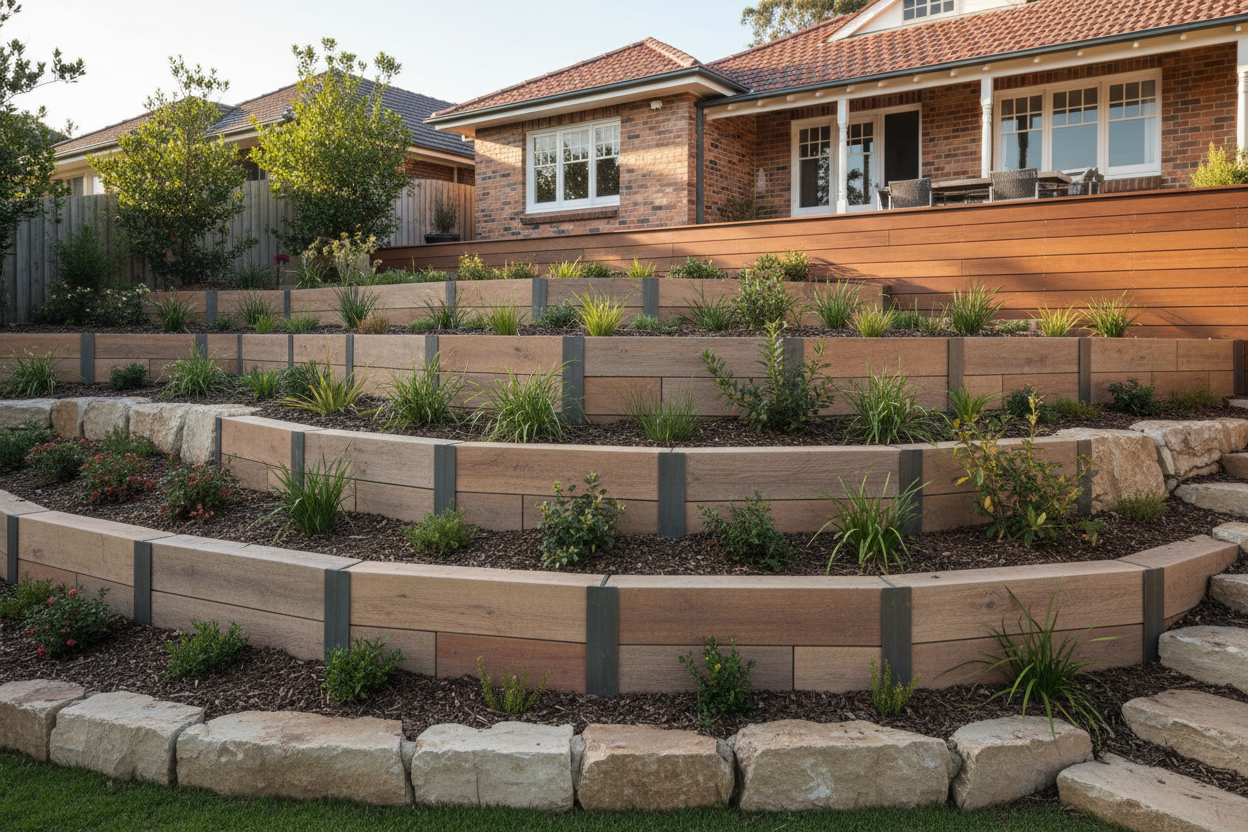
Retaining Walls Direct supplies concrete sleepers, galvanised steel posts, and drainage kits direct to Adelaide and South Australia — crane truck delivery to your site across the Northern Suburbs, Southern Suburbs, Adelaide Hills, Barossa Valley, Fleurieu Peninsula, and surrounding regions. No depot markups, no middlemen — direct-to-site pricing with freight calculated to your postcode before you pay.
Adelaide is built on the Adelaide Plains — a narrow coastal plain between Gulf St Vincent and the Mount Lofty Ranges — with geology that transitions sharply from reactive clay in the north and south to steep Hills Face Zone terrain in the east. This contrast means retaining wall specification varies significantly by suburb. Getting the concrete grade, post series and drainage design right for your specific location is critical. Use the retaining wall calculator to size your wall, or read the full Adelaide retaining walls overview for local guidance.
Get a delivered price to your Adelaide suburb
Quote your Adelaide retaining wall project
Send your wall dimensions, postcode and site access details and we'll respond within one business day with a full delivered price — sleepers, posts, drainage and hardware.
Get a Free Quote → 📞 1800 880 124Adelaide's geology is shaped by Adelaide Plains alluvials, the Hills Face Zone escarpment, and the reactive clay soils of the northern and southern growth corridors. Soil reactivity drives concrete grade selection and post series selection more than any other factor on Adelaide sites.
40MPa sleepers are not recommended for Adelaide retaining wall projects. Adelaide's northern and southern plains soils are Class H1 to H2 reactive, and Adelaide's Mediterranean climate — hot dry summers averaging only 550mm of annual rainfall with the majority falling between May and September — drives significant shrink-swell cycling. During Adelaide's long dry summers, reactive clay soils shrink and crack to depths of 300–500mm. When winter rain arrives in May–June, those cracked soils absorb water rapidly and expand with significant lateral force. 40MPa concrete does not provide adequate long-term structural performance under these conditions.
50MPa is the standard specification for all Adelaide retaining wall projects. The higher compressive strength provides the bending resistance required to handle the lateral pressures generated by Adelaide's reactive clay soils through repeated seasonal shrink-swell cycles. Use 50MPa for:
60MPa sleepers are specified for commercial retaining walls, walls carrying heavy vehicle or crane surcharge loads, and walls over 1.5m where a structural engineer has specified a higher-grade product. 60MPa is 50% stronger in compression than standard 40MPa and provides maximum performance in the most demanding Adelaide applications.
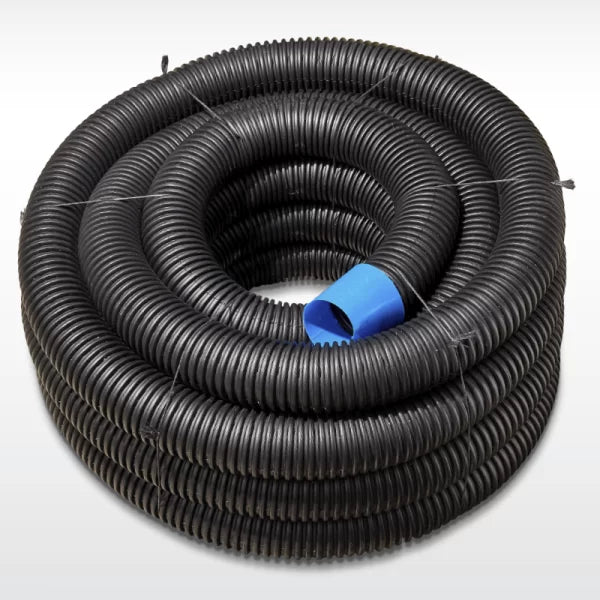
Adelaide's Mediterranean climate creates a specific drainage challenge — soils that have been dry and cracked for five to six months suddenly receive sustained winter rainfall. On reactive clay soils in the northern and southern plains, this rapid transition from dry to saturated generates hydrostatic pressure that builds quickly behind underdrained walls. Hydrostatic pressure is the leading cause of retaining wall failure in SA.
Every Adelaide retaining wall must include:
On Hills Face Zone sites, drainage must be designed to handle concentrated runoff from upslope catchment areas — the drainage zone may need to be wider and the ag pipe larger than a standard flat-site specification. See our complete Adelaide retaining wall drainage guide and browse drainage kits and ag pipe.
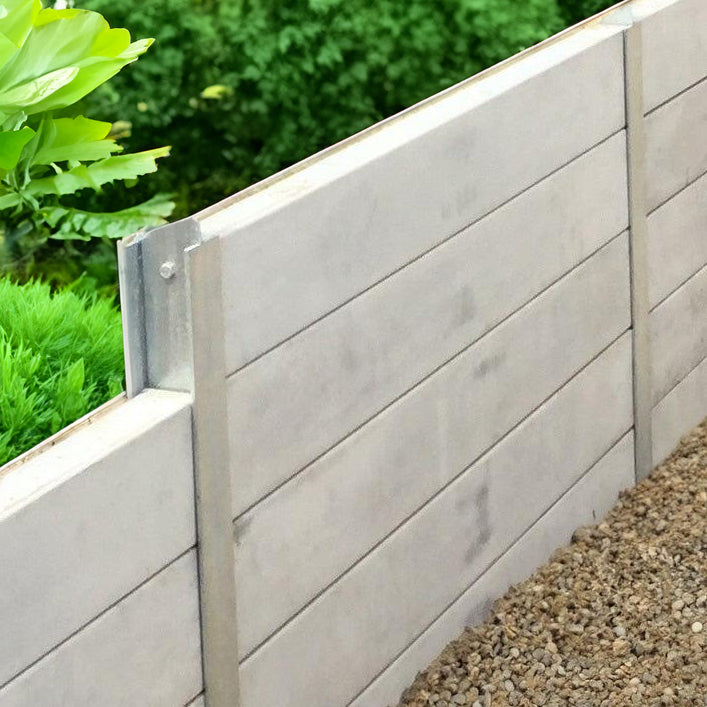
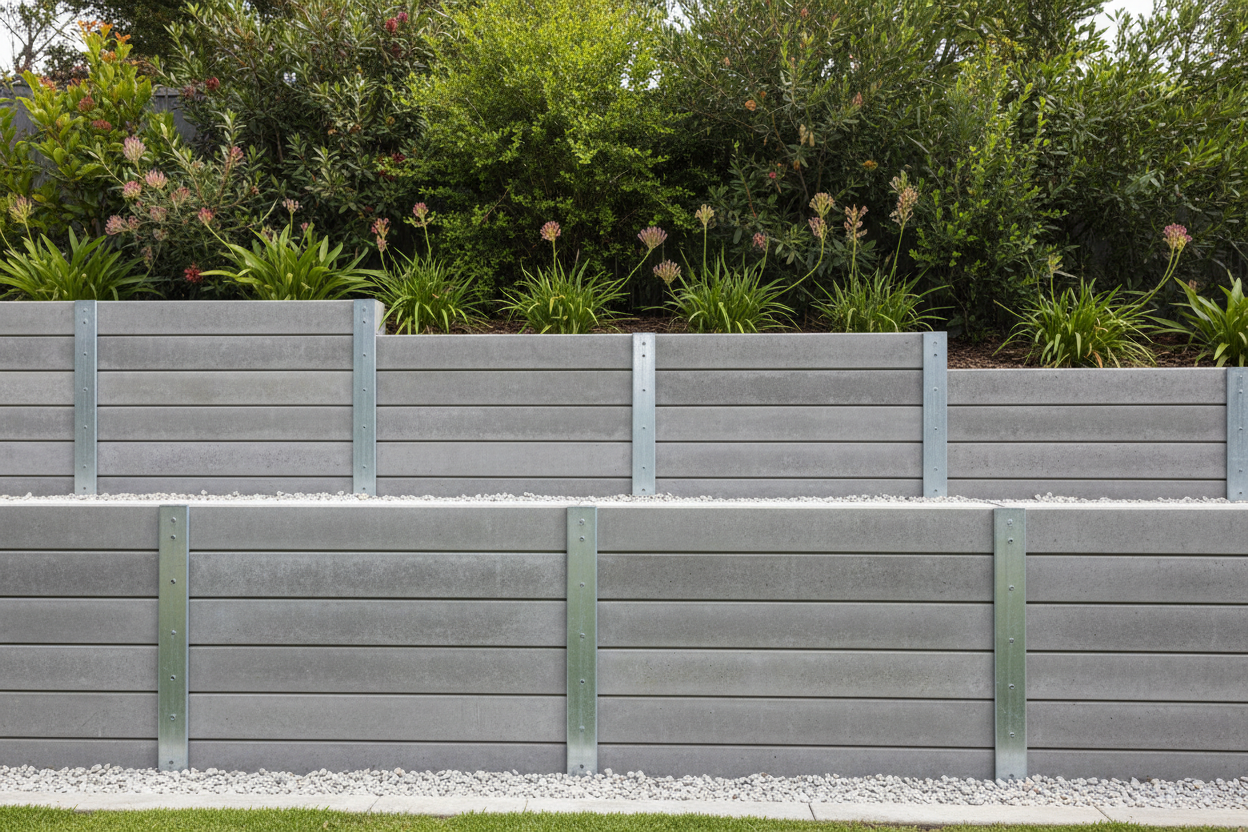
Concrete sleepers must be paired with correctly sized galvanised steel posts set in concrete footings. On Adelaide's reactive clay sites, posts must penetrate through the reactive clay layer and into stable subsoil to prevent seasonal movement lifting or rotating the post. See the steel post sizing guide for the full embedment depth and footing specification by soil class and wall height.
| Post series | Wall height | Adelaide application | Min. embedment |
|---|---|---|---|
| 100 Series H-beam | Up to 600mm | Low-reactivity coastal Glenelg / Henley Beach sandy sites only | 600mm |
| 150 Series H-beam | 600mm–1.0m | Inner Adelaide Class H1, Fleurieu Peninsula | 750–900mm |
| 200 Series H-beam | Over 1.0m, or any reactive clay site | All northern and southern plains, Hills Face Zone, Barossa, engineer-specified | 900mm–1.2m+ |
All posts are hot-dip galvanised to AS/NZS 4680. Use C-channel PFC posts for wall ends, corners and returns. For walls over 1.0m on reactive clay, post sizing and footing specification must be confirmed by a structural engineer.
In South Australia, retaining wall approvals are governed by the Planning, Development and Infrastructure Act 2016 and the Planning and Design Code (which replaced the Development Plan system in 2021):
Key councils and planning portals: City of Adelaide · City of Salisbury · City of Onkaparinga · Adelaide Hills Council
For contractor licensing requirements in SA, contact Consumer and Business Services SA (CBS). For the full SA permit pathway, thresholds, tiered wall rules and Hills Face Zone guidance, see our SA retaining wall regulations guide.
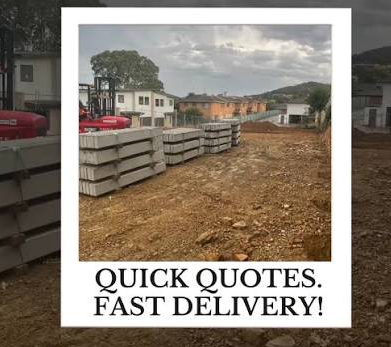
We deliver concrete sleepers, steel posts, drainage kits and hardware by crane truck (Hiab) to:
Freight is calculated to your postcode at checkout before payment is processed. For remote regional SA deliveries, request a quote to confirm crane access and lead times. Most Adelaide metro orders are delivered within 3–5 business days.
Adelaide's soils are predominantly Class H1 to H2 reactive under AS 2870-2011. During Adelaide's long dry summers, reactive clay soils shrink and crack to depths of 300–500mm. When winter rain arrives in May–June, those cracked soils absorb water rapidly and expand with significant lateral force. This annual shrink-swell cycle generates pressures that 40MPa concrete is not specified to handle over the long term. 50MPa provides the bending resistance and compressive strength needed to perform in Adelaide's reactive soil conditions across decades of seasonal cycling.
The Hills Face Zone covers the steep escarpment between the Adelaide Plains and the Mount Lofty Ranges. Retaining walls here face steep terrain that concentrates upslope water runoff, weathered slate and phyllite-derived clay soils that are Class H1 reactive, and specific planning restrictions that may require additional earthworks approvals. Drainage on Hills Face Zone sites must be designed to handle concentrated catchment runoff — standard flat-site drainage specifications are often insufficient. For any wall over 1.0m in the Hills Face Zone, engage a structural engineer and confirm earthworks planning requirements with your council before ordering materials.
On Adelaide's reactive clay soils, posts must penetrate through the reactive clay layer and into stable subsoil. As a guide: 700–900mm minimum embedment for walls up to 1.0m; 1.0m–1.2m for taller walls. All footings must be filled with minimum N20 concrete mix and cured for at least 48 hours before sleepers are installed. For sites in northern Adelaide Class H2 soils, embedment depths must be confirmed by a structural engineer — the reactive clay layer can extend to 600mm–800mm below surface, and posts that terminate within the reactive layer will move seasonally. See the steel post sizing guide for the full embedment table by soil class and wall height.
In SA, walls under 1.0m are generally exempt from development approval on standard residential sites, but Hills Face Zone, flood plain and other overlay properties may require approval at lower heights. Walls between 1.0m and 2.0m require development approval and engineering certification. Walls over 2.0m require approval and a licensed building work contractor. Always check your property's zone and overlays on the SA Planning Portal and confirm with your council before starting. Full detail in the SA regulations guide.
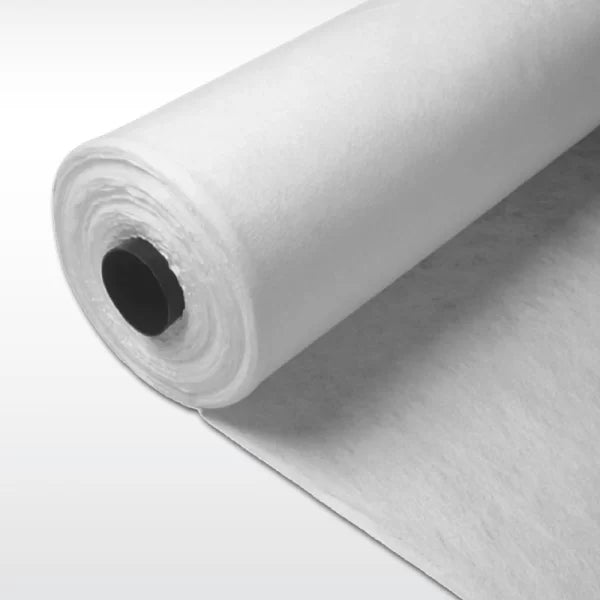
Never backfill with native clay directly against the sleepers or within the drainage zone. Use a minimum 300–400mm wide zone of 20mm clean crushed rock (not crusher dust) behind the wall face, with geotextile fabric separating the aggregate from the retained clay. On northern Adelaide Class H2 sites, increase the drainage aggregate zone to 400mm minimum. See the backfill guide for the full SA specification.
Yes — we deliver to the Barossa Valley, McLaren Vale, Victor Harbor, Goolwa, and surrounding regional SA areas. Freight is calculated to your postcode at checkout. For remote regional SA deliveries, request a quote to confirm crane access and lead times before ordering.
Yes. Trade and bulk pricing is available for landscapers, builders and civil contractors across SA. Open a trade account for trade rates, volume pricing and priority dispatch to Adelaide and regional SA.
For walls over 1.0m, near property boundaries, in the Hills Face Zone, or subject to surcharge loads, always engage a qualified structural engineer and confirm development approval requirements with your local council before ordering materials or commencing construction.
Wall planner
Set your wall dimensions and site conditions to get a materials list you can take to a quote.
Recommended sleeper
40MPa
Standard soil, garden loading, under 1 m.
Send this spec for a delivered price
All figures calculated above are sent with your request, no need to re-enter your measurements.
Sleeper sizes shown are post-centre spacings; the physical sleeper is approximately 10–15mm shorter so it seats into the post channel. Quantities are an estimate for budgeting and do not include waste, cuts or stepping on sloped sites. Post profile, footing diameter and reinforcement must be confirmed by a qualified structural engineer. Walls over 1 m, near a boundary, or carrying surcharge require engineering design under AS 4678:2002 and may require council approval.
Quick reference
Post profile and series depend on wall height, soil conditions and surcharge load. This is a starting reference, not an engineering specification.
| Wall height | Standard soil | Reactive clay / vehicle load |
|---|---|---|
| Up to 0.6 m | 100 Series C-channel | 100 Series H-beam |
| 0.6 m – 1.0 m | 100 Series H-beam | 150 Series H-beam |
| 1.0 m – 1.5 m | 150 Series H-beam | 200 Series H-beam, engineer required |
| Over 1.5 m | Engineer-specified, council approval likely required | |
Post embedment is typically one third of the total post length below ground, increasing on reactive clay or where surcharge loads apply. Walls over 1 m generally require engineering certification and may require council approval regardless of post size.
Read the full sizing guide →