








Weep Holes vs Ag Pipe: Do You Need Both?
Quick answer
They're not alternatives — ag pipe is the primary drainage system, weep holes are an optional backup. Most residential walls need ag pipe; not all need weep holes too.
- Ag pipe actively collects and channels water away along the full wall — the main job.
- Weep holes relieve pressure at specific points in the wall face — a secondary backup, mainly on masonry and block walls.
- A complete drainage system is built around ag pipe; weep holes are added on top when the wall type and design call for them.
Shop the full Drainage Kits range — ag pipe, geotextile and drainage aggregate.

"Weep holes or ag pipe" is a bit of a false choice — they're not two options doing the same job. One is the drainage system; the other is a backup feature some wall types can build into the face. Here's how each actually works, and what a wall genuinely needs.
What ag pipe does (primary drainage)
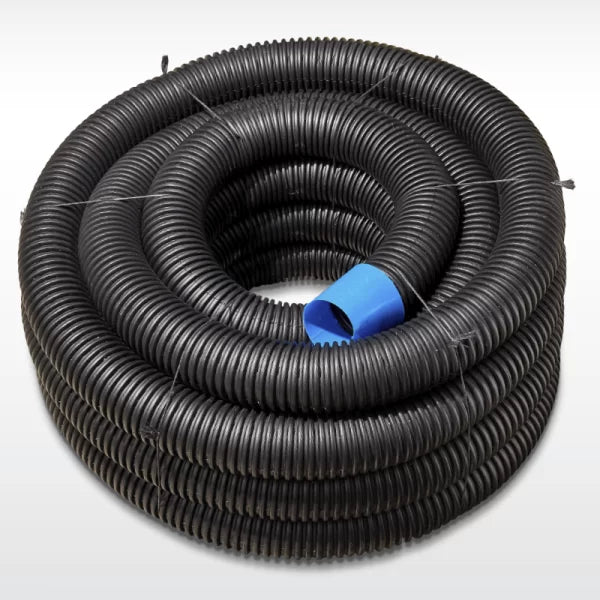
Ag pipe — short for agricultural pipe — is a perforated pipe laid along the base of a retaining wall, behind the wall face, as the core of the drainage system. Water in the soil enters through the perforations and is channelled along the pipe to a proper outlet, away from the wall.

Ag pipe is the primary drainage method for most residential retaining walls because it:
- Runs the full length of the wall, actively collecting water along the entire run rather than at isolated points.
- Works in combination with a drainage zone — free-draining aggregate and geotextile fabric — that channels water to the pipe efficiently rather than relying on the surrounding soil alone.
- Applies to every wall type — timber sleeper, steel post, masonry, block — where a weep hole's face-gap approach doesn't suit every construction method.
For most walls, ag pipe and correct drainage backfill are the whole drainage story. See our backfill guide for how the drainage zone goes together around the pipe.
What weep holes do (secondary/backup)
A weep hole is a small gap built into the face of the wall itself — not a pipe, not something installed separately, but a deliberate opening left during construction. It relieves water pressure at that specific point by giving trapped water a direct path out through the wall face.
Unlike ag pipe, weep holes:
- Only work at their specific location — water has to actually reach that spot to do any good.
- Suit masonry, block, and some concrete walls where a gap can be built into the face — not every wall construction method allows for this.
- Are typically added as a supplement to a wall's existing drainage system, not built as a standalone solution.
For the full detail on how weep holes function and when they're used, see our weep holes explained guide.
Why most walls need both, not one or the other
The "both" framing only really applies to wall types that can incorporate weep holes at all — for a masonry or block wall on a site with meaningful water load, ag pipe as the primary system plus weep holes as a backup is a sound combination, each covering a gap the other doesn't.
For most residential timber sleeper and steel post walls, though, the practical answer is simpler: ag pipe and a correctly built drainage zone, without weep holes, because the wall construction method doesn't lend itself to building gaps into a timber or steel post face the way it does with masonry.
What determines whether your wall needs one or both:
- Wall material. Masonry and block walls can incorporate weep holes directly; timber sleeper and steel post walls generally can't in the same way.
- Water load on site. High groundwater, poor natural drainage, or heavy seasonal flow makes a backup system more worthwhile.
- Wall height and engineering design. Taller or engineered walls are more likely to specify weep holes as part of a considered drainage design, rather than it being a default add-on.
If you're unsure which applies to your project, that's a call for your engineer or designer based on the wall type and site conditions — not a general rule this article can settle for every wall.
What a complete drainage system includes
Regardless of whether weep holes are part of the picture, a proper retaining wall drainage system is built from the same core components:
- Ag pipe — laid along the base of the wall to collect and channel water to a legal outlet.
- Drainage aggregate — free-draining material placed around the pipe and behind the wall, letting water move freely to the pipe rather than pooling in dense backfill.
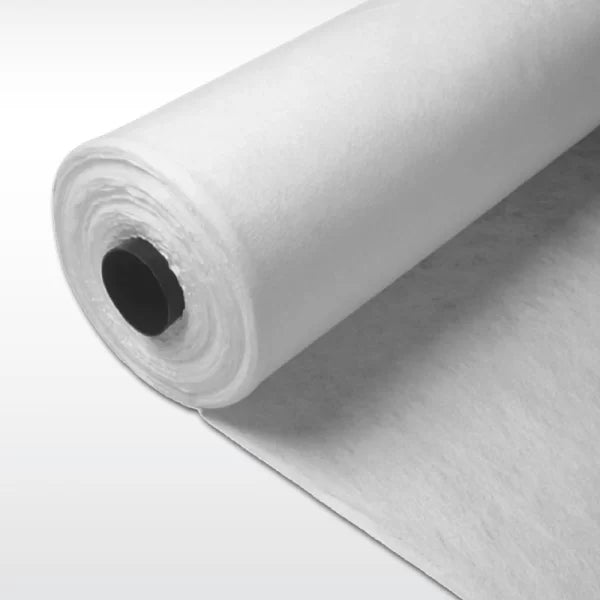
- Geotextile fabric — separates the drainage aggregate from the surrounding soil, stopping fine particles from washing in and clogging the system over time.
- A legal, functioning outlet — the pipe needs somewhere to actually discharge to, not just somewhere to run.
- Weep holes, where applicable — an additional backup for suitable wall types and higher-water-load sites, on top of the above, not instead of it.

Skipping any one of these weakens the whole system — a weep hole with no drainage zone feeding it, or ag pipe with no aggregate around it, both underperform what a correctly assembled system delivers.
Shop the full drainage range
Whatever your wall type and site conditions call for, the products that actually build a working drainage system — ag pipe, geotextile, and drainage aggregate — are all in one place.
Leave a comment (all fields required)