








A retaining wall that is leaning, bowing, or visibly moving is a structural problem that needs to be addressed promptly. A wall that is beginning to move will continue to move — and the rate of movement typically accelerates as the wall's structural capacity is progressively exceeded. Early intervention is almost always cheaper and safer than waiting for full failure.
This guide covers the common causes of retaining wall movement, how to assess the severity of the problem, and what your options are for repair or replacement.
Stop and Assess Before Doing Anything
Before attempting any repair, assess the situation carefully:
- How much movement has occurred? A wall that has moved 10–20mm out of plumb is a different situation from a wall that has moved 100mm or is on the verge of collapse.
- Is the movement ongoing? A wall that moved during a specific event (a major storm, a burst pipe, a heavy vehicle) and has since stabilised is different from a wall that is continuing to move.
- Is there an immediate safety risk? A wall that is close to collapse, or that is retaining soil above a structure, vehicle, or area where people are present, is an immediate safety issue. Restrict access to the area and contact a structural engineer or retaining wall specialist immediately.
For any wall showing significant movement, contact a licensed structural engineer or retaining wall specialist for an assessment before attempting repairs. Do not attempt to push a leaning wall back into position without professional advice — this can trigger sudden failure.
Common Causes of Retaining Wall Movement
Inadequate Drainage
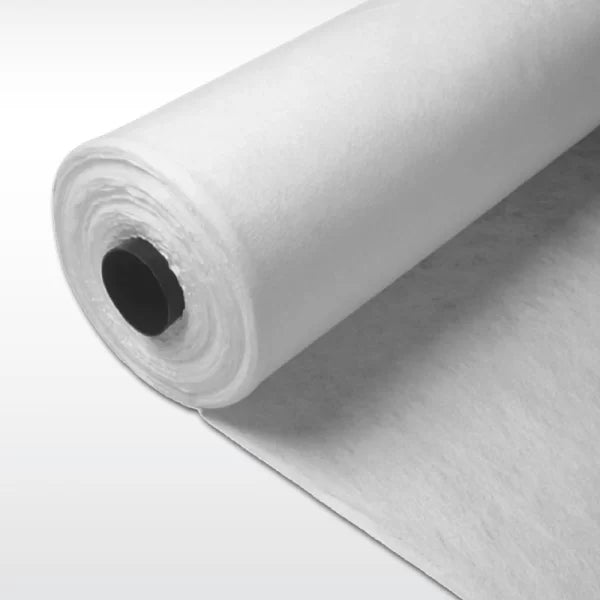
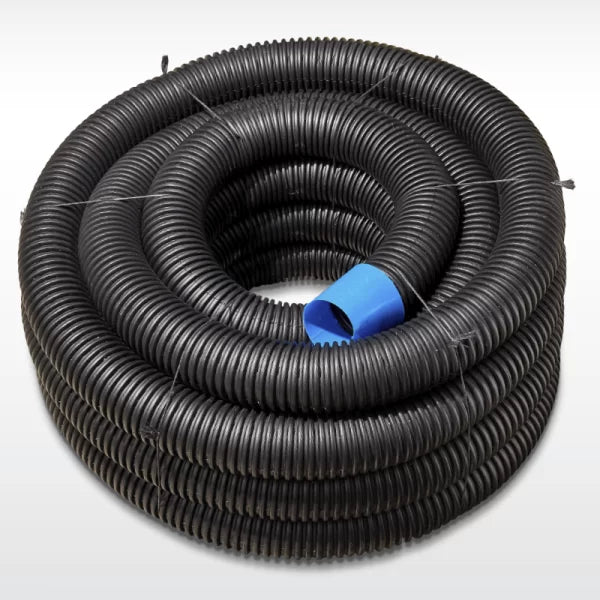
The most common cause of retaining wall failure. When water builds up behind the wall (hydrostatic pressure), it adds to the lateral load on the wall. If the wall was not designed for this additional load, or if the drainage system has failed or was never installed, the wall will eventually move. Signs: weep holes not draining, water seeping through the wall face, soil saturation above the wall. See our guide on retaining wall drainage and geotextile fabric.
Underspecified Posts
Posts that are too small for the wall height, soil conditions, or surcharge loads will deflect under load. C-channel posts used where H-beam posts were required, or posts at too wide a spacing, are common causes of wall movement in clay soils or for walls over 1.0m. See our guides on post spacing and choosing between C-channel and H-beam posts.
Inadequate Footing Depth
Posts that are not embedded deeply enough will rotate under lateral load, causing the wall to lean outward at the top. This is particularly common in heavy clay soils where the soil provides less lateral resistance than sandy soils. See our guide on retaining wall footing depth.
Surcharge Loads
A driveway, vehicle, or structure above the wall that was not accounted for in the original design. The additional surcharge load exceeds the wall's design capacity and causes movement.
Soil Changes
Changes in soil conditions since the wall was built — increased moisture from a burst pipe, changed drainage patterns, tree root intrusion, or soil disturbance from nearby excavation — can increase the load on the wall beyond its original design capacity.
Original Construction Defects
Poor original construction: posts not plumb, footings not deep enough, no drainage, wrong post type, or inadequate concrete in footings. These defects may not cause immediate problems but will manifest over time as the wall is subjected to repeated wet-dry cycles and load variations.
Assessing the Severity
Minor Movement (under 20mm out of plumb)
The wall has moved slightly but is not in immediate danger of collapse. The cause should be identified and addressed before the movement progresses. Common causes: drainage blockage, minor footing movement. Options: improve drainage, monitor the wall, consult a structural engineer.
Moderate Movement (20–50mm out of plumb)
The wall has moved significantly. The structural capacity of the wall is being exceeded. Professional assessment is required. Repair may be possible, but replacement is often the more practical and cost-effective solution.
Severe Movement (over 50mm out of plumb, or ongoing movement)
The wall is failing. Restrict access to the area. Contact a structural engineer immediately. Replacement is almost certainly required.
Repair Options
Improve Drainage
If the cause of movement is drainage failure (blocked weep holes, silted ag pipe, no drainage system), improving drainage can stop further movement and allow the wall to stabilise. This is only appropriate for walls with minor movement where the structural elements (posts, footings) are still sound. Retrofitting drainage to a completed wall typically requires partial demolition to access the drainage zone.
Post Reinforcement
In some cases, additional posts can be installed alongside existing posts to increase the wall's structural capacity. This is a specialist repair that requires engineering assessment to confirm it is appropriate for the specific wall and soil conditions.
Tie-Back Anchors
Tie-back anchors (ground anchors or deadman anchors) can be installed through the wall and into the retained soil to provide additional resistance to wall movement. This is a specialist repair technique used for walls that cannot be easily replaced (e.g., walls adjacent to structures or paving). Requires engineering design and specialist installation.
Full Replacement
For walls with moderate to severe movement, or walls where the original construction was fundamentally inadequate, full replacement is usually the most practical and cost-effective solution. Replacement allows the drainage, footings, and post specification to be corrected at the same time. See our guide on replacing a failed retaining wall.
Timber vs Concrete Sleeper Walls — Different Failure Modes
Timber Sleeper Walls
Timber walls typically fail through rot at the post base and sleeper base — the structural capacity of the timber degrades progressively until the wall can no longer resist the lateral load. Movement is often gradual and may not be obvious until the wall is significantly compromised. If the timber is rotting at the base, replacement is required — repair is not practical.
Concrete Sleeper Walls
Concrete sleeper walls typically fail through post movement (footing failure or post overload) rather than material degradation. The sleepers themselves rarely fail structurally. If the posts are moving but the sleepers are intact, it may be possible to repair the wall by addressing the post and footing issues. If the posts have failed completely, replacement is required.
When to Call a Professional
Contact a licensed structural engineer or retaining wall specialist when:
- The wall has moved more than 20–30mm out of plumb
- Movement is ongoing
- There is an immediate safety risk (wall near collapse, retaining soil above structures or people)
- The wall is adjacent to a structure, boundary, or driveway
- You are unsure about the cause of movement or the appropriate repair
Frequently Asked Questions
Can a leaning retaining wall be pushed back into position?
Do not attempt to push a leaning retaining wall back into position without professional advice. Pushing a wall that has moved can trigger sudden failure if the wall's structural capacity has been compromised. Have the wall assessed by a structural engineer before attempting any corrective action.
Is it cheaper to repair or replace a failing retaining wall?
For walls with minor movement and a repairable cause (drainage blockage, minor footing movement), repair can be cost-effective. For walls with moderate to severe movement, or walls with fundamental construction defects, replacement is usually cheaper in the long run than repeated repairs. A structural engineer can advise on the most cost-effective approach for your specific wall.
How long does it take for a retaining wall to fail after it starts moving?
This varies significantly depending on the cause of movement, the soil conditions, and the rainfall. A wall that has moved due to a single event (a major storm) and has since stabilised may remain stable for years. A wall that is continuing to move due to ongoing drainage failure or overload will typically continue to deteriorate, with the rate of movement accelerating as the structural capacity is progressively exceeded.
Need Help with a Failing Wall?
If your retaining wall is showing signs of movement, contact our team to discuss your options. We can help you assess whether repair or replacement is the right approach, and confirm the correct specification for a replacement wall. Browse our full range of concrete sleepers and C-channel posts and H-beam posts for replacement projects.
Ready to get started?
Get a free delivered quote for concrete sleepers, steel posts and retaining wall materials — delivered Australia-wide.
Leave a comment (all fields required)