








Drainage is the single most important factor in the long-term performance of a retaining wall. More retaining walls fail because of inadequate drainage than for any other reason, including wrong post size, inadequate footings, or poor construction. And unlike a post that's too small or a footing too shallow, drainage failure is almost always preventable.
This guide explains why drainage matters, what a correctly installed system looks like, and the most common mistakes that cause walls to fail prematurely. If you're ready to order, browse our retaining wall drainage kits for ag pipe, geotextile fabric, and weep holes in one order. For the full build walkthrough, see how to build a concrete sleeper retaining wall.
Before starting, confirm your local retaining wall permit requirements. Most Australian councils require drainage behind walls over 600mm as a condition of approval.
Why retaining walls need drainage
When it rains, water infiltrates the soil behind a retaining wall. In well-drained sandy soils it moves through quickly. In clay soils, which underlie a large proportion of Australian residential land, water moves slowly and the soil holds moisture for extended periods.
As saturated soil builds up behind the wall, it creates hydrostatic pressure: the pressure of water pushing outward against the wall face. This is in addition to the lateral earth pressure the wall already resists from the weight of retained soil. In heavy clay after significant rainfall, the combined load can exceed what a well-specified wall was designed to carry, particularly if drainage was omitted or has silted up over time.
The solution is to give water a controlled path out before it can accumulate. That is what a drainage system does. Learn more about how soil type affects your retaining wall and why clay sites need more robust drainage than sandy sites.
The four components of a correct drainage system
1. Geotextile filter fabric
Geotextile filter fabric is the component most often omitted, and its absence causes more drainage system failures than any other single mistake.
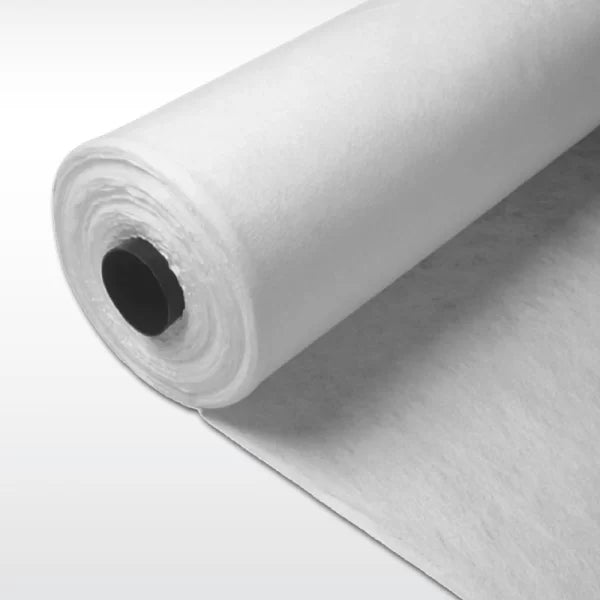
Geotextile fabric is laid against the excavated soil face before the drainage aggregate is placed. It allows water to pass through freely while preventing fine soil particles from migrating into the drainage gravel. Without it, soil particles gradually wash into the aggregate and block it. Once silted up, the drainage zone stops working even though a drainage system was physically installed. This failure mode takes years to develop, which is why drainage failures often appear long after the wall was built and the builder has moved on.
Lay geotextile fabric up the full height of the drainage zone and fold it over the top of the drainage aggregate before backfilling with soil above. Browse our geotextile fabric range.
2. Drainage aggregate
The drainage zone (the first 300 to 500mm behind the sleepers) must be filled with clean 20mm single-sized crushed rock. Not soil. Not clay. Not crusher dust.
Single-sized aggregate has high void content and excellent permeability, allowing water to move freely downward to the ag pipe. Gap-graded or mixed aggregate packs tighter and drains more slowly. Crusher dust compacts into a near-impermeable layer and provides no drainage. Source drainage aggregate locally from a landscape or building supply yard and specify 20mm single-sized crushed rock or blue metal.
The drainage zone should be 300mm minimum for standard sites and 400 to 500mm for reactive clay sites or high-rainfall areas. Never compact the drainage aggregate because compaction reduces void content and permeability, defeating its purpose.
3. Agricultural pipe (ag pipe)
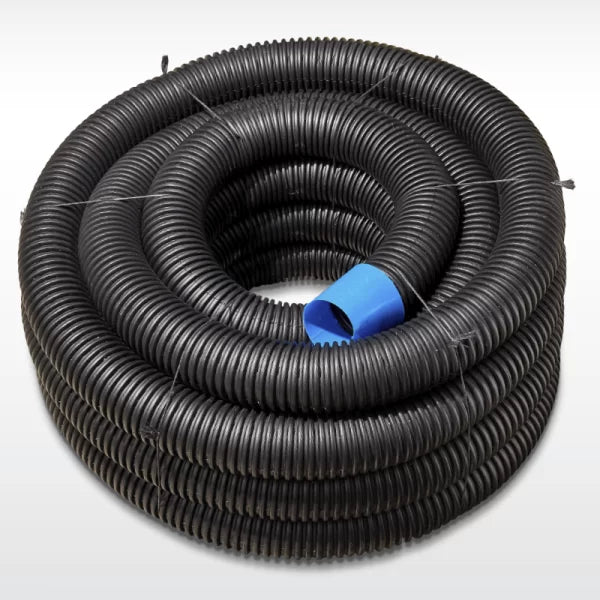
Slotted ag pipe laid at the base of the wall collects water from the drainage aggregate and carries it to a discharge point. Without a fall and a legal outlet, the pipe fills and stops working.
Key requirements for correct ag pipe installation:
- Diameter: 100mm is standard for most residential walls. For long walls over 20 to 30m, high-rainfall sites, or large upslope catchment areas, confirm pipe sizing with a drainage or hydraulic consultant. See the complete ag pipe guide.
- Wrapping: The pipe must be wrapped in geotextile sock (filter sock) to prevent silt entering and blocking the pipe over time. Most ag pipe is available pre-wrapped.
- Fall: Minimum 1:100 (1cm per metre) continuous fall to the outlet. No flat sections, no low points where water pools.
- Slots facing down: Install with slots facing downward or to the sides, not upward where soil falls in.
- Legal outlet: Connect to a stormwater pit, a daylight outlet at the wall end, or a sump. The pipe must discharge somewhere. Check with your council about stormwater connection requirements before installing.
Our drainage kit for retaining walls includes ag pipe, geotextile fabric, and weep holes in one order.
4. Weep holes
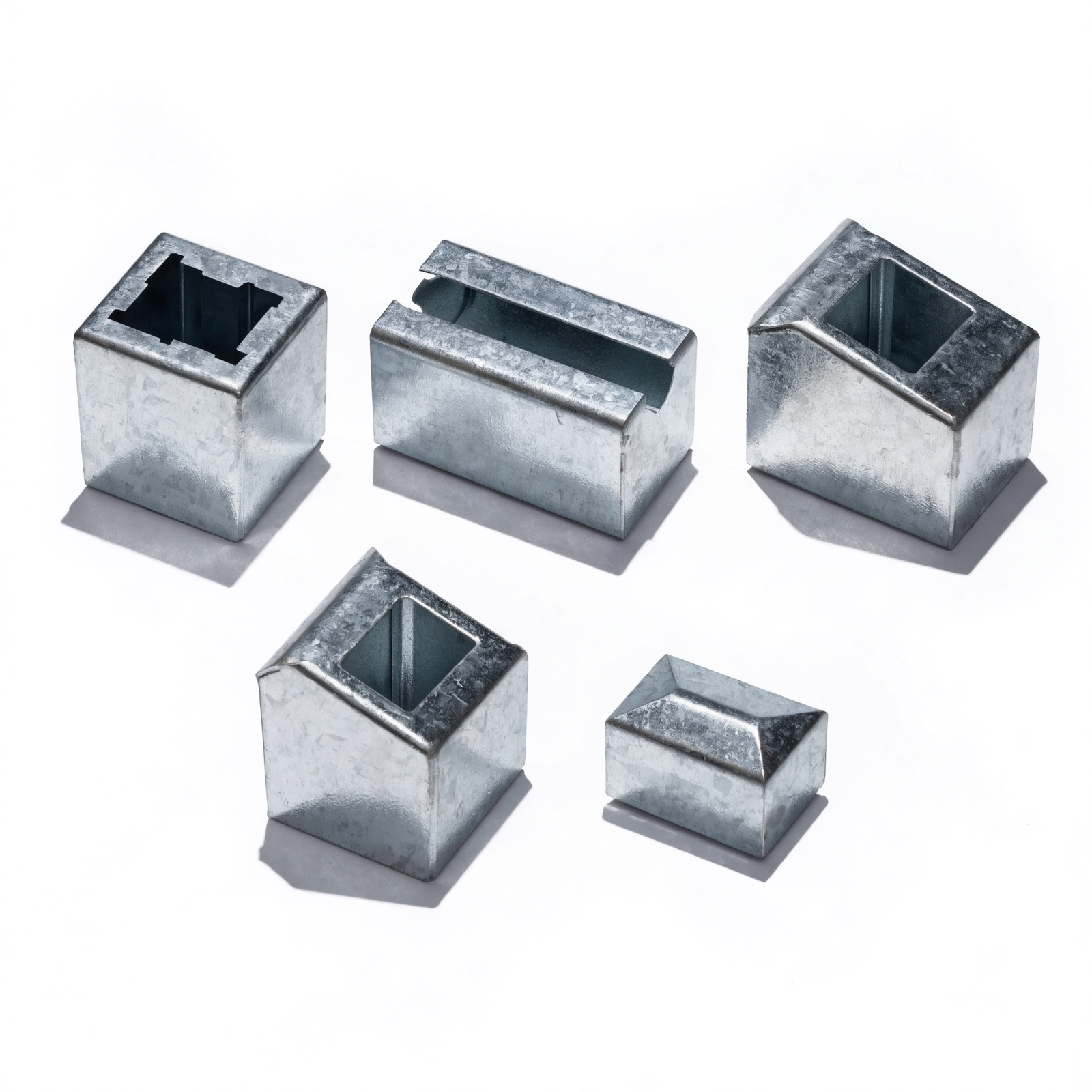
Weep holes are a secondary drainage path at the wall face. They allow water that builds up in the drainage zone to escape through the wall rather than continuing to build pressure behind it.
Install weep holes:
- In the lowest course of sleepers, or between the first and second course
- At 1.8 to 2.4m intervals along the wall
- Kept clear of soil and debris, as a blocked weep hole provides no drainage relief
See our full guide on retaining wall weep holes for spacing, sizing, and inspection guidance. Browse weep holes for retaining walls in standard and slotted formats.
How to install retaining wall drainage: correct sequence
The order of operations matters. Drainage must be installed as the wall is built, not retrofitted once the sleepers are in place.
- After posts are set and concrete has cured, lay geotextile filter fabric against the excavated soil face behind where the sleepers will sit. The fabric should run from the base of the excavation to the top of the intended drainage zone.
- Place the ag pipe at the base of the wall with slots facing down or to the sides, with a continuous fall to the outlet. Connect to the discharge point before backfilling to confirm the outlet is clear and the pipe has the required fall.
- Install the sleepers course by course, fitting weep holes into the lowest course as you go.
- Backfill the drainage zone with clean 20mm crushed rock for the first 300 to 500mm behind the sleepers. Do not compact; place loosely.
- Fold the geotextile fabric over the top of the drainage aggregate before placing any general backfill above the drainage zone. This prevents soil from migrating downward into the aggregate from above.
- Backfill above the drainage zone with compacted soil in 150 to 200mm layers. See the full backfill guide for compaction requirements by soil type and the exclusion zone near the wall face.
- Confirm the ag pipe outlet is clear and draining before completing the backfill. Run a hose into the drainage zone and verify water exits at the outlet.
Planning to use concrete retaining wall sleepers? Our sleepers are steel-reinforced and available in charcoal, woodgrain, and smooth finish, designed to work with a correctly drained wall system for 50+ year performance.
The most common drainage mistakes, and what they cause
- No drainage system at all. The most common mistake across Australian DIY retaining walls. The wall performs adequately in dry conditions and for the first few years, but once the soil becomes saturated (after a wet season, a plumbing leak, or a change in site drainage), hydrostatic pressure builds and the wall fails. This is not a question of if; it is a question of when.
- Soil used in the drainage zone instead of clean aggregate. Soil has low permeability and will not drain effectively behind the wall. The drainage zone must be clean, single-sized crushed rock for the first 300 to 500mm behind the sleepers.
- No geotextile fabric. Without fabric, fine soil particles gradually migrate into the drainage aggregate and block it. The system appears correctly installed but silts up silently over 5 to 10 years and stops working.
- Ag pipe with no fall or no outlet. A level pipe collects water but cannot drain it. The pipe fills and the drainage system stops functioning. Every ag pipe installation must have a minimum 1:100 continuous fall and a clear discharge point.
- Weep holes blocked or omitted. Weep holes covered by backfill, or simply not installed, leave the wall with no secondary pressure relief when the primary drainage system is overwhelmed or partially blocked.
- Drainage installed after the wall is complete. Once sleepers are in, there is no practical way to install drainage behind them without partial or full demolition. Install the drainage system before the sleepers go in, not as an afterthought.
Drainage requirements by soil type and location
Sandy soils: coastal and low-reactivity sites
Sandy soils drain well naturally, reducing (but not eliminating) hydrostatic risk. Drainage is still required; even in sandy coastal soils, concentrated rainfall or site drainage changes can create localised water build-up. A standard 300mm drainage aggregate zone with 100mm ag pipe is adequate for most sandy sites.
Common sandy soil locations: Perth coastal suburbs (Cottesloe, Scarborough, Joondalup), Gold Coast coastal strip (Surfers Paradise, Palm Beach), Sydney Northern Beaches (Manly, Dee Why), Sydney Eastern Suburbs (Bondi, Randwick).
Clay soils: reactive and high-pressure sites
Clay soils retain water and drain slowly, making drainage design the most critical element of the wall system. In reactive clay, the drainage zone should be increased to 400 to 500mm wide, geotextile fabric is non-negotiable, and 100mm ag pipe is the minimum acceptable size.
High-reactivity clay locations requiring the most robust drainage specification:
- Melbourne: western suburbs (Werribee, Hoppers Crossing, Melton, Tarneit), eastern suburbs (Knox, Maroondah, Ringwood). See Melbourne concrete sleepers.
- Western Sydney: Wianamatta Shale clay corridor (Penrith, Blacktown, Parramatta, Liverpool, Campbelltown). See Sydney concrete sleepers.
- Brisbane western suburbs: Woogaroo Subgroup clay (Oxley, Inala, Springfield, Ipswich). See Brisbane concrete sleepers.
- Adelaide plains: Keswick Clay (Elizabeth, Salisbury, Morphett Vale, Noarlunga)
- Perth eastern suburbs: Guildford Clay (Midland, Armadale, Gosnells, Kelmscott)
For the full suburb-level soil classification and drainage specification by city, see our city-specific retaining wall guides.
High-rainfall and sloped sites
Sites in Queensland's wet season belt, coastal NSW, Victoria's Dandenong Ranges and Yarra Valley, the Perth Hills, and the Gold Coast Hinterland place significantly greater demands on drainage systems. The ag pipe must be sized for the upslope catchment area, not just the wall itself. A 100mm pipe adequate for a flat suburban site may be undersized for a sloped block funnelling water from a large catchment. Confirm pipe sizing with a drainage or hydraulic consultant for any sloped site with a significant catchment above the wall.
Check your local council drainage requirements before finalising your drainage design, as some councils specify minimum drainage standards as part of permit conditions.
Frequently asked questions: retaining wall drainage
Do all retaining walls need drainage?
Yes. All retaining walls, regardless of height, material, or soil type, require drainage. For walls over 500 to 600mm in height, drainage is not optional; it is a fundamental structural requirement under AS 4678-2002 Earth Retaining Structures, and most Australian councils mandate it as a condition of approval. Omitting drainage is the single most common cause of retaining wall failure in Australia, more common than undersized posts, inadequate footings, or any other construction error.
What is hydrostatic pressure and why does it cause walls to fail?
Hydrostatic pressure is the outward lateral force exerted by water that has accumulated in the saturated soil behind a retaining wall. Unlike the lateral earth pressure from soil weight, which is accounted for in the wall's design, hydrostatic pressure is an additional load that is not present when drainage is functioning correctly. In heavy clay soils after significant rainfall, hydrostatic pressure can be equivalent to adding several additional tonnes of lateral force against the wall face. A wall that was correctly designed for earth pressure alone can be pushed beyond its capacity when hydrostatic pressure is added. The solution is a drainage system that removes the water before it can accumulate.
What size ag pipe do I need for a retaining wall?
100mm diameter slotted ag pipe is the standard specification for most residential retaining walls in Australia. For walls longer than 20 to 30m, for sites with large upslope catchment areas, for high-rainfall locations (Queensland wet season areas, coastal NSW, Perth Hills, Gold Coast Hinterland), or for sloped sites, confirm the pipe diameter with a drainage consultant. Undersizing the ag pipe for the catchment area it is serving is a common cause of drainage system overload during peak rainfall events. See the full ag pipe sizing and installation guide.
Where should the ag pipe drain to?
The ag pipe must connect to a legal discharge point: a stormwater pit connected to council infrastructure, a daylight outlet at the end of the wall where water can flow away freely across the property, or a sump filled with drainage aggregate. It cannot terminate in the ground with no outlet. Confirm with your local council about stormwater connection requirements before installing, as some councils require discharge to council stormwater infrastructure while others permit on-site disposal in suitable soils.
How often should I inspect retaining wall drainage?
Inspect weep holes annually and after any major rainfall event. Clear soil or debris from weep hole openings. If weep holes are not discharging water during or after heavy rain, when you would expect them to be active, the drainage system behind the wall may be partially or fully blocked and should be investigated before the next wet season. A blocked drainage system is under load whether visible signs of wall movement have appeared or not.
Can I add drainage to an existing retaining wall?
Retrofitting drainage to a completed retaining wall is difficult and typically requires partial or full demolition of the wall to access the drainage zone behind the sleepers. If your existing wall has no drainage and is showing signs of movement, leaning, or bulging, or if a wall is approaching its next wet season with drainage concerns, contact a structural engineer for an assessment before attempting repairs. See our guide on diagnosing and fixing retaining wall drainage problems.
What is the difference between ag pipe and drainage aggregate?
These are two components of the same drainage system that work together and cannot substitute for each other. Drainage aggregate (20mm crushed rock) fills the zone directly behind the sleepers and provides the high-permeability path for water to travel downward by gravity. Ag pipe sits at the base of the drainage aggregate zone and collects the water that has drained down through the aggregate, then carries it to a discharge point. Without drainage aggregate, water cannot reach the ag pipe efficiently. Without ag pipe, the drainage aggregate fills with water and eventually becomes saturated, providing only temporary relief rather than continuous drainage.
Drainage products
- Retaining wall drainage kits: ag pipe, geotextile fabric, and weep holes in one order
- Geotextile fabric and wall liners: available separately for larger drainage zones
- Complete drainage kit: single product, everything included
- Concrete retaining wall sleepers: steel-reinforced sleepers designed to work with a correctly drained wall system
Ready to order your drainage materials?
Send your wall dimensions, soil type and postcode and we'll confirm the correct drainage specification and provide a delivered price within one business day.
Leave a comment (all fields required)