









What is a tiered retaining wall?
A tiered retaining wall, also called a stepped or terraced retaining wall, uses two or more individual walls built at different levels to retain a steep slope. Instead of one tall wall (which requires engineering, deep posts, and heavy materials), tiered walls break the retained height into manageable sections, each acting independently.
Tiered walls are ideal for steep residential blocks, garden terracing, and sites where a single wall over 1m would trigger council approval or engineering requirements. For the broader design principles that apply to any sloped site, including stepped footings and post embedment on a slope, see our sloped block retaining wall guide.
Key design rules for tiered walls
Tier spacing: the most important rule
The horizontal distance between tiers determines whether they act independently or as a combined system. The general rule across most Australian states:
- Tier spacing greater than or equal to 2x the height of the lower wall: Each tier acts independently, no combined height calculation required
- Tier spacing less than 2x the height of the lower wall: Tiers are considered a combined system, total retained height is added together for permit and engineering purposes
Example: Two 900mm walls with 1.8m horizontal separation between them (2 x 900mm = 1,800mm) act independently. Reduce the spacing to 1.2m and they become a combined 1.8m wall for regulatory purposes, triggering permit and engineering requirements in most states.
Maximum single tier height
For DIY tiered walls without engineering, keep each individual tier under 1m in retained height. This keeps each tier within the general exemption threshold in most Australian states. See our state-by-state guides for specific rules: NSW, QLD, VIC, WA, or the complete state-by-state regulations hub.
Materials for tiered walls
For most residential tiered walls with individual tiers under 1m:
- 200 x 75mm concrete sleepers, standard choice for tiers up to 1m
- C-channel PFC steel posts, suitable for standard residential tiers
For tiers over 1m, on reactive soils, or where tiers are closely spaced (combined system):
Step-by-step: building a two-tier retaining wall
Step 1: plan your tiers
Measure your total slope height and divide it into tiers. For a 1.8m total slope:
- Two tiers of 900mm each, with 1.8m+ horizontal separation between them
- Or three tiers of 600mm each, with 1.2m+ separation
Mark out both wall lines with string lines before excavating.
Step 2: build the lower wall first
Always build from the bottom up. Excavate, set posts, and install the lower wall completely, including drainage, before starting the upper tier. This prevents the upper excavation from undermining your lower wall footings.
Follow our full concrete sleeper installation guide for each tier.
Step 3: create the terrace between tiers
Once the lower wall is complete and backfilled, level the terrace area between the two walls. This flat zone is what makes tiered walls so practical, it creates usable garden space, a path, or a planting bed between levels.
Step 4: build the upper wall
Set out and build the upper wall using the same process as the lower wall. Ensure the upper wall's post footings don't extend down into the lower wall's backfill zone, maintain adequate horizontal separation.
Step 5: drainage for both tiers
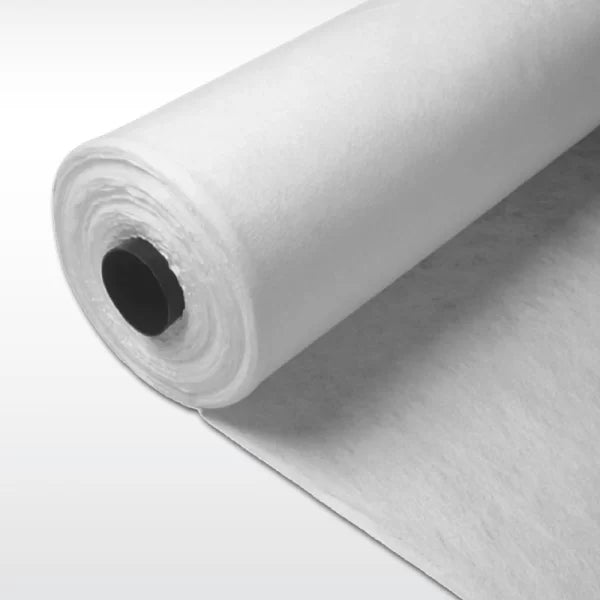
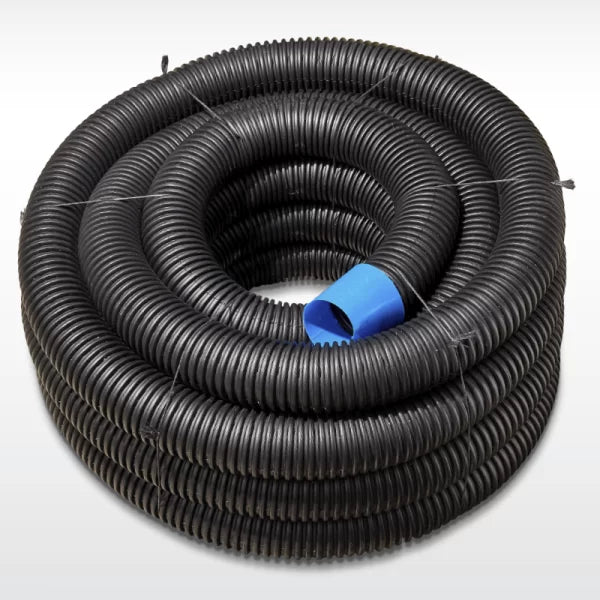
Each tier needs its own independent drainage system. Ag pipe, drainage gravel, geotextile fabric, and weep holes are all required per tier, not shared across the system. Water from the upper tier must be able to drain away without saturating the lower tier's backfill.
See our full drainage installation guide and our ag pipe sizing guide.
Common tiered wall mistakes
- Insufficient tier spacing: tiers too close together create a combined system requiring engineering
- Building top-down: always build lower tiers first to protect footings
- Shared drainage: each tier needs independent drainage, don't rely on one ag pipe for both
- Ignoring combined height rules: closely spaced tiers may trigger permit requirements even if each individual tier is under the threshold
Frequently asked questions: tiered retaining walls
How far apart do tiered retaining walls need to be?
The horizontal separation between tiers must be at least 2 times the height of the lower wall for the tiers to be assessed independently. For a 900mm lower wall, that means a minimum 1.8m horizontal separation to the front face of the upper wall. If the separation is less than this, most Australian states will assess the tiers as a combined system, adding the retained heights together for permit and engineering purposes, which can push a project from exempt DIY territory into requiring council approval and engineering sign-off.
Do I need a permit for a tiered retaining wall?
Not necessarily, if each individual tier is under 1m in retained height and the tiers are spaced at least 2 times the lower wall's height apart, most tiered wall projects fall within the general DIY exemption threshold used across most Australian states. If either condition isn't met, either a tier exceeds 1m or the spacing is too tight, the system is assessed as a single combined wall and permit or engineering requirements apply as though it were one tall wall. Confirm the specific rule with your state guide, as thresholds vary.
Can I build the upper tier before the lower tier?
No. Always build tiered walls from the bottom up. Building the upper tier first, or excavating for it before the lower wall is complete and backfilled, risks undermining the lower wall's footings during the upper excavation. Complete the lower wall including its drainage system fully before beginning any work on the terrace or the upper tier.
Do both tiers need separate drainage systems?
Yes. Each tier requires its own independent ag pipe, drainage aggregate, geotextile fabric, and weep holes. Sharing a single drainage system across both tiers is one of the most common tiered wall mistakes, and it typically results in the lower tier's backfill becoming saturated by water draining from the upper tier that has nowhere else to go. Design and install drainage for each wall as though it were a standalone structure.
How many tiers can I build without an engineer?
There's no fixed limit on the number of tiers, the limit is on each individual tier's height and the spacing between tiers. As long as every tier stays under 1m in retained height and every tier is spaced at least 2 times the height of the wall below it, additional tiers can generally be added within the DIY exemption in most states. In practice, site space usually limits the number of tiers before the height rule does, since each tier needs its own terrace plus the spacing buffer, which adds up quickly on a standard residential block.
Need help designing your tiered wall?
Our team can help you plan tier spacing, calculate materials, and recommend the right products for your slope and soil conditions. Book a free quote and we'll design your tiered wall solution from the ground up.
Browse our full range of concrete sleepers, steel posts, and drainage kits to get started.
Ready to get started?
Get a free delivered quote for concrete sleepers, steel posts and retaining wall materials, delivered Australia-wide.
Leave a comment (all fields required)