








Agricultural pipe — commonly called ag pipe — is the primary drainage component in a retaining wall drainage system. It collects water that drains down through the drainage aggregate behind the wall and carries it to a suitable outlet. Without ag pipe, water has no controlled path out from behind the wall and hydrostatic pressure builds until the wall fails.
This guide covers everything you need to know about ag pipe for retaining wall drainage: what size to use, slotted vs solid, sock wrapping, fall requirements, outlet options, and how to install it correctly.
What Is Ag Pipe?
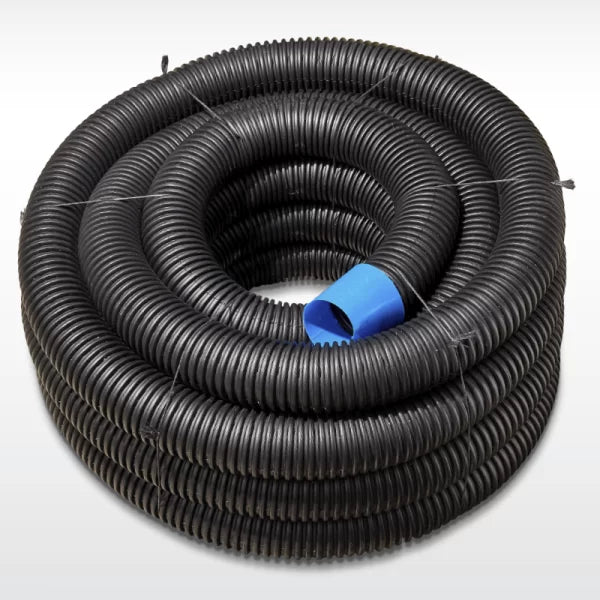
Agricultural pipe (ag pipe) is a flexible, corrugated plastic pipe with slots or perforations that allow water to enter the pipe from the surrounding soil or drainage aggregate. It is available in a range of diameters and in slotted (perforated) and solid (non-perforated) versions.
In a retaining wall drainage system, slotted ag pipe is used in the drainage zone behind the wall to collect water. Solid ag pipe may be used to connect the slotted section to the outlet point, particularly where the pipe runs through soil rather than drainage aggregate.
What Size Ag Pipe for a Retaining Wall?
The standard ag pipe size for most residential retaining walls is 100mm diameter. This provides adequate flow capacity for the drainage loads typical of residential retaining walls in Australian conditions.
When to consider larger diameter pipe:
- Long walls (over 30–40m) where the pipe must carry drainage from a large catchment area
- High-rainfall sites (coastal NSW, Queensland wet season, Victoria's Dandenong Ranges)
- Sites with a large upslope catchment area draining toward the wall
- Where a hydraulic engineer or drainage consultant has specified a larger pipe
For most residential retaining walls under 20–25m in length, 100mm ag pipe is the correct specification.
Slotted vs Solid Ag Pipe
Slotted (Perforated) Ag Pipe
Slotted ag pipe has slots or perforations along its length that allow water to enter the pipe from the surrounding drainage aggregate. This is the type used in the drainage zone behind the retaining wall. The slots should face downward or to the sides during installation — not upward, where soil or aggregate can fall into the pipe.
Solid Ag Pipe
Solid ag pipe has no perforations and is used to carry water from the slotted section to the outlet point. If the pipe runs through soil to reach a stormwater pit, use solid pipe for that section to prevent soil ingress.
Ag Pipe Sock (Filter Sock)
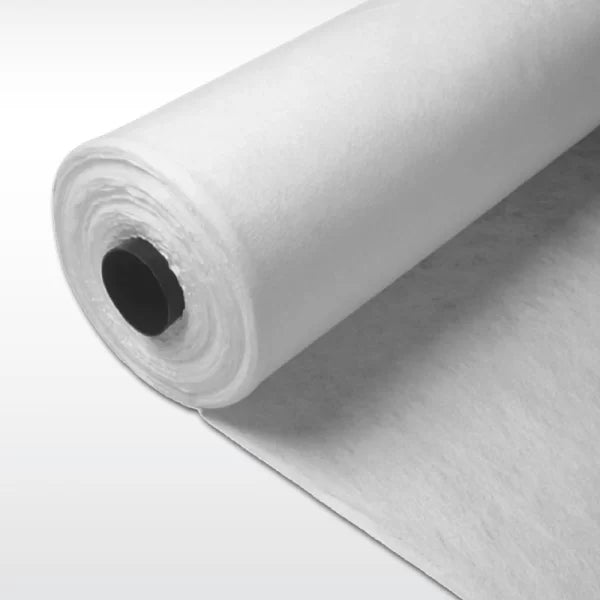
Ag pipe is available with or without a geotextile filter sock wrapped around it. The sock prevents fine soil particles from entering the pipe through the slots and blocking it over time. For retaining wall drainage applications, ag pipe with a sock is strongly recommended. Most ag pipe sold for retaining wall applications is available pre-wrapped with a sock.
Fall Requirements
The ag pipe must have a continuous fall (slope) from the high end to the outlet. Water flows by gravity — if the pipe is flat or has low points where water pools, the drainage system will not work effectively.
- Minimum fall: 1:100 (1cm per metre)
- Preferred fall: 1:50 (2cm per metre) or greater
- No flat sections: Even a short flat section can create a low point where silt accumulates and blocks the pipe
Outlet Options
- Daylight outlet at the end of the wall: The simplest option — ag pipe exits at the low end of the wall and discharges onto the surface
- Stormwater pit: Preferred for walls where discharge volume is significant
- Sump: A small pit filled with drainage aggregate. Suitable for free-draining soils only — not clay
Check with your local council about stormwater connection requirements before connecting ag pipe to the stormwater system.
How to Install Ag Pipe in a Retaining Wall
- After setting the posts and allowing the concrete to cure, lay the geotextile filter fabric against the excavated soil face behind where the sleepers will sit
- Place the ag pipe at the base of the wall, against the geotextile fabric, with the slots facing downward or to the sides. Ensure the pipe has a continuous fall to the outlet from the start
- Connect the pipe to the outlet before backfilling. Confirm the outlet is clear and the pipe has the required fall
- Install the sleepers course by course, installing weep holes in the lowest course as you go
- Backfill with drainage aggregate around and over the ag pipe, filling the drainage zone to 300–500mm behind the sleepers
- Fold the geotextile fabric over the top of the drainage aggregate before backfilling with soil above the drainage zone
- Test the drainage system before completing the backfill. Run a hose into the drainage zone and confirm water exits at the outlet within a reasonable time
Frequently Asked Questions
What size ag pipe do I need for a retaining wall?
100mm diameter slotted ag pipe is the standard specification for most residential retaining walls. For long walls (over 30–40m) or high-rainfall sites, confirm the pipe size with a drainage engineer.
Does ag pipe need to be wrapped in a sock?
Yes, strongly recommended. The geotextile sock prevents fine soil particles from entering the pipe through the slots and blocking it over time.
Which way do the slots face in ag pipe?
The slots should face downward or to the sides — not upward. Water enters the pipe from below and the sides; facing slots upward allows soil and aggregate to fall into the pipe.
What fall does ag pipe need?
A minimum fall of 1:100 (1cm per metre) is recommended. A fall of 1:50 or greater is preferred. The pipe must have a continuous fall with no flat sections or low points.
Where does the ag pipe drain to?
The ag pipe must connect to a suitable outlet — a daylight outlet at the end of the wall, a stormwater pit, or a sump. It cannot simply terminate in the ground.
Shop Drainage Materials
Our drainage kits include ag pipe (with sock), geotextile fabric, and weep holes in one order. Geotextile fabric is also available separately. Or contact our team to confirm the right drainage specification for your project.
Related Guides — Retaining Wall Drainage
- Retaining Wall Drainage & Structural Integrity — Complete Australian Guide (2026)
- Retaining Wall Drainage — Why It Matters and How to Do It Right
- Geotextile Fabric for Retaining Walls — What It Does and How to Use It
- Retaining Wall Backfill — What to Use and How to Compact It
- Retaining Wall Drainage Problems & Fixes — How to Diagnose and Repair
- What Is Active Soil Pressure? How It Affects Your Retaining Wall
- How to Build a Retaining Wall with Concrete Sleepers — Step by Step
- The Ultimate Guide to Concrete Sleeper Retaining Walls in Australia (2026)
Ready to get started?
Get a free delivered quote for concrete sleepers, steel posts and retaining wall materials — delivered Australia-wide.
Leave a comment (all fields required)