








Concrete sleeper retaining walls are the most durable, low-maintenance, and cost-effective retaining solution available to Australian homeowners, builders, and landscapers. Whether you’re managing a sloping block, protecting a driveway, or creating usable garden terraces, this guide covers everything you need to know — from choosing the right sleeper size and finish, to installation, drainage, and long-term care.
Last updated: June 2026 | Written by the team at Retaining Walls Direct — with many years of trade experience supplying retaining wall materials across Australia.
Table of Contents
- What Is a Concrete Sleeper Retaining Wall?
- Concrete Sleepers vs Timber Sleepers
- Choosing the Right Concrete Sleeper Size (75mm vs 100mm)
- Concrete Sleeper Strength — 40MPa vs 50MPa vs 60MPa
- Concrete Sleeper Finishes — Smooth, Woodgrain & Charcoal
- How to Build a Concrete Sleeper Retaining Wall (Step-by-Step)
- Drainage — The Most Critical Part of Any Retaining Wall
- How Much Does a Concrete Sleeper Retaining Wall Cost?
- Maintenance & Longevity
- Boundary Walls — Special Considerations
- Council Approval & Regulations
- Frequently Asked Questions
1. What Is a Concrete Sleeper Retaining Wall?
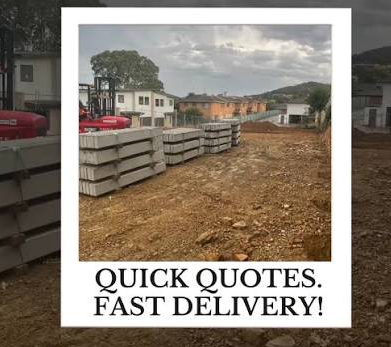
A concrete sleeper retaining wall uses precast reinforced concrete panels (sleepers) slotted horizontally between vertical steel posts to hold back soil, create level terraces, or define boundaries. Unlike timber, concrete sleepers won’t rot, warp, or be attacked by termites — making them the preferred choice for permanent residential and commercial applications across Australia.
They’re engineered to comply with AS 4678-2002 (Earth-Retaining Structures) and, when installed correctly, can last 50+ years with minimal maintenance.
2. Concrete Sleepers vs Timber Sleepers
| Concrete Sleepers | Timber Sleepers | |
|---|---|---|
| Lifespan | 50+ years | 10–20 years |
| Maintenance | Very low | Moderate–high |
| Termite resistance | Yes | No |
| Rot resistance | Yes | No |
| Upfront cost | Moderate–high | Lower |
Also read: Retaining Wall vs Fence — Which Do You Need?
3. Choosing the Right Concrete Sleeper Size (75mm vs 100mm)
75mm sleepers suit walls up to 1.0–1.2m in light residential applications. 100mm sleepers are required for walls over 1.0m, driveways, clay soils, or any wall with heavy surcharge loads.
Rule of thumb: If in doubt, go 100mm. The cost difference is modest; the structural margin is significant.
Detailed guide: What Size Concrete Sleepers Do I Need? 75mm vs 100mm Guide
4. Concrete Sleeper Strength — 40MPa vs 50MPa vs 60MPa
The compressive strength of your sleepers must match your soil type, wall height, and surcharge conditions. 40MPa suits low walls in stable ground; 50MPa is the standard for reactive clay sites; 60MPa is required for tall walls, driveways, and Canberra’s freeze-thaw conditions.
Full strength guide: 40MPa vs 50MPa vs 60MPa Concrete Sleepers — Which Strength Do You Need?
5. Concrete Sleeper Finishes — Smooth, Woodgrain & Charcoal
Smooth finish — clean, contemporary, easy to paint or render. Woodgrain finish — replicates timber without the maintenance. Charcoal finish — premium dark look for modern landscaping.
Full finish guide: How to Choose Concrete Sleeper Colour & Finish — Charcoal, Woodgrain & Smooth
Render and paint guide: How to Render or Paint a Concrete Sleeper Retaining Wall
6. How to Build a Concrete Sleeper Retaining Wall (Step-by-Step)
- Step 1 — Plan and mark out: Determine wall line, post spacing (1.8m–2.4m centres), check for underground services.
- Step 2 — Dig post holes: Embed posts to minimum one-third of total post length. See: Post Embedment Guide
- Step 3 — Set posts in concrete: Allow 24–48 hours to cure before loading. See: How to Install Steel Posts
- Step 4 — Slot in sleepers: Start from the bottom, slide sleepers into post channels.
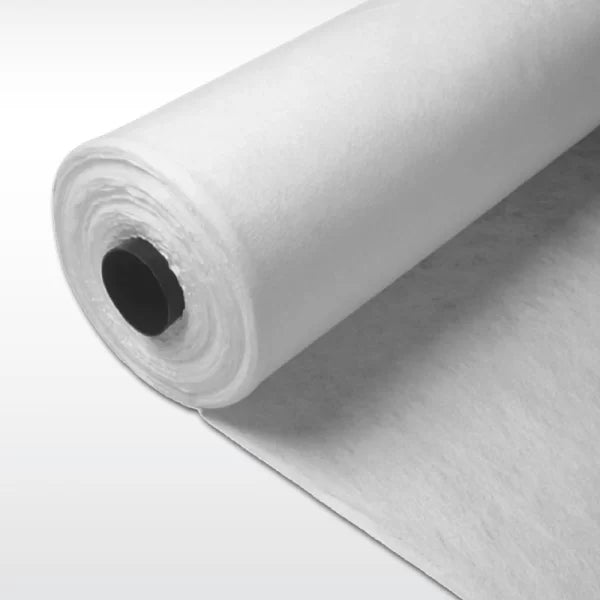
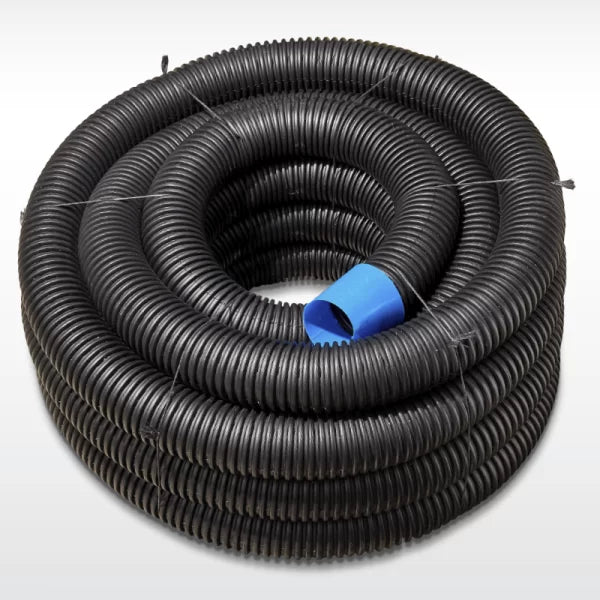
- Step 5 — Install drainage: Geotextile fabric, ag pipe, 20mm drainage aggregate. See: Retaining Wall Drainage Guide
- Step 6 — Backfill and compact: 200mm lifts, avoid heavy compaction within 1m of wall face. See: Retaining Wall Backfill Guide
- Step 7 — Corners and returns: See: How to Build a Retaining Wall Corner
DIY vs professional: DIY vs Professional Retaining Wall Installation
7. Drainage — The Most Critical Part of Any Retaining Wall
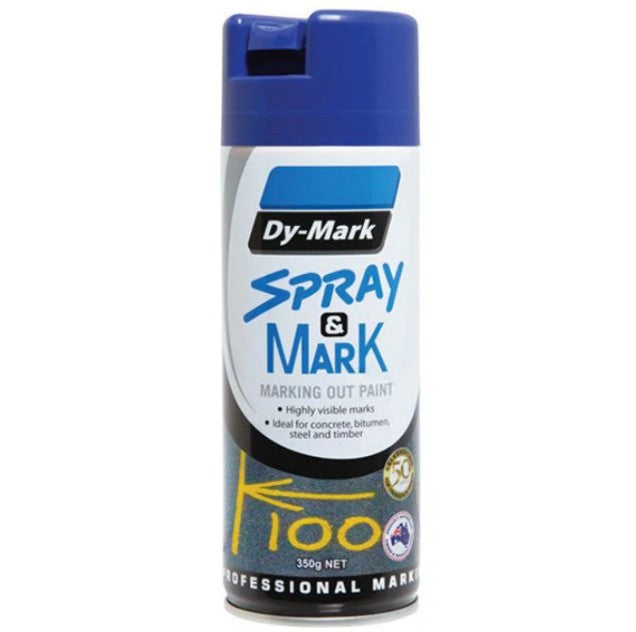
Poor drainage is the number one cause of retaining wall failure in Australia. Every wall must have drainage aggregate, ag pipe, geotextile fabric, and weep holes.
- Retaining Wall Drainage & Structural Integrity — Complete Guide
- Ag Pipe for Retaining Walls — What Size and How to Install It
- Geotextile Fabric for Retaining Walls
- Retaining Wall Weep Holes — What They Do and Where to Put Them
- Retaining Wall Drainage Problems & Fixes
8. How Much Does a Concrete Sleeper Retaining Wall Cost?
| Wall Type | DIY Supply Cost | Installed (Contractor) |
|---|---|---|
| Simple garden wall (under 1m) | $150–$250/lm | $350–$600/lm |
| Standard wall (1.0–1.5m) | $250–$400/lm | $600–$1,000/lm |
| Engineered wall (1.5m+) | $400–$600/lm | $1,000–$1,800/lm |
Full cost breakdown: How Much Does a Retaining Wall Cost in Australia? (2026 Guide)
9. Maintenance & Longevity
With proper installation and drainage, a concrete sleeper retaining wall lasts 50+ years with minimal intervention. Inspect weep holes annually, check for bowing or cracking, and clear drainage outlets after heavy rain.
Full maintenance guide: Retaining Wall Maintenance Guide
Fixing problems: How to Fix a Leaning or Bowing Retaining Wall
10. Boundary Walls — Special Considerations
Building on or near a property boundary introduces setback rules, neighbour notification requirements, and additional council approval triggers. Concrete sleepers with galvanised steel posts are the only recommended material for boundary walls.
Full boundary wall guide: How to Build a Retaining Wall on a Boundary — Rules, Setbacks & Best Practice
11. Council Approval & Regulations
Walls under 600mm–1,000mm are typically exempt from approval. Above that, a building permit and engineering certification are usually required. Requirements vary by state.
- How to Get Council Approval for a Retaining Wall in Australia
- Retaining Wall Regulations NSW
- Retaining Wall Regulations VIC
- Retaining Wall Regulations QLD
- Retaining Wall Regulations SA
- Retaining Wall Regulations WA
- Retaining Wall Regulations ACT & Tasmania
12. Frequently Asked Questions
Do I need council approval?
Walls under 600mm–1,000mm are typically exempt. Above that, a building permit and engineering certification are usually required. See: How to Get Council Approval
Can I DIY?
Yes, for walls under 1m. See our DIY vs Professional guide.
What steel posts do I use?
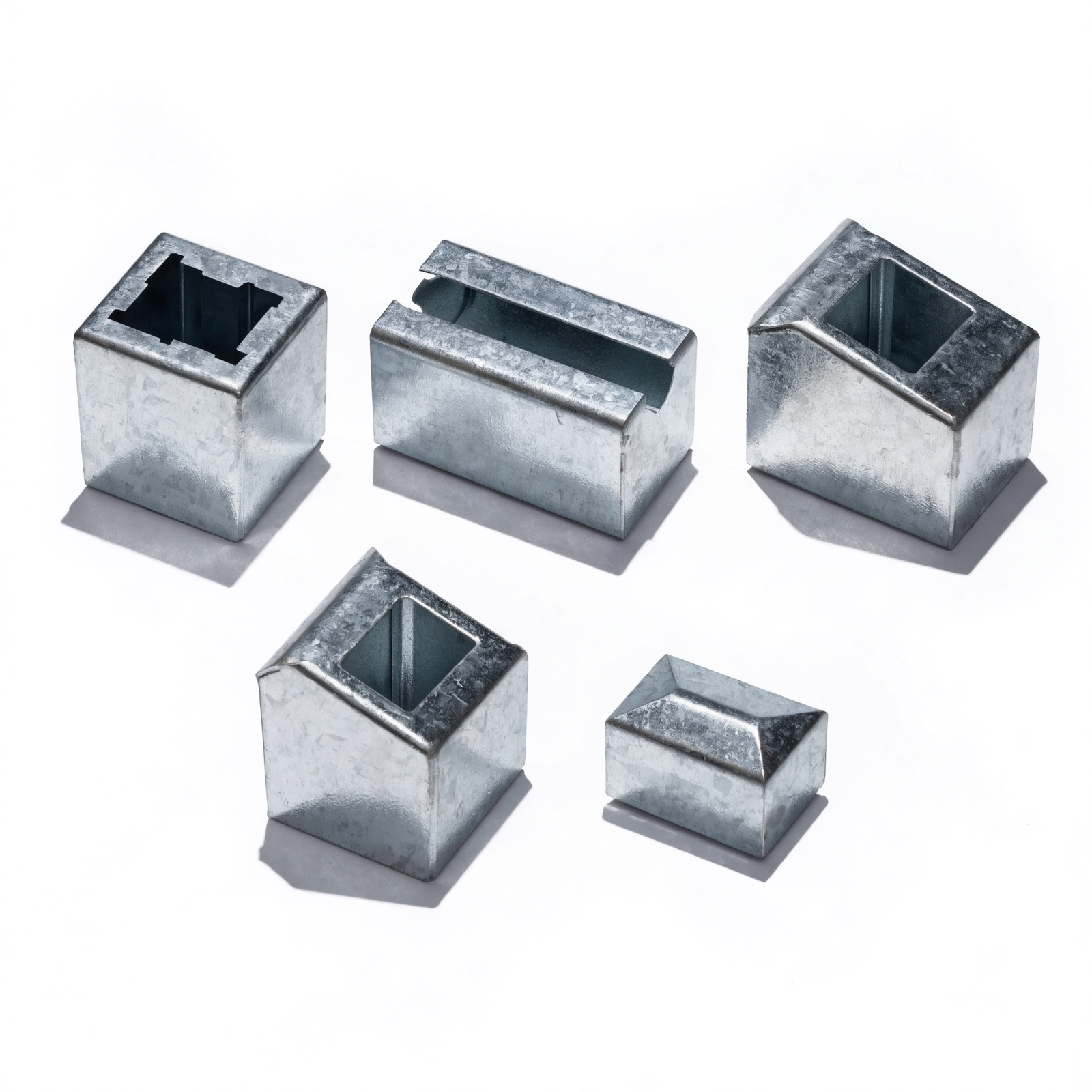
H-beam or C-channel galvanised steel posts. See: How to Choose the Right Steel Post for Your Retaining Wall
Can I build on a boundary?
Yes, with the right approvals. See: How to Build a Retaining Wall on a Boundary
How do I fix a leaning wall?
Almost always a drainage issue. See: How to Fix a Leaning or Bowing Retaining Wall
What causes active soil pressure?
See: What Is Active Soil Pressure? How It Affects Your Retaining Wall
Shop by City
- Retaining Walls Sydney
- Retaining Walls Melbourne
- Retaining Walls Brisbane
- Retaining Walls Perth
- Retaining Walls Adelaide
- Retaining Walls Gold Coast
- Retaining Walls Canberra
Ready to Build?
We supply precast concrete sleepers, galvanised steel posts, drainage materials, and complete retaining wall kits — delivered Australia-wide.
Shop Concrete Sleepers → | Use Our Free Estimator → | Frequently Asked Questions →
Leave a comment (all fields required)