








Poor drainage is the single most common cause of retaining wall failure in Australia. A wall that looks structurally sound can fail within years — or even months — if water isn't managed correctly behind it. This guide covers every element of retaining wall drainage and structural integrity, from the materials you need to the warning signs that your wall is in trouble.
Last updated: June 2026 | Written by the team at Retaining Walls Direct — with many years of trade experience supplying retaining wall materials across Australia.
Table of Contents
- Why Drainage Is the Most Critical Part of Any Retaining Wall
- The Complete Drainage System — What You Need and Why
- Ag Pipe — Sizing, Placement and Installation
- Geotextile Fabric — What It Does and How to Use It
- Weep Holes — What They Do and Where to Put Them
- Retaining Wall Backfill — What to Use and How to Compact It
- Footings — How Deep and How Much Concrete?
- Soil Types and How They Affect Your Wall
- Active Soil Pressure and Hydrostatic Pressure
- How to Diagnose and Fix Drainage Problems
- Frequently Asked Questions
1. Why Drainage Is the Most Critical Part of Any Retaining Wall
When soil becomes saturated with water, it exerts hydrostatic pressure — lateral force pushing against the back of your retaining wall. A poorly drained wall holding back wet clay soil can experience forces several times greater than the same wall holding back dry soil.
The consequences of inadequate drainage include wall leaning or bowing, post movement, cracking of sleepers, complete wall collapse, and soil erosion behind the wall.
Drainage is not optional. It is a structural requirement for every retaining wall, regardless of height or material.
2. The Complete Drainage System — What You Need and Why
- Drainage aggregate — 20mm crushed rock placed directly behind the wall face
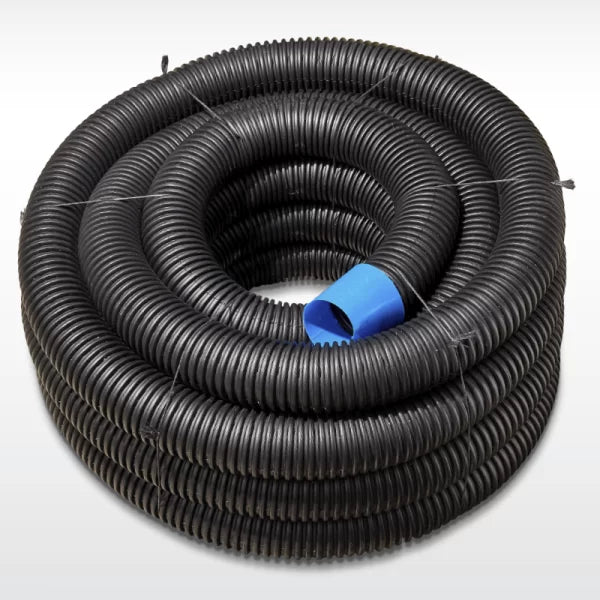
- Ag pipe — slotted flexible pipe at the base to collect and carry water away
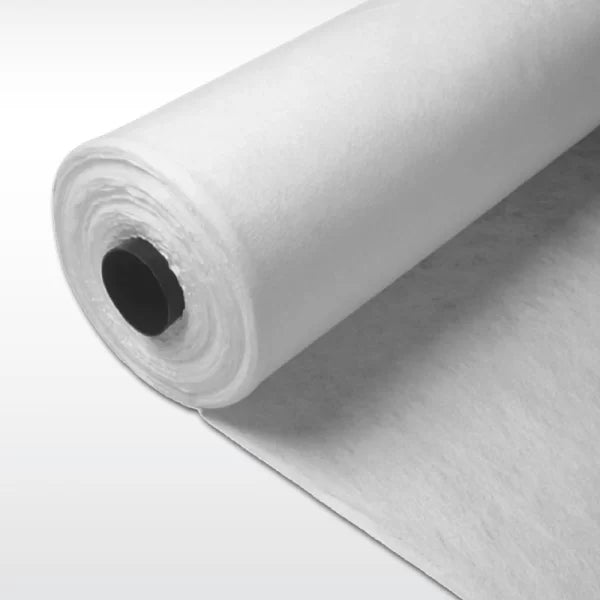
- Geotextile fabric — permeable membrane to prevent soil fines blocking the drainage layer
- Weep holes — openings through the wall face for pressure relief
All four elements are required. Omitting any one significantly reduces system effectiveness.
3. Ag Pipe — Sizing, Placement and Installation
Use 100mm slotted ag pipe for standard residential walls; 150mm for longer walls or high-rainfall areas. Install with slots facing down, wrapped in geotextile sock, with a continuous fall of at least 1:100 toward the outlet. Discharge to a legal point — never onto a neighbouring property.
Full ag pipe guide: Ag Pipe for Retaining Walls — What Size and How to Install It
4. Geotextile Fabric — What It Does and How to Use It
Geotextile fabric prevents fine soil particles from migrating into and blocking the drainage aggregate. Without it, the drainage layer can become effectively blocked within 5–10 years. Lay against the excavated soil face, wrap over the top of the aggregate, and overlap joins by 300mm minimum.
Full guide: Geotextile Fabric for Retaining Walls — What It Does and How to Use It
5. Weep Holes — What They Do and Where to Put Them
Space weep holes at 1.8m centres horizontally, positioned in the lowest course just above finished ground level. For taller walls, add a second row at mid-height. Inspect and clear annually.
Full guide: Retaining Wall Weep Holes — What They Do and Where to Put Them
6. Retaining Wall Backfill — What to Use and How to Compact It
Use: 20mm crushed rock directly behind the wall (300–500mm), then clean sandy loam or engineered fill for the bulk zone. Never use: clay, organic material, or recycled concrete rubble directly against the wall. Backfill in 200mm lifts and compact each layer.
Full backfill guide: Retaining Wall Backfill — What to Use and How to Compact It
7. Footings — How Deep and How Much Concrete?
Posts should be embedded to a minimum of one-third of the total post length. Use minimum 20MPa concrete. Allow 48 hours to cure before loading. In soft or expansive soils, increase embedment by 20–30%.
Exact depth specifications: How Deep Should Retaining Wall Posts Be? Post Embedment Guide
Post installation: How to Install Steel Posts for a Concrete Sleeper Retaining Wall
8. Soil Types and How They Affect Your Wall
Clay soils — most challenging. Expands when wet, drains slowly, dramatically increases lateral pressure. Use 100mm sleepers minimum and increase drainage aggregate depth. Reactive clay sites across Australia's major cities require H-Beam posts and higher-strength sleepers.
Sandy soils — free-draining, low lateral pressure, most forgiving. Use geotextile fabric to prevent erosion.
Rocky ground — excellent bearing capacity but difficult excavation.
City-specific soil guides:
- Sydney — Wianamatta Shale clay and Hawkesbury Sandstone soils
- Melbourne — Silurian clay and basalt plains
- Brisbane — Oxley Clay
- Perth — Guildford Clay and Tamala Sand
- Adelaide — Keswick Clay
- Canberra — reactive clay and frost heave
9. Active Soil Pressure and Hydrostatic Pressure
Active soil pressure is the horizontal force retained soil exerts against your wall. Hydrostatic pressure from water build-up multiplies this force dramatically. Understanding both is essential to specifying the right drainage system, post size, and sleeper strength.
Full guide: What Is Active Soil Pressure? How It Affects Your Retaining Wall
Sleeper strength guide: 40MPa vs 50MPa vs 60MPa Concrete Sleepers
10. How to Diagnose and Fix Drainage Problems
Wall leaning or bowing: Almost always drainage failure. Check weep holes and drainage outlet. See: How to Fix a Leaning or Bowing Retaining Wall
Soil washing out from behind the wall: Geotextile fabric absent or failed. See: Retaining Wall Drainage Problems & Fixes — How to Diagnose and Repair
Wall has failed completely: See: Retaining Wall Maintenance Guide
11. Frequently Asked Questions
Do I need drainage behind every retaining wall?
Yes — without exception. Even low walls in free-draining sandy soils benefit from drainage aggregate and ag pipe.
How far back should drainage aggregate go?
Minimum 300mm directly behind the wall face. For taller walls or clay soils, 500mm or more is recommended.
Can I use sand instead of crushed rock?
No. Sand compacts over time and loses drainage capacity. Always use 20mm crushed rock or blue metal.
My wall was built without drainage — what can I do?
Retrofitting drainage requires excavating behind the wall. Installing additional weep holes can provide partial relief. Contact our team for advice.
Shop Drainage Materials
We supply ag pipe, geotextile fabric, drainage aggregate, and complete retaining wall drainage kits — delivered Australia-wide.
Shop Drainage Materials → | Use Our Free Estimator →
Related Guides
- Ag Pipe for Retaining Walls
- Geotextile Fabric for Retaining Walls
- Retaining Wall Weep Holes
- Retaining Wall Backfill Guide
- Retaining Wall Drainage Problems & Fixes
- What Is Active Soil Pressure?
- How to Fix a Leaning or Bowing Retaining Wall
- The Ultimate Guide to Concrete Sleeper Retaining Walls in Australia
Leave a comment (all fields required)