AS 4678 Certified | Trade Accounts Welcome | 40+ Years Experience

AS 4678 Certified | Trade Accounts Welcome | 40+ Years Experience

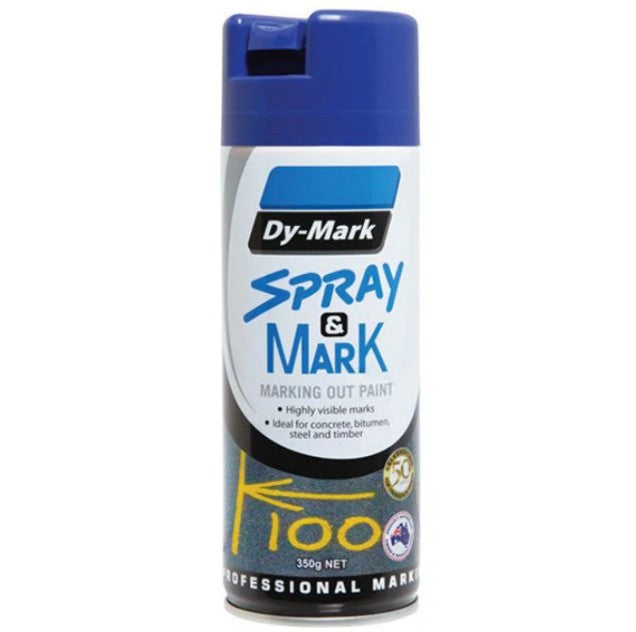
Dy-Mark Spot Marking Paint 350g
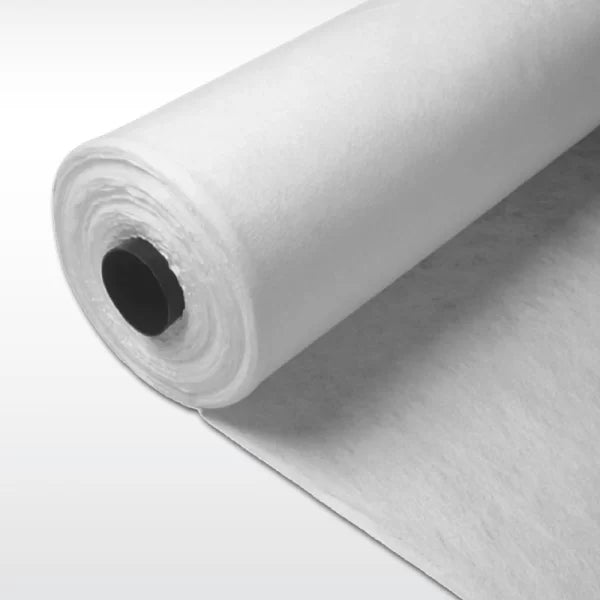
Geo Matting | Geotextile Fabric for Retaining Wall Drainage
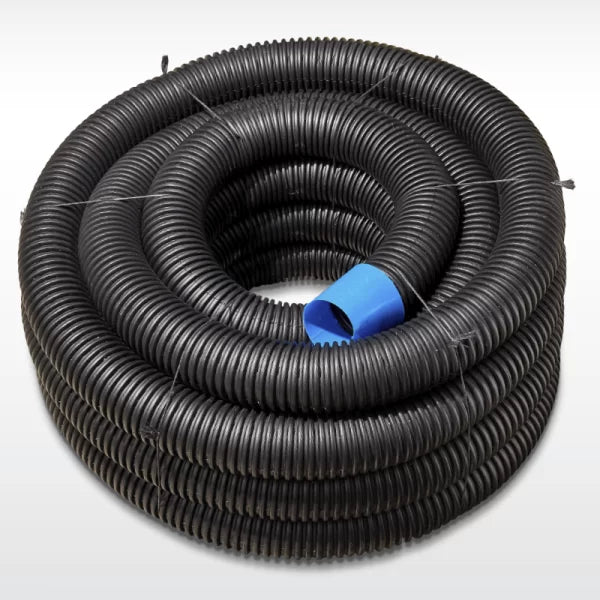
Ag Pipe 100mm x 20m | Slotted & Socked Drain Coil
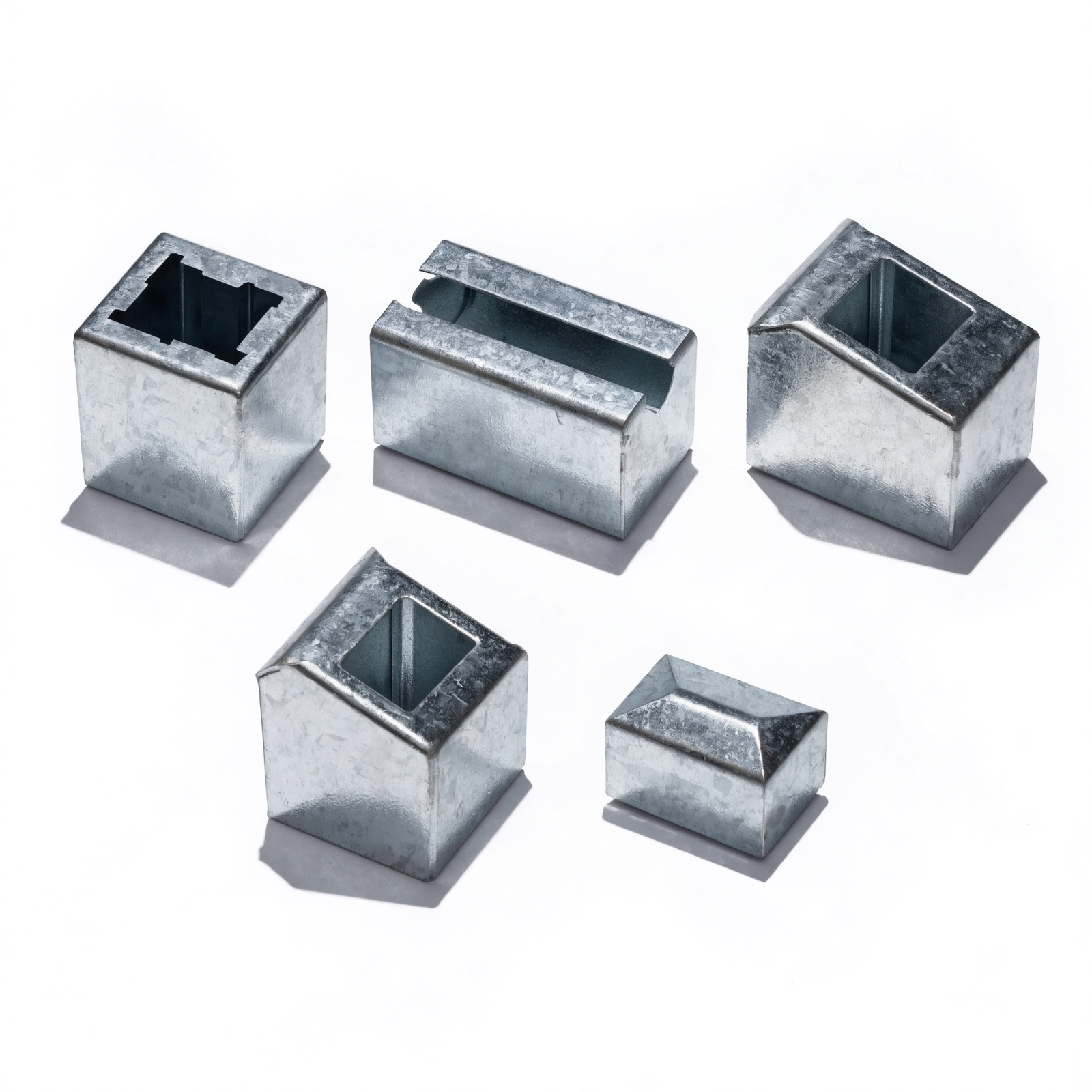
Galvanised Steel Post Caps
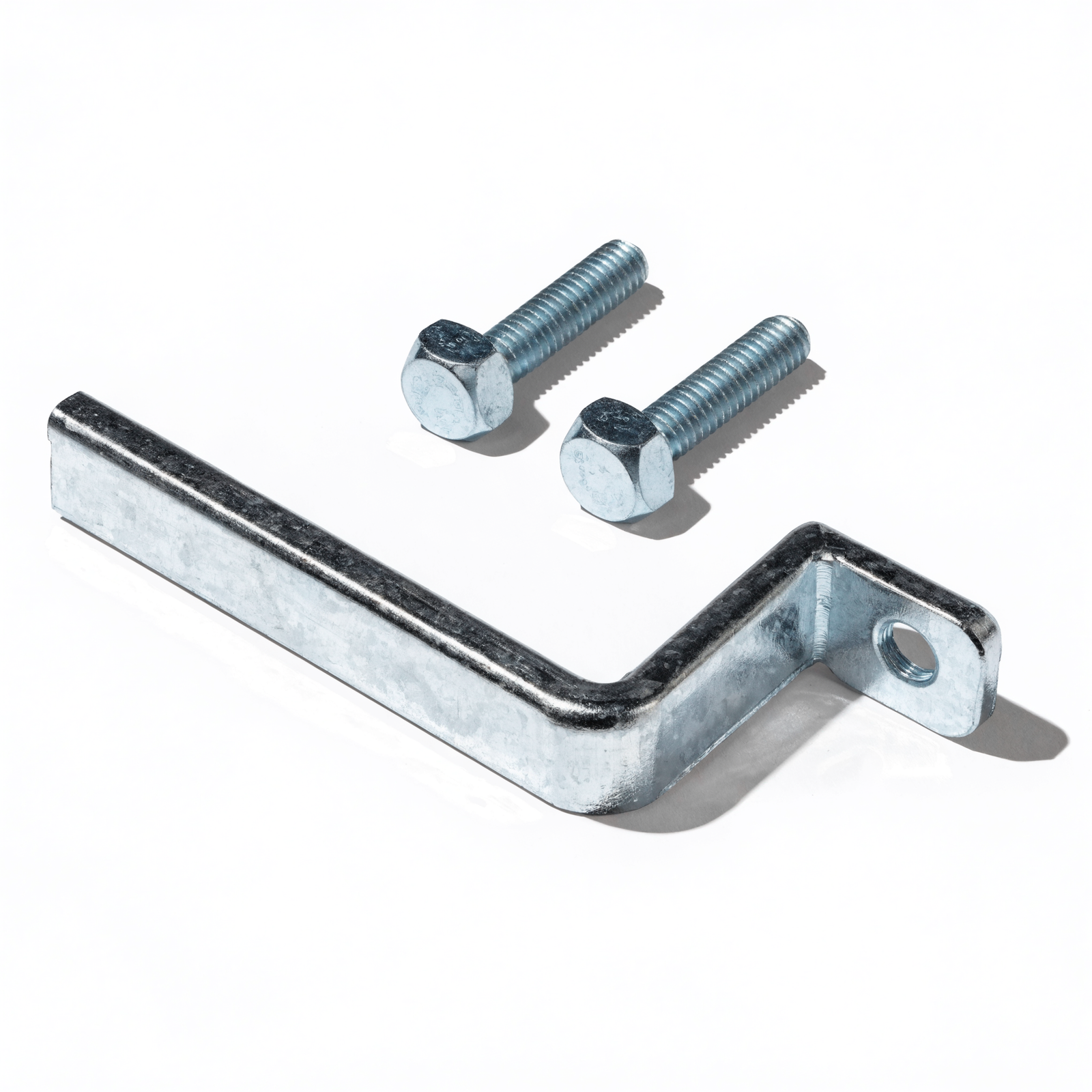
Galvanised Steel Fence Bracket Kit
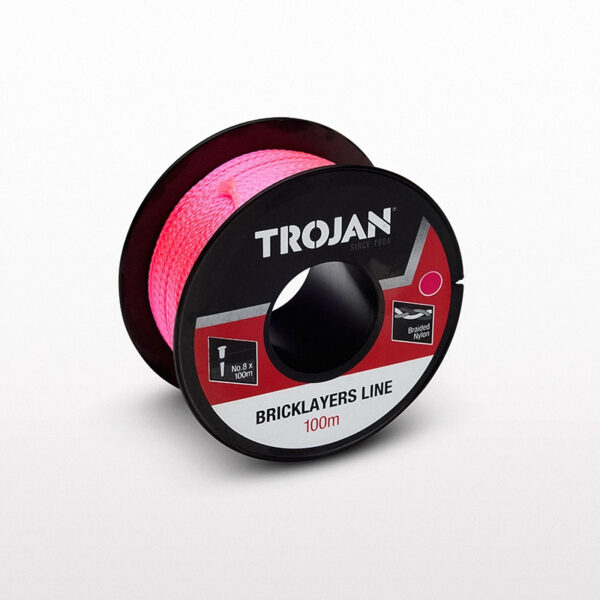
Builders Line Nylon Pink 100m

Material Estimator

Add your deal, information or promotional text

Retaining Wall Advice

H4, CCA, ACQ — the labels on treated pine sound technical, but only one thing actually matters for a retaining wall: is it rated for in-ground use.

200x75 or 200x100? The size difference comes down to load, span and what you're actually building — here's which one fits your project.

A straight-talking buyer's guide to treated pine sleepers — H4 treatment explained, 200x75 vs 200x100 sizing, and how many you'll need for your project.

How tall can a timber sleeper retaining wall be before you need council approval or an engineer? Thresholds by state, plus the practical height limit for treated pine.

Posts first, then sleepers, then drainage, then backfill — the order that makes or breaks a DIY timber sleeper retaining wall, step by step.

Everything you need to plan a timber sleeper retaining wall — treated pine sizing, steel post spacing, drainage and Australian height limits, in one guide.

Building a retaining wall on a sloped block requires stepped footings, careful post embedment calculation, and often a tiered wall design to manage large level changes safely. This guide covers everything you need to know about retaining walls on sloped sites in Australia — from design principles to drainage and council approval.
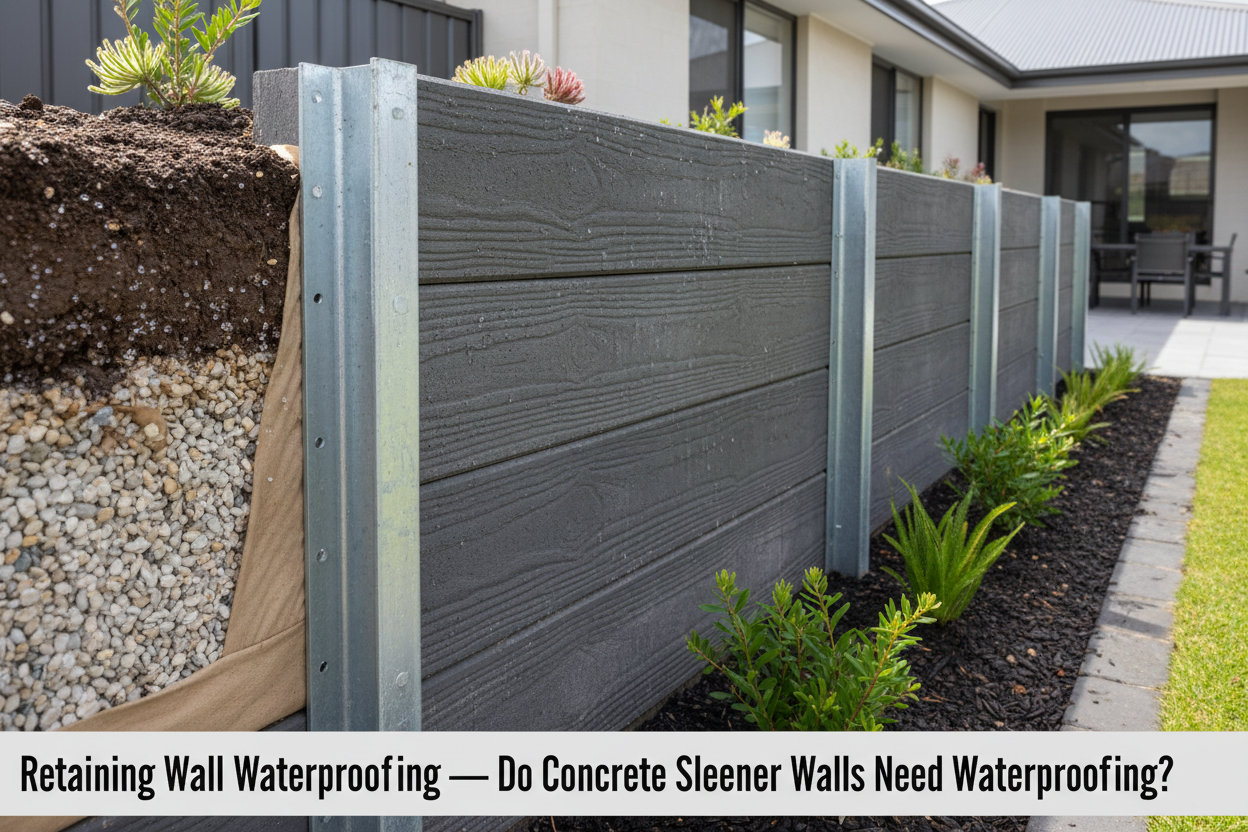
Concrete sleeper retaining walls do not require waterproofing in most residential applications — but they do require correct drainage. This guide explains when waterproofing adds value, what products are used, and why drainage is always the priority for long-lasting retaining walls in Australia.
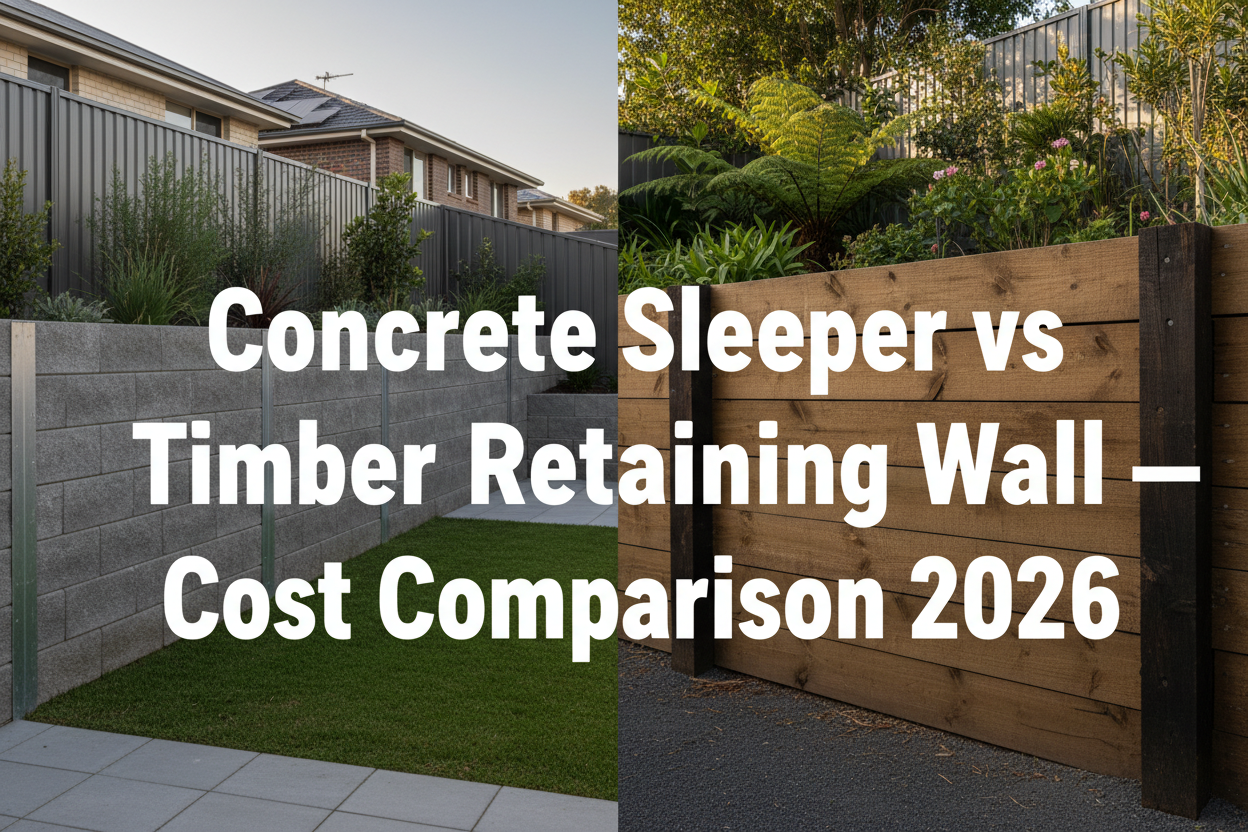
Concrete sleepers cost more upfront than treated pine timber, but last 3–4 times longer with zero maintenance. This 2026 cost comparison covers materials, installation, lifespan, council requirements, and total cost of ownership for Australian retaining walls.
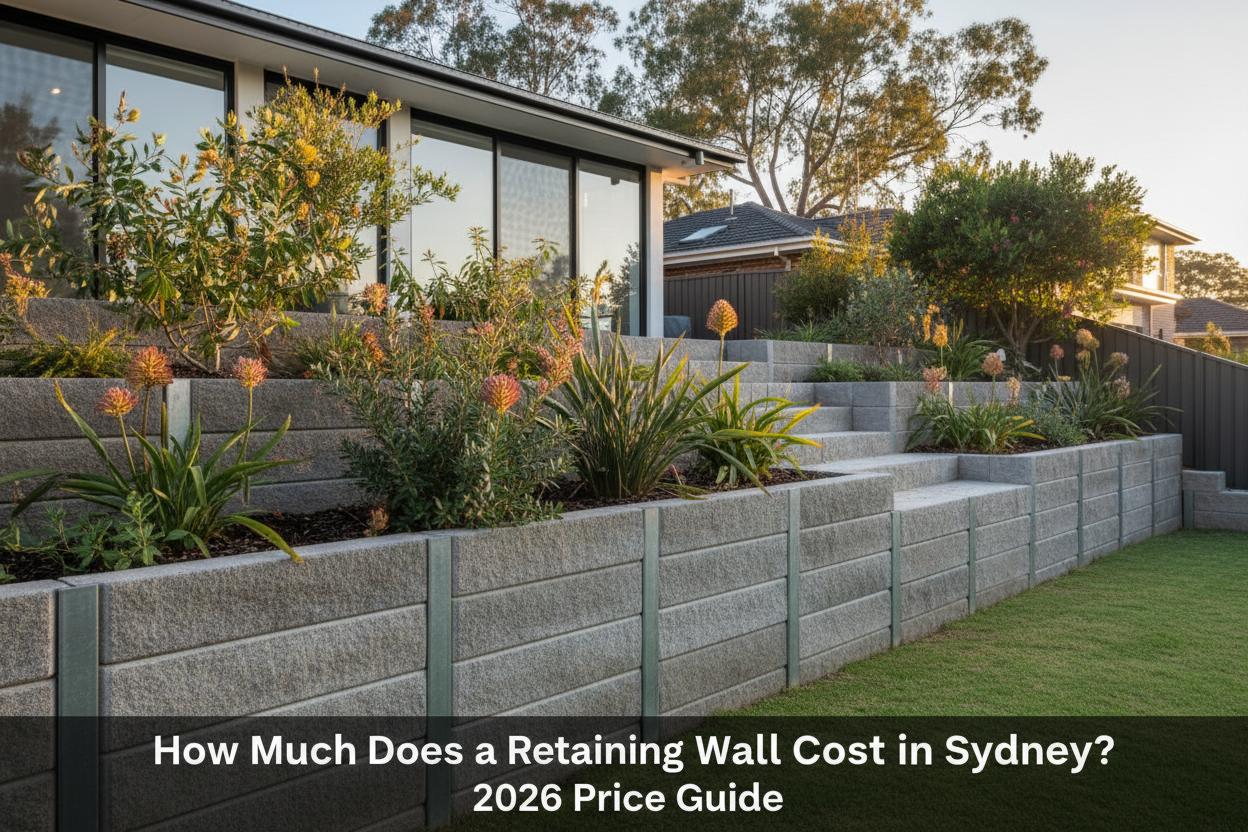
Retaining wall costs in Sydney range from $250/m to $650/m installed depending on wall height, soil type, access, and materials. This 2026 guide covers concrete sleeper wall pricing, DIY vs contractor costs, council permit fees, and what drives prices up in Sydney's clay-heavy suburbs.
An under-fence concrete plinth is a low concrete wall or beam installed beneath a fence line to close the gap between the bottom of the fence and the ground. This guide explains when plinths are required with retaining walls, how they are designed and built, and what materials to use.
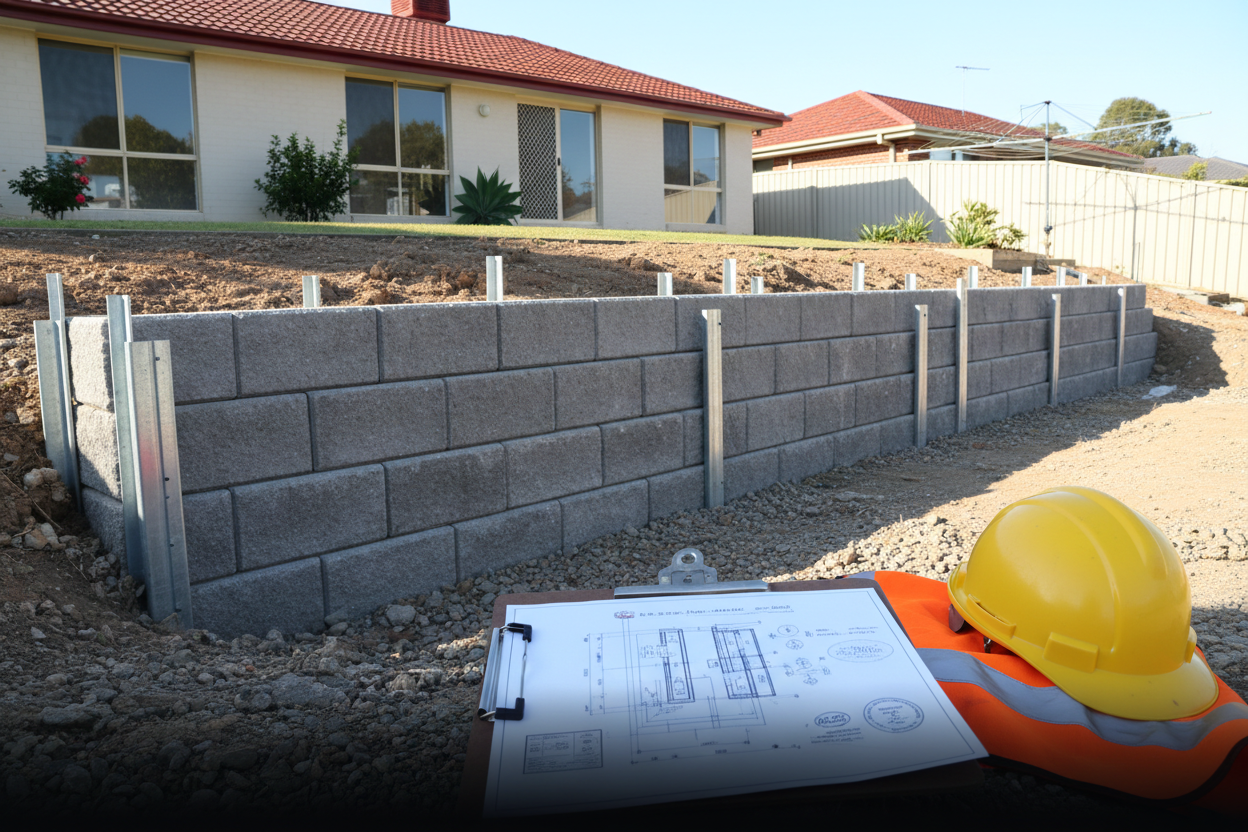
Getting council approval for a retaining wall in Australia involves checking your local height trigger, engaging a structural engineer if required, preparing drawings and documents, and lodging a development application or complying development certificate. This step-by-step guide walks you through the entire process.

Search