AS 4678 Certified | Trade Accounts Welcome | 40+ Years Experience

AS 4678 Certified | Trade Accounts Welcome | 40+ Years Experience

Dy-Mark Spot Marking Paint 350g
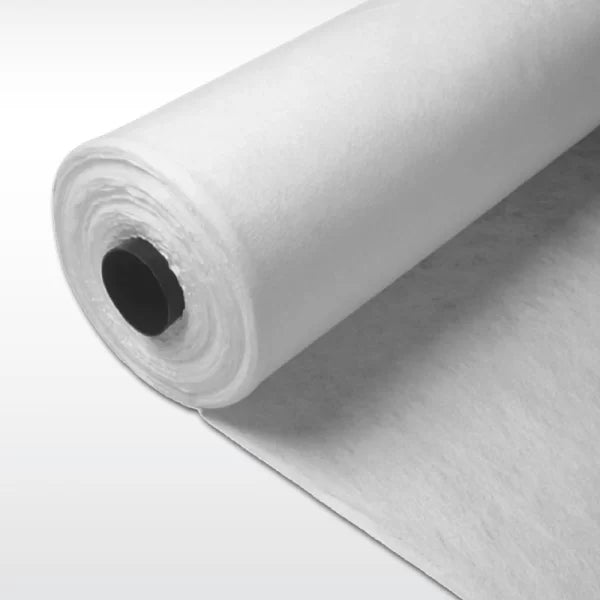
Geo Matting | Geotextile Fabric for Retaining Wall Drainage
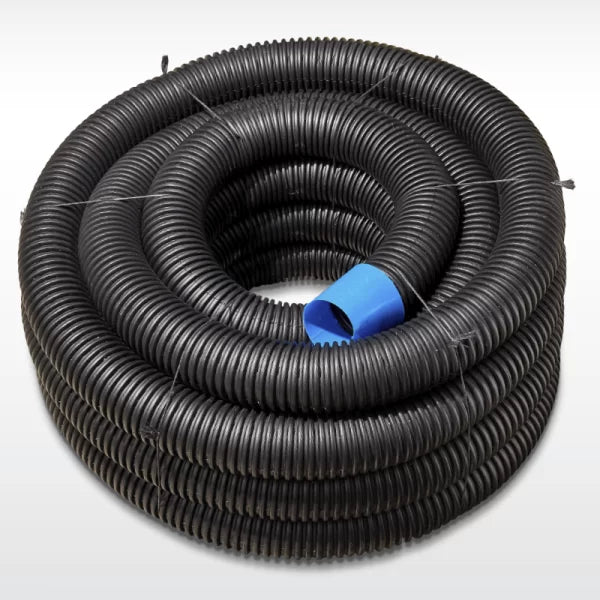
Ag Pipe 100mm x 20m | Slotted & Socked Drain Coil
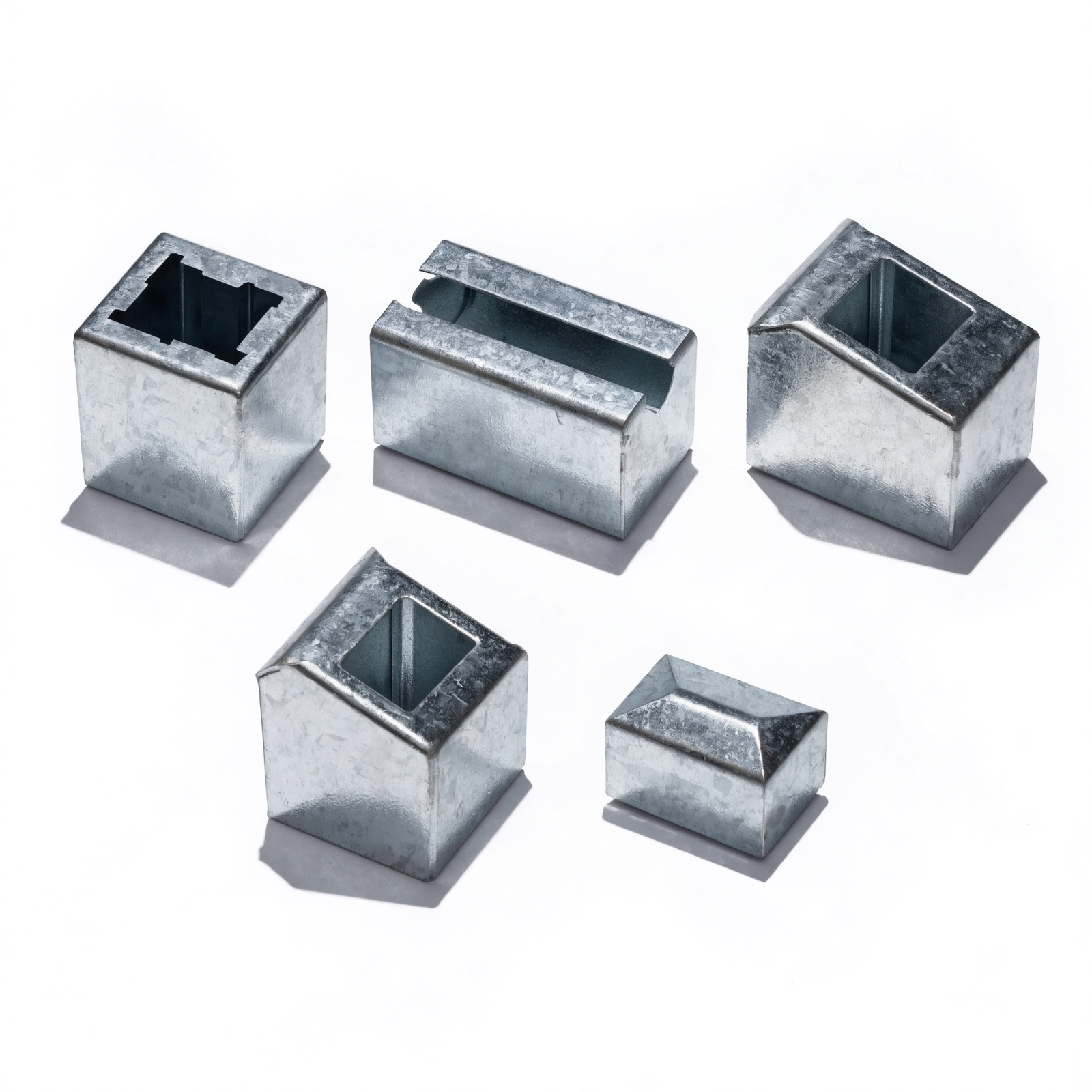
Galvanised Steel Post Caps
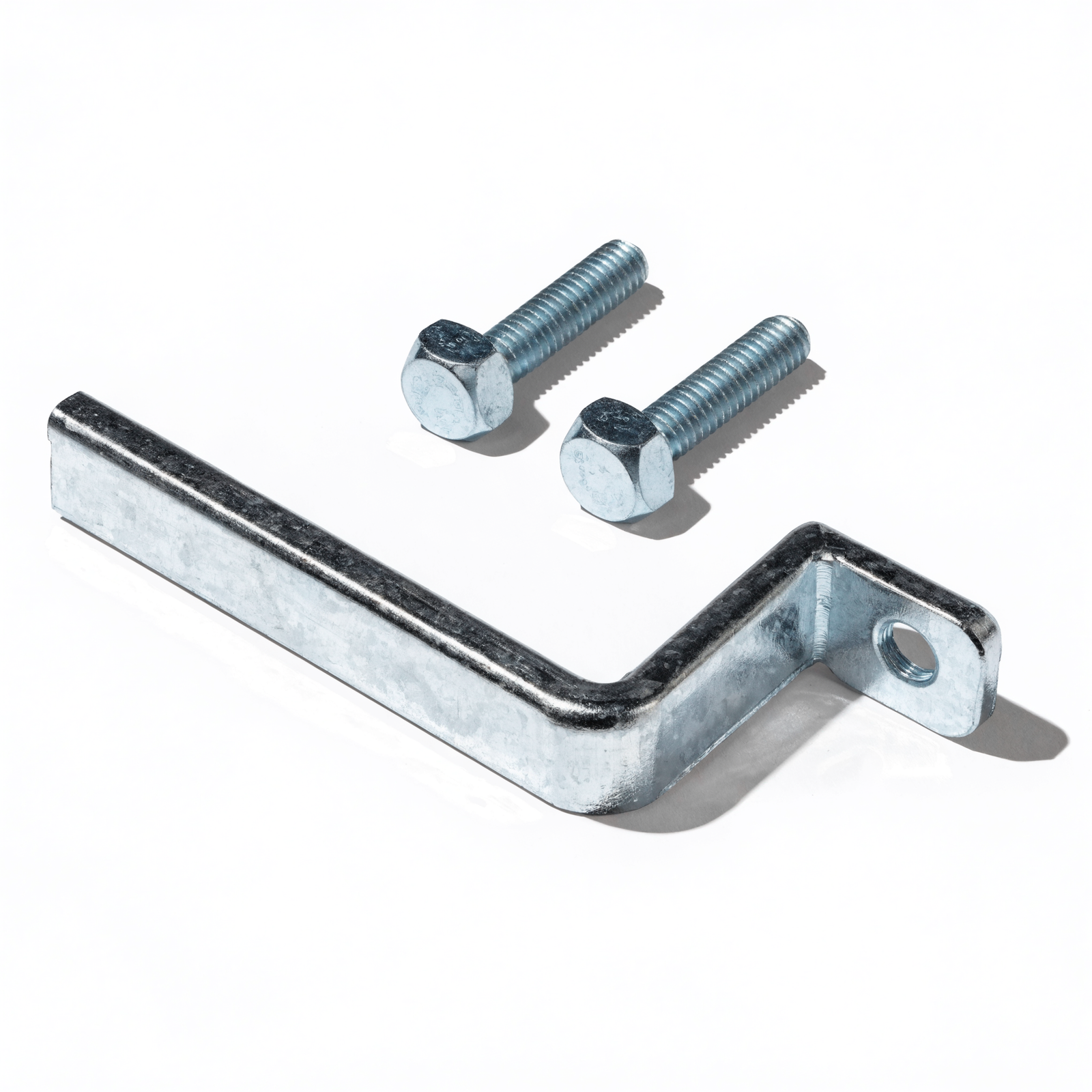
Galvanised Steel Fence Bracket Kit
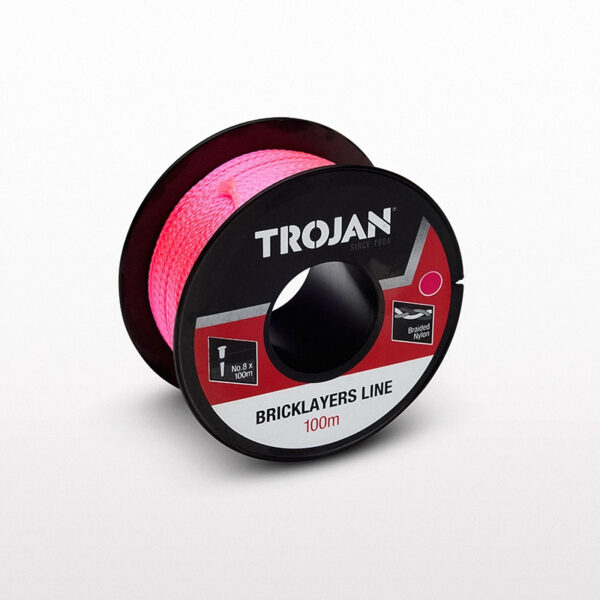
Builders Line Nylon Pink 100m

Material Estimator

Add your deal, information or promotional text

Retaining Wall Advice

Not every retaining wall needs a structural engineer — but many do, and getting it wrong can mean council fines, insurance issues, or a wall that fails. This guide explains exactly when engineering is required in Australia, what triggers the need for a permit, and what an engineer actually provides.
Choosing between H-beam and C-channel steel posts is one of the most important decisions in any retaining wall build. C-channel suits walls up to 1.0m in standard conditions. H-beam is required for taller walls, heavy surcharge loads, or wider post spacing. This guide explains exactly when to use each, with worked examples and Australian Standards references.
How deep should retaining wall posts be set in Australia? The standard rule is one-third of total post length in the ground — so a 1.5m post needs 500mm embedment for a 1.0m wall. This guide covers embedment depth by wall height, soil type adjustments, surcharge load rules, and worked examples for H-beam and C-channel posts.
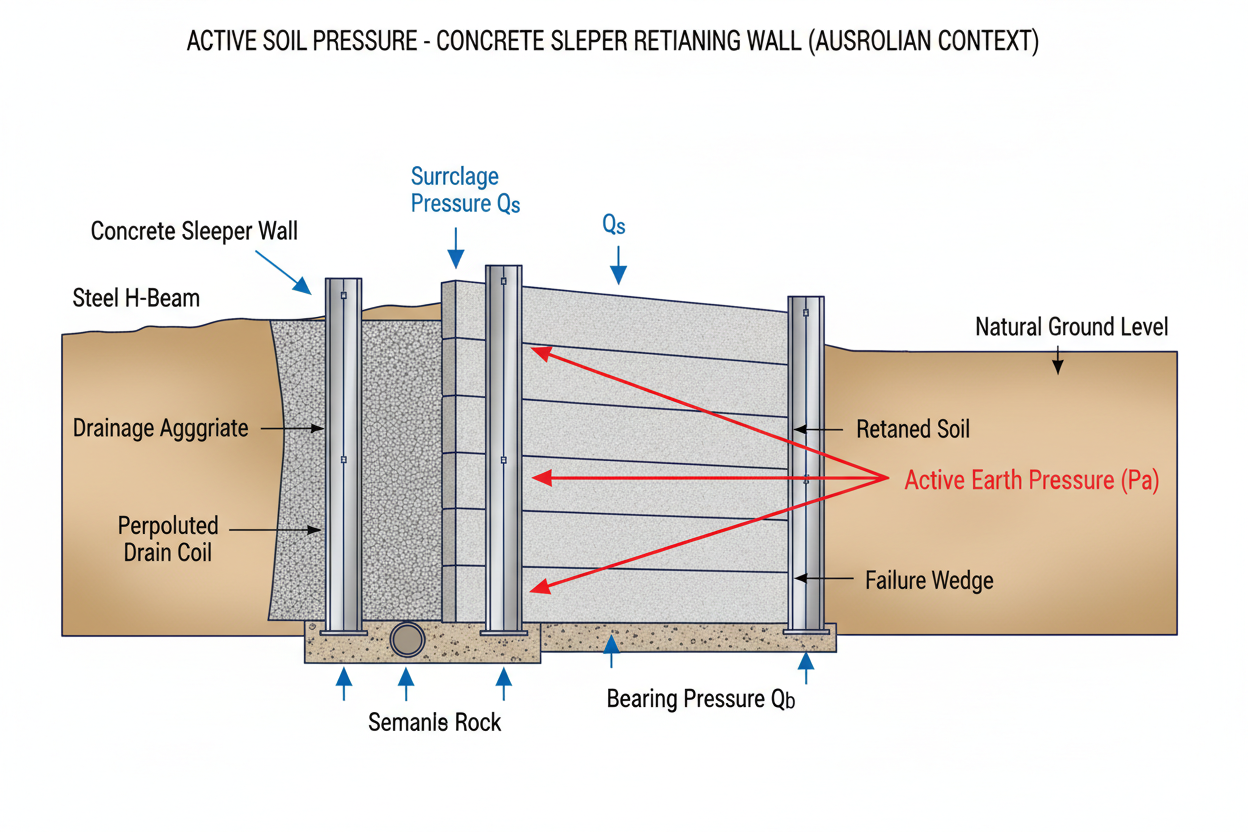
Active soil pressure is the lateral force that retained soil exerts on a retaining wall. Understanding it is essential for specifying the right post size, embedment depth, and sleeper strength for your site.
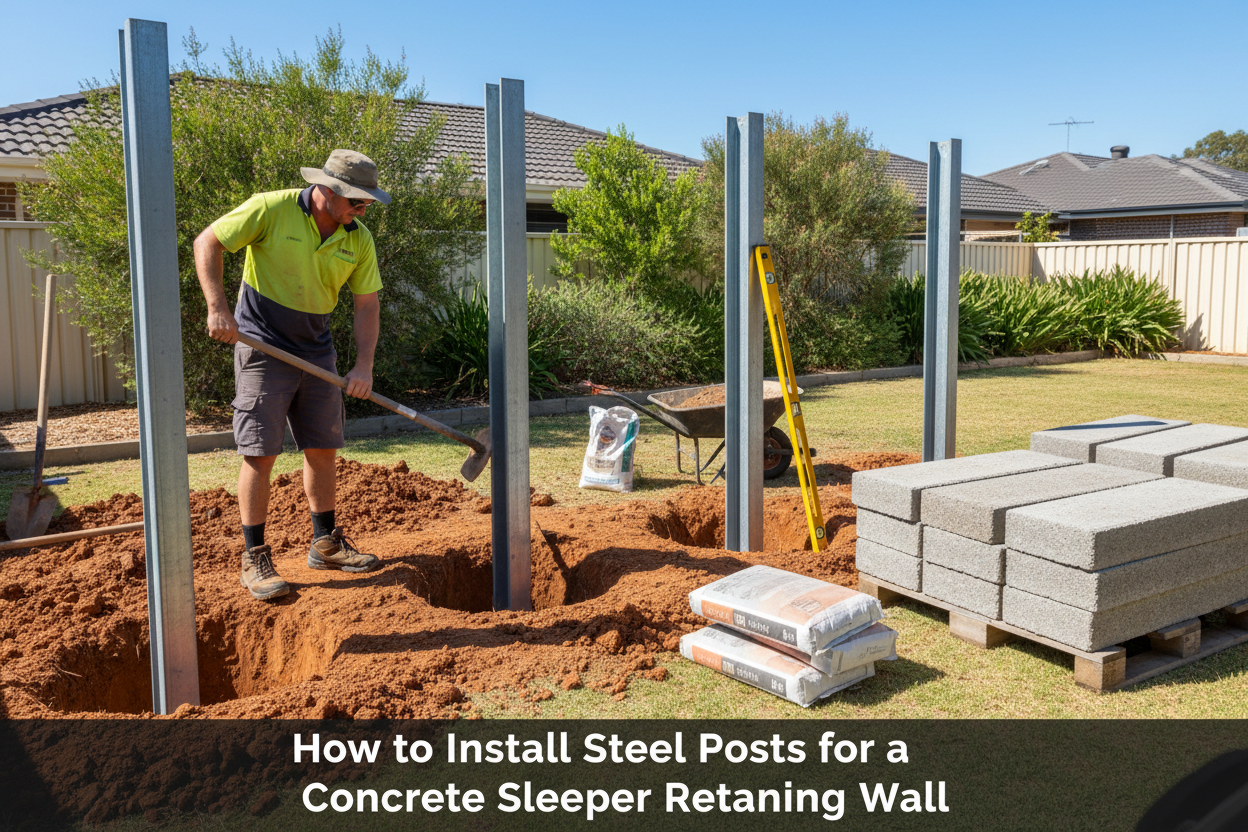
Getting your steel posts right is the most critical step in building a concrete sleeper retaining wall. This step-by-step guide covers post spacing, embedment depth, concrete mix, alignment, and common installation mistakes to avoid.
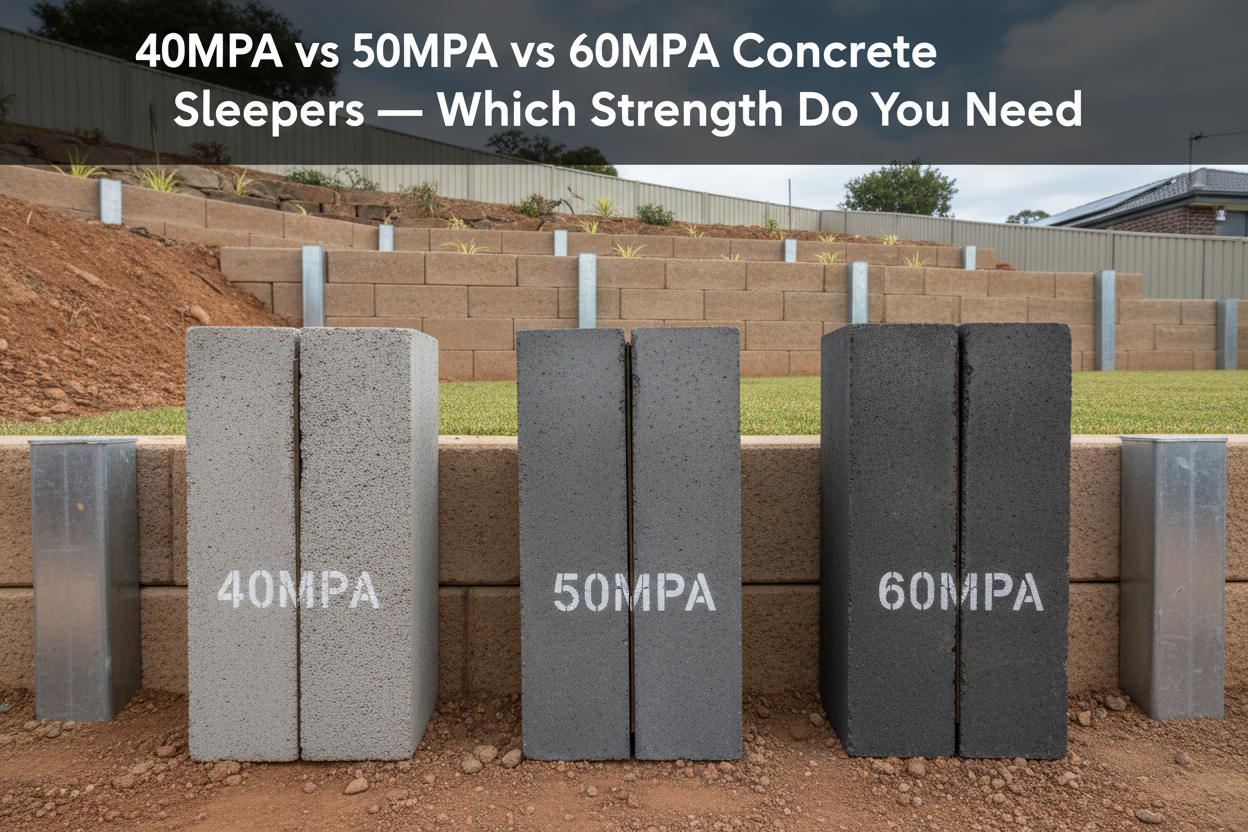
Choosing the wrong concrete sleeper strength is one of the most common retaining wall mistakes in Australia. This guide explains exactly when to specify 40MPa, 50MPa, or 60MPa sleepers based on wall height, soil type, and site conditions.
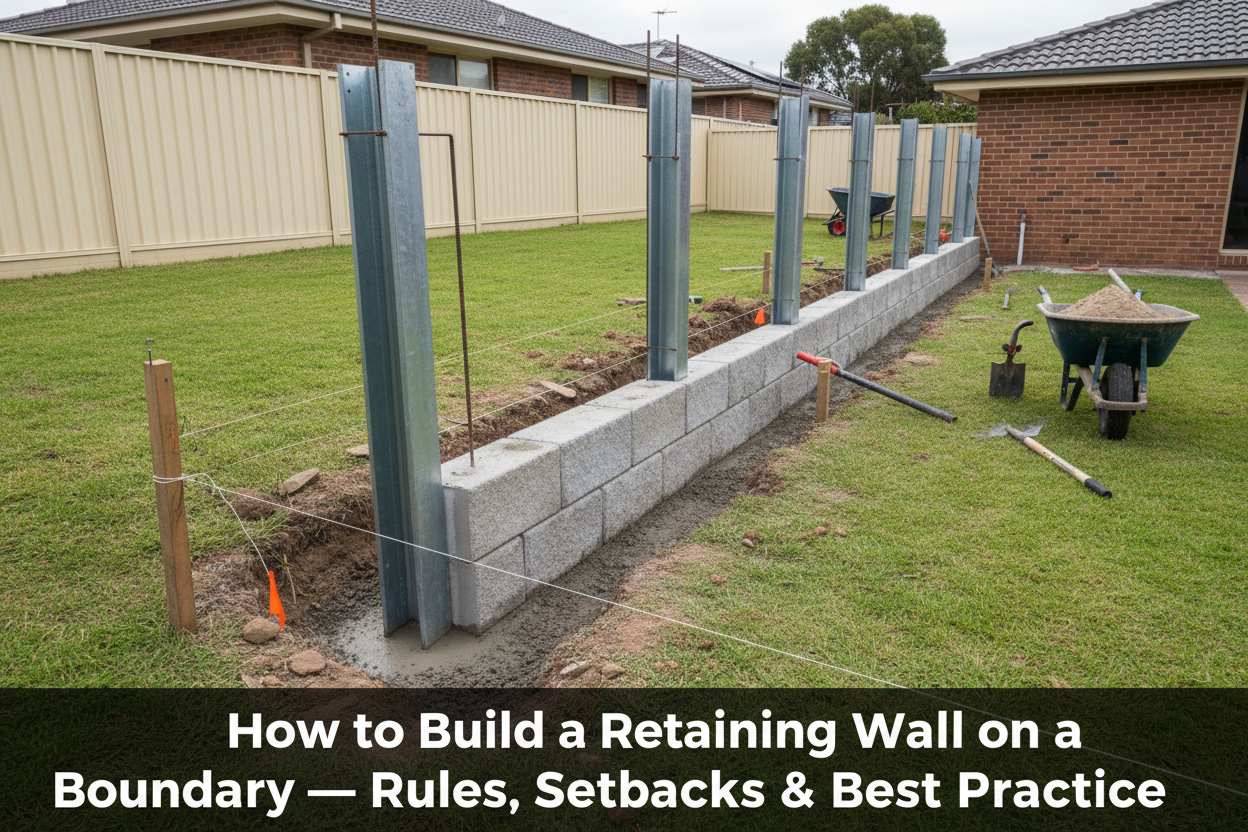
Building a retaining wall on a property boundary involves setback rules, council approvals, neighbour obligations, and drainage requirements. This guide covers everything you need to know to build a compliant, durable boundary wall in Australia.
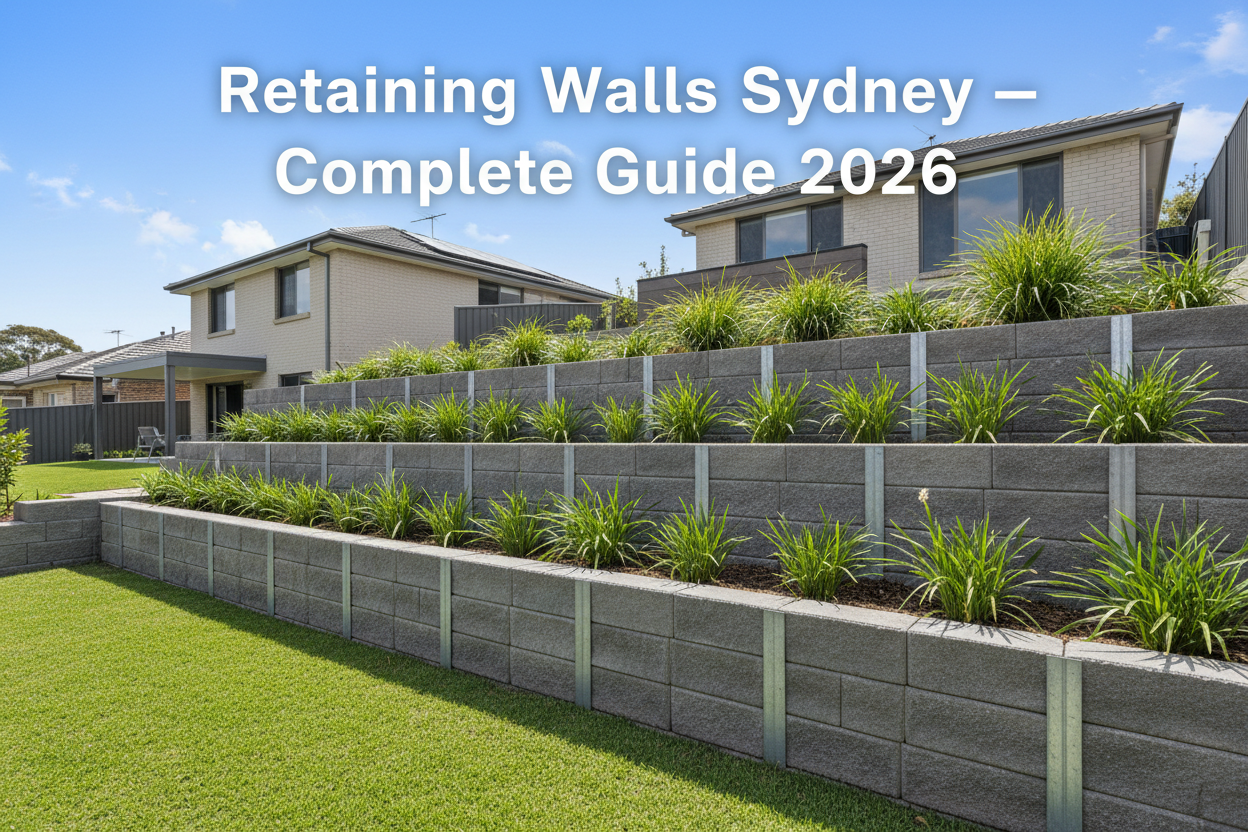
Everything Sydney homeowners and builders need to know about retaining walls — soil conditions by suburb, post selection, council approval, costs, and materials.
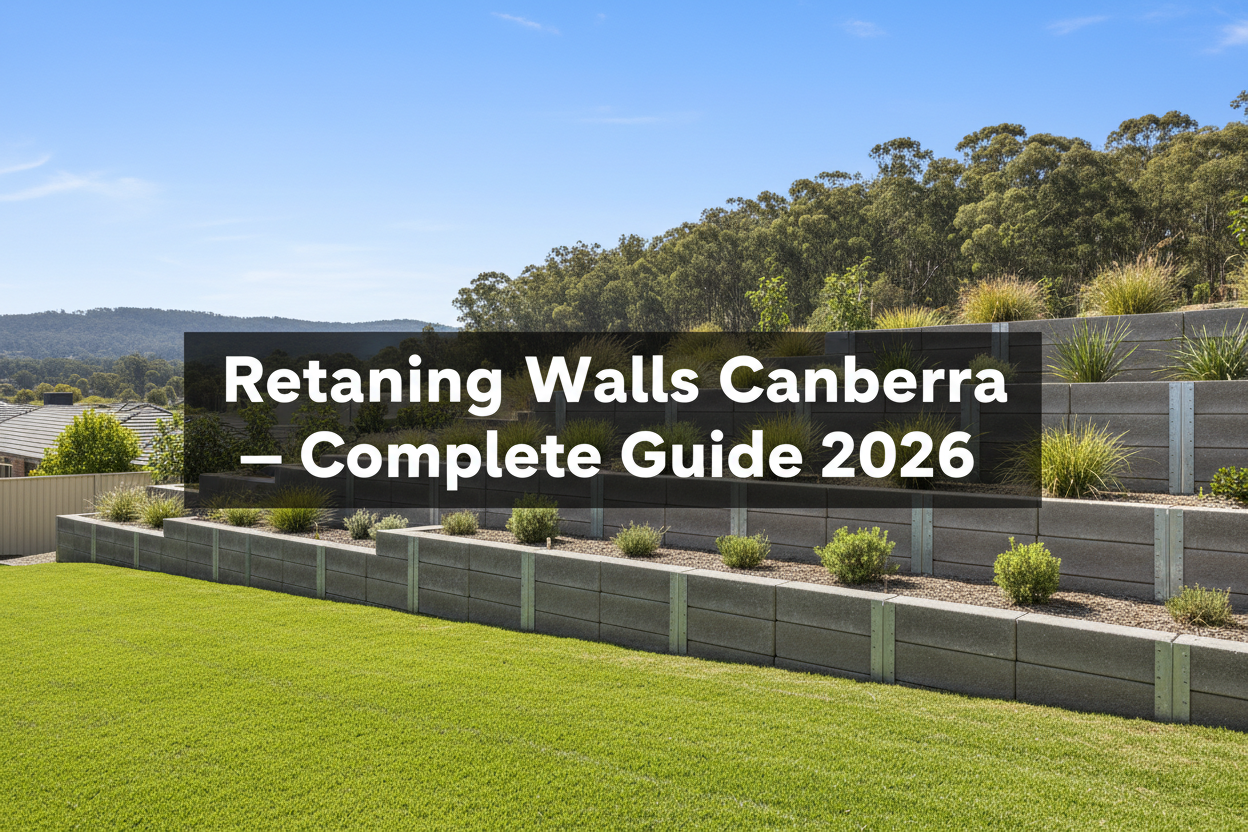
Everything Canberra homeowners and builders need to know about retaining walls — soil conditions, frost, DA requirements, costs, and materials.
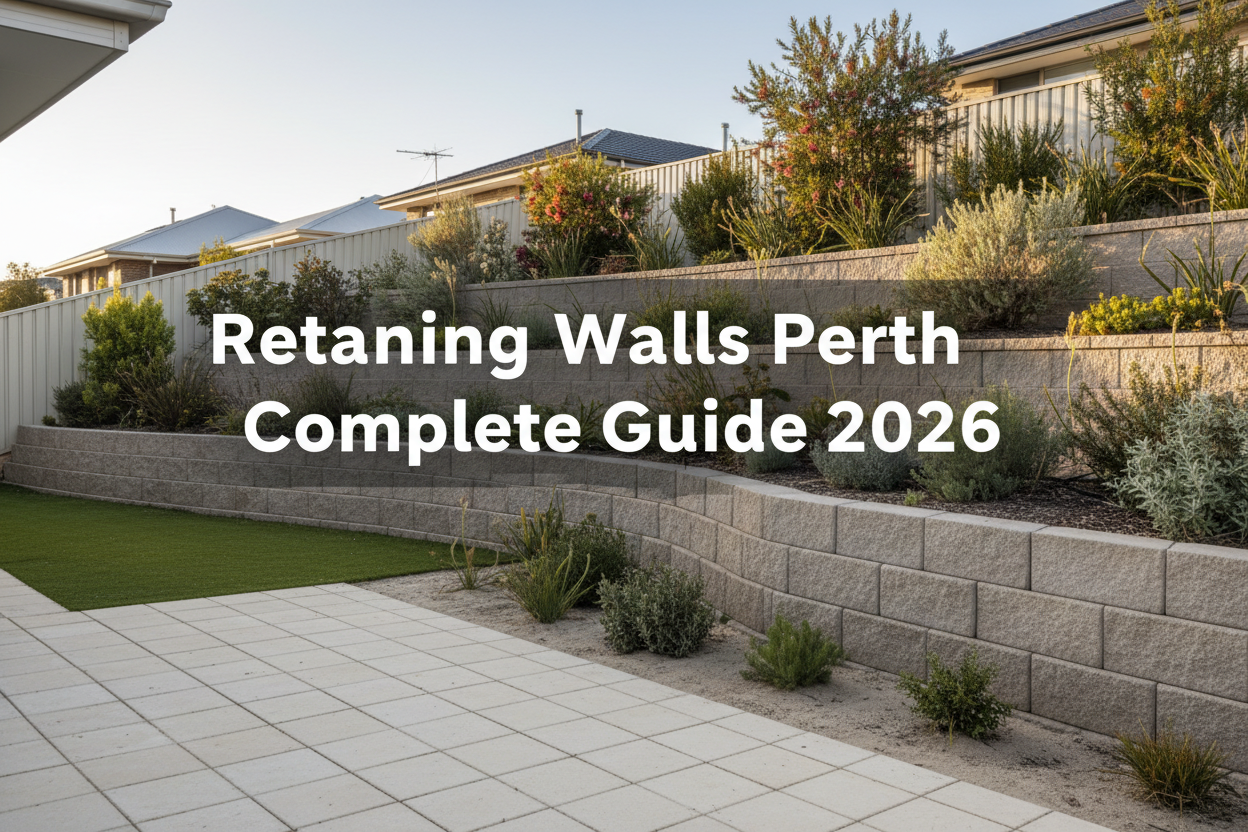
Everything Perth homeowners and builders need to know about retaining walls — soil conditions by suburb, post selection, council approval, costs, and materials.
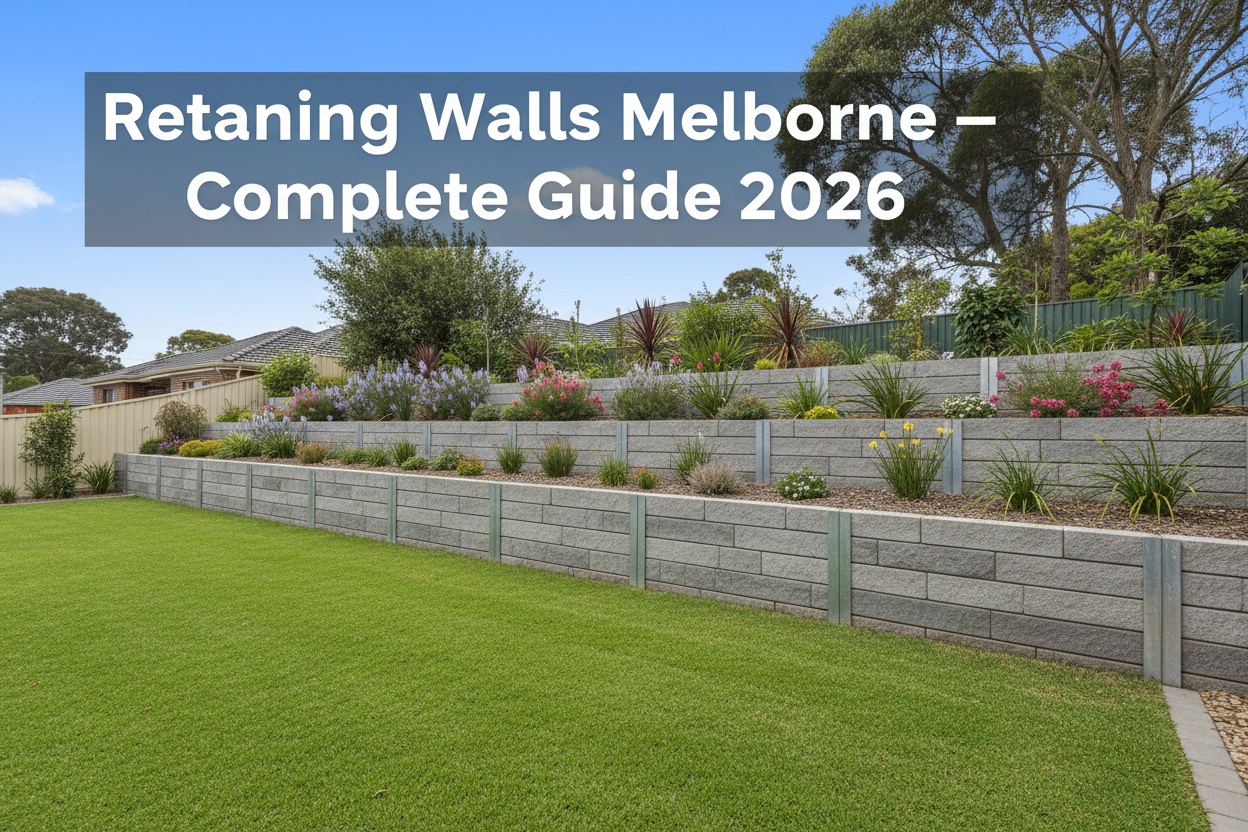
Everything Melbourne homeowners and builders need to know about retaining walls — soil conditions by suburb, post selection, council approval, costs, and materials.
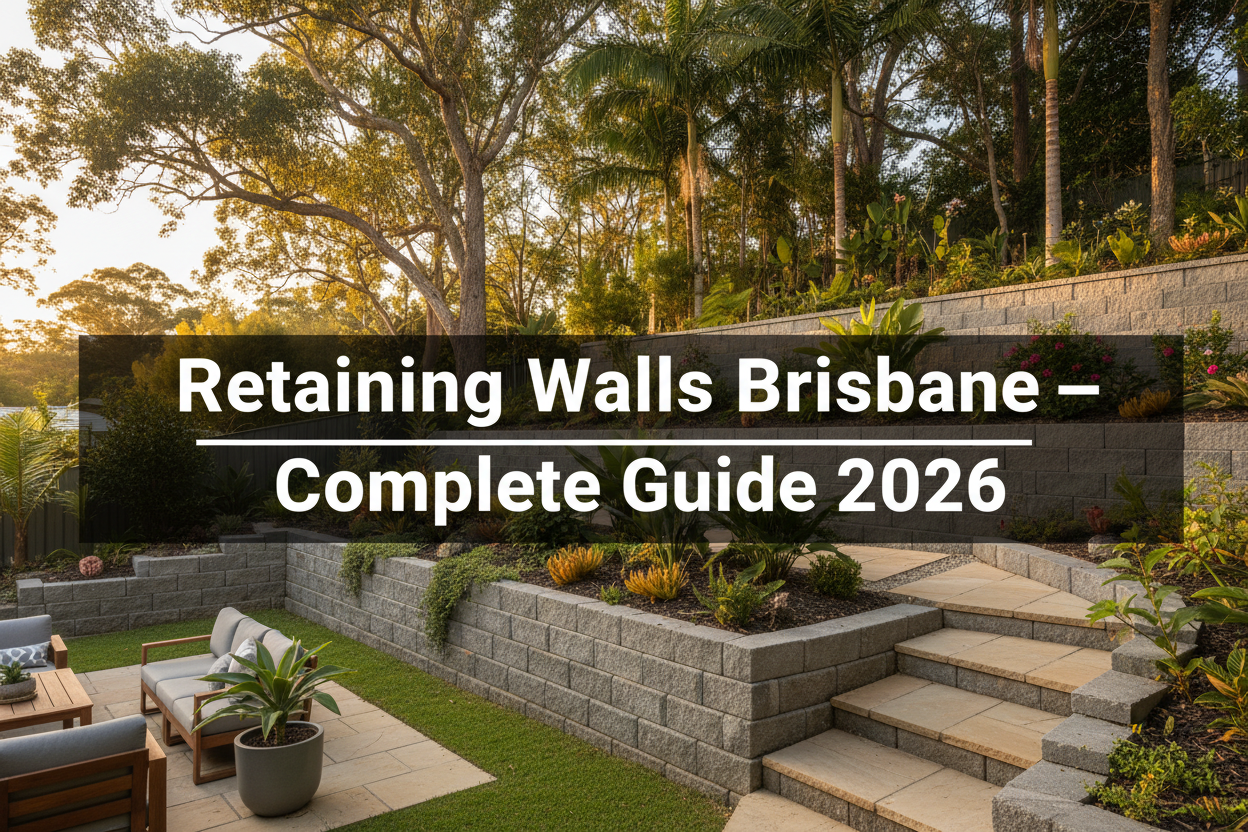
Everything Brisbane homeowners and builders need to know about retaining walls — soil conditions by suburb, post selection, council approval, costs, and materials.

Search