








The Good News: Concrete Sleepers Are Low Maintenance
One of the biggest advantages of a concrete sleeper retaining wall over timber is the near-zero maintenance requirement. Concrete doesn't rot, warp, or require re-treatment. A well-built concrete sleeper wall with proper drainage should last 50+ years with minimal intervention.
That said, "low maintenance" doesn't mean "no maintenance". An annual inspection and occasional minor attention will keep your wall performing at its best and catch any issues before they become expensive problems.
Annual Inspection Checklist
Inspect your retaining wall once a year — ideally after the wet season when any drainage or structural issues will be most visible. Check for:
Structural
- ☐ Wall is plumb (vertical) — no leaning or bowing outward
- ☐ Sleepers are in their original position — no displacement or movement
- ☐ No horizontal cracks in sleepers (particularly near the base)
- ☐ Posts are solid — no movement when pushed firmly
- ☐ No gaps between sleepers that weren't there originally
Drainage
- ☐ Weep holes are clear and unobstructed
- ☐ Weep holes flow freely during or after rain
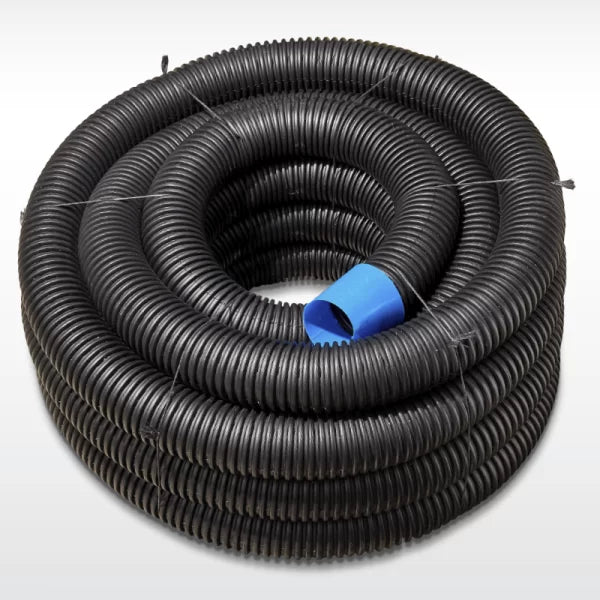
- ☐ Ag pipe outlet is clear and discharging correctly
- ☐ No waterlogging or ponding behind the wall after rain
- ☐ No soil or sediment washing out through weep holes
Surface Condition
- ☐ No significant efflorescence (white salt deposits) on the wall face
- ☐ No spalling or surface deterioration of the concrete
- ☐ If painted or rendered — no peeling, cracking, or blistering
Clearing Weep Holes
Weep holes are the most important maintenance item on any retaining wall. They should be checked and cleared at least once a year — more often if you have trees or shrubs near the wall that could cause root ingress.
To clear a blocked weep hole:
- Insert a length of stiff wire or a small screwdriver into the weep hole and work it back and forth to dislodge any blockage
- Flush with a garden hose to clear debris
- If the weep hole remains blocked, try a high-pressure hose nozzle
- If still blocked, the ag pipe behind the wall may be blocked — see our Drainage Problems & Fixes guide
Treating Efflorescence
Efflorescence is the white, powdery salt deposit that sometimes appears on concrete surfaces. It's caused by water moving through the concrete and depositing dissolved salts on the surface as it evaporates. It's generally a cosmetic issue rather than a structural one, but significant efflorescence can indicate excessive water movement through the wall — which may point to a drainage problem.
To treat efflorescence:
- Allow the wall to dry completely
- Brush off loose deposits with a stiff dry brush
- Apply a diluted efflorescence cleaner (available from hardware stores) and scrub with a stiff brush
- Rinse thoroughly with clean water
- If efflorescence recurs quickly and heavily, investigate your drainage — the wall may not be draining correctly
Maintaining Painted or Rendered Walls
If your wall is painted or rendered, additional maintenance applies:
- Painted walls: Inspect annually for peeling, chalking, or colour fade. Touch up chips and cracks promptly. Full repaint typically every 5–8 years depending on sun exposure. See our Paint & Render Guide for product recommendations.
- Rendered walls: Inspect for hairline cracks, particularly at sleeper joints. Fill any cracks with flexible exterior filler before they allow water ingress. Full repaint of render typically every 8–12 years.
Vegetation Management
- Keep plants and shrubs trimmed back from the wall face — root systems can block weep holes and create pressure behind the wall
- Don't plant large trees within 2m of a retaining wall — root systems can undermine post footings over time
- Remove any vegetation growing in weep holes or joints immediately
When to Call a Professional
Contact a structural engineer or licensed contractor immediately if you notice:
- The wall is visibly leaning or bowing outward
- Horizontal cracks in sleepers near the base of the wall
- Sudden movement after heavy rain
- Large sections of soil washing out behind the wall
- Posts that move when pushed
These are signs of potential structural failure — don't delay. Find a qualified contractor through our Partner Installer directory.
Replacing Individual Sleepers
One advantage of concrete sleeper walls over poured concrete is that individual sleepers can be replaced if damaged. To replace a sleeper:
- Carefully excavate behind the damaged sleeper to relieve soil pressure
- Slide the damaged sleeper out horizontally from between the posts
- Slide the new sleeper in from the end of the wall or from above if there's sufficient clearance
- Backfill and compact behind the new sleeper
- Restore drainage if disturbed
Contact us if you need a replacement sleeper to match your existing wall — book a free quote with your sleeper dimensions and finish.
Summary: Annual Maintenance in 30 Minutes
For most well-built concrete sleeper walls, annual maintenance takes less than 30 minutes:
- Visual inspection — check for leaning, cracks, and movement (5 min)
- Clear and flush weep holes (10 min)
- Check ag pipe outlet is clear (5 min)
- Treat any efflorescence (10 min if present)
That's it. Compare that to a timber sleeper wall that needs re-treatment, replacement of rotting sleepers, and ongoing structural monitoring — and you'll understand why concrete sleepers are the right long-term investment.
Leave a comment (all fields required)