








Why Drainage Problems Are So Serious
Poor drainage is the number one cause of retaining wall failure in Australia. When water builds up behind a wall and can't escape, it creates hydrostatic pressure — a force that pushes outward against the wall. Left unchecked, this pressure causes walls to lean, crack, bow, and eventually collapse.
The good news: most drainage problems can be identified early and fixed before they cause catastrophic failure. This guide covers the most common problems and what to do about them.
Warning Signs to Watch For
Inspect your retaining wall regularly, especially after heavy rain. Look for:
- Wall leaning or bowing outward — the most serious sign; indicates significant hydrostatic pressure buildup
- Cracks in sleepers — horizontal cracks near the base indicate bending stress from water pressure
- Soil or water seeping through the wall face — indicates drainage layer failure or blocked weep holes
- Waterlogged soil behind the wall — water not draining away after rain
- Blocked or dry weep holes — weep holes should flow freely during and after rain
- Efflorescence (white salt deposits) on the wall face — indicates water moving through the concrete
- Subsidence or settlement behind the wall — soil migrating into a failed drainage layer
Problem 1 — No Drainage Installed
Signs: Wall leaning or bowing, waterlogged soil behind wall, no weep holes visible.
Cause: Wall was built without ag pipe, drainage gravel, or weep holes — unfortunately common in older or DIY walls.
Fix: Partial or full demolition and rebuild with correct drainage. There is no effective retrofit for a wall with no drainage layer — the backfill must be excavated and drainage installed from scratch. See our drainage installation guide.
Problem 2 — Blocked Weep Holes
Signs: Weep holes not flowing during or after rain, water seeping through wall face at other points.
Cause: Weep holes blocked by soil, debris, or root ingress.
Fix: Clear weep holes with a length of wire or a high-pressure hose. If weep holes are completely blocked and can't be cleared, drill new weep holes through the bottom sleeper at 1.8–2.0m intervals using a 50mm core drill.
Problem 3 — Blocked Ag Pipe
Signs: Weep holes flowing but wall still leaning or soil waterlogged; ag pipe outlet not flowing after rain.
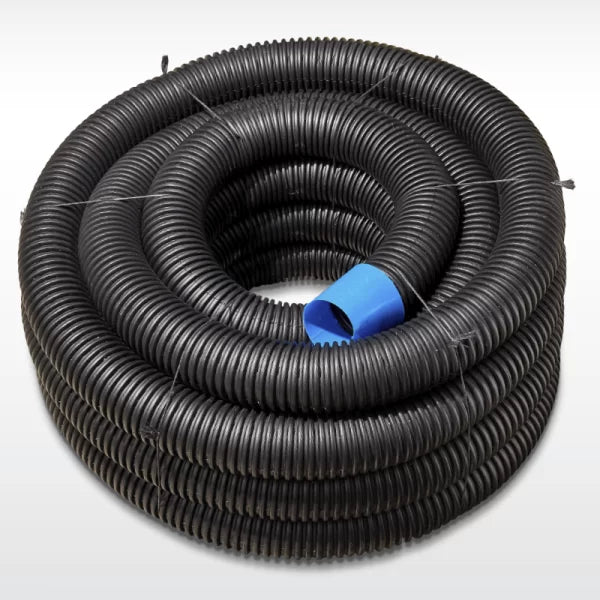
Cause: Ag pipe installed without a geotextile sock, allowing fine soil particles to block the slots over time.
Fix: If the outlet is accessible, try flushing the ag pipe with a high-pressure hose from the outlet end. If the pipe is fully blocked, the drainage layer will need to be excavated and replaced with new ag pipe wrapped in a geotextile sock. This is a significant repair — get a contractor involved.
Problem 4 — No Outlet for Ag Pipe
Signs: Ag pipe installed but no visible outlet; water still building up behind wall.
Cause: Ag pipe was installed without a proper outlet to daylight, stormwater, or a soakage pit.
Fix: Excavate to find the end of the ag pipe and extend it to a proper outlet point. Options include: daylighting at the end of the wall, connecting to a stormwater drain, or installing a soakage pit if no drain is available.
Problem 5 — Soil Migration into Drainage Layer
Signs: Subsidence or settlement behind the wall, drainage gravel becoming silted up, reduced drainage performance over time.
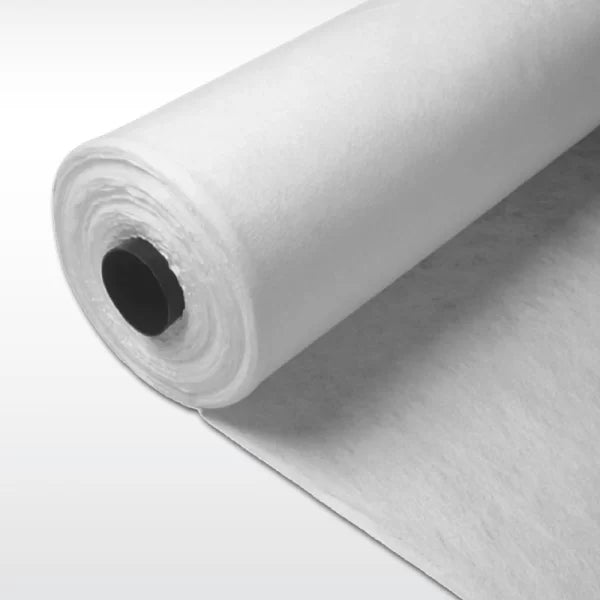
Cause: Geotextile fabric not installed or failed, allowing fine soil particles to migrate into the drainage gravel and reduce its permeability.
Fix: Minor cases can sometimes be improved by flushing the drainage layer with water. Severe cases require excavation and replacement of the drainage layer with new gravel and geotextile fabric.
Problem 6 — Wall Leaning or Bowing
Signs: Wall visibly out of plumb, posts leaning, sleepers displaced.
Cause: Hydrostatic pressure from drainage failure, insufficient post embedment depth, or posts undersized for the wall height and soil conditions.
Fix: A leaning wall is a structural emergency. Do not attempt to push it back — this can cause sudden collapse. Engage a structural engineer immediately to assess the wall and recommend a repair or rebuild strategy. In the meantime, keep people and vehicles away from the wall.
When to Call a Professional
Call a licensed contractor or structural engineer immediately if:
- The wall is visibly leaning or bowing
- Sleepers are cracked horizontally near the base
- The wall has moved suddenly after heavy rain
- You can see daylight under or through the wall
- The wall is near a building, pool, or boundary
Find a qualified contractor through our Partner Installers directory.
Prevention Is Always Cheaper Than Repair
The best fix for drainage problems is to install drainage correctly the first time. If you're building a new wall, follow our drainage installation guide and use our drainage kits — everything you need in one order.
Need advice on your specific situation? Contact our team or book a free quote and we'll help you find the right solution.
Leave a comment (all fields required)