









Building a retaining wall on or near a property boundary is one of the most common — and most misunderstood — situations in residential construction. Get it wrong and you're looking at disputes with neighbours, council enforcement action, or a wall that has to come down. Get it right and you've got a durable, compliant structure that adds value to both properties.
This guide covers everything you need to know: boundary setback rules, who owns the wall, shared cost obligations, council approval triggers, and the best materials for boundary retaining walls in Australia.
What Is a Boundary Retaining Wall?
A boundary retaining wall is any retaining structure built on, adjacent to, or straddling the legal boundary between two properties. These walls are typically required when there is a level difference between neighbouring blocks — common on sloping sites, subdivisions, and newly developed land.
Unlike a standard retaining wall set well within your property, a boundary wall introduces legal complexity around ownership, cost-sharing, and council approval.
How Close to a Boundary Can You Build a Retaining Wall?
There is no single national rule — setback requirements vary by state, council, and the height of the wall. As a general guide:
- Under 600mm high: Most councils allow construction at or near the boundary without approval, but you must not encroach onto the neighbouring property.
- 600mm–1000mm high: Many councils require a minimum setback of 300–600mm from the boundary, or a development application (DA).
- Over 1000mm high: Engineering certification and council approval are almost always required. Setbacks of 500mm–1000mm are common.
Always check with your local council before starting. Rules differ significantly between LGAs, and what's allowed in one suburb may require a DA in the next.
Who Owns a Boundary Retaining Wall?
Ownership of a boundary retaining wall depends on which side of the boundary it sits and which property benefits from it:
- Wall entirely on your land: You own it, you maintain it, you pay for it.
- Wall on the boundary (straddling): Generally considered a shared structure — both owners have rights and responsibilities.
- Wall on neighbour's land: They own it. You cannot build on or attach to it without permission.
The key legal principle in most Australian states is that the property that benefits from the retaining wall — i.e., the higher block — is generally responsible for its construction and maintenance. If your land is higher and is pushing soil toward your neighbour, the wall is your responsibility.
Do You Need Council Approval for a Boundary Retaining Wall?
In most cases, yes — especially if the wall is over 600mm–1000mm in height (the threshold varies by state and council). Here's a state-by-state summary:
- NSW: Exempt development allows retaining walls up to 600mm without approval if setback requirements are met. Over 600mm typically requires a CDC or DA.
- QLD: Retaining walls over 1m generally require building approval. Boundary walls may require neighbour notification.
- VIC: Walls over 1m on or near a boundary usually require a building permit. The Fences Act 2014 also applies to shared boundary structures.
- WA: Retaining walls over 500mm within 1.5m of a boundary require a building permit.
- SA: Walls over 1m or within 1m of a boundary typically require development approval.
When in doubt, contact your local council or engage a certifier before starting work.
Do You Need an Engineer for a Boundary Retaining Wall?
Engineering certification is required when:
- The wall is over 1m high (in most states)
- There is a surcharge load above the wall (driveway, shed, pool, building)
- The wall is on a boundary and council requires certified plans
- The soil conditions are poor (clay, fill, expansive soils)
- The wall is tiered or stepped
An engineer will specify post size, embedment depth, footing dimensions, drainage requirements, and sleeper thickness. For boundary walls, this documentation also protects you legally if a dispute arises with your neighbour.
Talking to Your Neighbour Before You Build
Even if you're not legally required to notify your neighbour, it's always good practice — and in some states it's mandatory for boundary works. Here's what to cover:
- Show them the proposed wall location and height
- Explain the drainage plan (water must not be directed onto their property)
- Discuss access requirements during construction
- If the wall benefits both properties, discuss cost-sharing
In Victoria, the Fences Act 2014 requires you to serve a Fencing Notice before carrying out boundary fencing or retaining work that the neighbour will contribute to. Similar provisions exist in other states under local fencing legislation.
Best Materials for a Boundary Retaining Wall
For boundary applications, you want materials that are durable, low-maintenance, and structurally reliable — because access for future repairs may be limited once the wall is built.
Concrete Sleepers with Steel Posts — The Best Choice
Concrete sleepers with hot-dip galvanised steel H-beam posts are the gold standard for boundary retaining walls in Australia. Here's why:
- 50+ year lifespan — no rot, no termites, no warping
- Structural integrity — handles surcharge loads from driveways, sheds, and pools
- Low maintenance — once built, they require virtually no ongoing work
- Clean finish — available in charcoal, woodgrain, and smooth finishes to suit any property
- Engineer-certifiable — concrete sleeper systems can be engineered and certified for council approval
For boundary walls, we recommend 100mm concrete sleepers for walls over 1m, paired with H-beam steel posts at 1800–2000mm centres. Posts should be embedded a minimum of one-third of the total wall height, with a concrete footing at the base.
Timber Sleepers — Not Recommended for Boundaries
Timber sleepers are not suitable for boundary retaining walls. They rot over time, require replacement every 10–15 years, and access for replacement on a boundary is often impossible without disturbing the neighbouring property. Avoid timber for any permanent boundary structure.
Drainage — Critical for Boundary Walls
Poor drainage is the number one cause of retaining wall failure — and on a boundary, a failed wall can damage your neighbour's property and expose you to significant liability.
Every boundary retaining wall must include:
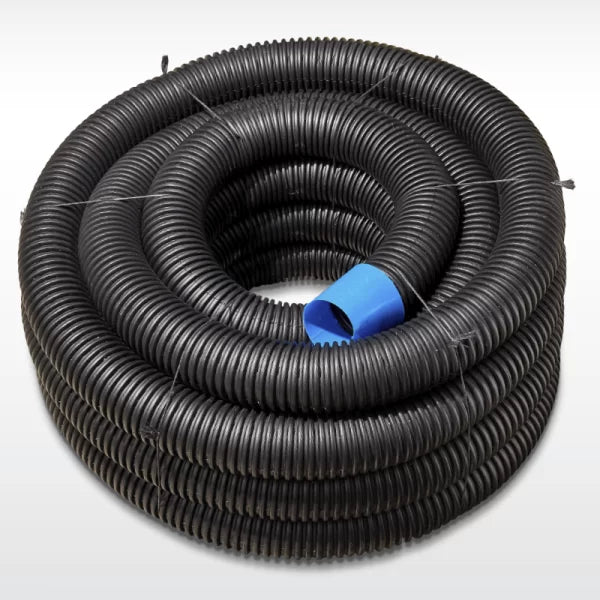
- Ag pipe (agricultural drain): 100mm slotted ag pipe wrapped in geotextile sock, laid at the base of the wall with a fall to a discharge point
- Drainage aggregate: 20mm clean crushed rock backfilled behind the wall to at least 300mm depth
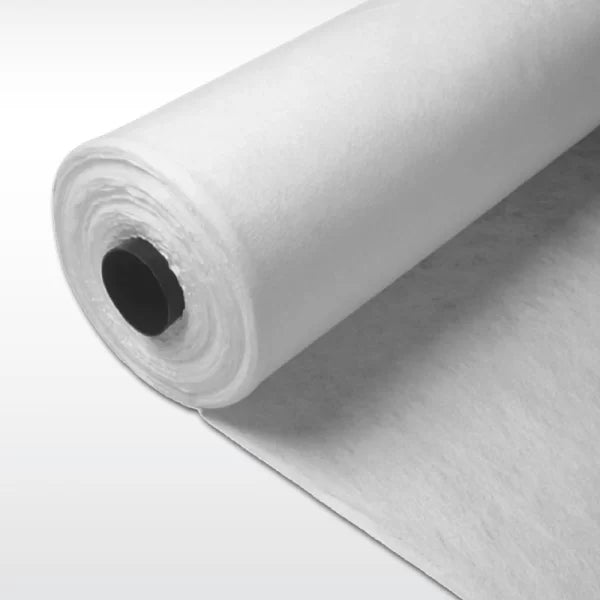
- Geotextile fabric: Laid between the aggregate and the retained soil to prevent fines migration
- Weep holes: If using a solid wall system, weep holes every 1800mm allow pressure relief
Water must be discharged to a legal point — stormwater drain, kerb, or easement. It must never be directed onto the neighbouring property.
Construction Tips for Boundary Retaining Walls
- Set out carefully: Confirm the boundary with a surveyor before digging. Encroaching even 50mm onto a neighbour's land can cause serious legal issues.
- Protect the neighbour's property during construction: Use temporary fencing or hoarding if needed.
- Don't disturb existing structures: If the neighbour has an existing fence, garden, or structure near the boundary, plan your construction sequence to avoid damage.
- Document everything: Photograph the site before, during, and after construction. This protects you if a dispute arises later.
- Get it in writing: If cost-sharing is agreed with your neighbour, document it formally.
What Happens If You Build Without Approval?
Building a boundary retaining wall without required council approval can result in:
- An order to demolish and remove the wall
- Fines from the council
- Difficulty selling your property (unapproved structures must be disclosed)
- Liability if the wall fails and damages the neighbouring property
It's never worth the risk. Get the approvals, engage an engineer if required, and build it right the first time.
Summary — Boundary Retaining Wall Checklist
- ✅ Confirm boundary location with a surveyor
- ✅ Check local council setback and approval requirements
- ✅ Notify your neighbour (mandatory in some states)
- ✅ Engage an engineer if the wall is over 1m or has surcharge loads
- ✅ Use concrete sleepers and galvanised steel posts for longevity
- ✅ Install ag pipe, drainage aggregate, and geotextile fabric
- ✅ Discharge water to a legal point — never onto the neighbour's property
- ✅ Document the build with photos before, during, and after
Need concrete sleepers or steel posts for your boundary retaining wall? Browse our concrete sleeper range or view our steel post options. We deliver Australia-wide and can help you spec the right materials for your project.

Gareth Howard
October 17, 2026
Good and accurate advice