








Retaining walls fail for a handful of common reasons, mostly drainage, soil pressure, age, and overloading, and they show it through a short list of visible signs: leaning, cracking, bulging, gaps, water pooling, erosion, or movement at the base. This guide is your starting point. Below, you'll find a quick way to work out what's actually wrong, then a link to the full guide that covers it properly.

How to Use This Guide
This page is a starting point, not the full answer. Retaining wall problems cluster into a handful of common patterns, and this guide helps you find the right detailed article fast rather than making you read everything to find your specific issue.
- See a specific problem right now? Jump straight to Signs Your Retaining Wall Is Failing to identify it.
- Already know what's wrong, deciding what to do? Go to Repair vs Replace.
- Planning a new wall near trees, or researching a cause? Use the links below to go straight to the relevant guide.
- Ready to start the physical work? Our removal and replacement guide covers the whole process step by step.
- Each section here is a short overview. None of them go deep, that's what the full guides linked throughout are for.
What's Wrong With Your Wall? Quick Diagnostic
If you're standing in your backyard looking at a wall that doesn't look right, start here. Match what you're seeing to the closest option below, and follow the link straight to the guide that covers it.
- Wall is leaning or tilting → Signs of failure, then Repair vs replace
- Cracks in the wall or cap → Retaining wall cracks
- Bulging, gaps, or water pooling after rain → Signs of failure
- Wall is old and you're not sure if that's the problem → How long walls last
- Roots or a tree growing close to the wall → Trees and root damage
- You've already decided to replace it → How to remove and replace
- You want to understand what's actually causing problems, not just the symptom → Why walls fail
- Still not sure which of these matches your wall → Signs of failure covers the full range of visible symptoms, roughly in order of urgency, and what each one usually means.

The 7 Most Common Retaining Wall Problems
Across thousands of retaining walls, the same handful of problems show up again and again. Knowing the pattern helps you recognise which one you're dealing with faster than troubleshooting from scratch.
- Leaning or tilting, usually soil pressure overcoming the wall or its footing.
- Cracking, ranging from cosmetic shrinkage to serious structural warning signs, depending on the crack's type and direction.
- Bulging or bowing, often a sign the wall material itself, not just the posts or footing, is being overloaded.
- Drainage failure, the single most common underlying cause behind many of the other visible problems on this list.
- Tree root damage, both direct physical damage to joints and cracks, and indirect moisture-related soil pressure changes.
- Age-related material failure, every material has a working life, and problems tend to cluster as a wall approaches the end of it.
- Overloading, something added above or behind the wall after it was built, a driveway, structure, or significant extra fill, that the original design didn't account for.
Each of these is covered in full in its own guide, linked throughout this page, so you're never more than one click from the detail you actually need.
Why Retaining Walls Fail
Every retaining wall is resisting a constant sideways push from the soil behind it. When a wall fails, something that was helping it win that fight, drainage, footing, sizing, or the material itself, has stopped doing its job.
- Poor or blocked drainage is the number one cause, letting water pressure build up behind the wall that it was never designed to hold.
- Inadequate footings, wrong post sizing, and soil type all affect how much pressure a wall can actually resist before it moves.
- Overloading from what's built above or behind the wall, tree roots, material age, and construction shortcuts round out the rest.
- Most failing walls have more than one of these happening together, not just one isolated cause, which is why fixing the obvious symptom doesn't always fix the real problem.
Read the full guide to why walls fail →
Types of Retaining Wall Cracks & What They Mean
A crack is one of the most common reasons people start researching retaining wall problems in the first place, and understandably so, it's visible and it's new. The direction and behaviour of a crack tell you most of what you need to know.
- Hairline, vertical cracks are usually cosmetic, especially in a concrete cap, and often just shrinkage from curing.
- Horizontal cracks are the most serious type, typically meaning the wall is being pushed outward by soil pressure.
- Stair-step cracks in block walls point to uneven foundation settling rather than even pressure from behind.
- Whether a crack is growing matters more than how wide it is today, a stable crack is lower concern than a changing one of any size.
Read the full guide to retaining wall cracks →
How Long Should Your Retaining Wall Last?
Knowing roughly how long your wall's material is supposed to last helps you judge whether a problem you're seeing is a sign of something going wrong early, or just the material reaching a normal end of life.
- Concrete sleepers: 50–80+ years, the longest-lasting common material for Australian conditions.
- Treated pine: 15–25 years, with decay often starting from the inside near ground contact.
- Hardwood: 20–40 years, varying considerably by species and site conditions.
- Besser block: 40–60 years. Stone or boulder: 50–100+ years.
- Drainage quality, soil conditions, and build quality shift any individual wall up or down within these ranges.
Read the full guide to retaining wall lifespan →
Repair vs Replace: Making the Right Call
This is the decision most people land on this page to make, and getting it right the first time matters, since fixing the wrong one wastes money either way.
- Localised, traceable problems in an otherwise sound wall, a blocked drain, a single cracked sleeper, are usually repairable.
- Base movement, widespread damage across most of the wall's length, or a wall nearing the end of its material's life usually means replace.
- Repairing without fixing the underlying cause often means paying for the same fix twice within a year or two.
- A quick decision checklist and side-by-side comparison table help you work out which applies to your specific wall.
Read the full repair vs replace guide →
Tree Root Damage & Prevention
Tree roots damage retaining walls in two distinct ways, and both are more common across Australian gardens than most homeowners expect.
- Roots can physically force their way into existing cracks and joints, widening them as the root grows.
- Large, established trees also draw significant moisture from the soil, changing the pressure it puts on a wall, particularly in reactive clay.
- Safe planting distance depends on tree species and mature size, not just the size of the tree when it was planted.
- A dedicated root barrier, not general drainage fabric, is the right tool for preventing new root damage near an existing or planned wall.
Read the full guide to trees and root damage →
How to Remove & Replace a Failing Wall
Once you've decided a wall needs replacing, this is the action guide, covering the whole job from first permit to finished build.
- The right order: approvals and services first, relieve pressure and divert water, remove the old wall in sections, prepare the site, install drainage, then build.
- Drainage goes in before the new wall, not after, it's the step most often rushed or skipped, and the one most likely to cause a repeat failure if it is.
- A full materials checklist covers everything from sleepers and posts to drainage, fasteners, and finishing hardware.
- DIY suits a low, simple wall with straightforward access; anything taller, near a structure, or needing approval is worth a professional quote.
Read the full step-by-step removal and replacement guide →
This Guide at a Glance
| Article | Covers | Best if you... |
|---|---|---|
| Signs of failure | The 7 visible warning signs and their severity | Are looking at a wall and something seems off |
| Why walls fail | The underlying causes, drainage, soil, footings, overloading | Want to understand the root cause, not just the symptom |
| Retaining wall cracks | Crack types, severity, and when to worry | Have noticed cracking specifically |
| How long walls last | Typical lifespan by material | Have an older wall and wonder if age is the issue |
| Repair vs replace | A decision framework for fixing vs rebuilding | Know something's wrong and need to decide what to do |
| Trees and root damage | Root damage, safe distances, root barriers | Have a tree near your wall, or are planning one |
| Remove and replace | The full step-by-step replacement process | Have decided to replace and want to know how |
Prevention: How to Avoid Problems in the First Place
Most of the problems covered on this page are preventable with the right decisions at the planning and build stage, well before a wall ever shows signs of trouble.
- Get drainage right from the start, ag pipe, geotextile fabric, and free-draining backfill behind the wall, rather than retrofitting it after a failure.
- Size footings and posts to the wall's actual height and soil conditions, not a generic default that happened to work on a different site.
- Keep new loads, driveways, structures, significant extra fill, away from an existing wall unless it was specifically designed to carry them.
- Keep trees at a safe distance for their mature size, or plan for a proper root barrier if planting close to a wall.
- Choose a material suited to how long you actually need the wall to last, not just the lowest upfront cost.
When to Call a Structural Engineer
Some situations genuinely call for a professional assessment rather than DIY troubleshooting, and knowing when to make that call is as important as any of the diagnosis above.
- A lean or bulge that's visibly worsening over a period of weeks, not just present.
- Movement at the base or footing of the wall, the clearest sign the foundation itself has failed.
- A wall over about one metre showing any of the more serious failure signs covered in this guide.
- Horizontal cracks, or any cracking appearing alongside other symptoms like leaning or water pooling.
- Any wall near a structure, driveway, or boundary where a failure would be costly or dangerous.
- Most Australian states also require engineering sign-off for walls over a certain height, independent of whether the wall is actually showing problems. Check your state's requirements before planning any work on a taller wall.
Materials for Building a Wall That Won't Fail
If you've worked through this guide and landed on building new or replacing what's there, material choice is one of the biggest levers you have over how long the wall lasts and how little trouble it gives you.
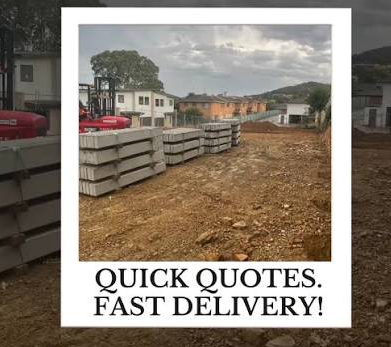
- Concrete sleepers: the longest-lasting option for Australian conditions, resistant to rot, termites, and the wet-dry cycling that affects timber. See our concrete sleepers collection.
- Steel posts: paired with concrete sleepers, properly galvanised to resist corrosion over the wall's full working life. See our steel posts collection.
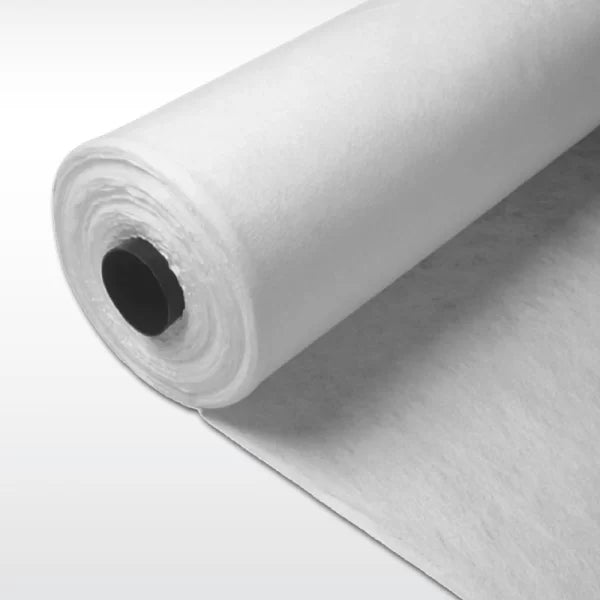
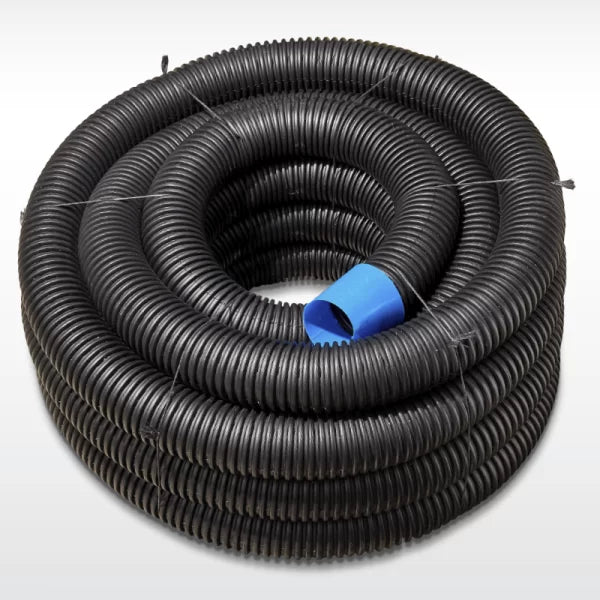
- Drainage: ag pipe, geotextile fabric for filtration and soil separation, and free-draining backfill, the single biggest factor in whether a new wall reaches its full expected lifespan. See our drainage kits and ag pipe collection.
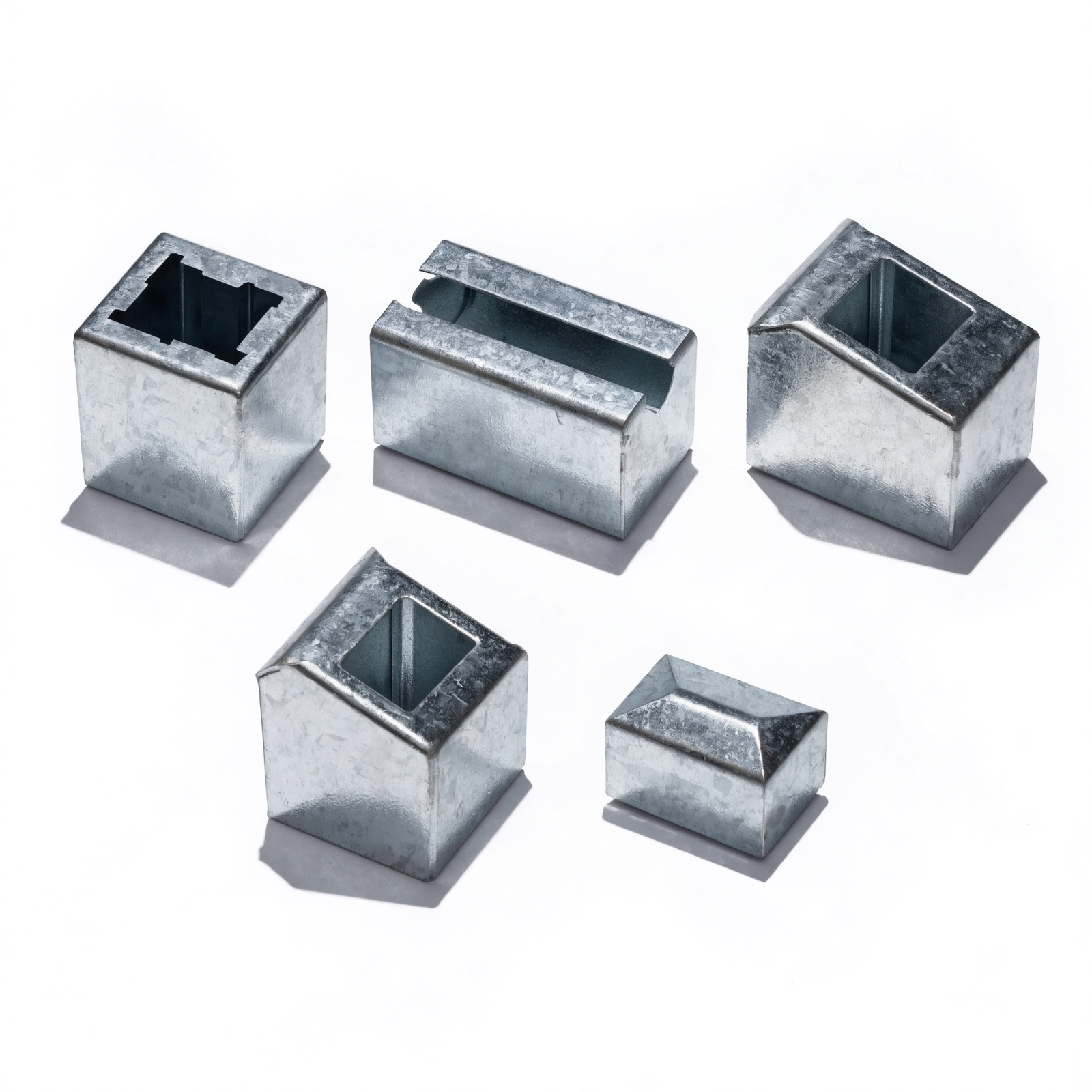
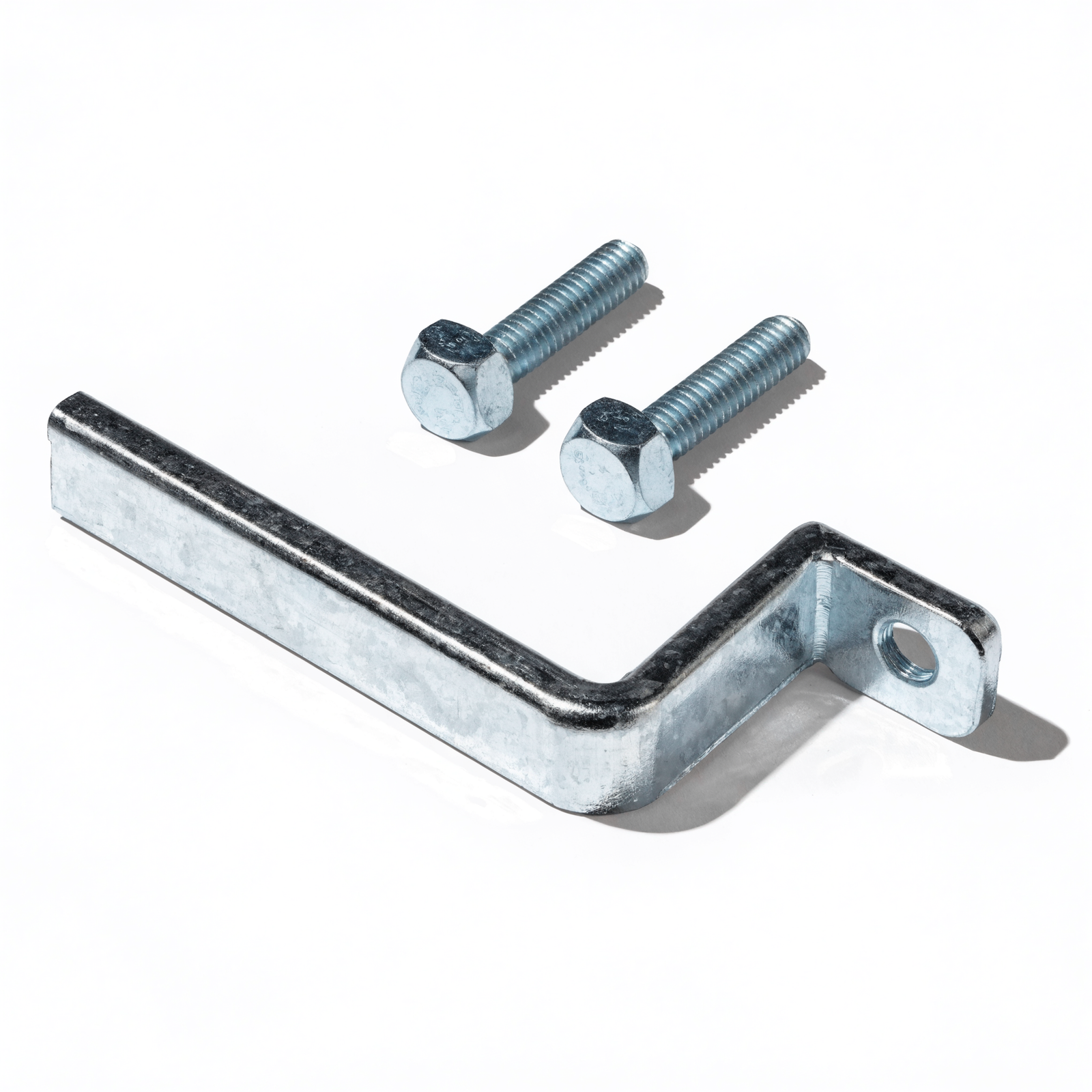
- Fence hardware: if your wall carries a fence on top, galvanised brackets matched to your post profile. See our fence brackets collection.
- Fasteners: galvanised or stainless throughout, matched across whatever materials you're combining, to avoid galvanic corrosion at the joints.
Already know your wall's failing and want the fix rather than a fresh build? Start with signs of failure or jump straight to repair vs replace.
A Note on How This Guide Fits Together
This page exists to point you in the right direction, not to replace the detailed guides it links to. Each one of the seven articles linked throughout this page covers its specific topic properly, with the detail, examples, and step-by-step guidance that a true overview page like this one deliberately leaves out. If you've read a section here and it's answered your question, that's a good outcome. If it's raised a more specific question, that's exactly what the linked guide is for.
Retaining wall problems are rarely as complicated as they first seem once you know which category your issue falls into. Most problems trace back to drainage, soil pressure, age, or something added above the wall after it was built, and most of them are preventable, repairable, or at worst, a straightforward (if not always cheap) replacement. Start with the diagnostic at the top of this page if you haven't already, and work from there.
FAQs
What's the most common retaining wall problem in Australia?
Drainage failure. It's the single biggest underlying cause behind many of the visible problems covered in this guide, leaning, cracking, and bulging among them.
How do I know if my retaining wall problem is serious?
Movement at the base, a worsening lean, horizontal cracking, or multiple problems appearing together are the clearest signs of a serious issue. Our signs of failure guide covers the full range in detail.
Should I repair or replace my retaining wall?
It depends on whether the problem is localised and traceable to a fixable cause, or widespread and structural. Our repair vs replace guide walks through exactly how to decide.
Can tree roots really cause a retaining wall to fail?
Yes. Roots can physically force their way into existing cracks and joints, and large trees also draw moisture from the soil in a way that changes the pressure it puts on a wall. Our guide to trees and root damage covers both mechanisms and how to prevent them.
Do I need council approval to repair or replace a retaining wall?
Often, yes, particularly for walls over a certain height, commonly around one metre depending on your state. This applies whether you're repairing significantly or replacing like-for-like, not just building new. Check your state's specific requirements before starting any substantial work.
What's the single most important thing to get right when building or fixing a retaining wall?
Drainage. It's the most common underlying cause of failure across every material and every type of visible problem covered in this guide, and it's also one of the most commonly rushed or skipped steps during construction. Getting it right from the start avoids the majority of problems this entire guide exists to help diagnose.
If you're dealing with a leaning or bowing wall specifically, RWD's existing guide to fixing a leaning or bowing wall covers that situation directly.
Leave a comment (all fields required)