








Use hot-dip galvanised or stainless steel fasteners with a galvanised fence bracket, keep each nut and bolt as a matched set, and don't put copper, brass or thin zinc-plated hardware anywhere near it. That's the same rule RWD gives on its Fence Brackets collection page, and the reason is galvanic corrosion: when two different metals touch in damp conditions, one of them corrodes faster than it should. A fence-on-wall connection has several separate joints, and each one needs its own check.
For which bracket suits your fence, see the Retaining Wall Fence Brackets: Sizes, Fitting and Buying Guide. It covers the kit variants and fitting sequence and only mentions fasteners briefly. This guide covers what the fixings themselves should be.
Why the Wrong Fastener Causes Trouble
Galvanic corrosion needs three things: two different metals in contact, moisture between them, and an electrical path. Fence brackets on a retaining wall have all three, because they're outdoors, rained on and often splashed by sprinklers or soil.

Zinc, the coating on galvanised steel, is the more reactive metal in most pairings. When it touches something more noble, such as copper, brass or stainless steel, the zinc is the one that gets used up. The relative size of the parts matters too. A small stainless bolt in a large galvanised bracket does little harm, because the large zinc surface spreads the effect. The reverse, a small galvanised or zinc-plated part touching a large noble metal, can lose its protection quickly.
| Fastener on a galvanised bracket | Outdoors? | Why |
|---|---|---|
| Hot-dip galvanised bolt and nut | Good | Same metal as the bracket, so there's no galvanic pairing. Zinc coating on threaded fasteners is covered by AS/NZS 1214 |
| Stainless steel (304 or 316) | Acceptable, with care | Widely used in practice. Keep it a small fastener on a large surface, and use 316 near the coast |
| Zinc-plated (electro-galvanised) bolt | Poor | The zinc layer is very thin and wears through quickly outdoors |
| Brass or copper | Avoid | Strongly noble against zinc, so the galvanising is consumed around the fastener |
| Plain (uncoated) steel | Avoid | Rusts, and rust staining runs onto the bracket and post |
The Joints in a Fence-On-Wall Assembly
Rather than one fastener answer, there are four separate connections. It helps to think through them one at a time.
1. Bracket to the Retaining Wall Steel Post
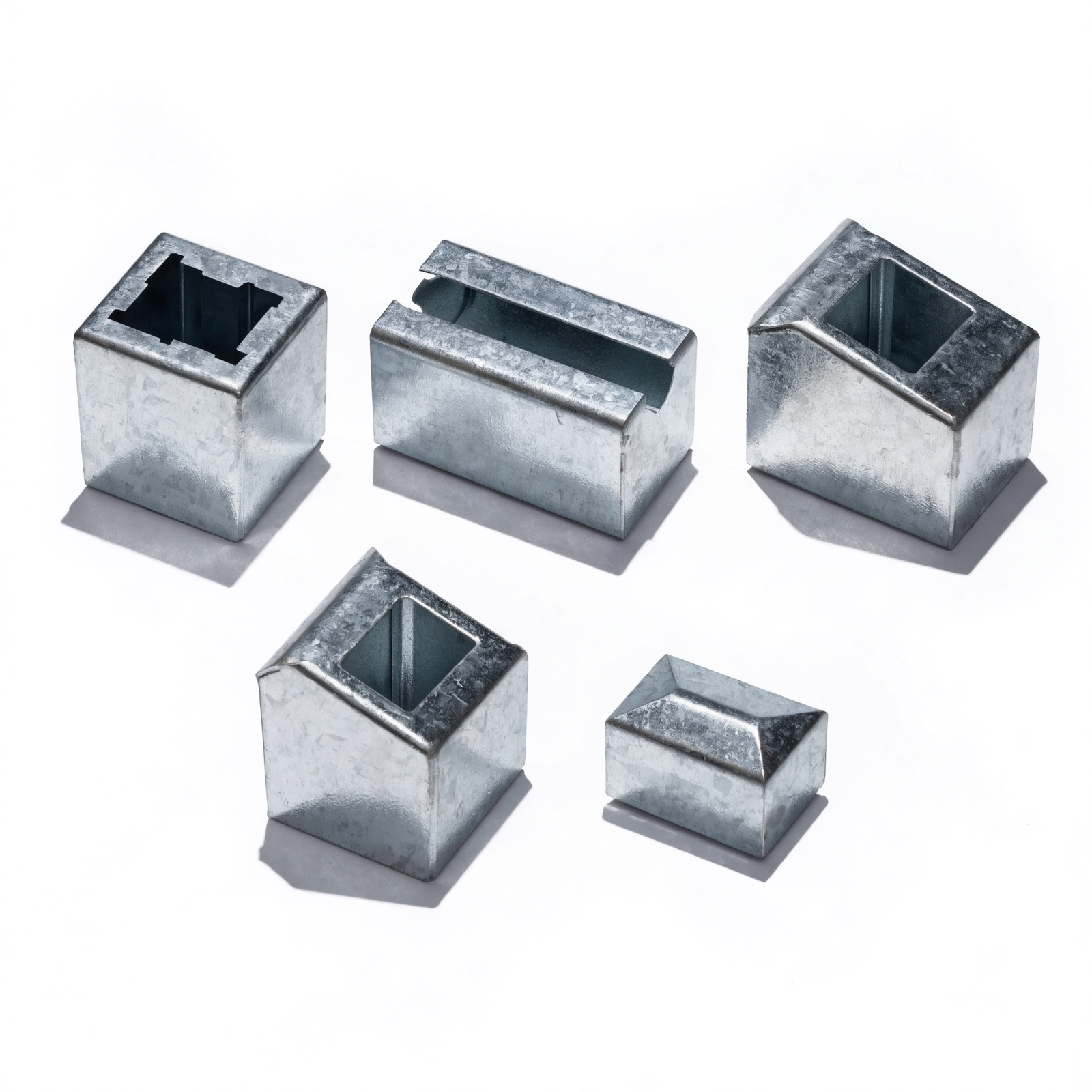
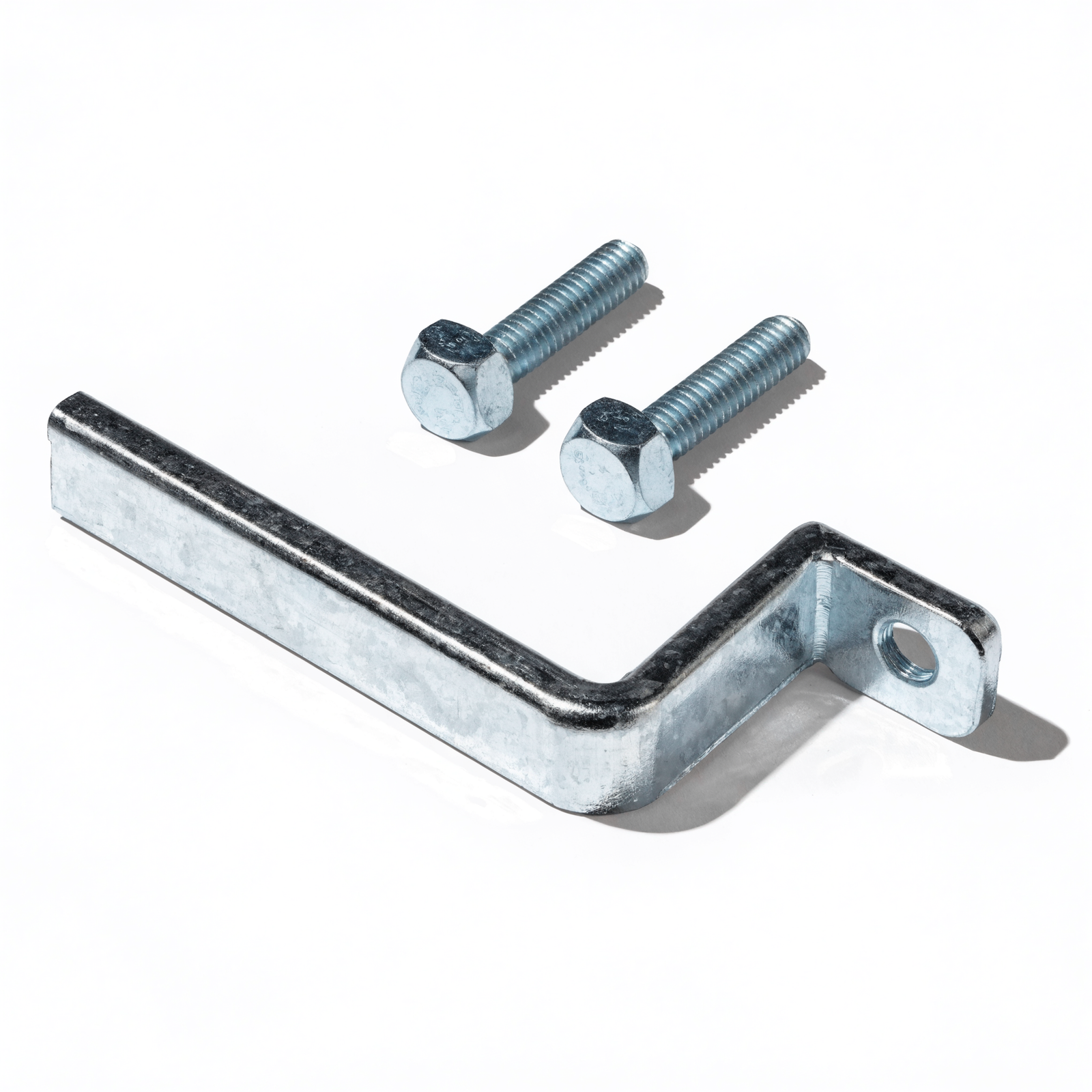
The Galvanised Steel Fence Bracket Kit is supplied with one bracket and two hex nuts and bolts, and suits 100UC and 100PFC posts. The bracket bolts to the post web at fence rail height. RWD's collection guidance is that brackets should be fixed to the steel post, not the concrete sleeper face, because post-mounted brackets carry the fence load into the structural post instead of bending the sleeper.
Each kit is supplied with M12 x 20mm hex bolts and nuts. No supplier in this category, RWD included, publishes a bolt grade for this fixing. Grade 4.6 is the common standard for hot-dip galvanised M12 structural bolts generally, so it's a reasonable expectation, but it's not something to state as a confirmed spec. Use the bolts supplied rather than substituting your own, and if you need a documented grade for a specific project, ask RWD directly rather than assuming.
As a general guide, an M12 bolt typically needs a clearance hole of around 13mm to allow for the bolt's coating and an easy fit. Check the kit instructions before drilling, since hole size can vary slightly by fastener finish.
Use the bolts supplied rather than swapping in loose ones from a general hardware range. Keep the nut and bolt together as a set. Hot-dip galvanised nuts are made slightly oversize to leave room for the coating, so pairing them with an uncoated bolt, or the reverse, can strip the thread.
2. Fence Post to the Bracket
Colorbond posts are described in RWD's guide as slotting into the bracket channel, while timber posts are bolted or screwed through pre-drilled fixing points. That second connection needs fasteners suited to the fence post material.
This is confirmed, and it's a plain answer: the kit's two bolts cover the bracket-to-post connection only. RWD supplies the fixing that attaches the bracket to the retaining wall's steel post. Fixing the fence post or rail to the bracket is a separate connection, using hardware to suit the fence type, which the fencing contractor or installer supplies. RWD doesn't include or specify fence-side fixings as part of the kit.
3. Rails and Panels to the Fence Post
This is the joint most people mean by "fence screws". The right fastener depends on the fence system.
- Colorbond-style steel fencing: typically fixed with self-drilling hex-head screws, chosen for a corrosion-resistant coating suited to outdoor use. Follow the fence manufacturer's specification for size and coating class rather than picking by look. Colorbond roofing screws are a different product for a different job, and using them on fencing is a common mix-up worth avoiding.
- Timber fencing: hot-dip galvanised or stainless screws or bolts. Treated pine deserves special attention, covered next.
RWD sells the bracket kits only, one kit per post, each with a bracket plus two hex bolts and nuts. There's no standalone fence screw or rail-fixing product in the range.
4. Caps and Accessories
RWD's steel post caps are knocked on rather than fixed with screws, so there's no fastener to choose for them. If you're fitting a different type of cap or accessory that does use screws, the same rule applies: the fastener should match or be more corrosion-resistant than the part it's fixing. For RWD's own caps, see the Galvanised Steel Post Caps product page and our fence post caps guide.
Treated Timber Changes the Answer
Many treated pine posts and rails are preserved with copper-based chemicals. Copper compounds can attack plain steel and thin zinc coatings, so bare or electroplated fasteners in treated timber can corrode from the inside, sometimes with dark staining around the hole. Hot-dip galvanised or stainless fasteners are the usual recommendation. Preservative types and hazard classes vary, so if you're unsure, check the timber supplier's fastener guidance for your specific product.
Torque and Fitting Habits That Protect the Joint
Getting the fastener type right is only part of it. How it's fitted matters just as much for a joint that has to carry ongoing fence load.
- Drill carefully. Use a sharp bit suited to steel and go steadily. Heat and pressure damage the coating around the hole.
- Touch up the hole edges with zinc-rich paint before the bolt goes in.
- Use a flat washer under the head where the bolt bears on thin plate, and a non-metallic washer if you're forced to mix metals.
- Tighten to snug, not crushing. A bolt through thin galvanised plate doesn't need to be cranked down. Over-tightening damages the coating, deforms the plate around the hole, and can strip the thread. Snug means the parts are firmly seated with no gap and no give, not that the wrench has stopped moving.
- Check tightness again after the first few weeks. Timber posts especially can settle slightly as they take load, and a bolt that was snug on install day can loosen a little as the timber compresses.
- Keep hardware clean of soil and mulch where it meets the ground line or garden bed.
A Note on "Screws for Sleepers"
Searches for sleeper screws usually mean timber sleepers in a garden bed, where coach screws or landscape screws in a galvanised or stainless finish are the norm. That doesn't apply to an RWD concrete sleeper retaining wall. There, the sleepers sit between steel posts, and fence brackets are fixed to the posts, not the sleepers. If you're building with timber sleepers elsewhere in the garden, the same corrosion rules above apply, and the fastener maker's rating for treated timber is the deciding factor.
Common Mistakes
- Using shiny zinc-plated bolts from a general hardware bin because they "look galvanised".
- Mixing brass or copper hardware into a galvanised assembly for appearance.
- Swapping in roofing screws for fence work.
- Fixing brackets to the sleeper face instead of the steel post.
- Reusing a bolt or nut with a damaged coating on a new bracket.
- Over-tightening thin galvanised plate until the coating cracks around the hole.
FAQs
Can I Use Stainless Bolts on a Galvanised Bracket?
Generally yes, especially for small fasteners on a large bracket. Use 316 near the coast, and keep them isolated with a washer if you're concerned.
Do Galvanised and Stainless Fasteners Ever Rust?
Galvanised ones can develop surface rust once the zinc is worn through, and stainless can stain in salty air. Both are far better outdoors than plain or zinc-plated steel.
What Screws Should I Use for a Colorbond Fence?
Follow your fence manufacturer's specification. Self-drilling screws with a corrosion-resistant coating rated for outdoor use are standard, and roofing screws are not a substitute.
Can I Use the Supplied Bolts for Everything?
They're intended for the bracket-to-post connection only. Fixing the fence itself to the bracket needs separate hardware suited to your fence type, supplied by the fencing contractor.
See the Galvanised Steel Fence Bracket Kit for variants and pricing, or browse the Fence Brackets collection and the Hardware, Brackets & Cleats collection.
Leave a comment (all fields required)