








If the problem is limited to drainage, a small section of cracking, or a minor lean that isn't getting worse, repair is usually the right call. If you're seeing movement at the base, a lean that's actively worsening, or damage across most of the wall's length, replacement is almost always the safer and, in the long run, cheaper option. The checklist and sections below walk through exactly how to tell which situation you're in.
This is a decision worth getting right the first time. Repairing a wall that actually needs replacing doesn't fix the underlying problem, it just delays the cost and adds the price of the repair on top of the eventual rebuild. Replacing a wall that only needed a repair is money you didn't need to spend. Here's how to work out which one you're actually dealing with.
Quick Decision Framework: Repair vs Replace Checklist
Work through these questions in order. The first "yes" you hit is usually your answer.
- Is there movement at the base or footing of the wall? If yes, replace. A wall that's shifting at its foundation has lost the thing holding it in place, and no repair fixes that.
- Is the affected section more than about a third of the wall's total length? If yes, replace. Once damage is widespread rather than localised, patching individual spots doesn't address why the whole wall is under stress.
- Is the wall approaching or past the typical working life for its material? [CHECK: timber sleeper walls are commonly cited as nearing end of life somewhere in the 20–25 year range, but this needs confirming against Article 4's actual lifespan figures once written, and may vary by timber treatment and conditions.] If yes, lean toward replace. Timber sleepers approaching the end of their working life often have hidden decay well beyond what's visible, so a repair may look fine and still fail again soon. Our guide on how long retaining walls last covers typical lifespans by material.
- Is the problem isolated, recent, and clearly linked to one cause, like a blocked drain or a single cracked sleeper? If yes, repair is likely sufficient, provided the cause gets fixed too, not just the symptom.
- Still not sure? Get a professional assessment before deciding either way. This is exactly the situation a structural engineer or experienced contractor is worth paying for.
When Repair Makes Sense (and What It Costs)
Repair is the right call when the wall's structure is fundamentally sound, and the problem is localised and traceable to a specific, fixable cause. Common repairable situations include a blocked or failed drainage pipe causing water to pool behind an otherwise solid wall, a single cracked or rotted sleeper in an otherwise good section, a small area of erosion at the base that hasn't yet undermined the footing, or minor hairline cracking that isn't spreading.
What repair typically involves varies a lot depending on the cause, from clearing and re-laying drainage, to replacing individual sleepers or blocks, to patching and sealing surface cracks. Because the scope varies so widely, and because giving a number here without knowing your wall would be more misleading than helpful, our retaining wall cost guide breaks down what drives repair pricing by type of fix.
The one rule that matters more than the price: repair the cause, not just the symptom. Patching a crack without fixing the drainage failure behind it means the same crack, or a worse one, is likely to come back.
When Replacement Is the Only Safe Option
Some situations aren't repair candidates, regardless of budget. Movement at the wall's base or footing means the foundation itself has failed, and there's no repair that restores a footing's ability to resist soil pressure once it's already moved. Widespread bulging, leaning, or cracking across most of the wall's length usually means the whole structure, not just one section, is undersized or degraded for the load it's carrying. A wall showing multiple different failure signs at once (leaning and cracking and drainage failure together, for instance) is typically past the point where addressing one issue solves the problem. And a wall that's already been patched once for the same underlying issue and has failed again is telling you the repair didn't address the real cause.

If your wall matches any of the signs covered in our guide to signs your retaining wall is failing at the more serious end, particularly base movement, that's a strong signal you're looking at replacement rather than repair.
Cost Comparison: Repair vs Full Replacement
As a general rule, repair costs less upfront than replacement, which is exactly why it's tempting to default to it even when it isn't the right fix. What repair doesn't include is addressing an underlying structural cause if one exists, which is where the real cost comparison gets more complicated than it first looks. Replacement costs more upfront but resets the wall's entire lifespan, rather than extending a wall that may already be most of the way through its working life.
Exact figures depend on wall height, length, material, access, and your location, which is more detail than a general comparison here can responsibly give you. For current pricing detail, see our retaining wall cost guide, which covers both repair and full replacement. As a general comparison, concrete sleepers typically cost more upfront than timber but last considerably longer, which our timber vs concrete comparison covers in more detail.
Repair vs Replace at a Glance
| Repair | Replace | |
|---|---|---|
| Best for | Localised, traceable problems in an otherwise sound wall | Base movement, widespread damage, or a wall near end of life |
| Typical cost | Lower upfront | Higher upfront |
| Fixes the cause? | Only if the actual cause is addressed, not just the symptom | Yes, the whole structure and its drainage are rebuilt |
| Risk if wrong call | Problem returns, sometimes worse, within months to a couple of years | None, since replacement resets the wall entirely |
| Resets lifespan? | No, extends what's left of the existing wall's life | Yes, full lifespan from the new build |
This table is a starting point, not a substitute for working through the checklist above or, where there's any doubt, getting a professional to look at the wall in person.
What About Partial Replacement?
For a long wall where the damage is genuinely confined to one section, a full rebuild isn't always necessary. Partial replacement, rebuilding the affected section while leaving sound sections in place, can work when the damaged section is structurally separate from the rest, for instance where the wall has expansion joints or was built in distinct sections with their own posts and footings.
Where it doesn't work well is when the cause of the damage is something affecting the whole wall, like a drainage system that runs the full length, or soil conditions that are the same everywhere. Rebuilding one section while leaving the same underlying cause in place for the rest of the wall usually just means you'll be back doing the next section in a few years. If you're considering partial replacement, it's worth confirming with whoever assesses the wall that the cause really is localised, not just the visible damage.
The costs that don't show up in a repair quote are worth thinking through before you commit to one. A repair on a wall with an underlying structural problem often needs to be redone, sometimes within a year or two, meaning you pay for the same fix twice. A wall that fails after a repair, rather than before one, can cause more damage to whatever's above or behind it, paving, garden beds, a fence, a shed, simply because it had longer to keep moving before anyone intervened. And a wall that's clearly been patched repeatedly is a red flag for future buyers if you ever sell, which can affect a property's value or complicate a sale.
None of this means repair is the wrong choice for genuinely repairable problems. It means the decision should be based on whether the underlying cause has actually been fixed, not just on which option costs less today.
Do You Need Council Approval to Replace?
In most Australian states, retaining walls over a certain height, commonly around one metre, though this varies by state and council, need council approval or engineering sign-off before you rebuild. Our guide to height limits and council approval covers what applies where. This applies whether you're replacing like-for-like or changing the wall's height or design. Even walls under that threshold can sometimes need approval depending on what's near them, a boundary line, a neighbouring property, or a structure above the wall.
Check your specific state's requirements before you start, since rules differ and getting this wrong can mean redoing work or facing compliance issues later.
DIY Repair vs Professional Assessment
Some repairs are genuinely within reach for a confident, careful DIYer: clearing a blocked agricultural drain, replacing a single accessible sleeper, resealing a hairline crack. What isn't a good DIY candidate is anything involving the wall's structure, its posts, footings, or overall stability, or any situation where you're not confident you've correctly identified the actual cause of the problem.
The risk with DIY on a genuinely structural issue isn't just doing it wrong, it's that a wall under real soil pressure can fail suddenly and without much warning once it's already compromised. If there's any doubt about whether what you're looking at is cosmetic or structural, a professional assessment before you start work is the safer and often cheaper choice, since it avoids paying for a repair that either doesn't work or shouldn't have been a repair in the first place.
A professional assessment typically involves someone experienced looking at the wall in person, checking for the signs covered in our guide to signs your wall is failing, and, for anything genuinely uncertain or for walls over the height where council approval usually applies, may involve a structural engineer specifically rather than just a contractor's opinion. It's reasonable to get more than one assessment if the first recommendation is replacement and the cost is significant, the same way you'd get a second opinion on any major expense. What you're checking for is whether different assessors agree on the cause, not just the recommended fix, since agreement on cause is a much stronger signal than agreement on price.
Choosing Materials for Your Replacement Wall
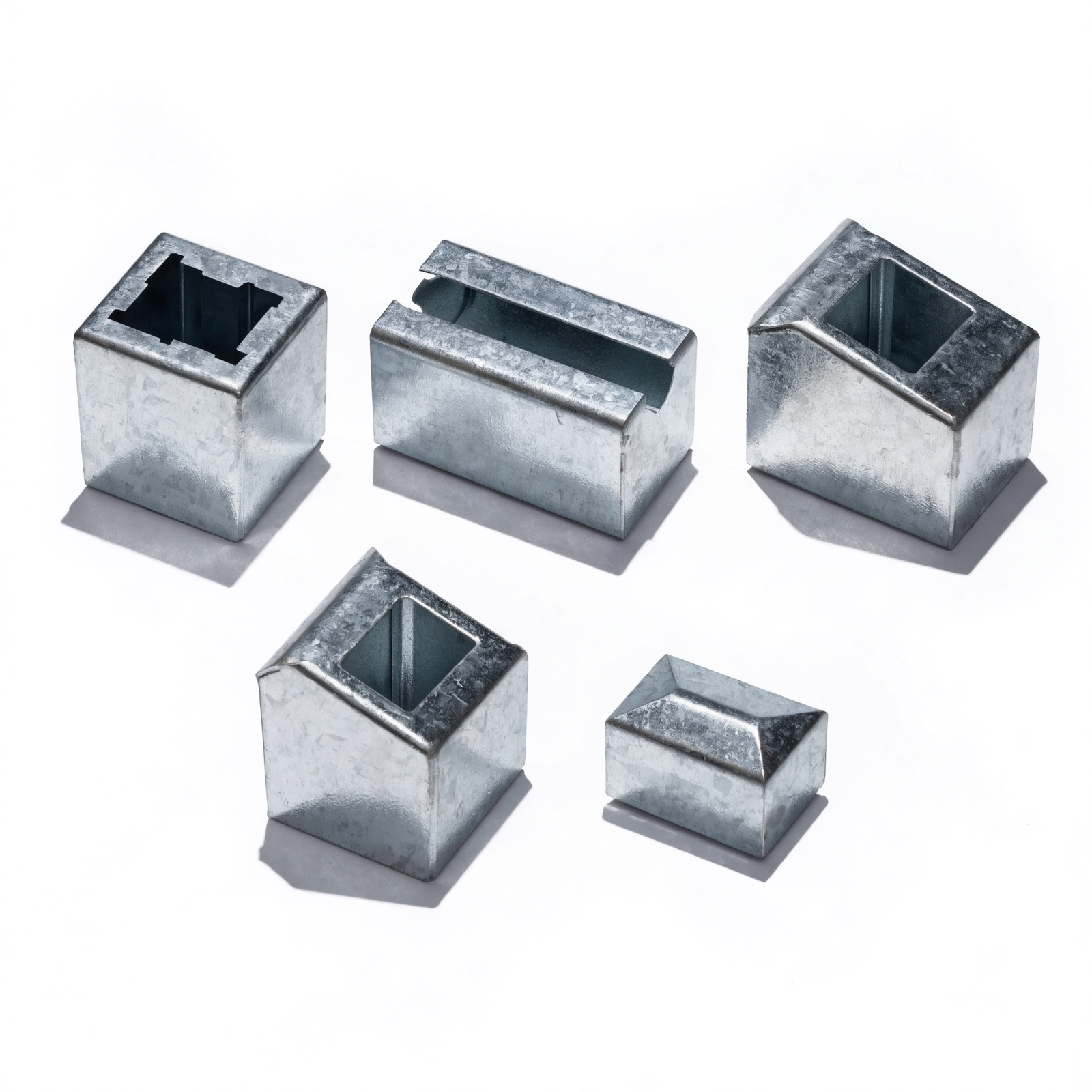
If you've landed on replacement, material choice affects both how long the new wall lasts and what it costs to build. Concrete sleepers are the longest-lasting common option for Australian conditions, resistant to rot, termites, and most of what caused the original wall's problems if it was timber. They're paired with galvanised steel posts, which is where our concrete sleepers collection and steel posts collection are worth a look if you're speccing the replacement yourself, or want to understand what your builder is quoting on.

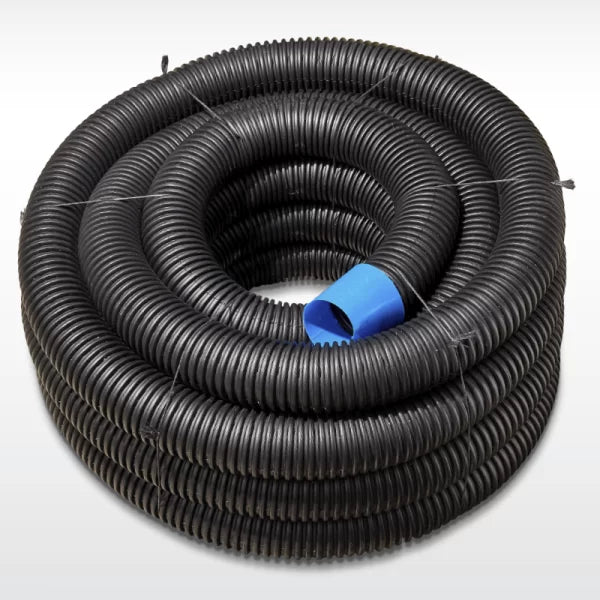
If drainage failure caused or contributed to your original wall's problems, and it's one of the most common causes, this is also the point to make sure the replacement wall's drainage is done properly from the start, rather than repeating the same mistake in a new wall. Our drainage guide covers how to get this right, and our drainage kits and ag pipe collection has what you'll need.
Step-by-Step: What the Replacement Process Looks Like
- Assessment and design. Confirm the cause of the original failure, not just its symptoms, and design the replacement to actually address it, including drainage and footing depth suited to the wall's height and soil.
- Approvals. Get any required council or engineering sign-off before demolition starts, not after.
- Removal of the old wall. The existing structure comes out, along with checking what condition the soil and any existing drainage behind it are actually in.
- Site preparation. The site is prepared for new footings, posts, and drainage.
- New drainage installed first. Drainage goes in before the new wall is built, not as an afterthought once the wall is up.
- New wall construction. Posts, sleepers or blocks, and any capping or fence brackets go in.
Our full step-by-step guide to removing and replacing a retaining wall covers each of these stages in detail. If you've settled on concrete sleepers, our guide to building a concrete sleeper retaining wall walks through the build itself, and if you're replacing a failed timber wall specifically, our guide to replacing a failed timber sleeper wall covers that situation directly.
FAQs
Can a leaning retaining wall be repaired, or does it need replacing?
It depends on whether the lean is stable or worsening, and how much of the wall it affects. A small, unchanged lean in an otherwise sound wall can sometimes be addressed. A worsening lean, especially with base movement, generally means replacement.
Is it cheaper to repair or replace a retaining wall?
Repair is usually cheaper upfront, but only genuinely saves money if it addresses the actual cause of the problem. A repair that doesn't fix the underlying issue often costs more overall once you factor in redoing it.
Should I get more than one quote before deciding?
For anything beyond a small, clearly localised repair, yes. A second opinion is particularly worth getting if the first assessment recommends full replacement, since that's the higher-cost outcome and the one worth being confident about before committing.
Can I replace just part of a long retaining wall?
Sometimes, if the damage is genuinely confined to a structurally separate section and the underlying cause isn't affecting the whole wall. See the partial replacement section above for what makes this work or not.
How do I know if my retaining wall problem is structural?
Movement at the base, widespread damage across the wall's length, or multiple failure signs appearing together are the clearest indicators. Our guide to signs your wall is failing covers each sign and its severity in detail.
See our full guide on retaining wall problems for an overview of this whole topic, or start with signs your wall is failing if you haven't worked out what's actually wrong yet.
Leave a comment (all fields required)