









Planning a retaining wall in Australia involves more than just picking a material. You need to understand the costs, the design options, the council requirements, and how to get the most out of your budget. This guide covers everything — from rough cost estimates and material choices through to design ideas for sloping blocks, driveways, pools, and garden terracing.
Last updated: May 2026 | Written by the team at Retaining Walls Direct — with many years of trade experience supplying retaining wall materials across Australia.
Table of Contents
- How Much Does a Retaining Wall Cost in Australia?
- DIY vs Hiring a Contractor — What's the Real Cost Difference?
- How to Calculate Your Materials
- Retaining Wall Design Ideas for Sloping Blocks
- Tiered and Terraced Retaining Walls
- Retaining Walls for Driveways
- Retaining Walls for Pool Areas
- Retaining Walls for Coastal Properties
- Corners, Steps, and Stairs
- Finishes and Aesthetics
- Choosing a Retaining Wall Contractor
- Frequently Asked Questions
1. How Much Does a Retaining Wall Cost in Australia?
| Wall Type | DIY Supply Cost | Installed (Contractor) |
|---|---|---|
| Simple garden wall (under 1m) | $150–$250/lm | $350–$600/lm |
| Standard wall (1.0–1.5m) | $250–$400/lm | $600–$1,000/lm |
| Engineered wall (1.5m+) | $400–$600/lm | $1,000–$1,800/lm |
Prices are indicative for 2026 and exclude engineering, permits, and site-specific costs such as difficult access or rock excavation.
Full cost breakdown: How Much Does a Retaining Wall Cost in Australia? (2026 Guide)
2. DIY vs Hiring a Contractor — What's the Real Cost Difference?
DIY supply-only costs are typically 40–60% of the fully installed price. However, DIY is only appropriate for walls under 1m in most states — above that, permits and engineering sign-off are required, which usually means engaging a licensed builder.
Full guide: DIY vs Professional Retaining Wall Installation — Which Is Right for You?
3. How to Calculate Your Materials
To calculate sleepers and posts needed: divide your wall length by your post spacing (typically 1.8m–2.0m) to get post count, then divide wall height by sleeper thickness (0.075m or 0.1m) to get courses. Multiply courses by wall length to get total sleeper metres.
Full materials calculator guide: How to Calculate Retaining Wall Materials — Sleepers, Posts & Drainage
4. Retaining Wall Design Ideas for Sloping Blocks
Sloping blocks are the most common application for retaining walls in Australia. The key design decisions are whether to use a single high wall or multiple lower tiered walls, and how to handle drainage across the slope.
Design ideas and inspiration: Retaining Wall Ideas for Sloping Blocks
General design inspiration: Retaining Wall Ideas & Design Inspiration — Australia 2026
5. Tiered and Terraced Retaining Walls
Tiered walls split a large height difference into multiple lower walls, reducing the load on each individual wall and creating usable garden terraces. Each tier needs its own posts, footings, and drainage system. The horizontal distance between tiers should be at least equal to the height of the lower wall.
Full tiered wall guide: How to Build a Tiered Retaining Wall — Design, Spacing & Installation Guide
6. Retaining Walls for Driveways
Driveway retaining walls are subject to vehicle surcharge loads — typically 5–10 kPa for standard passenger vehicles. This significantly increases the lateral pressure on the wall and requires heavier posts, deeper embedment, and often engineering certification regardless of wall height.
Full driveway wall guide: Retaining Walls for Driveways — What You Need to Know
7. Retaining Walls for Pool Areas
Pool surrounds require walls that can handle water exposure, chlorine, and the surcharge load of the pool structure itself. Concrete sleepers with duplex-coated steel posts are the recommended solution. All fixings should be stainless steel or hot-dip galvanised.
Full pool wall guide: Retaining Walls for Swimming Pools — What You Need to Know
8. Retaining Walls for Coastal Properties
Coastal environments accelerate corrosion of steel components. Specify duplex-coated posts (galvanise + powder coat) and stainless steel fixings for any wall within 1km of the coast.
Full coastal guide: Retaining Walls for Coastal Properties — What You Need to Know
9. Corners, Steps, and Stairs
Corners require purpose-made corner posts — never use standard posts at 90° joins. Steps and stairs integrated into retaining walls need careful structural planning to ensure the wall and stair loads are independently supported.
Corner guide: How to Build a Retaining Wall Corner — L-Shapes, Returns & 90° Joins
Steps and stairs guide: How to Build Retaining Wall Steps and Stairs
10. Finishes and Aesthetics
Concrete sleepers are available in smooth, woodgrain, and charcoal finishes. All can be painted or rendered for a fully custom look. Capping sleepers or bullnose caps give a clean, finished top edge.
Render and paint guide: How to Render or Paint a Concrete Sleeper Retaining Wall
Capping guide: Retaining Wall Caps and Capping — Do You Need Them?
11. Choosing a Retaining Wall Contractor
When hiring a contractor, check they are licensed in your state, have experience with concrete sleeper walls specifically, can provide engineering certification if required, and will handle council approvals on your behalf.
Full contractor selection guide: How to Choose a Retaining Wall Contractor in Australia
12. Frequently Asked Questions
What is the cheapest retaining wall option?
For low garden walls under 600mm, timber sleepers have the lowest upfront cost. For anything permanent or over 600mm, concrete sleepers with steel posts offer better long-term value despite higher upfront cost.
How long does it take to build a retaining wall?
A typical DIY residential wall (10–15m long, under 1m high) takes 1–2 weekends including post setting and curing time. Larger or engineered walls take longer depending on site conditions and contractor availability.
Do I need council approval?
In most states, walls over 600mm–1,000mm require a building permit. Always check with your local council before starting. See our full regulations guide: Retaining Wall Height Limits & Council Approval in Australia
Can I build a retaining wall on a boundary?
Yes, but boundary walls have additional setback rules, neighbour notification requirements, and approval triggers. See: How to Build a Retaining Wall on a Boundary — Rules, Setbacks & Best Practice
Ready to Plan Your Retaining Wall?
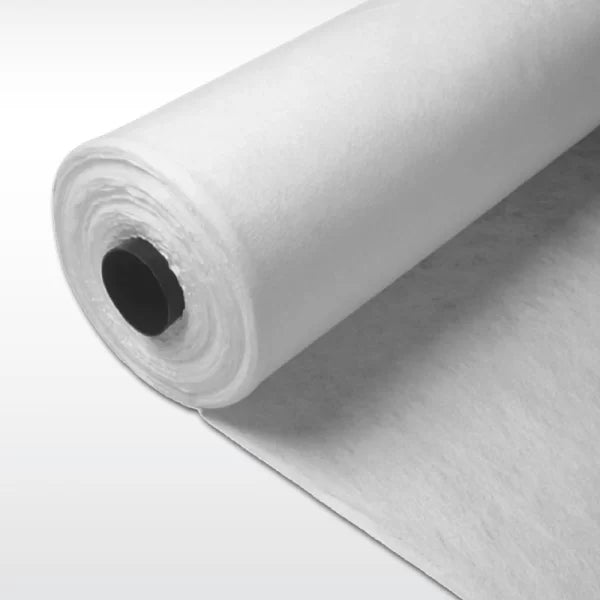
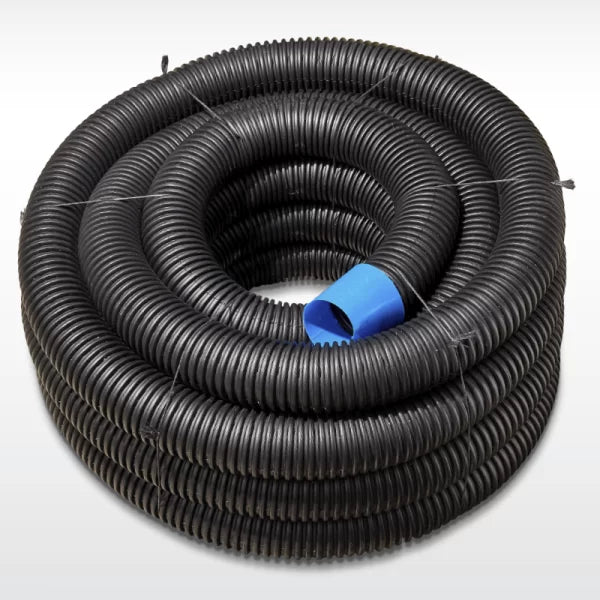
We supply concrete sleepers, galvanised steel posts, drainage materials, and complete retaining wall kits — delivered Australia-wide. Get the right materials at trade prices.
Shop Concrete Sleepers → | Shop Steel Posts → | Get a Quote → | Contact Our Team →
Leave a comment (all fields required)