








Gold Coast retaining walls face a unique combination of challenges: sandy coastal soils in beachside suburbs, reactive Oxley Clay in the hinterland, high rainfall, and the Queensland Building and Construction Commission (QBCC) licensing requirements. This guide covers what you need to know to build a compliant, long-lasting retaining wall on the Gold Coast.
Last updated: June 2026 | Written by the team at Retaining Walls Direct — with many years of trade experience supplying retaining wall materials across Australia.
Gold Coast Soil Types and What They Mean for Your Wall
The Gold Coast has highly varied soil conditions depending on your suburb:
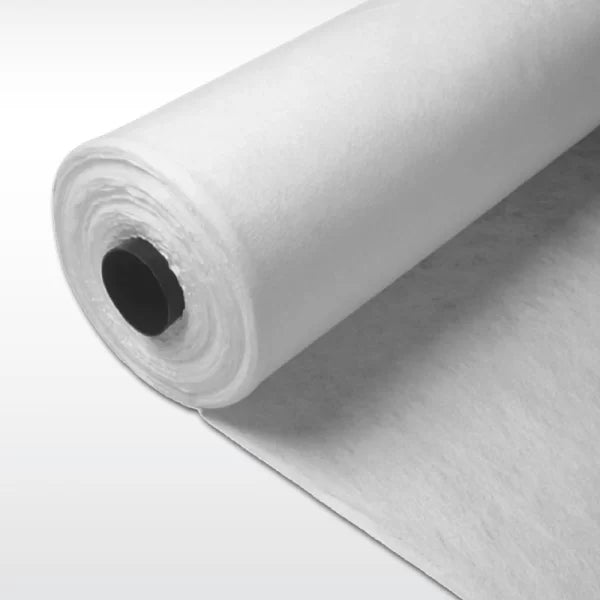
- Coastal/beachside suburbs (Surfers Paradise, Broadbeach, Burleigh): Tamala Sand — free-draining, low lateral pressure, but requires geotextile fabric to prevent erosion through the wall drainage layer
- Mid-suburban areas (Mudgeeraba, Robina, Varsity Lakes): Variable — often a mix of sandy loam over clays. Site-specific assessment recommended for walls over 1m
- Hinterland/western suburbs (Canungra, Tamborine, Oxenford): Oxley Clay — highly reactive, expands significantly when wet, requires H-Beam posts, 50MPa minimum sleeper strength, deep drainage, and engineer certification for walls over 1m
- Coomera/northern growth corridor: Mix of alluvial soils and fill — variable bearing capacity, post embedment should be increased on fill sites
Recommended Specifications for Gold Coast Walls
| Soil Type | Sleeper Strength | Post Type | Drainage |
|---|---|---|---|
| Coastal sandy soils | 40MPa | C-Channel or H-Beam | Standard ag pipe + geotextile |
| Mid-suburban variable | 50MPa | H-Beam preferred | 100mm ag pipe + geotextile |
| Oxley Clay (hinterland) | 50–60MPa | H-Beam required | 150mm ag pipe + extra aggregate |
Sleeper strength guide: 40MPa vs 50MPa vs 60MPa Concrete Sleepers — Which Strength Do You Need?
Steel post selection: Steel Posts for Retaining Walls — 2026 Buyer's Guide
Gold Coast Council Approval Requirements
On the Gold Coast, retaining wall approvals are governed by Gold Coast City Council under the Queensland Development Code and the Building Act 1975:
- Under 1m retained height: Generally exempt from building approval (check with council for boundary and pool adjacency)
- 1m–1.5m retained height: Building approval typically required; engineer certification may be required
- Over 1.5m: Building approval required, engineering certification mandatory
- Boundary walls: Neighbour notification may apply — check with Gold Coast City Council
- Near swimming pools: Additional safety fence requirements apply regardless of wall height
Full Queensland regulations guide: Retaining Wall Regulations QLD — Height Limits, Permits & Council Approval
Engineering and council overview: Engineered Retaining Walls Over 1 Metre — What You Need to Know
QBCC Licensing Requirements
In Queensland, retaining wall construction above certain thresholds must be carried out by a QBCC-licensed contractor. As a general guide:
- Any retaining wall that requires a building approval must be built by, or under the supervision of, a QBCC-licensed builder
- Homeowners may be able to owner-build under the Queensland owner-builder permit scheme for walls on their own property — check QBCC's current requirements
- Always verify licensing before engaging any contractor at qbcc.qld.gov.au
Gold Coast Drainage Considerations
The Gold Coast receives high annual rainfall (particularly in the hinterland). Drainage must be designed to handle peak rainfall events, not just average conditions. Key requirements:
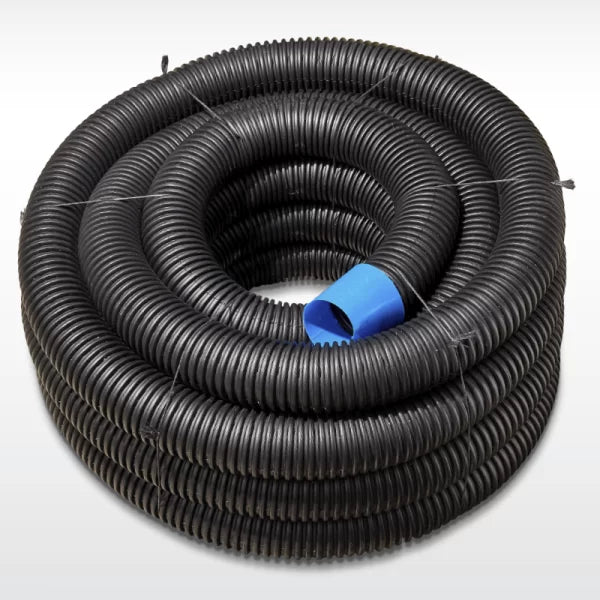
- 100mm slotted ag pipe minimum for all walls; 150mm for hinterland clay sites
- Geotextile fabric essential to prevent sand migration in coastal areas
- Drainage aggregate (20mm crushed rock) — minimum 300mm depth behind wall face, 500mm on clay sites
- Weep holes at 1.8m centres in the base course
- Ag pipe outlet must discharge to a legal drainage point — not onto neighbouring property
Full drainage guide: Retaining Wall Drainage & Structural Integrity — Complete Guide
Drainage materials: Shop Drainage Kits, Ag Pipe & Weep Holes
Typical Costs for Gold Coast Retaining Walls (2026)
| Wall Type | DIY Supply Cost | Installed (QBCC Contractor) |
|---|---|---|
| Low garden wall (under 1m) | $180–$280/lm | $400–$700/lm |
| Standard wall (1.0–1.5m) | $280–$450/lm | $700–$1,100/lm |
| Engineered wall (over 1.5m) | $450–$650/lm | $1,100–$2,000/lm |
Costs are indicative for the Gold Coast in 2026 and exclude engineering fees, council approval costs, and difficult-access premiums.
Full cost guide: How Much Does a Retaining Wall Cost in Australia? 2026 Guide
Frequently Asked Questions — Gold Coast Retaining Walls
Do I need QBCC approval for a retaining wall on the Gold Coast?
If the wall requires a building approval (generally over 1m), the construction must be supervised by a QBCC-licensed builder. Consult Gold Coast City Council and the QBCC for current requirements.
What's the biggest mistake Gold Coast homeowners make with retaining walls?
Insufficient drainage — particularly on hinterland clay sites. Walls built without adequate ag pipe and drainage aggregate fail within a few years due to hydrostatic pressure build-up.
Can I order concrete sleepers and steel posts delivered to the Gold Coast?
Yes — we deliver Australia-wide including all Gold Coast suburbs. Heavy freight is calculated by postcode. Get a freight quote here.
Shop Gold Coast Retaining Wall Materials
- Concrete Sleepers — All Strengths and Finishes
- Steel H-Beam and C-Channel Posts
- Drainage Kits, Ag Pipe & Weep Holes
- Get a Free Delivered Quote for the Gold Coast
Leave a comment (all fields required)