









One of the most common questions we receive is whether a retaining wall needs a capping beam or capping block along the top. This guide explains what capping is, when it is used, and why post embedment depth (not a cap) is the critical factor in retaining wall structural performance.
What Is Retaining Wall Capping?
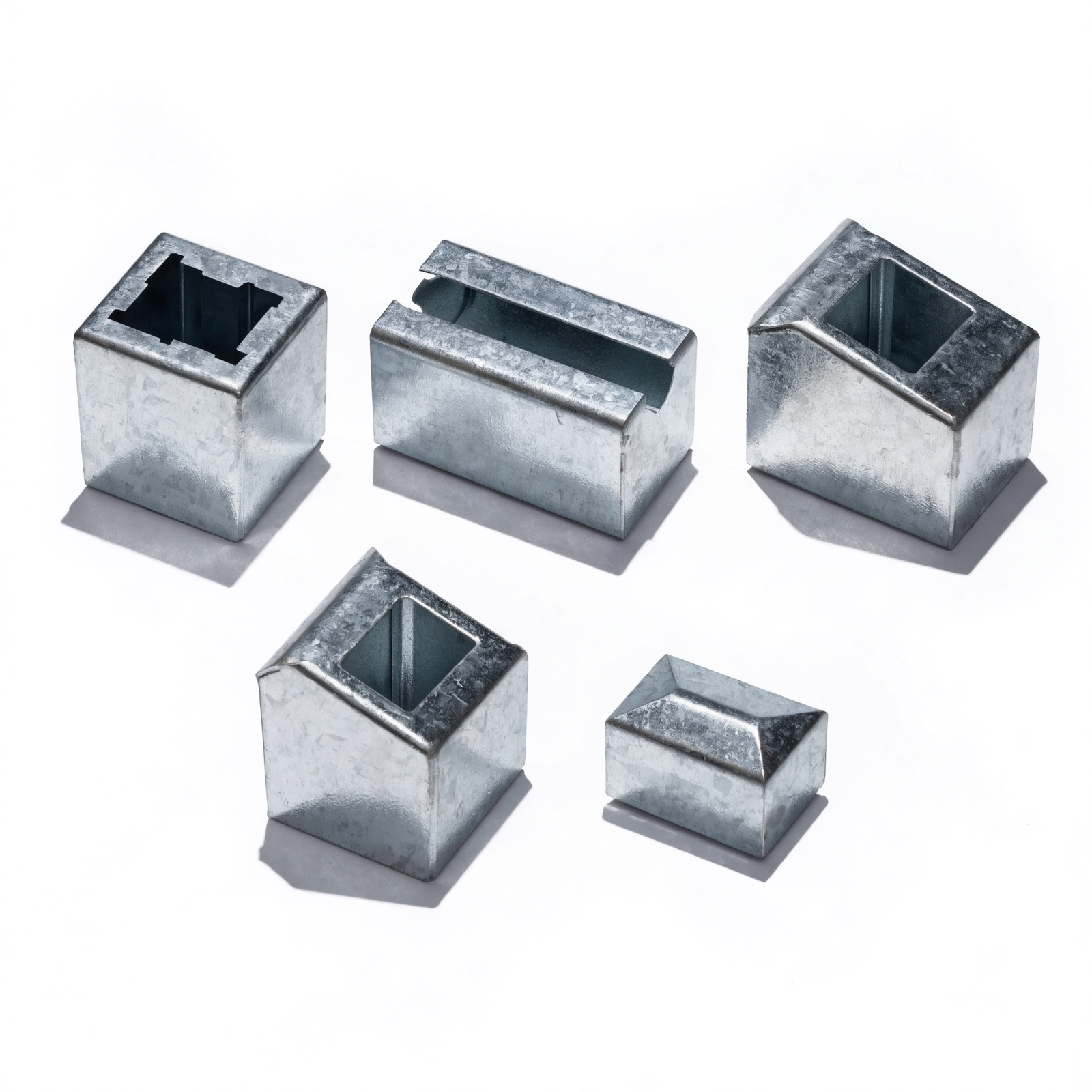
Capping refers to a horizontal element placed along the top of a retaining wall. In concrete sleeper retaining walls, this typically means either:
- A purpose-made capping block or cap unit placed on top of the last sleeper course.
- A capping beam (concrete or steel) running along the top of the wall.
- In some timber and block wall systems, a capping rail or plate.
Capping is primarily aesthetic — it provides a finished appearance to the top of the wall and protects the top edges of the sleepers from damage.
Do Concrete Sleeper Retaining Walls Need a Cap?
No. Concrete sleeper retaining walls do not require a capping block or capping beam for structural performance. The structural integrity of a concrete sleeper retaining wall is determined by:
- Post size and specification (C-channel or H-beam, weight per metre, steel grade).
- Post embedment depth (the depth of the post footing below the base of the wall).
- Post spacing.
- Concrete quality in the post footings.
- Drainage design and installation.
None of these structural factors involve capping. A wall without a cap can be just as structurally sound as a wall with a cap, provided the above factors are correctly specified and installed.
The One-Third Rule for Post Embedment
The most important structural rule in concrete sleeper retaining wall design is the one-third rule for post embedment depth.
The standard guideline is that the post should be embedded in the ground (in a concrete footing) to a depth equal to at least one-third of the total post length — or approximately half the retained height, whichever is greater. This ensures that the footing provides sufficient lateral resistance to prevent the post from rotating under the load of the retained soil.
For example:
- A wall retaining 1200mm (1.2m) of soil: the post footing should be at least 600mm deep, meaning the total post length is at least 1800mm.
- A wall retaining 1500mm (1.5m) of soil: the post footing should be at least 750mm deep, with a total post length of at least 2250mm.
- A wall retaining 1800mm (1.8m) of soil: the post footing should be at least 900mm deep, with a total post length of at least 2700mm.
These are minimum guidelines. In poor soil conditions (soft clay, fill, waterlogged ground) or where surcharge loads are present (vehicle loads, structures above the wall), deeper embedment may be required. An engineer should be consulted for walls over 1.0m in height or for walls in challenging conditions.
Why Post Embedment Is More Important Than Capping
The most common cause of concrete sleeper retaining wall failure is post movement — the post rotating forward at the top because the footing is not deep enough or the footing concrete is inadequate. This is a structural failure caused by under-embedment, not a missing cap.
Installing a capping beam on a wall with under-embedded posts will not prevent wall failure. The cap provides no additional lateral resistance to the posts. By contrast, ensuring correct post embedment depth will prevent the most common form of retaining wall failure regardless of whether a cap is installed.
When Is Capping Used?
Capping is used when:
- Aesthetics: The client wants a finished, polished appearance at the top of the wall.
- Edge protection: The top edge of the last sleeper is exposed and vulnerable to chipping or impact damage.
- Integration with fencing: A capping beam provides a continuous top surface for fence post attachment or a fence rail connection.
- Specific design requirements: Some commercial or engineered wall designs specify a capping beam as part of the structural system (this is not typical in residential construction).
Retaining Wall Posts: What to Order
We stock concrete sleepers, C-channel posts and H-beam posts in multiple lengths, or we can advise on the correct post specification for your wall height and conditions. Contact us with your wall height, length, and soil conditions and we will confirm the correct post size and embedment depth for your project.
Frequently Asked Questions
Does a retaining wall cap add structural strength?
No. In a concrete sleeper retaining wall, capping is an aesthetic element. It does not add lateral resistance or structural strength to the wall. Structural performance depends on post specification, embedment depth, post spacing, and drainage.
How deep should my posts be embedded?
As a minimum, post embedment should be at least one-third of the total post length, or approximately half the retained height, whichever is greater. For a 1.2m retained height, a minimum 600mm embedment depth is the starting point. Poor soils, high surcharge loads, or walls over 1.0m may require deeper embedment and engineering advice.
What happens if posts are not embedded deeply enough?
Under-embedded posts will rotate forward under the lateral load from the retained soil, causing the wall to lean or bow outward at the top. This is the most common form of retaining wall structural failure. The deeper and better the post footing, the more resistant the wall is to this failure mode.
Ready to get started?
Get a free delivered quote for concrete sleepers, steel posts and retaining wall materials — delivered Australia-wide.
Leave a comment (all fields required)