








Quick answer: Steel and aluminium plinth strips clip in under Colorbond panels and can be powder-coated to an exact factory colour match, but they're a gap-filler product with very little genuine soil-retaining capacity. A precast concrete plinth holds noticeably more soil and needs no ongoing colour maintenance, though it's limited to a small range of standard finishes rather than an exact colour match. The right choice comes down to whether your fence line needs to retain any real soil step or simply needs the visual gap closed.
Two Different Products, Not Just Two Colours of the Same Thing
It's worth being clear upfront that concrete and steel plinth systems aren't really competing on the same terms - they're built for slightly different jobs, and the material difference reflects that. This guide sets that difference out properly rather than treating the two as interchangeable alternatives that only differ in finish, so the decision can be made on the factors that actually matter for your specific fence line.
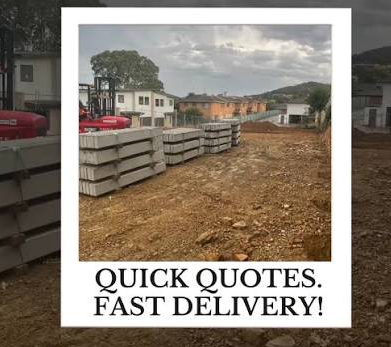
- Precast concrete plinth - a reinforced concrete strip, generally around 2340mm long, 200mm high and 50mm thick, designed to sit at ground level and genuinely retain a small soil step
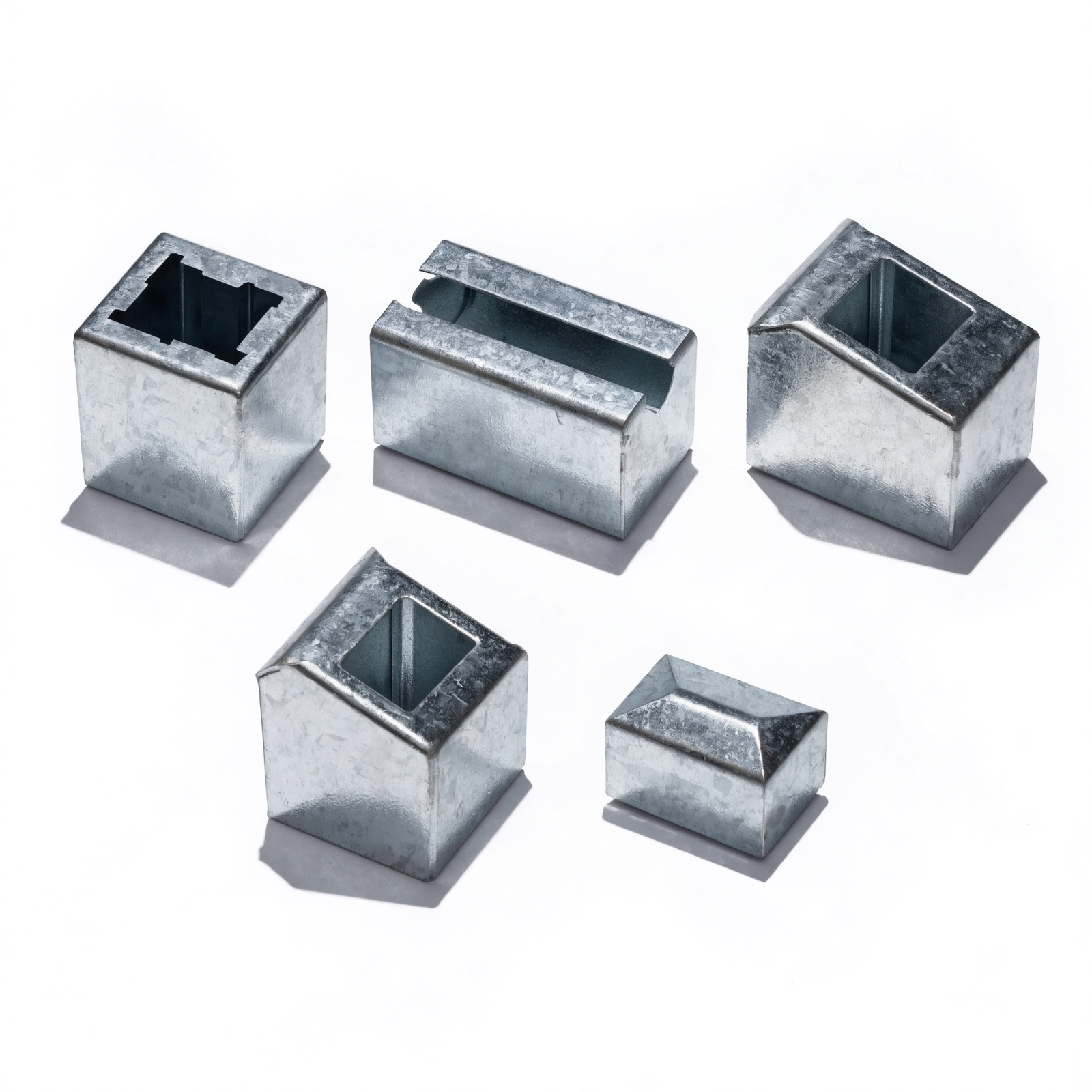
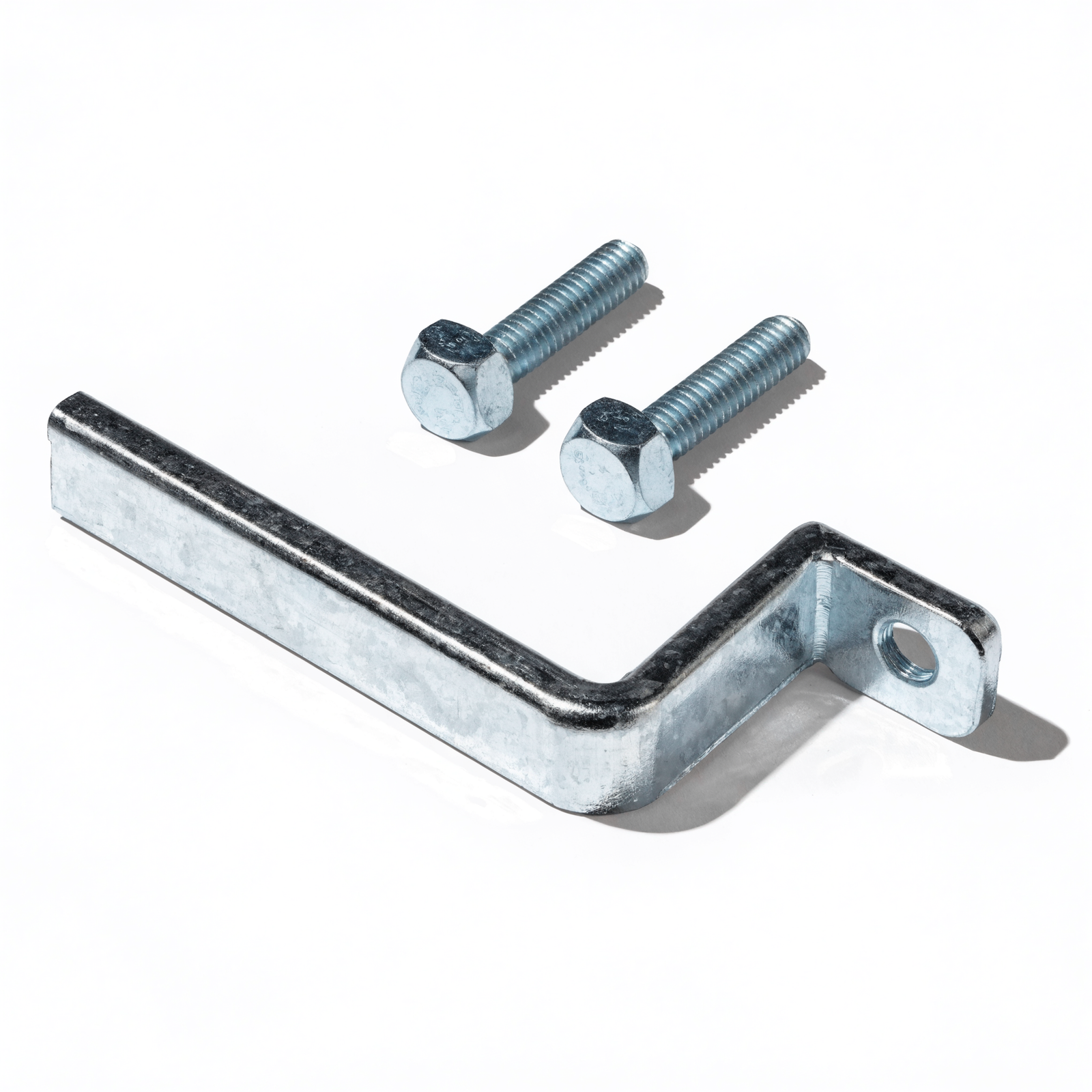
- Steel or aluminium plinth strip - a lightweight metal strip or board, often colour-matched or powder-coated to suit the Colorbond panel above it, designed primarily to close the visual and physical gap rather than to hold back meaningful soil
Full Comparison Table
| Factor | Concrete Plinth | Steel / Aluminium Plinth |
|---|---|---|
| Soil retention | Genuine capacity, up to ~400mm stacked | Minimal - a gap filler, not a retaining product |
| Colour matching | Limited to standard finishes (grey/charcoal) | Can be powder-coated to an exact Colorbond match |
| Weight | Heavy - typically a two-person install | Light - a one-person job |
| Installation method | Bedded on a levelled, compacted base | Clips or fixes into the existing panel system |
| Impact resistance | High - solid concrete is hard to dent or deform | Lower - lighter gauge metal can dent or deform |
| Coastal / corrosion exposure | Not affected by salt air | Coating can wear at contact points over a long timeframe in harsh coastal exposure |
| Best suited to | Any fence line with a genuine soil step to manage | A close-to-level fence line needing a tidy visual finish |
Soil Retention: The Core Difference
This is the single factor that most often decides between the two, and it's worth being direct about it rather than treating the two products as interchangeable.
- A concrete plinth, reinforced with a steel reo bar running its length, is built to genuinely retain a modest soil step - up to around 200mm for a single course, or around 400mm stacked two high
- A steel or aluminium plinth strip holds close to no soil at all. It's a gap-filler and a tidy visual finish, not a retaining product, and shouldn't be relied on to hold back a garden bed or any real level difference
- Where your fence line genuinely needs to retain soil, even a modest amount, concrete is the appropriate material. Where the ground is essentially level and the goal is simply closing the gap and getting a clean finished look, a steel strip is a legitimate option worth considering rather than an inferior substitute for concrete
Colour Matching: Where Steel Has a Real Advantage
This is the one area where steel or aluminium genuinely outperforms concrete. Because a metal plinth strip can be powder-coated in the same process used for Colorbond sheeting itself, it can achieve a far closer colour match to the fence than concrete's small range of standard finishes allows for.
- A powder-coated steel strip can be ordered in the same colour as the Colorbond panel above it, giving a genuinely seamless look rather than a close pairing
- Concrete plinths are limited to a small number of standard finishes - see our colour matching guide for how to get the best pairing available within that range
- If an exact colour match matters more to your project than genuine retaining capacity, this is a real point in steel's favour worth weighing against its limited soil retention
Weight and Installation
The two products also differ significantly in how they're handled and fitted, which affects who can realistically install each one.
- Steel/aluminium - light enough for one person to handle easily, and typically clips or fixes into the existing panel system rather than needing its own footing or bedding
- Concrete - considerably heavier, generally a two-person job to position, and bedded on a levelled, compacted base rather than clipped into the fence itself
For the concrete side of this, see our guide on installing a concrete plinth, including the Colorbond-specific detail around existing posts and rails.
Coastal Exposure and Corrosion Considerations
For properties in coastal or high salt-exposure areas, it's worth thinking through how each material handles that specific environment, since salt air is a genuinely different stress test to inland conditions.
- Steel and aluminium plinths - modern powder-coated steel and aluminium products are generally designed and tested for coastal use, the same as Colorbond fencing itself, and hold up well under normal conditions. The area of longer-term risk is at any point where the coating is compromised - a scratch, a cut edge, or a contact point where two pieces meet - since this is where corrosion can begin to establish in a harsh salt environment over an extended period
- Concrete plinths - concrete is inherently unaffected by salt air in the way a coated metal product can be, since there's no coating to compromise and no base metal to corrode. This makes it a genuinely lower-maintenance choice in a coastal setting specifically, on top of its other durability advantages
- Practical takeaway - coastal exposure doesn't rule out steel or aluminium plinths, since quality coated products are built for exactly this environment, but it does add a small amount of long-term maintenance vigilance - checking for coating damage periodically - that a concrete plinth simply doesn't require
Can You Combine the Two Approaches?
In some situations, a hybrid approach makes practical sense rather than treating the decision as strictly one or the other for an entire fence line.
- A property with a mostly level fence line but one or two sections with a modest soil step could reasonably use a steel or aluminium strip along the level sections for the closest possible colour match, and a concrete plinth specifically where genuine retention is needed
- This does introduce a visible material transition at the point where the two systems meet, which is worth considering against the alternative of using concrete throughout for visual consistency, even where a section technically doesn't need concrete's retaining capacity to function properly
- For most residential fence lines, using one consistent approach along the whole run is the simpler and more visually cohesive choice, and a hybrid approach is really only worth considering where the retaining need is genuinely limited to one clearly separate section, such as a short stretch near a single low point in an otherwise flat run, rather than scattered unevenly across several parts of the boundary
Long-Term Performance
Both materials are far more durable at ground level than timber, since neither rots or attracts termites, but they still age differently over the long term.
- Concrete's integral colour and structural strength don't change over decades of exposure, and it has no coating that can eventually chip or wear through
- A powder-coated steel finish can, over a very long timeframe, show wear at contact points or scratches where the coating is compromised, exposing bare metal beneath - a genuinely rare issue but a structural difference from concrete's through-colour finish
- Steel's lighter gauge, by design, also means it's more easily dented or deformed by impact than a solid concrete plinth, which is a practical consideration in a high-traffic side passage or near a gate
General Cost Positioning
Without restating specific dollar figures - which depend on length, finish and current market pricing more than the general material comparison this article is about - it's worth understanding roughly how the two products tend to sit relative to each other on cost.
- A steel or aluminium plinth strip is generally the lighter, less material-intensive product of the two, which often translates into a lower per-unit cost, particularly for a plain, non-colour-matched option
- A powder-coated steel strip matched exactly to a specific Colorbond colour typically carries a premium over a plain or standard-colour steel option, which can narrow or even remove the cost gap against concrete depending on the specific colour and finish requested
- A concrete plinth's cost reflects its greater material mass and genuine structural function, and is worth weighing against its retaining capacity and long service life rather than compared on a like-for-like unit basis with a product built for an entirely different purpose
For the specific cost breakdown of a concrete plinth, including what actually drives the price, see our dedicated plinth cost guide.
Where Each Product Is Typically Sourced
The two products also tend to come from slightly different parts of the fencing and landscaping supply chain, which is worth knowing when you're sourcing quotes.
- Concrete plinths - typically sourced from the same suppliers as concrete sleepers and retaining wall materials, since they're manufactured using similar precast concrete processes and share a distribution channel with the broader retaining wall product range
- Steel and aluminium plinth strips - more commonly sourced through fencing suppliers and installers directly, particularly where an exact Colorbond colour match is being organised as part of a broader fence supply and install package
- Getting quotes for both - if you're genuinely undecided, it's worth getting a quote from each type of supplier for your specific fence run, since pricing and lead times can vary meaningfully between a retaining wall supplier and a fencing contractor for what is, on paper, a similar-sounding product, and the two industries don't always compete directly for the same customer's attention
A Simple Decision Framework
If you're still weighing the two options after reading through the comparison above, this simple framework should help settle it quickly, by working through the questions in order rather than trying to weigh every factor at once.
- Is there any genuine soil step to manage, even a modest one? If yes, concrete is the appropriate material regardless of how good a colour match steel could offer - retaining function comes first
- Is the ground essentially level, with the main goal being a tidy finish and the closest possible colour match? If yes, a steel or aluminium strip is a reasonable and often simpler choice
- Is the fence in a high-traffic area prone to impact - near a gate, a driveway, or where bins or equipment are regularly moved past it? Concrete's impact resistance is worth weighing here even on level ground where steel would otherwise be adequate
- Does an exact colour match matter more than almost anything else in this decision? If so, and the ground is level, steel's colour-matching advantage may outweigh concrete's other benefits for your specific priorities
Noise and Fire Considerations Worth a Brief Mention
Two secondary factors occasionally come up when comparing plinth materials, and while neither is usually the deciding factor, they're worth knowing about.
- Sound - a lightweight metal plinth strip can occasionally produce a faint rattling or ticking sound as it expands and contracts with temperature changes, particularly if it isn't perfectly secured along its full length. A solidly bedded concrete plinth has no equivalent moving-parts noise, since it's a static mass rather than a fixed sheet under thermal movement
- Bushfire-prone areas - in areas subject to bushfire construction requirements, both concrete and steel are non-combustible materials and generally perform comparably from a fire perspective at the plinth level, unlike the timber comparison covered in our other guide. Specific regional bushfire construction requirements should always be checked against your local council and the relevant Australian Standard for your area rather than assumed from general material properties alone, particularly for a property in a designated bushfire-prone zone where compliance is genuinely enforced
Common Mistake: Choosing on Colour Match Alone
Because a powder-coated steel strip can look genuinely seamless against a Colorbond fence in photos, it's easy to choose it purely on appearance without checking whether the actual ground condition needs real retaining capacity. Before deciding, go back to the ground itself: if there's any soil step to manage, even a modest one, that's the deciding factor, not which product gives the closest colour match. A close colour match on a product that then fails to hold back the soil it's sitting against is a worse long-term outcome than a slightly less perfect colour pairing on a product that actually does the retaining job it needed to do.
FAQs
Are steel plinths as strong as concrete plinths?
No, not for soil retention. Steel and aluminium plinth strips are a lightweight gap-filler with very little retaining capacity, where a concrete plinth is reinforced specifically to hold back a modest soil step.
Can a steel plinth match my Colorbond fence colour exactly?
Often yes - a steel or aluminium strip can be powder-coated to the same colour as the fence, giving a closer match than concrete's limited range of standard finishes.
Which plinth type is better for a sloping block?
Concrete, if there's any genuine soil step to manage along the slope. Steel is better suited to a fence line that's already close to level and just needs the gap closed neatly.
Is a steel plinth easier to install than concrete?
Generally yes - it's much lighter and typically clips or fixes into the existing fence system, where a concrete plinth needs to be bedded on a levelled base and is heavier to handle.
Do steel plinths corrode near the coast?
Quality powder-coated steel and aluminium products are generally built for coastal use, similar to Colorbond fencing itself. The main long-term risk is corrosion starting at a scratch or contact point where the coating is compromised, which is worth checking periodically in a high salt-exposure environment.
Can I use concrete in one section and steel in another along the same fence?
Technically yes, and it can make sense where retaining need is limited to one clearly separate section. For most fence lines, though, using one consistent material throughout gives a more visually cohesive result.
How is this different from comparing concrete plinths to timber?
This guide compares concrete specifically against steel and aluminium systems. For the comparison against timber plinth boards - a different material with different trade-offs around rot and reactive clay - see our dedicated timber comparison guide.
Is one option cheaper than the other?
A plain steel or aluminium strip is often the lower-cost option, though an exact Colorbond colour match in powder-coated steel can narrow that gap. Concrete's cost reflects its genuine retaining function rather than being directly comparable on a like-for-like basis.
Does either material perform differently in a bushfire-prone area?
Both concrete and steel are non-combustible and generally perform comparably at the plinth level. Always check specific regional bushfire construction requirements with your local council rather than relying on general material properties alone.
Browse the Range
Our under-fence plinth range covers our standard concrete finishes. For the full picture on plinths generally, see our Under-Fence Plinths: Complete Guide.
Leave a comment (all fields required)