AS 4678 Certified | Trade Accounts Welcome | Many Years Industry Experience

AS 4678 Certified | Trade Accounts Welcome | Many Years Industry Experience

Dy-Mark Spot Marking Paint 350g
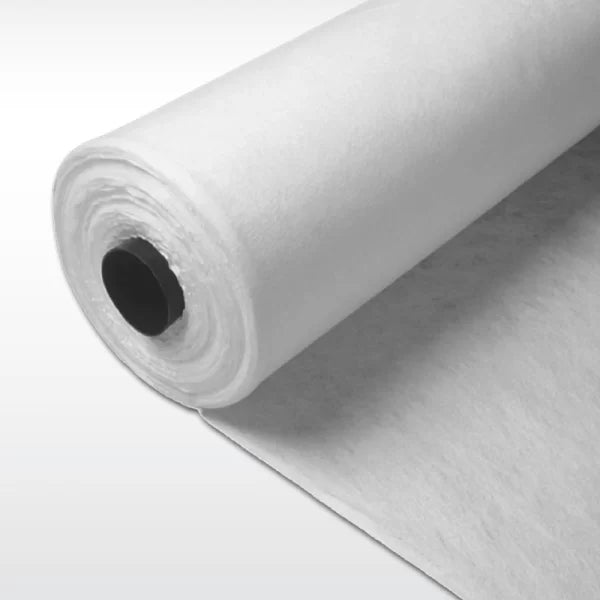
Geo Matting | Geotextile Fabric for Retaining Wall Drainage
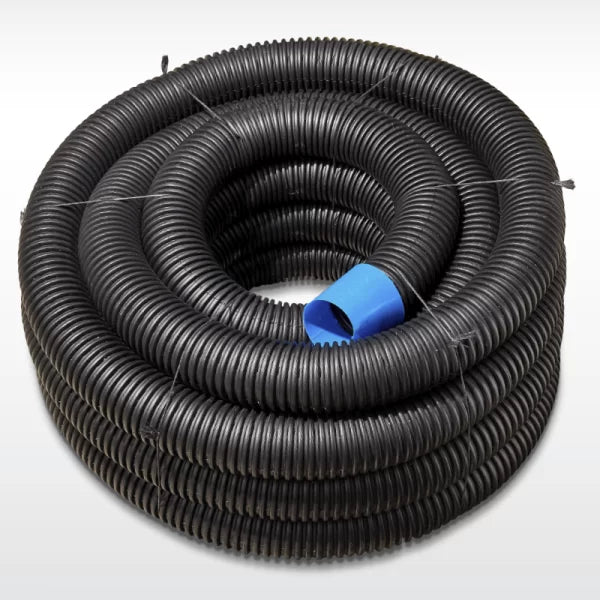
Ag Pipe 100mm x 20m | Slotted & Socked Drain Coil
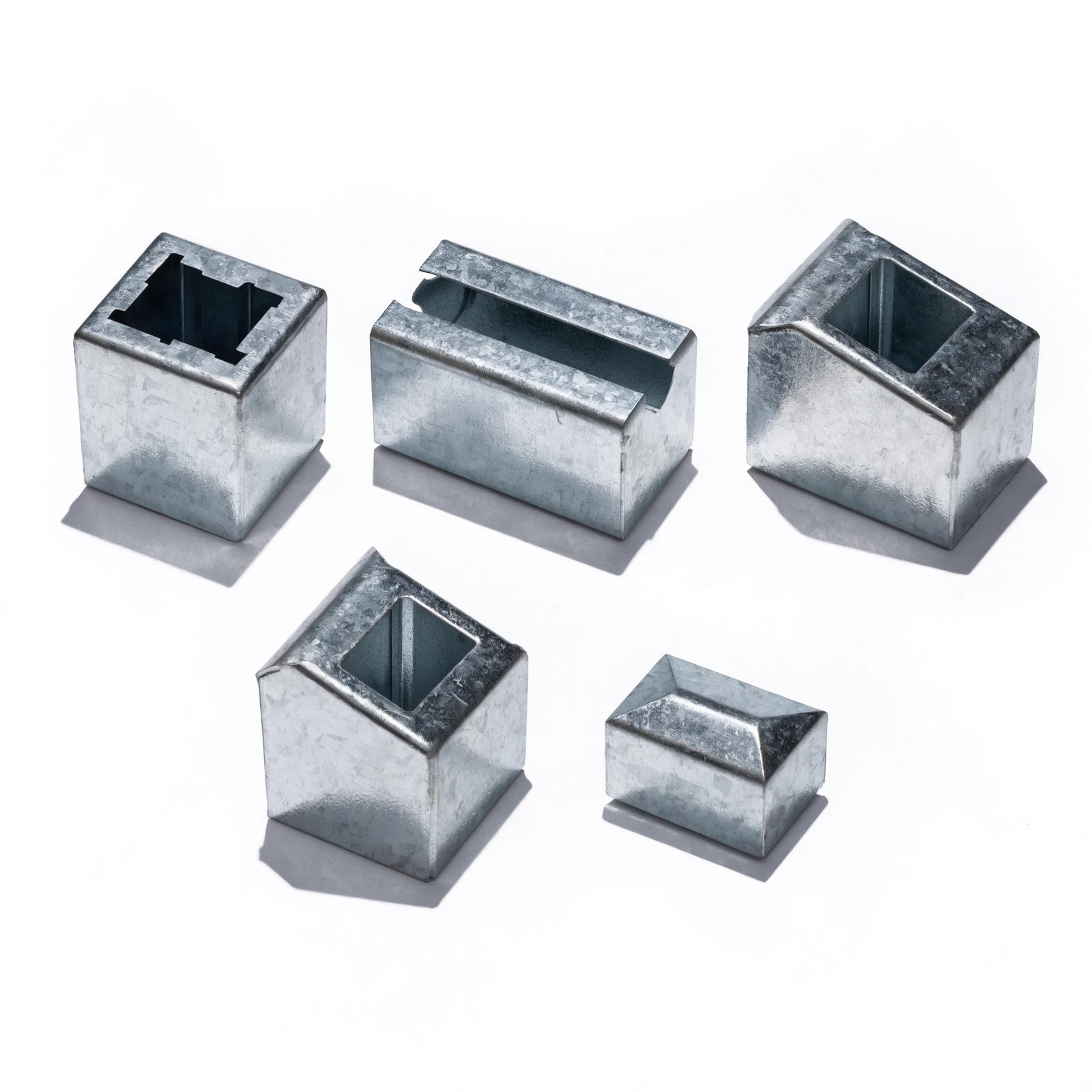
Galvanised Steel Post Caps
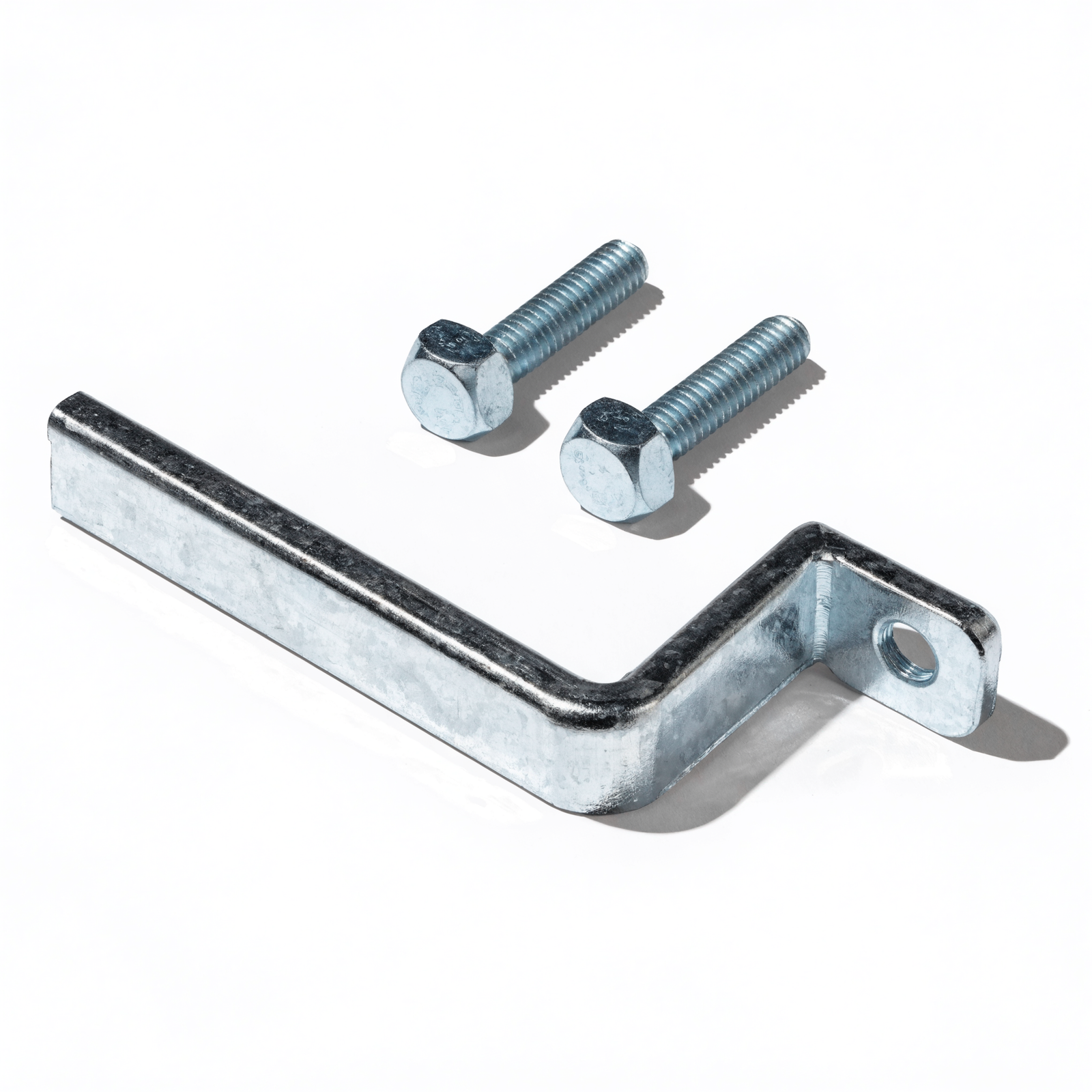
Galvanised Steel Fence Bracket Kit
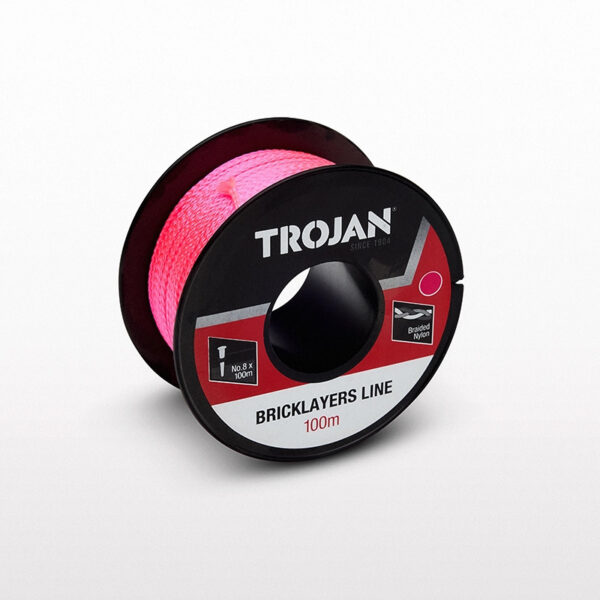
Builders Line Nylon Pink 100m

Material Estimator

Add your deal, information or promotional text

Retaining Wall Advice

One bracket, two post profiles. Here's why the same fence bracket kit suits both H-beam and C-channel retaining wall posts, where the plate actually seats on each, and when you're really asking a different question about wall design instead.

Learn how to safely build a fence on top of a retaining wall, including fence brackets, wind load, post sizing, footing depth and fence material considerations. This guide also explains when an under-fence plinth may be enough instead of a full retaining wall.

Choosing between H-beam and C-channel steel posts is one of the most important decisions in any retaining wall build. C-channel suits walls up to 1.0m in standard conditions. H-beam is required for taller walls, heavy surcharge loads, or wider post spacing. This guide explains exactly when to use each, with worked examples and Australian Standards references.
How deep should retaining wall posts be set in Australia? The standard rule is one-third of total post length in the ground — so a 1.5m post needs 500mm embedment for a 1.0m wall. This guide covers embedment depth by wall height, soil type adjustments, surcharge load rules, and worked examples for H-beam and C-channel posts.

Search