









Quick Answer
Wood grain concrete sleepers are steel-reinforced concrete sleepers cast with a realistic timber-grain face. They provide the warm look of timber without rot, termite attack or routine re-staining. Some concrete sleeper systems are promoted for a 50-year-plus design horizon, but actual service life depends on the tested sleeper, reinforcement, posts, footing, drainage, exposure and installation. The surface finish does not set structural capacity on its own.
This guide is for homeowners replacing a tired timber wall, landscapers preparing a quote, and builders specifying a durable timber-look finish. It explains what woodgrain concrete is, how finishes and dimensions vary, how sleepers pair with galvanised posts, why drainage and engineering still matter, and how whole-of-life cost compares with timber. You can also browse the current woodgrain concrete sleeper range while checking the options discussed below.

What Are Wood Grain Concrete Sleepers?
Wood grain concrete sleepers start as reinforced concrete sleeper products with a moulded timber-grain texture on the visible face. The grain pattern changes appearance, not the basic function of the wall. Sleepers span horizontally between designed posts and retain the soil face as part of a complete system that also includes footings, drainage and backfill.
- Same steel-reinforced concrete core as our smooth and charcoal finishes
- Textured face only — backs and sides stay smooth for a clean stack
- Available in standard strength grades, so structural selection works the same way it does for any concrete sleeper
- Slots into the same galvanised steel post system as every other finish we stock
How it Differs from a Plain Concrete Sleeper
The timber-grain texture is cosmetic, so the pattern itself does not make a sleeper stronger or weaker. However, do not assume every woodgrain product is structurally identical to every plain sleeper. Length, height, thickness, reinforcement, concrete strength, manufacturing tolerances and test documentation can differ between products. Compare the complete product specification and the wall design, not the surface finish alone.
Why the Woodgrain Trend has Grown
Woodgrain concrete has become a popular finish because it solves a familiar design problem: many homeowners prefer timber’s warm appearance but do not want a wall face that can rot or attract termites. It is particularly useful beside planting, timber fencing, brick and rendered homes where a plain grey concrete face may look too stark.
How Manufacturers Get the Detail Right
A convincing finish depends on mould quality, pattern variation and casting control. Natural timber has irregular grain lines, knots and colour changes, so a shallow or highly repetitive pattern can look artificial when repeated across a long wall. View a full-size sample outdoors before ordering. Small showroom samples and website photographs may not show pattern repetition, sheen or colour accurately in direct sun.
Colouring methods vary by manufacturer and product. Some sleepers use integral oxide through the concrete, while others use a face colour, stain or sealed surface system. Ask whether the colour is integral or surface-applied, whether a sealer is recommended, and what cleaning products are permitted. This avoids assuming that every woodgrain finish will weather in the same way.
The Timber Look Without The Maintenance
Timber sleepers may need cleaning, coating or inspection, and their service life varies with species, preservative treatment, cut-end protection, drainage, soil conditions and exposure. Woodgrain concrete removes the timber-specific risks of decay and termite attack, but it should still be treated as part of a complete retaining wall system rather than as a maintenance-free object.
- No timber decay. The concrete sleeper face does not rot in ground contact.
- No termite food source. Termites do not consume concrete, although nearby timber landscaping still needs normal protection.
- No routine timber re-staining. Cleaning or a manufacturer-approved surface treatment may still be needed if the wall becomes stained or weathered.
- Long-life wall system. Durability still relies on compatible posts, adequate footings, drainage, legal discharge and correct installation.
A Real-world Example
Consider a typical replacement project on a heavy-clay site. The old timber wall may have remained wet because fine soil was packed directly against the sleepers and there was no reliable drainage outlet. Replacing the face with concrete removes timber decay from the equation, but the rebuild still needs free-draining aggregate, geotextile separation and an ag pipe falling to an approved outlet. Changing the material without fixing the water problem can simply move the failure point from the sleeper face to the posts or footing.
What "Maintenance-Free" Actually Means
“Low maintenance” is more accurate than “maintenance-free”. Woodgrain concrete does not need timber oil, stain or termite treatment, but the wall should still be inspected after major storms. Keep drainage outlets clear, look for unexpected movement, and clean algae or soil staining with methods approved by the supplier. Surface colour can mellow or weather, especially in exposed or damp positions, even though the moulded grain remains part of the concrete face.
For the full side-by-side on lifespan, cost and maintenance, see our woodgrain concrete vs timber sleepers guide.
Available Finishes & Colours
Woodgrain sits alongside other concrete finishes such as charcoal concrete sleepers and smooth-face products. Available woodgrain colours and patterns change by product and production run, so use current collection listings and physical samples rather than assuming every tone shown in an older project photograph is still stocked.

Matching The Finish To Your Project
- Traditional brick homes — a mid-brown woodgrain tone tends to sit naturally against warm brick tones.
- Modern rendered homes — a lighter, bleached woodgrain finish can soften an otherwise hard-edged façade.
- Coastal and subtropical gardens — weathered, driftwood-style woodgrain tones are a popular pairing with native and coastal planting.
- Mixed-material fences and boundaries — woodgrain sleepers under an existing timber or steel fence line tend to read as a cohesive, intentional pairing rather than a mismatch.
Choosing Between Finishes, Not Just Colours
If you're deciding between finishes rather than just colours within woodgrain, our team has already put together a side-by-side comparison of charcoal vs woodgrain vs smooth concrete sleepers — worth a look before you commit to a finish, since the right choice often comes down to the overall palette of the property rather than the sleeper in isolation.
Sizes and Strengths (40/50/60MPa)
Woodgrain sleepers are sold in several product formats. A common residential size in the current range is around 2000mm long by 200mm high by 75mm thick, while heavier products may use a 100mm thickness. Other timber-grain products use different heights and lengths, including 250mm-high units. Confirm the exact dimensions, weight and compatible post channel on the individual product page before setting out post centres.

| Specification item | What to confirm | Why it matters |
|---|---|---|
| Dimensions | Actual length, height, thickness and tolerance | Controls post fit, wall courses and bay layout |
| Concrete and reinforcement | MPa, bar layout and tested product information | Together they affect sleeper performance |
| Permitted span | Clear span or post centres stated by the system | Prevents overloading the sleeper between posts |
| Weight | Mass per sleeper and lifting method | Affects delivery, access and installation safety |
- Dimensions are product-specific. Do not design the wall from a generic “200mm sleeper” description.
- 40MPa, 50MPa and 60MPa describe concrete compressive strength. They do not, by themselves, state the maximum wall height.
- Reinforcement and geometry matter. Thickness, height, length, steel placement and support span all affect performance.
- The wall system governs selection. Retained height, soil, groundwater, slope, surcharge, posts, footings and drainage must be considered together.
Reading a Wall Height Correctly
For design purposes, distinguish retained height from the visible face. Retained height is the vertical depth of soil supported by the wall at the relevant location. Sloping ground above the wall, stepped ground below it, buried courses and nearby loads can all change the design case. Measure the full site profile rather than using a single visible-height estimate from the low side.
Why Strength Grade Matters More Than It Looks
Concrete compressive strength is one input in a sleeper specification, but it is not a stand-alone load rating. A higher MPa number cannot compensate for the wrong reinforcement, excessive span, incompatible post channel, shallow footing or unrelieved water pressure. Use the supplier’s tested product documentation and an engineer’s wall design where required.
Common mistake: selecting a sleeper from colour, thickness or MPa alone. Confirm the retained-height profile, soil and groundwater conditions, surcharge loads, sleeper test information, post series, clear span and footing design as one system. AS 4678 Earth-retaining structures provides the design framework, but it does not turn a single MPa figure into a universal wall-height limit. Check approval requirements with the relevant authority before ordering.
Finally, protect the finished face during backfilling and landscaping. Soil, concrete slurry and metal grinding residue can stain a textured surface and are harder to remove from deep grain lines than from a smooth sleeper. Follow the supplier’s cleaning instructions and test any cleaner on an inconspicuous area first.
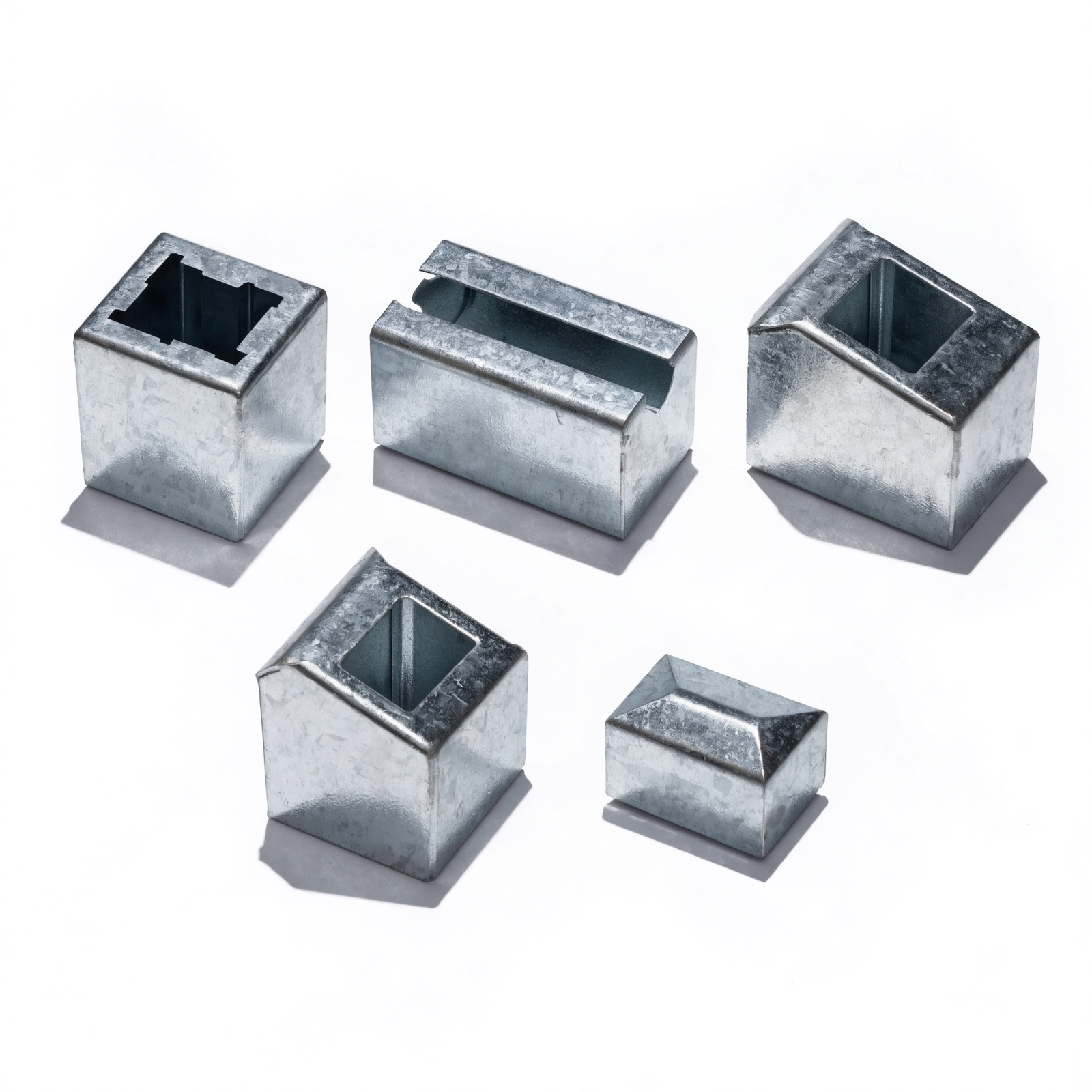
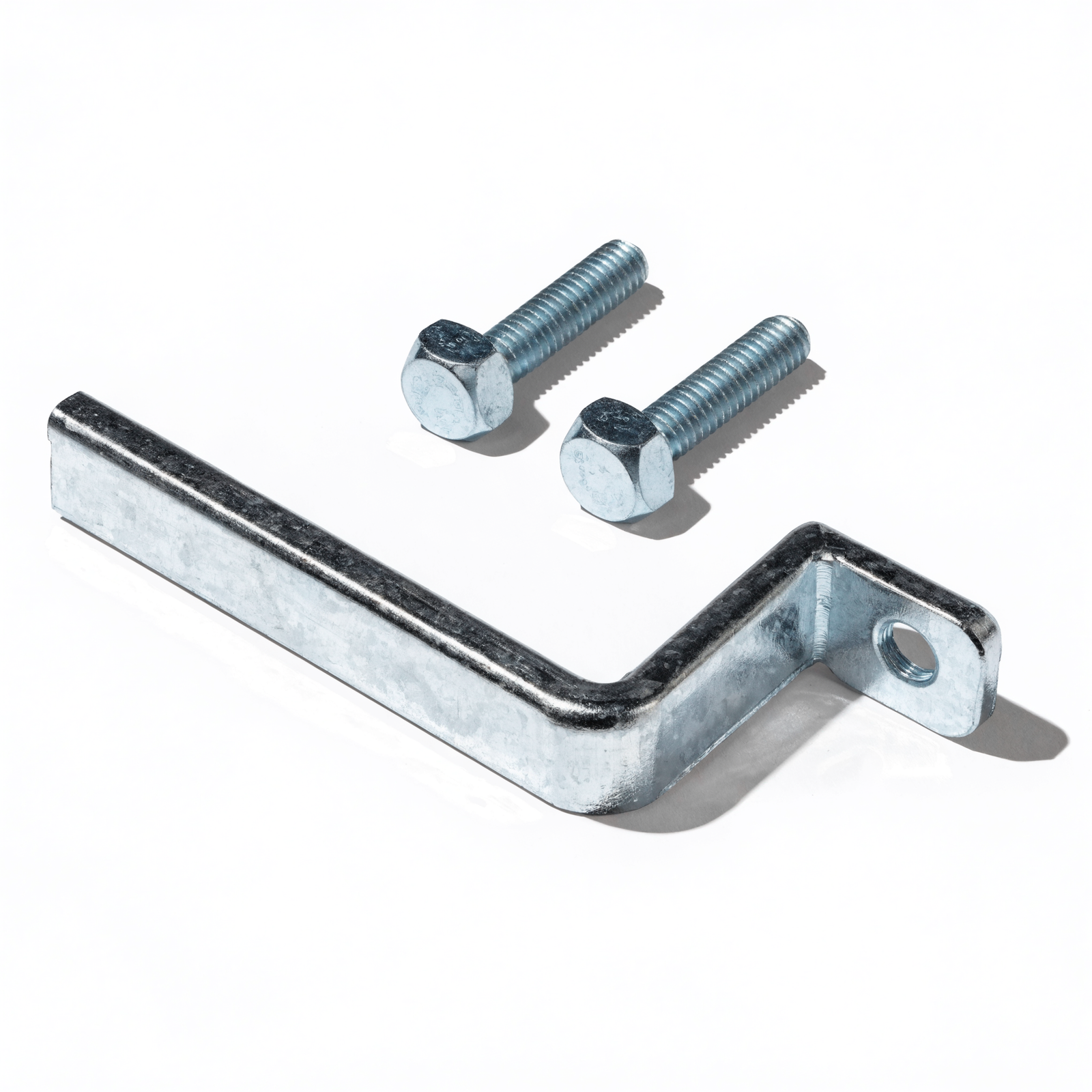
The complete steel retaining wall post range includes end, intermediate, corner and larger-series options. Corners, steps and fence connections need the correct purpose-made post geometry rather than improvised welding or packing on site. Where a fence will sit above the wall, include the fence wind load in the post and footing design before ordering brackets.
Set posts accurately before placing sleepers. Small errors in plumb, level or bay width can accumulate along a long wall and make later courses difficult to fit. Check the clear opening at the top and bottom of every bay, allow only the tolerance stated by the system supplier, and keep concrete splashes or galvanising burrs from obstructing the channel. Never grind reinforcement, trim a concrete sleeper or force a unit into a post unless the manufacturer or engineer has approved the method.
Woodgrain sleepers install in the same general way as other reinforced concrete sleepers, but their weight and textured face need practical planning. Check the product weight before delivery and decide how each unit will move from the unloading point to the wall. Long or heavy sleepers may require a machine, rated lifting equipment or a coordinated team lift. Do not drag the decorative face over gravel or steel, and use suitable packers so stored sleepers remain stable and the textured surface is not chipped.
Handling and Installation Considerations
Steel Post Pairing
Woodgrain sleepers can use the same galvanised steel post families as other concrete finishes when the sleeper thickness, dimensional tolerance and post channel are compatible. The word “woodgrain” does not require a special post, but compatibility should still be confirmed from the product drawings rather than assumed from appearance.
- 100 Series posts are part of the supplier’s system for compatible 75mm sleepers.
- 150 Series posts cover selected 75mm and 100mm sleeper configurations within the same product system.
- Heavier or engineered walls may need a larger post family, different steel section, closer bays or a project-specific footing.
- Hot-dip galvanising improves corrosion resistance, but aggressive soils, coastal exposure and poor drainage may require additional design measures.

Post Spacing and Embedment
Post spacing and embedment are design outcomes. Standard sleeper lengths may suggest a nominal bay layout, but AS 4678 does not prescribe one universal centre-to-centre spacing or a fixed embedment ratio for every wall. The engineer or accepted supplier design must account for retained height, sleeper clear span, soil properties, groundwater, surcharge, post section, footing diameter, concrete and site geometry.
C-Channel vs H-Beam
Retaining wall systems commonly use UC-style H posts and PFC-style channel posts. An H post can support sleeper bays on both sides of its web and is often used as an intermediate post. A channel post is commonly used at ends, returns or where its one-sided channel suits the layout. Section size and orientation, not the letter shape alone, determine capacity. See the H-beam vs C-channel comparison and follow the project design.
Drainage Still Matters, Regardless of Finish
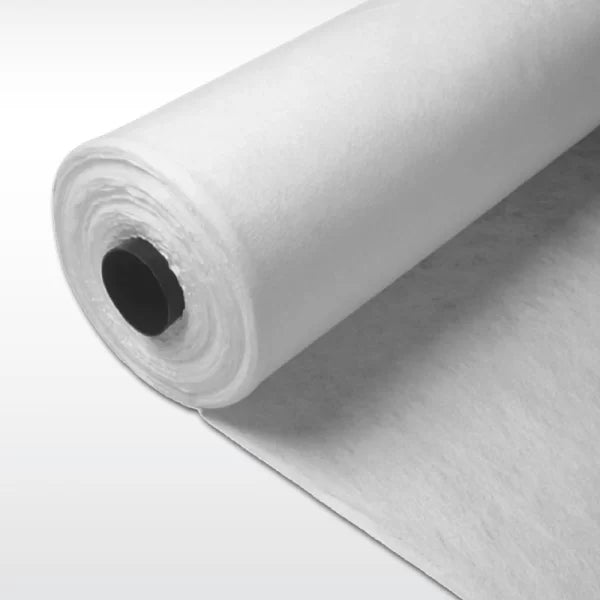
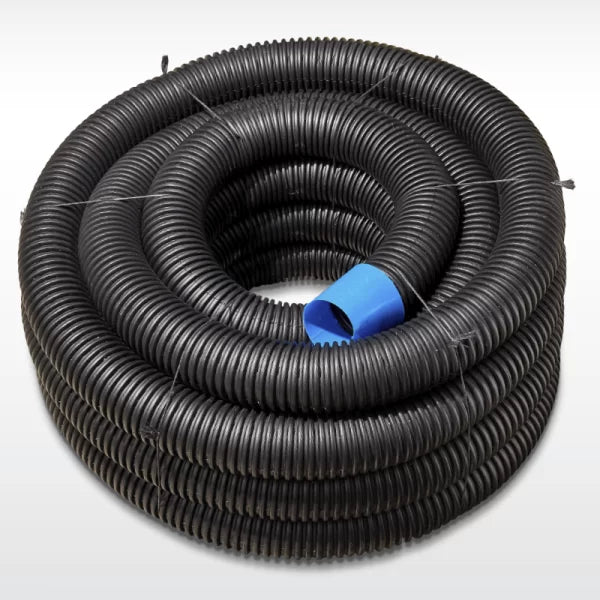
Drainage protects the complete wall system. A typical detail may include clean free-draining aggregate, a slotted subsoil pipe laid to the specified fall, geotextile separation to limit migration of fines, and a lawful discharge point. The exact detail depends on the site and design. Never discharge water onto a neighbouring property or where it can undermine the footing. A concrete face will not rot, but hydrostatic pressure can still overload sleepers, posts and footings.
Cost vs Timber
Woodgrain concrete generally has a higher material and handling cost than treated pine at the time of construction. The value comparison changes when future coating, repair, demolition, disposal and replacement risks are included. Use current delivered prices and a project-specific installation quote rather than a fixed national cost per metre.
- Timber: usually lower upfront cost and lighter handling, with service life strongly influenced by treatment, moisture, drainage and detailing.
- Woodgrain concrete: usually higher upfront cost and heavier handling, with no timber rot or termite risk and generally lower material upkeep.
- Both systems: still need suitable posts, footings, drainage, safe handling and site access.
Thinking in Total Cost, Not Just Sticker Price
Compare total cost over the period you expect to own or maintain the property. Include sleepers, posts, concrete, drainage, delivery, lifting equipment, labour and disposal. For timber, also consider coating or cut-end treatment and the possibility of earlier replacement. For concrete, account for its higher weight and any machinery or extra labour needed to place it safely.
Where the Numbers Actually Matter
The result depends on wall length and height, access, soil, drainage, freight, labour and the selected product. Moist sites can be less forgiving of timber, while difficult access can make heavy concrete sleepers more expensive to install. For a focused comparison, see the woodgrain concrete vs timber sleepers guide. It is still important to obtain a current delivered quote for the exact wall.
Ready to compare products? Browse the woodgrain concrete sleeper collection, or review the current timber-grain concrete sleeper listing for available dimensions and pricing.
Practical tip: approve the colour from a physical sample, but approve the structure from drawings and engineering information. A finish sample cannot confirm load capacity or post compatibility.
- Measure the wall length and the retained-height profile at each change in level.
- Identify slopes, boundaries, services, easements, structures and loads such as driveways or fences.
- Confirm soil and groundwater conditions, including whether water already ponds on the site.
- Choose a specific sleeper product and obtain its dimensions, weight, reinforcement and installation documentation.
- Match the sleeper to a compatible post channel and a supported bay layout.
- Confirm footing, drainage, outlet and approval requirements before excavation.
- Allow for safe unloading and lifting. Concrete sleepers are heavy and may require mechanical handling.
- Order from one documented system where possible so sleepers, posts and accessories have confirmed fit.
Before placing an order, record the information that affects both product selection and the delivered quote:
Woodgrain Sleeper Planning Checklist
FAQs
Do woodgrain concrete sleepers really look like timber?
Good moulds reproduce grain lines and knots convincingly from normal viewing distance. They still look and feel like textured concrete close up, and pattern repetition varies by product. View a full-size sample outdoors before ordering.
Are woodgrain sleepers stronger than plain concrete sleepers?
The finish itself does not change strength. Compare the complete product specification, including dimensions, reinforcement, concrete strength, test information and permitted span. Two sleepers with different finishes may be equivalent, but this should be confirmed rather than assumed.
How long do woodgrain concrete sleepers last?
They are intended as a long-life alternative to timber and do not rot or attract termites. Some systems are promoted for a 50-year-plus design horizon, but actual service life depends on the product, wall design, drainage, corrosion exposure and installation. Treat any fixed lifespan as product-specific, not universal.
Do I need special posts for woodgrain sleepers?
No special post is needed because of the grain texture. You still need a post channel that matches the sleeper thickness and tolerance, plus the correct post section, spacing and embedment for the wall design.
What size woodgrain sleepers do I need?
Choose from the engineered wall requirements, not appearance alone. Retained height, soil, groundwater, surcharge, sleeper geometry, reinforcement, span, posts and footings all affect selection.
Will the colour or texture change?
The moulded texture is part of the face and does not peel like a timber-grain film. Colour and surface appearance can still weather, stain or develop deposits. Follow the supplier’s cleaning and sealing advice.
Can I mix woodgrain with charcoal or smooth sleepers?
It may be physically possible where the products have matching dimensions and engineering properties, but verify compatibility first. Mixing finishes deliberately can create a feature, while unplanned differences in height or thickness can disrupt the wall.
Does woodgrain cost more to install than plain concrete?
Labour is often similar when weight and dimensions match. The final cost can change if the selected woodgrain product is heavier, uses a different height or length, needs different posts, or requires mechanical handling.
Leave a comment (all fields required)