








Soil type is one of the most important variables in retaining wall design — yet it's the one most often ignored by DIY builders. The same wall specification that performs perfectly in sandy loam can fail within a few wet seasons in heavy clay. Understanding your soil type before you order materials is not optional; it's the difference between a wall that lasts 50 years and one that fails in five.
This guide covers the main soil types found across Australian residential sites and how each affects your retaining wall specification.
Why Soil Type Matters
Soil type affects your retaining wall in three critical ways:
- Lateral earth pressure — the force the retained soil exerts on the wall. Heavy clay soils exert significantly more lateral pressure than sandy soils, requiring stronger posts, closer spacing, and deeper embedment.
- Drainage behaviour — clay soils drain slowly and retain moisture, increasing hydrostatic pressure behind the wall. Sandy soils drain quickly, reducing hydrostatic pressure but increasing the risk of soil migration into drainage aggregate.
- Soil movement — reactive clay soils expand when wet and shrink when dry, creating cyclic movement that can fatigue wall components over time.
Sandy and Loamy Soils
Sandy soils and sandy loams are the most favourable soil type for retaining wall construction. They have relatively low lateral earth pressure, drain freely, and don't exhibit the reactive behaviour of clay soils.
Implications for your wall:
- Standard post specifications (C-channel for walls up to 1.0–1.2m) are generally adequate in sandy soils
- Standard post spacing (1.8–2.0m centres) is appropriate
- Drainage is still required — even sandy soils can develop localised water build-up behind a wall after heavy rain
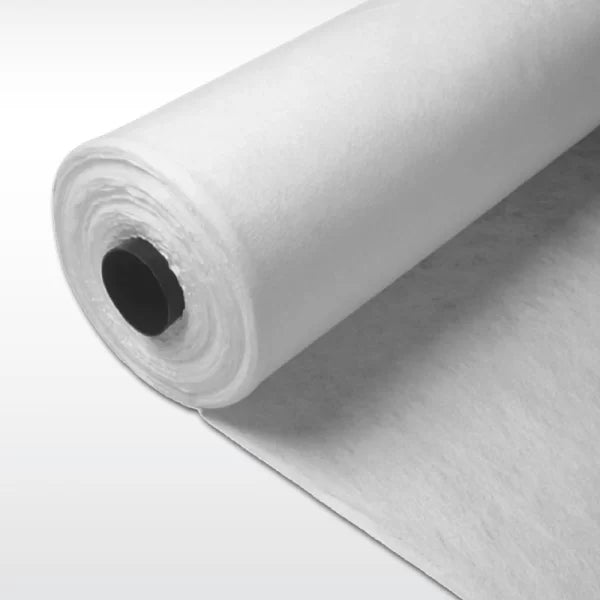
- Geotextile fabric is particularly important in sandy soils to prevent fine sand particles from migrating into drainage aggregate and blocking it over time
Common locations: coastal areas, Perth metropolitan area, parts of Adelaide's northern suburbs, river flats.
Clay Soils
Clay soils are the most common challenging soil type across Australian residential land. Heavy clay is found across western Sydney, Brisbane's western suburbs, Melbourne's eastern and inner suburbs, Adelaide's southern suburbs, and many regional areas.
Implications for your wall:
- Lateral earth pressure is significantly higher than sandy soils — post specification must be upgraded accordingly
- H-beam posts are often required even at heights where C-channel would be adequate in sandy soils
- Post spacing should be reduced (1.5–1.8m centres) in heavy clay
- Post embedment depth must be increased in clay soils
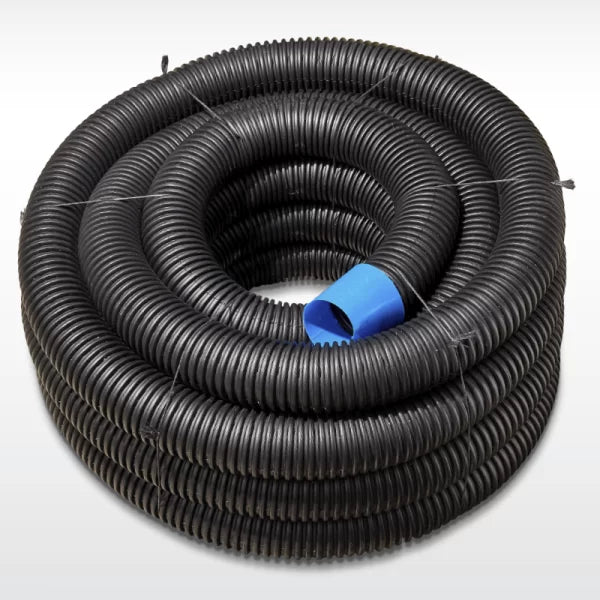
- Drainage is critical — clay retains water and drains slowly, creating significant hydrostatic pressure after rain. A full drainage system (ag pipe, geotextile fabric, drainage aggregate, weep holes) is non-negotiable in clay soils
- Engineering sign-off is strongly recommended for walls over 800mm in heavy clay
See our guide on retaining wall drainage and our guide on choosing the right post type for clay soil applications.
Reactive Clay (Expansive Soils)
Reactive clay soils expand significantly when wet and shrink when dry. This cyclic movement — known as soil reactivity — is classified in Australia under AS 2870 (Residential Slabs and Footings). Highly reactive clay (Class H1, H2, or E) is found across large areas of Queensland, NSW, Victoria, and South Australia.
Implications for your wall:
- All the implications of standard clay soils apply, plus:
- Cyclic soil movement can fatigue post connections and cause sleepers to shift over time
- Drainage is even more critical — reducing moisture variation behind the wall reduces the amplitude of soil movement
- Engineering sign-off is required for walls in highly reactive soils, regardless of height
- Geotechnical assessment may be warranted for significant walls in Class H2 or E soils
If you're unsure of your soil reactivity class, a geotechnical engineer can assess your site. Your local council may also have soil reactivity mapping for your area.
Rock and Hard Subgrade
Rocky ground or hard subgrade presents different challenges — not from soil pressure, but from the difficulty of achieving adequate post embedment depth.
Implications for your wall:
- Standard post hole digging equipment (hand auger, post hole digger) will not penetrate rock — a hydraulic rock auger or rock-breaking equipment is required
- If rock is encountered before the required embedment depth is reached, the post footing design must be modified — typically by using a larger diameter footing to compensate for reduced depth, or by drilling into the rock and grouting the post
- Engineering sign-off is required when standard embedment depth cannot be achieved
- Drainage in rocky ground is generally good, but surface water management is still important
Fill and Made Ground
Many residential sites — particularly in newer subdivisions and on sloping blocks — contain fill material placed during site preparation. Fill can be highly variable in composition, compaction, and behaviour.
Implications for your wall:
- Fill material may be poorly compacted, creating settlement risk behind the wall
- Fill composition is often unknown — it may contain clay, sand, rubble, or organic material in varying proportions
- Retaining walls in fill should always be assessed by a geotechnical engineer before construction
- Settlement of fill behind the wall can create voids, increase surcharge loads, and cause drainage problems over time
Waterlogged and High Water Table Sites
Sites with a high water table or persistent waterlogging present the most demanding conditions for retaining wall construction. The combination of saturated soil pressure and hydrostatic pressure can be extreme.
Implications for your wall:
- Engineering sign-off is mandatory — do not attempt to specify a retaining wall on a waterlogged site without professional assessment
- Drainage design must address both the drainage zone behind the wall and the broader site drainage
- Post corrosion risk is elevated in permanently wet conditions — hot-dip galvanising is essential, and additional corrosion protection may be specified by the engineer
- Post embedment in waterlogged soil may require larger diameter footings or alternative foundation systems
How to Identify Your Soil Type
- Dig a test hole — dig 600–800mm down in the area behind where the wall will sit. The soil you find at depth is what matters for the wall specification.
- The ribbon test — take a handful of moist soil and try to roll it into a ribbon between your fingers. Sandy soils crumble; clay soils form a smooth, plastic ribbon. The longer and smoother the ribbon, the higher the clay content.
- Check your council's soil maps — many councils have soil reactivity or soil type mapping available online.
- Ask a geotechnical engineer — for significant walls or uncertain soil conditions, a geotechnical assessment is the most reliable approach.
Soil Type and Post Selection
The table below summarises the general post specification implications by soil type. These are starting-point guides only — confirm with a structural engineer for walls over 1.0m or in complex soil conditions.
| Soil Type | Post Type | Post Spacing | Drainage Priority | Engineering Trigger |
|---|---|---|---|---|
| Sandy loam | C-channel (up to 1.2m) | 1.8–2.0m | Standard | >1.0m height |
| Light clay | C-channel or H-beam | 1.8m | High | >800mm height |
| Heavy clay | H-beam | 1.5–1.8m | Critical | All walls |
| Reactive clay | H-beam | 1.5m | Critical | All walls |
| Rock | Engineer to specify | Engineer to specify | Standard | All walls |
| Fill | Engineer to specify | Engineer to specify | High | All walls |
| Waterlogged | Engineer to specify | Engineer to specify | Critical | All walls |
Ready to Order?
Browse our C-channel posts, H-beam posts, concrete sleepers, and drainage kits, or contact our team to discuss your soil conditions before ordering.
Ready to get started?
Get a free delivered quote for concrete sleepers, steel posts and retaining wall materials — delivered Australia-wide.
Leave a comment (all fields required)