









Quick Answer
Current Retaining Walls Direct pricing shows standard 40MPa concrete sleepers at about $43 to $65 each inc. GST for common sizes, with charcoal and woodgrain finishes commonly adding about $8 to $20 per sleeper over plain grey. Individual timber-look products vary widely by length and profile. Current examples include Ashwood from $56.75 and extra-high Timber Grain sleepers at $29.90, $42.55 and $63.25 for the listed 900mm, 1500mm and 2130mm lengths. These are sleeper prices only. Posts, footings, drainage, freight and labour are additional.

Woodgrain concrete sleeper cost is not one fixed number because “woodgrain” covers several manufacturers, lengths, face heights, thicknesses, reinforcement details and finishes. This guide uses current prices from Retaining Walls Direct as practical anchors, then explains how to turn the product price into a complete wall budget. Prices were checked on 3 August 2026 and should be verified on the live product page before ordering.
Current Woodgrain Concrete Sleeper Cost Examples
The live woodgrain concrete sleeper collection includes standard 200mm-face products, premium timber-look finishes and a separate 250mm extra-high Timber Grain profile. A lower unit price can reflect a shorter sleeper rather than a cheaper price for the same wall coverage, so compare dimensions and courses as well as the amount shown beside the product.
| Current example | Listed price checked | Important specification difference |
|---|---|---|
| Ashwood concrete sleepers | From $56.75 inc. GST | Available in several 1.8m, 2.0m and 2.4m sizes with 80mm or 100mm thicknesses |
| Timber Grain 900mm | $29.90 inc. GST | Short 900mm span and 250mm extra-high face |
| Timber Grain 1500mm | $42.55 inc. GST | Medium 1500mm span and 250mm extra-high face |
| Timber Grain 2130mm | $63.25 inc. GST | Longer 2130mm span and 250mm extra-high face |
| Common 2000×200×75mm market on RWD | About $43–$65 inc. GST | Range covers direct-supplier products and finish differences |
These figures should not be used as though every product is interchangeable. A 900mm sleeper requires more posts over the same wall length than a 2.0m or 2.4m sleeper, but the shorter span may form part of a higher-load engineered system. A 250mm face also changes the number of courses compared with a standard 200mm sleeper.
The correct comparison is cost for the specified wall bay and wall face, not simply the cheapest individual unit.
Why Woodgrain Prices Vary
Price differences can come from several product features at once. Finish is only one of them. Two sleepers that both look like timber can have different lengths, face heights, thicknesses, concrete grades, reinforcement and sealing.
- Length: longer sleepers normally cost more per unit but cover more wall length and may reduce the number of bays.
- Face height: a 250mm extra-high sleeper needs fewer visible courses than a 200mm face for the same nominal wall face.
- Thickness and section: 75mm, 80mm, 100mm and heavier profiles use different quantities of concrete and fit different post systems.
- Concrete and reinforcement specification: the project may require a particular product or reinforcement detail rather than a generic MPa label.
- Texture, pigment and sealer: mould complexity, surface colouring and sealing differ between ranges.
- Manufacturer and depot: local stock, production scale and freight distance can change the delivered price.
- Order volume: pack, pallet and trade quantities may receive a different quote from a small retail order.
Do not assume a higher-strength product always costs a fixed percentage more, or that every woodgrain finish carries the same premium. Use the exact product variant required by the wall design.
Woodgrain Finish Premium Versus Plain Concrete
Current Retaining Walls Direct pricing guidance places many charcoal and woodgrain finishes around $8 to $20 per sleeper above plain grey for an otherwise comparable product. This premium pays for the textured appearance and finishing process. It does not automatically increase the wall’s structural capacity.
Charcoal and woodgrain can sit in similar premium bands depending on manufacturer and profile. It is therefore inaccurate to state that woodgrain is always more expensive than charcoal. Compare the actual finish, dimensions and grade on the day of the quote.
A premium finish can be a small proportion of the full wall cost once posts, footings, drainage, excavation and delivery are included. On a highly visible front wall, that may make the finish upgrade good value. On a hidden service wall, a plain product may provide the same designed retaining function for less.
Keep the engineering decision separate from the finish decision. Do not select a lighter or incompatible sleeper to fund a more expensive texture.
Sleeper-Only Cost Per Lineal Metre
A lineal-metre figure must state the wall height and sleeper face height. A 600mm wall has fewer courses than a 1.0m wall, so the same product creates a very different sleeper-only cost per metre.
The current RWD concrete sleeper cost guide gives the following planning ranges for premium finishes. These are sleeper costs only and exclude posts, concrete, drainage, freight, labour and professional services.
| Nominal wall face | Typical sleeper profile in the guide | Premium-finish sleeper cost per lineal metre |
|---|---|---|
| 600mm | 75mm standard profile, three 200mm courses | $180–$240 |
| 800mm | 75mm standard profile, four 200mm courses | $240–$320 |
| 1.0m | 75mm standard profile, five 200mm courses | $300–$400 |
| 1.0m | 100mm heavy-duty profile, five 200mm courses | $360–$440 |
| 1.2m | 100mm heavy-duty profile, six 200mm courses | $432–$528 |
These ranges are not permission to use the listed profile at the stated height. The approved sleeper, bay length, post section and footing still depend on the actual product, soil, water, surcharge and engineering.
Extra-high 250mm Timber Grain sleepers require a separate calculation. Four courses create a nominal 1.0m face, but the post spacing and designed wall system are different from a standard 2.0m sleeper wall.
A Worked Sleeper-Only Budget Example
Consider a straight 10m wall with a nominal 1.0m face using a premium 200mm-high sleeper product and five courses. The current guide’s sleeper-only range of $300 to $400 per lineal metre gives a planning total of about $3,000 to $4,000 for the sleepers.
That figure does not include end, corner or joiner posts, footing concrete, drainage, freight, excavation, cutting, damaged units, labour or approval costs. A wall with steps or changing heights should be divided into separate sections rather than priced at one maximum height across the whole run.
If the selected product is 1.8m, 2.4m or an extra-high shorter-span profile, the number of bays and posts changes. Recalculate from the exact dimensions rather than applying this example unchanged.
Wall Height and Layout Affect More Than Sleeper Quantity

Increasing length mostly adds more repeated bays. Increasing height adds courses and can also change the required sleeper, post, embedment, footing and drainage specification. For this reason, cost can rise faster than the visible wall height.
Corners, returns and steps introduce different posts and cut lengths. Tiered walls may need separate drainage and can interact structurally when the setback is small. A calculator helps with quantities, but the wall design still needs to address the load relationship between sections.
The maximum retained height may occur at only one part of a sloping wall. Measure each section and identify the controlling height before obtaining product prices.
Posts, Footings and Hardware
Woodgrain sleepers need a compatible steel post system. The steel retaining wall post collection includes different profiles, series, lengths and corner configurations. A short sleeper can need more posts per metre, while a taller wall can need longer or heavier posts.
The post price should be assessed with the full layout. Count straight posts, end posts, corners, joins and any fence-support hardware separately. Do not assume an H-beam or C-channel is automatically suitable from wall height alone. Use the project design and exact product channel.
Footing concrete is calculated from the specified hole dimensions and number of posts. Deeper or larger footings increase excavation, concrete, spoil and labour. A generic allowance per post can be misleading when soil or surcharge changes the design.
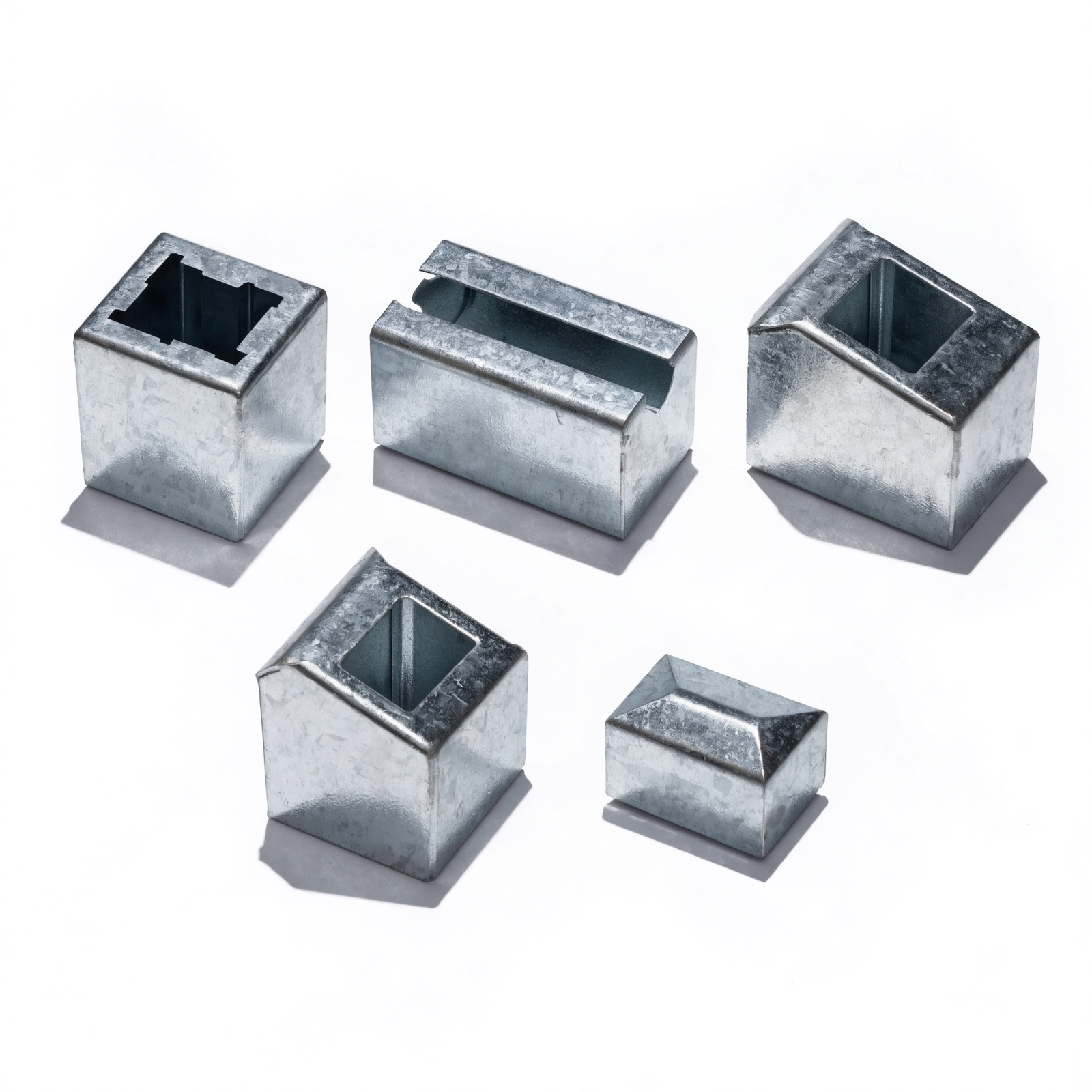
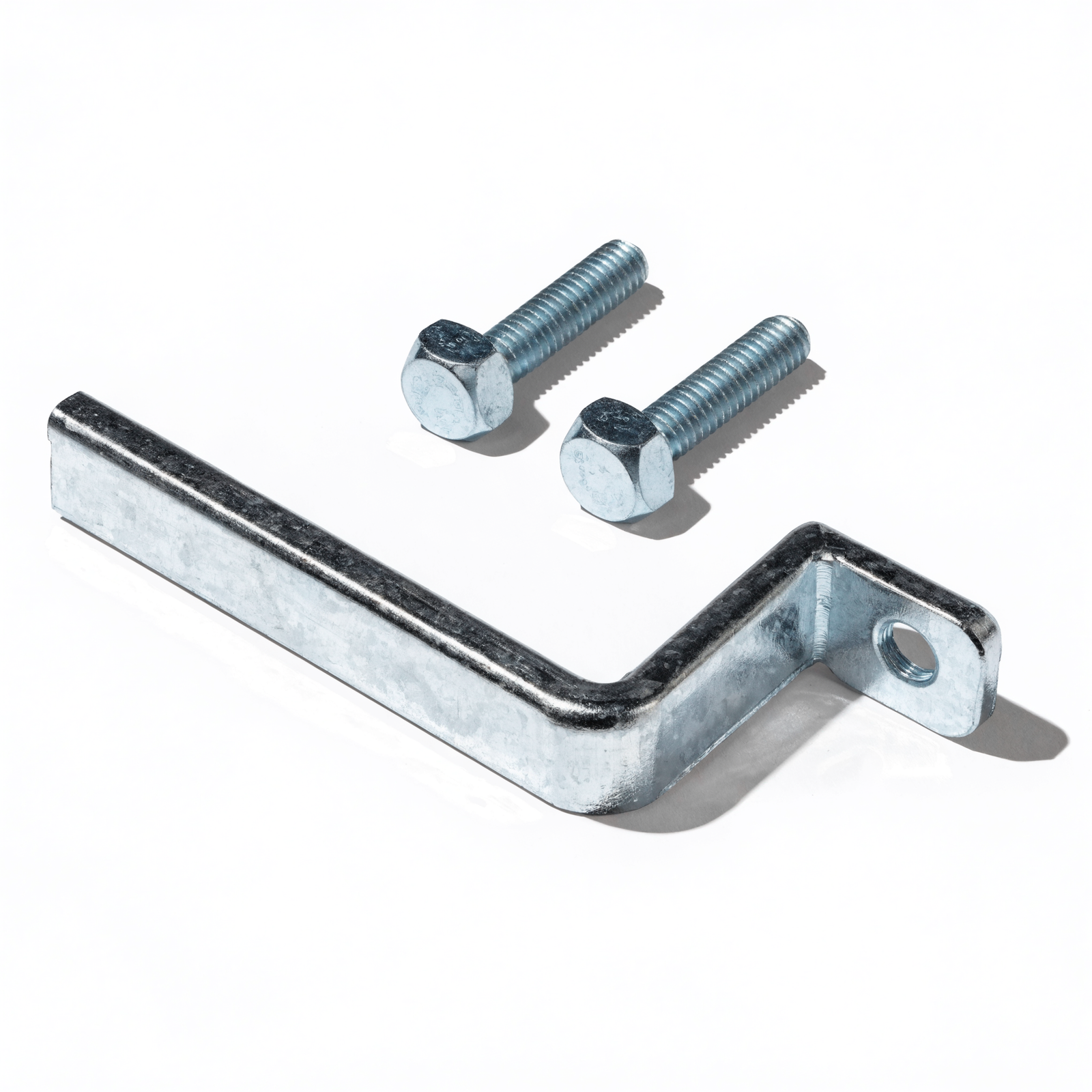
Hardware such as fence brackets, caps, cleats and bolts is smaller than the sleeper or post cost but can still affect the order and delivery. Include these items in the first quote rather than sourcing mismatched pieces later.
Drainage and Backfill Cost

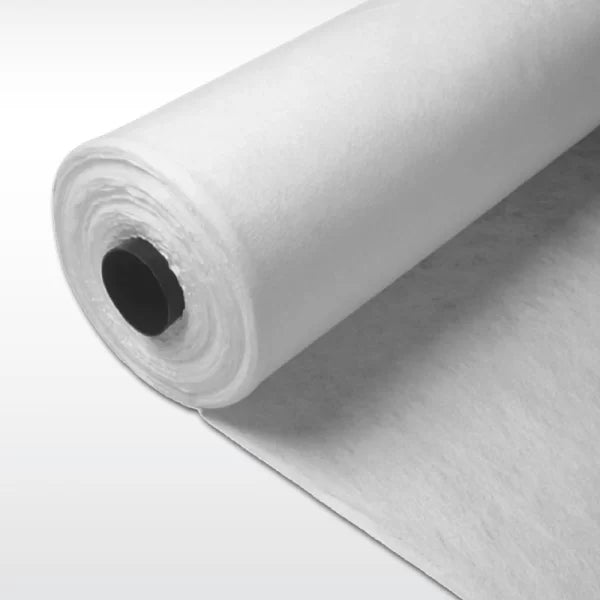
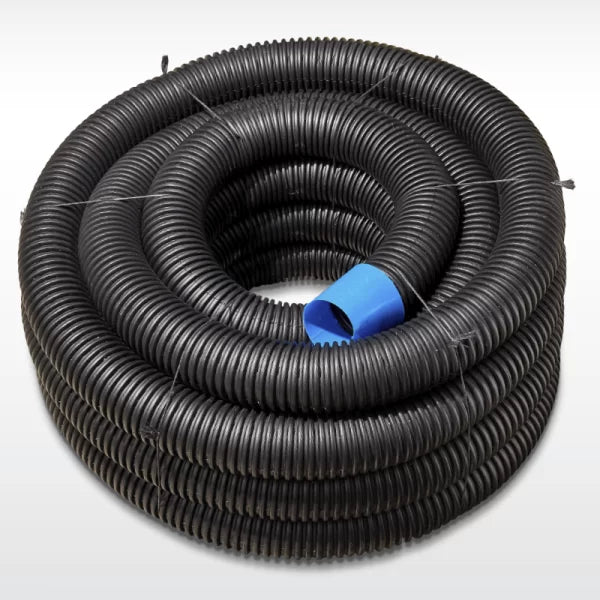
Concrete sleepers do not remove the need for drainage. Water can increase lateral pressure, soften soil around footings and cause erosion or movement. The designed system may use geotextile, free-draining aggregate, ag pipe, fittings and a lawful outlet.
Drainage quantity depends on wall length, height and the specified zone behind the wall. Freight and handling can be significant because aggregate is heavy and may arrive separately from the sleepers and posts.
Ask whether a quote includes drainage material, excavation, outlet connection and reinstatement. A wall quote without these items is not directly comparable with a complete installed quote.
Delivery, Access and Handling
Concrete sleepers are heavy. Delivery normally needs a suitable truck, unloading location and a safe route to the wall. A product can be well priced at the depot and expensive to move through a narrow property.
Provide the postcode, road access, gate widths, overhead restrictions, ground conditions and required unload method when requesting freight. Confirm whether the quote includes crane unloading, forklift use, waiting time and redelivery.
Short sleepers can be easier to handle individually but increase the number of units and posts. Long sleepers reduce joins but can be harder to turn through side access. Treat access as part of product selection, not an issue to solve on delivery day.
Woodgrain Concrete Versus Timber Cost
Treated pine normally has a lower initial unit price than woodgrain concrete. The comparison over time depends on treatment, drainage, soil moisture, termites, installation quality, access for repair and how long the owner expects to keep the wall. The woodgrain concrete versus timber guide explains these trade-offs without relying on one guaranteed lifespan.
Concrete can reduce exposure to timber rot and insect damage, but it is not maintenance-free. Drainage outlets, posts, movement, cracking and erosion still need inspection. Timber can be a sensible budget choice for suitable low work, especially where lighter handling matters.
For a fair cost comparison, include demolition, disposal and access for any future replacement, not only the original sleeper price. Also include the additional handling or machinery that concrete may need during the first installation.
Ordering in One Batch and Managing Colour Variation
Texture and colour can vary between production batches, manufacturers and lighting conditions. Ordering the planned quantity in one batch can improve consistency across a visible wall, although natural variation may still be part of the finish.
Check physical samples or installed examples where colour is important. Screen images can change with photography and display settings. Confirm whether the product is integral colour, surface coloured, sealed or supplied with another finish system.
Large projects can ask about bulk and trade pricing, but the quote should remain tied to the required product specification. A lower bulk price on a different length or profile can increase posts, cutting or engineering costs elsewhere.
How to Get an Accurate Woodgrain Wall Quote
- Measure every wall run. Record lengths, corners, steps and maximum retained height.
- Confirm the exact product. Specify finish, length, face height, thickness and any engineering reference.
- Identify loads and ground conditions. Include driveways, structures, pools, fences, clay, fill, rock and seepage.
- Provide access information. Send the postcode, gate widths, slope, road limits and unload area.
- Request a full system price. Include sleepers, every post type, footing concrete, drainage, hardware and delivery.
- Separate supply from installation. Make clear whether excavation, disposal, labour and reinstatement are included.
- Confirm the validity date. Product and freight prices can change, so ask how long the quote remains open.
Use the retaining wall material calculator to prepare an initial quantity list. For a bundled starting point, review the retaining wall kits and bundles and ask the team to match the components to the actual product and design.
Common Woodgrain Cost Mistakes
- Comparing unit prices across different lengths. A shorter sleeper can be cheaper but require more posts.
- Treating the finish premium as structural capacity. Texture does not replace the required sleeper and post specification.
- Using sleeper-only cost as a full wall rate. Posts, concrete, drainage, delivery and labour are separate.
- Ignoring extra-high face dimensions. A 250mm product changes course count and cannot be priced like a standard 200mm face without recalculation.
- Ordering before confirming access. Heavy materials may need a different truck or handling plan.
- Assuming all woodgrain batches match exactly. Order consistently and inspect samples where appearance matters.
- Reducing drainage or footing work to afford a premium finish. Structural and water-management requirements come first.
A good budget shows what each figure covers. If a quote is much lower than another, compare dimensions, post count, drainage, delivery and labour before concluding it is better value.
Lineal Metre, Square Metre and Unit Pricing
Woodgrain products may be advertised per sleeper, while contractors may quote per lineal metre or square metre of wall face. These figures answer different questions. Unit price helps compare the exact sleeper variant. Lineal-metre pricing only makes sense when the wall height and course count are stated. Square-metre pricing is useful for comparing walls of different heights, but it can still exclude posts, drainage and access.
When reviewing a price, write down the measurement basis beside it. For example, “$65 per 2.0m sleeper”, “$350 per lineal metre for a 1.0m wall face”, and “$350 per square metre of sleeper face” are not interchangeable even when the numbers look similar.
A complete quote should show the finished wall dimensions and the material schedule that creates them. This prevents a cheaper per-metre figure from hiding a shorter sleeper, wider spacing assumption, missing corner posts or a lower wall face. It also makes future variations easier to price if the wall height or layout changes before construction.
FAQs
How much do woodgrain concrete sleepers cost?
Current prices vary by product and length. Common 40MPa concrete sleepers are about $43 to $65 each in the RWD July 2026 guide, with woodgrain and charcoal finishes commonly adding about $8 to $20 over plain grey. Check the live product variant before ordering.
Are woodgrain sleepers always more expensive than charcoal?
No. Both are premium textured finishes and can sit in similar price bands. The exact product, dimensions, manufacturer and stock determine the price.
What is the sleeper-only cost for a one-metre-high wall?
The current RWD planning guide places premium 75mm sleepers at about $300 to $400 per lineal metre for a nominal one-metre face. Posts, footings, drainage, freight and labour are additional.
Why can a shorter sleeper have a lower unit price?
It uses less material and covers less wall length. A shorter span may require more posts, so compare the complete wall layout rather than the single-unit price.
Does a woodgrain finish make the sleeper stronger?
No. Strength comes from the specified concrete, reinforcement, section and wall design. Woodgrain describes the appearance.
What else should I budget for?
Include every post type, footing concrete, drainage aggregate, ag pipe, geotextile, hardware, delivery, excavation, disposal, labour and any survey, engineering or approval work.
How can I get the most accurate quote?
Measure separate wall sections, select the exact product, identify site loads and access, use the material calculator, then request a delivered full-system quote for the property.
Leave a comment (all fields required)