

Free suitability check
Answer four quick questions and we'll tell you exactly which product suits your wall — timber, woodgrain concrete, or something else entirely.
Our recommendation
Retaining Walls Direct supplies H4 CCA treated pine timber sleepers for retaining walls, garden edging, raised garden beds, and landscaping projects across Australia. Timber sleepers deliver the natural warmth of real wood at the lowest upfront cost in the range — the right choice for low garden walls, raised beds, and projects where the timber look is essential and conditions suit the material.
Not sure timber is right? The checker above routes you to the correct product based on your wall's actual conditions. Getting the specification wrong is expensive — a timber wall in heavy clay with poor drainage that fails in eight years costs more than the concrete wall you could have built once.
H4 CCA treated pine sleepers are the standard timber sleeper specification for in-ground contact in Australia. CCA (copper-chrome-arsenate) treatment under AS 1604 Hazard Level H4 makes these suitable for in-ground retaining wall use in most residential conditions. Key specifications:
| Specification | Detail |
|---|---|
| Profile | 200 × 75mm |
| Lengths | 1800mm · 2400mm · 3000mm |
| Treatment | H4 CCA (copper-chrome-arsenate) — in-ground rated |
| Standard | AS 1604-2012 |
| Wall height | Up to approximately 1.0m in well-drained ground |
| Design life | 10–15 years in typical Australian conditions |
| Post compatibility | 100 Series galvanised steel posts |
Dense Australian hardwood species with natural resistance to rot and insect attack. A longer-lasting timber option than treated pine where budget allows — typical design life 20–25 years in well-drained conditions. Available in selected lengths. Contact us for current stock and pricing.
Recycled and new hardwood railway sleepers for a rustic, industrial aesthetic. Popular for raised garden beds, tiered landscaping, and rural boundary walls. Available in selected sizes — contact us for stock and lead times.
Melbourne-based? See our Melbourne timber sleepers range for local stock, pricing and delivery.
Timber is the correct specification in a narrower set of conditions than most buyers assume. It performs well when:
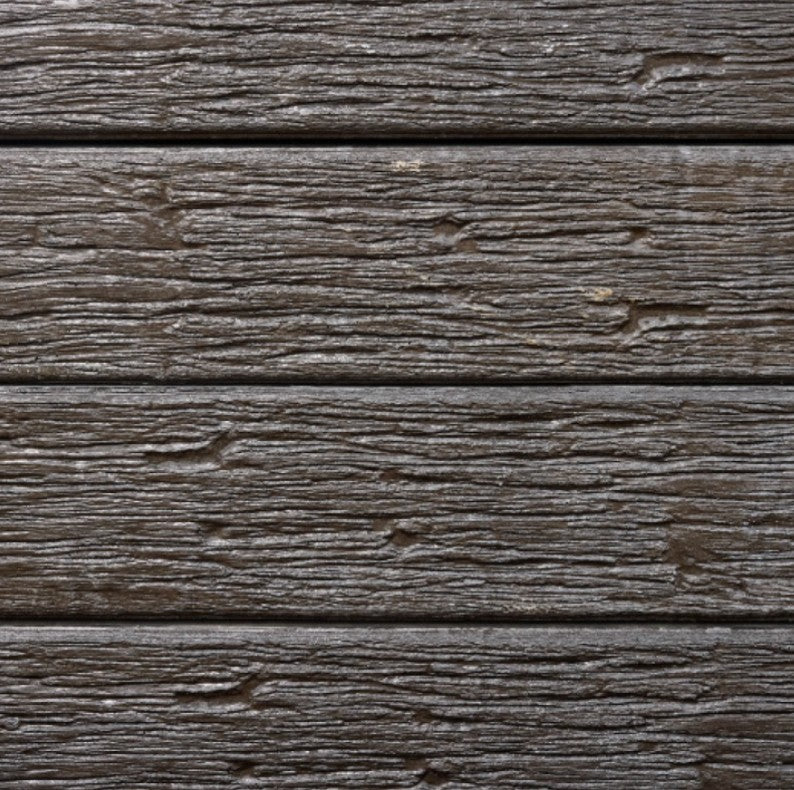
For everything outside these conditions, the suitability checker above will route you to the right product. And if the timber look is the draw but the conditions don't suit timber, our woodgrain concrete sleepers deliver the same grain texture with 50+ year design life and no re-staining — worth comparing before you commit to timber.
| H4 treated pine | Woodgrain concrete | |
|---|---|---|
| Design life | 10–15 years (typical AU conditions) | 50+ years |
| Upfront cost | Lower | Higher |
| Lifecycle cost | Higher (replacement + labour) | Lower |
| Termite risk | Yes — even with H4 treatment | None |
| Rot and moisture | Yes — in heavy clay or poor drainage | Unaffected |
| Maintenance | Re-oiling or staining every 2–3 years | None required |
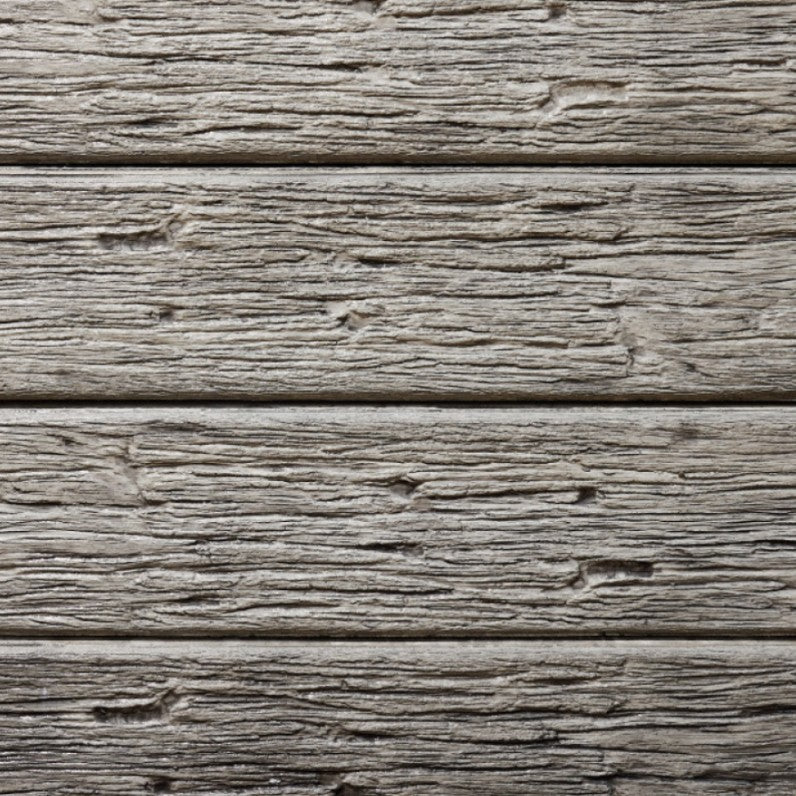
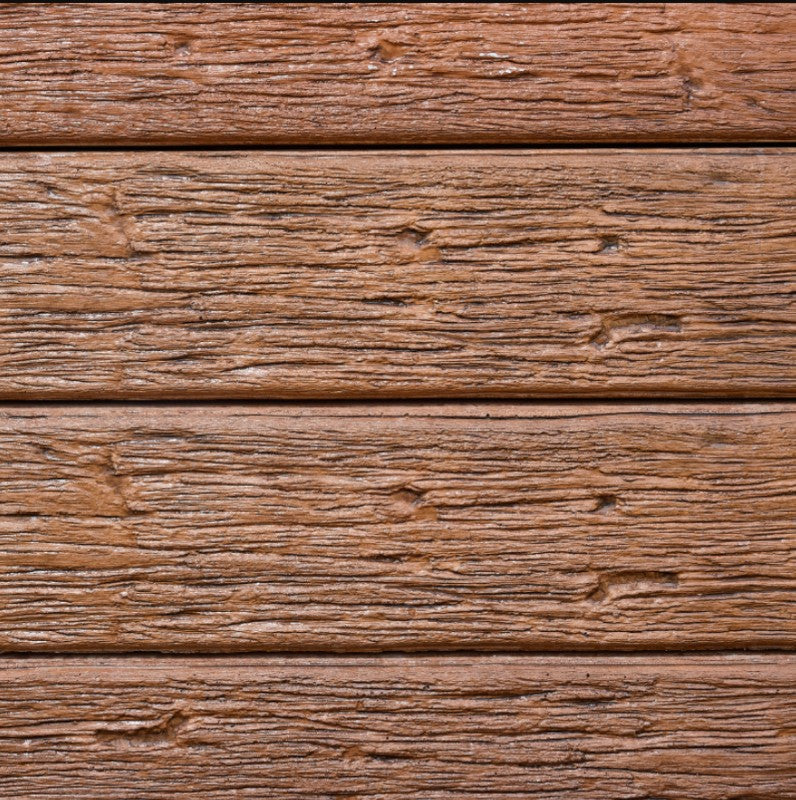
| Timber look | Authentic — real grain, real texture | Moulded grain — very close match |
| Weight per sleeper | Light — easy to handle solo | Heavy — two-person or machine lift |
| Surcharge loads | Not suitable | Up to 60MPa rated |
Read the full concrete sleepers vs timber sleepers guide for a detailed breakdown including real-world failure timelines by soil type and climate.
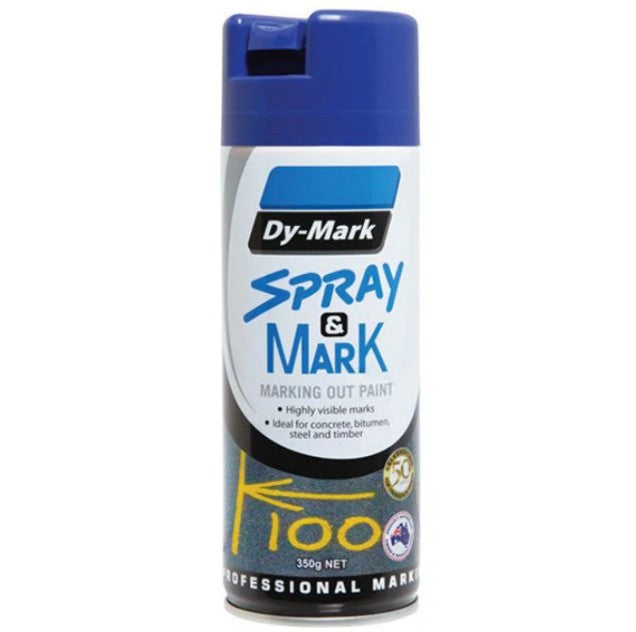
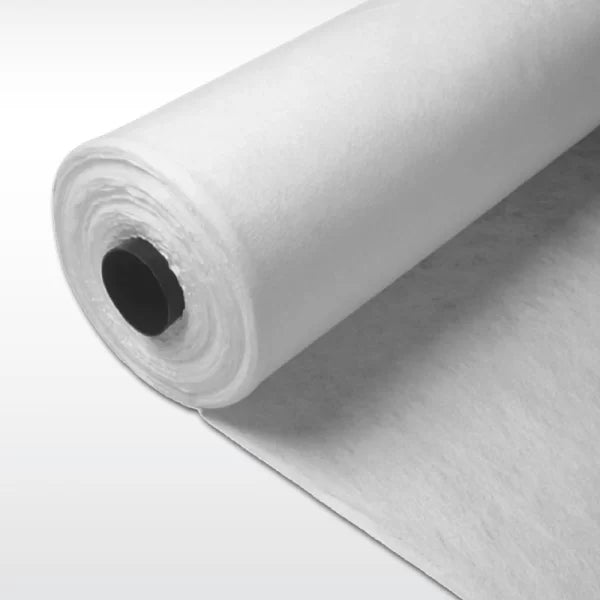
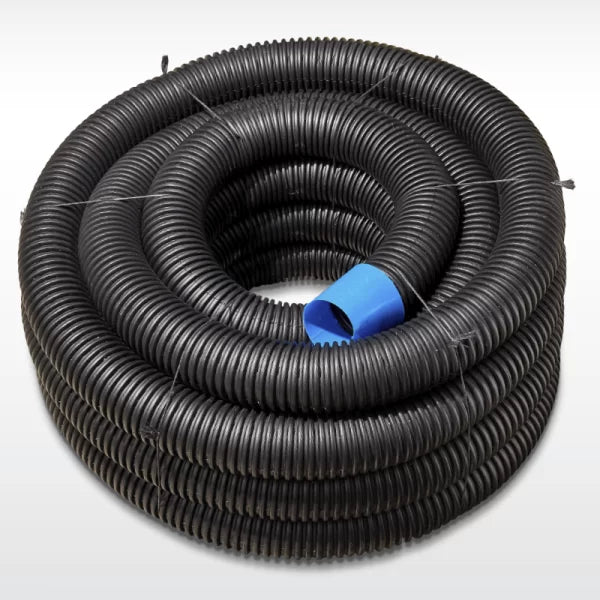
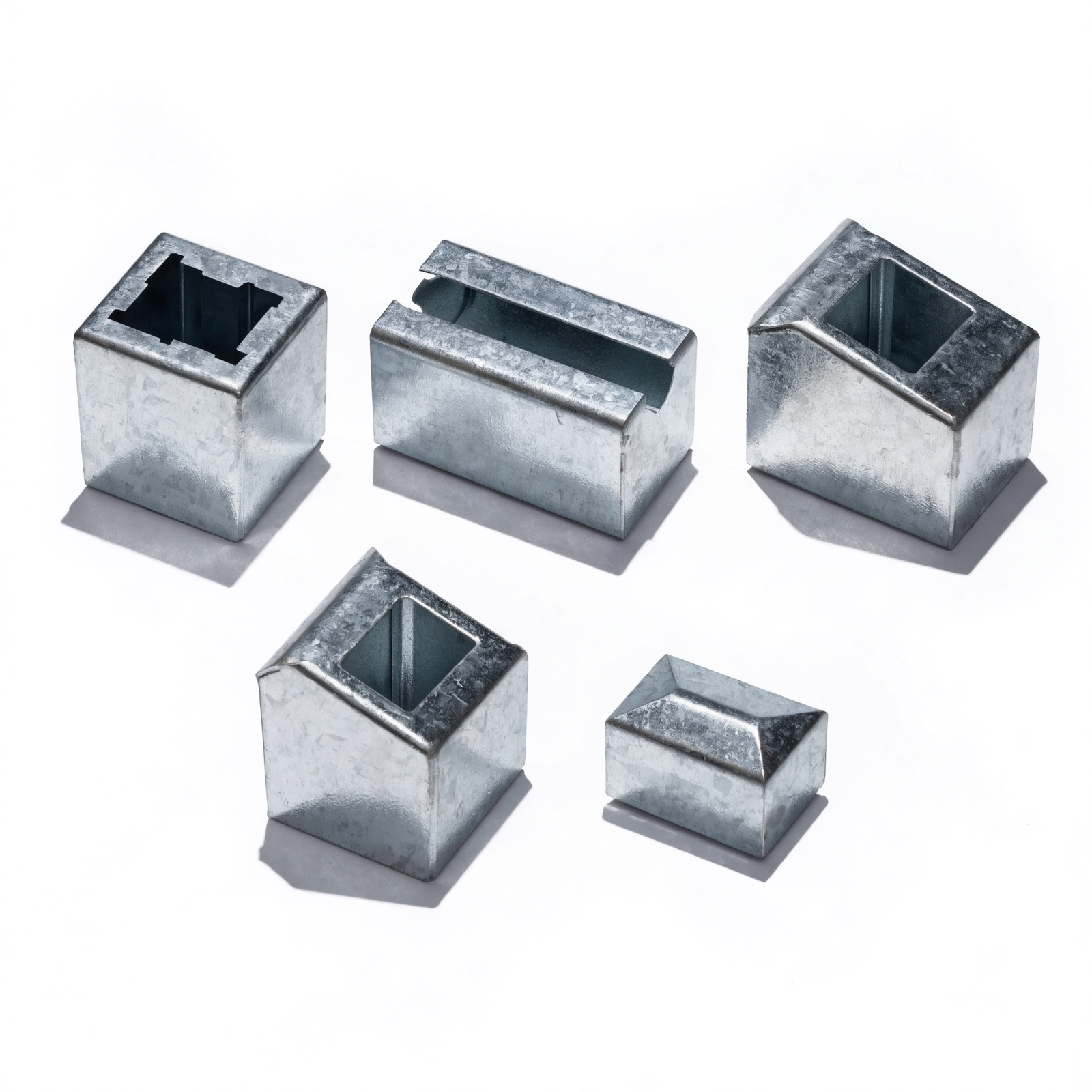
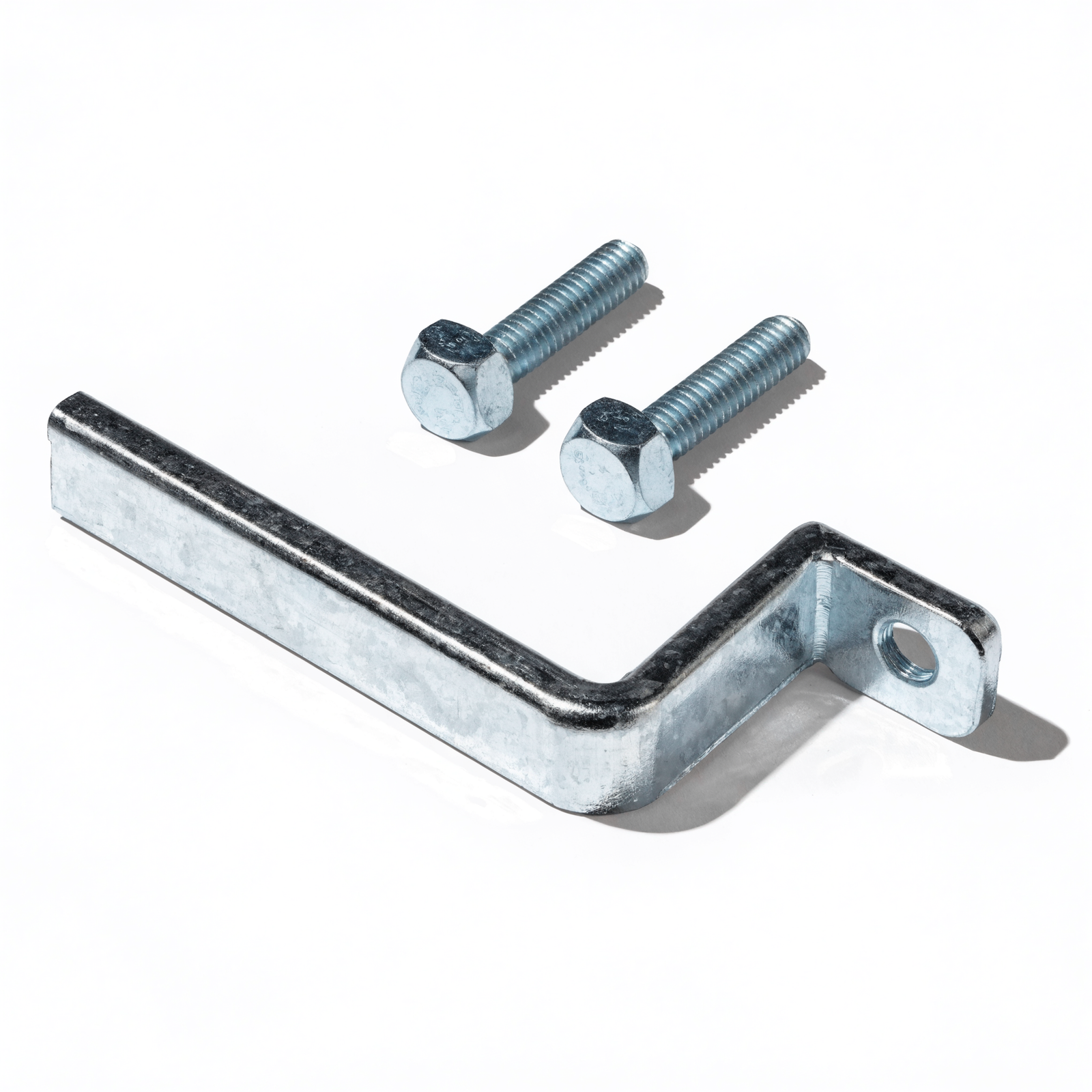
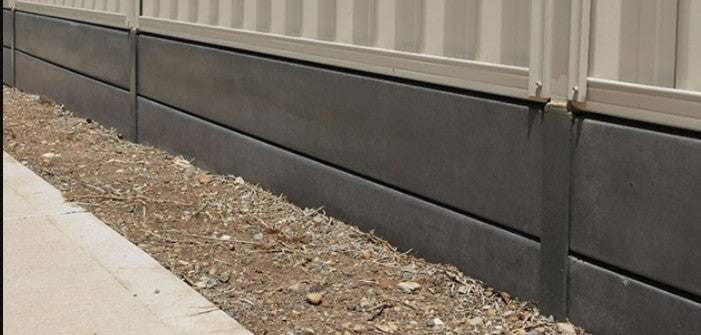
A timber sleeper wall needs the same components as a concrete wall — the timber itself is only part of the system:
Full step-by-step: how to build a timber sleeper retaining wall.
In typical Australian residential conditions — standard residential soil, reasonable drainage, no direct water pooling — H4 CCA treated pine lasts 10–15 years. In ideal conditions (sandy, well-drained, low moisture) you can expect up to 20 years. In heavy clay with poor drainage, failure in 6–10 years is common. Treatment level and installation quality matter, but soil contact moisture is the single biggest variable.
H4 (copper-chrome-arsenate) is the minimum treatment level for in-ground contact in Australian residential applications under AS 1604. H5 provides a higher retention of preservative chemicals and is specified for severe in-ground conditions — heavy clay soils, high-moisture environments, or where the sleeper will be in constant contact with water. For most standard residential retaining walls in well-drained ground, H4 is the correct specification. For high-moisture sites or clay-heavy soils, H5 is the safer choice — or specify concrete.
Technically yes, but not recommended. Reactive clay soils generate higher lateral pressure on retaining walls than sandy or loam soils, and they hold significantly more moisture against the timber face. In reactive clay, timber sleeper walls commonly fail in 6–10 years even with correct H4 treatment and drainage. For clay sites, concrete sleepers are the correct specification. If the timber look is required, woodgrain concrete sleepers are the practical solution.
Yes. Re-oiling or staining every 2–3 years extends the life of exposed faces and keeps the timber looking its best. Treated pine is not UV-stable — it will grey off without maintenance. The in-ground portion is protected by the CCA treatment, but exposed faces above ground are not. Budget for maintenance when comparing total cost against concrete alternatives.
100 Series galvanised steel posts in H-beam or C-channel profile suit most timber sleeper walls under 1.0m. See the steel post sizing guide for post selection by wall height and soil class.
Yes. Trade and bulk pricing is available for landscapers, builders and civil contractors. Open a trade account for trade rates and volume pricing Australia-wide.
For walls over 1.0m or in structurally demanding applications, consult a qualified structural engineer. Timber sleeper longevity varies by species, treatment level, soil moisture, drainage conditions, and climate. Design life estimates are indicative only — actual performance depends on site conditions and installation quality.