









What Is Active Soil Pressure? How It Affects Your Retaining Wall
Active soil pressure — also called lateral earth pressure — is the horizontal force that retained soil exerts against the face of a retaining wall. It is the primary structural load that every retaining wall must resist, and it determines the post size, embedment depth, sleeper strength, and post spacing required for your specific site.
With many years of hands-on retaining wall construction experience across Australia, we've seen more walls fail from underestimating active soil pressure than from any other single cause. This guide explains what it is, what affects it, and how to use this knowledge to specify a wall that performs for decades.
The Basic Concept
Imagine a column of soil behind your retaining wall. That soil has weight, and gravity pulls it downward. But soil also has a tendency to spread laterally — to push outward against anything that restrains it. The horizontal component of this outward push is active soil pressure.
The key insight is that active soil pressure increases with depth. The soil at the bottom of a 1.2m wall is under significantly more pressure than the soil at the top — because it has the weight of all the soil above it pressing down, which translates into greater lateral pressure. This is why retaining wall posts must be embedded deeply into the ground — the embedment provides the passive resistance that counteracts the active pressure trying to push the wall over.
What Affects Active Soil Pressure?
1. Wall Height
Active soil pressure increases with the square of wall height. Double the wall height and you roughly quadruple the lateral force on the wall. This is why a 1.2m wall requires significantly heavier posts and deeper embedment than a 600mm wall — it's not a linear relationship. For walls over 1m, see our guide on engineered retaining walls over 1 metre.
2. Soil Type
Different soils generate different levels of active pressure. The key property is the angle of internal friction (φ) — a measure of how well soil particles interlock and resist sliding. Soils with high friction angles generate less lateral pressure; soils with low friction angles generate more.
- Granular soils (sand, gravel) — high friction angle, lower active pressure. Perth's Tamala Sand and Sydney's Hawkesbury Sandstone-derived soils fall into this category.
- Clay soils — low friction angle, higher active pressure. Melbourne's Silurian clay, Western Sydney's Wianamatta Shale clay, Brisbane's Oxley Clay, Adelaide's Keswick Clay, and Perth's Guildford Clay all generate significantly higher lateral pressure than granular soils.
- Reactive clay soils — the worst case. Reactive clays expand when wet and contract when dry, creating cyclic lateral loads that are far more damaging than static pressure alone. This is why reactive clay sites across Australia's major cities require H-Beam posts and higher-strength sleepers.
3. Surcharge Load
Any load applied to the ground surface above and behind the retaining wall adds to the active soil pressure. This is called a surcharge load. Common surcharge loads include:
- Vehicle traffic on a driveway above the wall — the most common and most underestimated surcharge in residential construction. See: Driveway Retaining Walls — What You Need to Know
- Structures (sheds, garages, house footings) near the top of the wall
- Steep slopes above the wall — the weight of the slope adds to the lateral pressure. See: Retaining Wall Ideas for Sloping Blocks
- Heavy garden beds with saturated soil above the wall
A driveway surcharge can increase the active soil pressure on a retaining wall by 30–50% compared to the same wall with no surcharge. This is why driveway retaining walls require heavier posts, deeper embedment, and higher-strength sleepers than standard garden walls.
4. Water and Hydrostatic Pressure
Water behind a retaining wall dramatically increases the lateral pressure on the structure. Saturated soil is heavier than dry soil, and water itself exerts hydrostatic pressure directly on the wall face. A wall designed for dry soil conditions can fail under the combined active soil pressure and hydrostatic pressure of a saturated backfill.
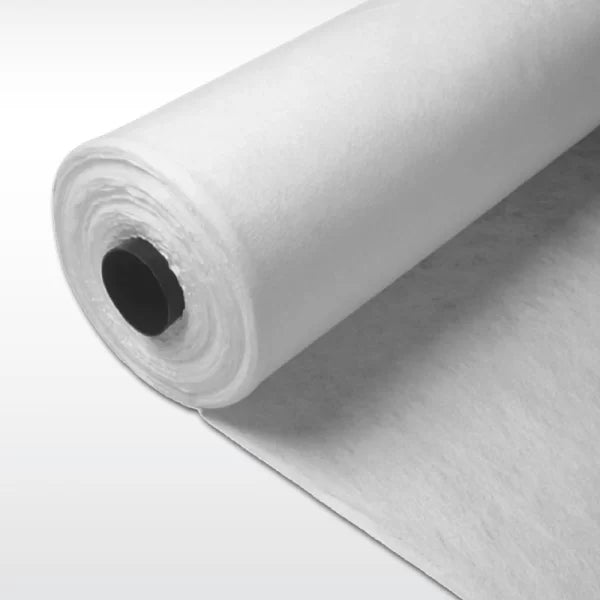
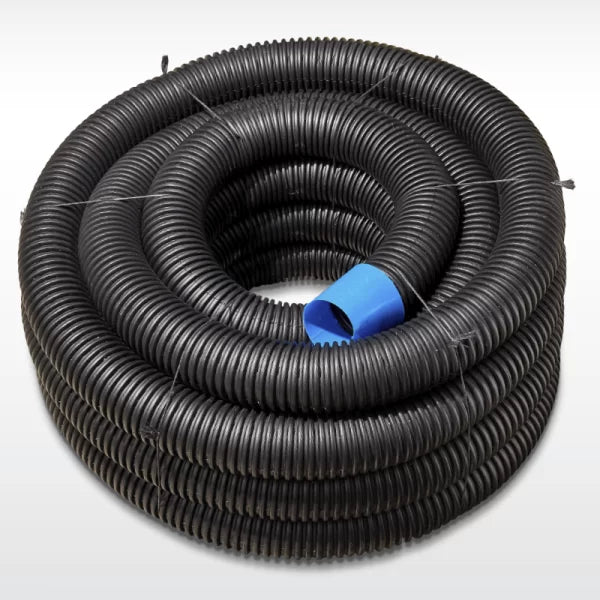
This is why drainage is not optional — it is a structural requirement. Ag pipe, geotextile fabric, and drainage gravel behind the wall prevent water build-up and keep the active pressure within the design parameters. See our drainage guides: Retaining Wall Drainage & Structural Integrity and Ag Pipe for Retaining Walls.
How Active Soil Pressure Affects Your Specification
Post Selection
Higher active soil pressure requires a post with greater bending resistance (section modulus). This is why:
- C-Channel posts are appropriate for low walls in stable, well-drained ground — low active pressure
- H-Beam posts are required for reactive clay sites, tall walls, and surcharge conditions — high active pressure
- 150 Series and 200 Series posts are specified for the most demanding applications — very high active pressure
See our post selection guide: How to Choose the Right Steel Post for Your Retaining Wall.
Post Embedment Depth
The embedded portion of the post provides passive resistance — the counterforce that prevents the post from rotating under active soil pressure. Greater active pressure requires deeper embedment to generate sufficient passive resistance. This is why embedment depth increases with wall height and soil reactivity. See our embedment guide: How Deep Should Retaining Wall Posts Be?
Sleeper Strength
Higher active soil pressure requires stronger sleepers to resist bending between posts. This is why reactive clay sites and tall walls require 50MPa or 60MPa sleepers rather than standard 40MPa. See our strength guide: 40MPa vs 50MPa vs 60MPa — Which Do You Need?
Post Spacing
Closer post spacing reduces the span each sleeper must bridge, reducing the bending moment in the sleeper under active soil pressure. Standard 2000mm post spacing is appropriate for low walls in stable ground. Reducing to 1000mm centres is required for tall walls, reactive clay, and surcharge conditions. See our spacing guide: Retaining Wall Post Spacing Guide.
Australian Standards and Active Soil Pressure
AS 4678-2002 Earth Retaining Structures is the Australian Standard that governs retaining wall design. It provides the framework for calculating active soil pressure based on soil properties, wall geometry, and surcharge conditions. For walls over 1.0m, a structural engineer uses AS 4678-2002 to calculate the active soil pressure and design the wall accordingly.
For walls under 1.0m in stable ground conditions, the rule-of-thumb specifications in this guide and our product pages are appropriate for standard residential applications. Always check your state's building approval requirements before commencing work. See our state-by-state regulations guides below.
City-Specific Active Pressure Considerations
- Sydney — Wianamatta Shale clay in the west generates high active pressure; Hawkesbury Sandstone-derived soils in the east generate lower pressure. See: Retaining Walls Sydney
- Melbourne — Silurian clay in the east and basalt clay in the north and west generate very high cyclic active pressure. See: Retaining Walls Melbourne
- Brisbane — Oxley Clay in the south and west generates high active pressure during the wet season. See: Retaining Walls Brisbane
- Adelaide — Keswick Clay across the plains generates high active pressure with significant seasonal variation. See: Retaining Walls Adelaide
- Perth — Guildford Clay in the eastern suburbs generates extreme cyclic active pressure; Tamala Sand on the coast generates low pressure. See: Retaining Walls Perth
- Canberra — reactive clay plus frost heave creates the most complex active pressure environment of any Australian capital. See: Retaining Walls Canberra
State Regulations
- Retaining Wall Regulations NSW
- Retaining Wall Regulations VIC
- Retaining Wall Regulations QLD
- Retaining Wall Regulations SA
- Retaining Wall Regulations WA
- Retaining Wall Regulations ACT & Tasmania
Shop by City
- Steel Posts — Sydney NSW
- Steel Posts — Melbourne VIC
- Steel Posts — Brisbane QLD
- Steel Posts — Perth WA
- Steel Posts — Adelaide SA
- Steel Posts — Gold Coast QLD
- Steel Posts — Canberra ACT
Related Guides
- How to Choose the Right Steel Post for Your Retaining Wall
- How Deep Should Retaining Wall Posts Be?
- Retaining Wall Drainage & Structural Integrity — Complete Guide
- Ag Pipe for Retaining Walls
- 40MPa vs 50MPa vs 60MPa Concrete Sleepers
- Retaining Wall Post Spacing Guide
- How to Fix a Leaning or Bowing Retaining Wall
Leave a comment (all fields required)