Retaining Walls Melbourne: Concrete Sleepers & Steel Posts Delivered VIC
Retaining Walls Direct supplies premium concrete sleepers and galvanised steel posts to Melbourne homeowners, builders, and landscapers. We deliver direct to your site across Melbourne metro, Geelong, the Mornington Peninsula, Yarra Valley, Dandenong Ranges, Ballarat, Bendigo, and regional Victoria.
Melbourne's reactive clay soils, steep outer suburb topography, and VBA building permit requirements all demand materials built for performance. That's exactly what we supply.
Why Local Soil Knowledge Matters
Melbourne sits on some of Australia's most reactive clay soils. The flat inner suburbs and western growth corridors are underlain by Coode Island Silt and reactive Werribee Formation clay. The outer eastern and south-eastern suburbs sit on more stable Silurian mudstone and sandstone. The Yarra Ranges and Dandenong Ranges have steep terrain with deeply weathered clay profiles.
Getting the soil profile right, before you specify materials, is the single most important decision in any Melbourne retaining wall project.
We supply precast concrete sleepers with hot-dip galvanised steel posts. It's the most widely specified and durable system for Melbourne's reactive clay, with delivery direct to site across all Melbourne metro and Victorian delivery zones.
Melbourne Soil Conditions and Wall Design
Melbourne's geology varies by suburb. Your site's soil type determines post embedment depth, sleeper strength, drainage requirements, and whether you'll need a structural engineer's report:
-
Inner West and Western Suburbs, reactive Coode Island Silt and fill: Footscray, Sunshine, Altona, Williamstown, and the bay-side western suburbs sit on highly reactive Coode Island Silt and estuarine fill. These soils shrink and expand through Melbourne's dry summers and wet winters, placing cyclical lateral loads on retaining wall posts.
-
Northern and North-Western growth corridors, Werribee clay: Craigieburn, Mickleham, Sunbury, Melton, and the northern growth corridors sit on highly reactive Werribee Formation clay. Specify 60MPa sleepers and deeper embedment than minimum code for clay sites.
-
Eastern Suburbs, Silurian mudstone: Box Hill, Doncaster, Ringwood, Croydon, and much of the eastern suburbs sit on lower-reactivity Silurian mudstone and sandstone. These sites offer better bearing capacity and lower swelling risk.
-
South-Eastern Suburbs, Frankston Formation sand and clay: Frankston, Cranbourne, Pakenham, and the Mornington Peninsula transition between sandy coastal soils near the bay and reactive clay further inland.
-
Yarra Ranges and Dandenong Ranges, steep terrain with deep clay: Healesville, Lilydale, Warburton, Belgrave, and the Dandenong Ranges have steep block gradients with deeply weathered clay profiles. Drainage and engineer specification are non-negotiable for walls over 0.8m in this terrain.
Victorian Retaining Wall Regulations and VBA Permits
In Victoria, retaining walls are regulated under the Building Act 1993 and the National Construction Code. The Victorian Building Authority (VBA) oversees the building permit framework. Here are the key rules for Melbourne and Victorian retaining walls:
-
Building permit threshold: Walls over 1.0m generally need a building permit from a registered Building Surveyor. Some councils apply lower thresholds, so always check your local council's planning scheme.
-
Structural engineer certification: Walls over 1.0m need a structural engineer's design certificate prepared to AS 4678:2002. Walls near property boundaries, pools, or significant surcharge loads also need engineering input, regardless of height.
-
Building Surveyor: Your registered Building Surveyor will require an engineer's design for any permit-required wall. They issue the permit and inspect at key stages.
-
Heritage and Planning Overlay areas: Parts of inner Melbourne sit under Heritage Overlay or Design and Development Overlay zones. These areas may need additional planning permits.
-
Boundary walls: Retaining walls on property boundaries fall under the Fences Act 1968 Victoria. A shared boundary wall affecting a neighbour's land needs their agreement before construction.
See our Engineered Retaining Walls Over 1 Metre guide and the Retaining Wall Regulations State-by-State Guide for more detail.
Choosing the Right Materials for Melbourne Conditions
For most Melbourne sites, precast concrete sleepers with hot-dip galvanised steel posts are the preferred system. Here's how to match your specification to your site conditions:
-
Standard residential walls under 1.0m in reactive clay: 50MPa or 60MPa concrete sleepers with galvanised H-beam or C-channel posts at 1.0–1.2m centres. Use a minimum post embedment of 40–50% of the exposed wall height in reactive clay soils.
-
Walls 1.0m to 1.5m in height: 60MPa concrete sleepers with H-beam posts. Victoria requires a VBA building permit and structural engineer's certification for walls over 1.0m.
-
Walls over 1.5m: You'll need a structural engineer's design. Tiered wall systems, anchor systems, or battered configurations may be recommended depending on soil conditions.
-
Driveway retaining walls: Vehicle surcharge loads need engineer-specified design regardless of wall height. See our Driveway Retaining Wall Guide.
Retaining Wall Drainage: Critical for Melbourne's Wet Winters
Melbourne gets around 650mm of annual rainfall, concentrated in the cooler months, and reactive clay soils stay saturated for weeks after rain. Inadequate drainage is the leading cause of retaining wall failure in Melbourne's clay suburbs:
-
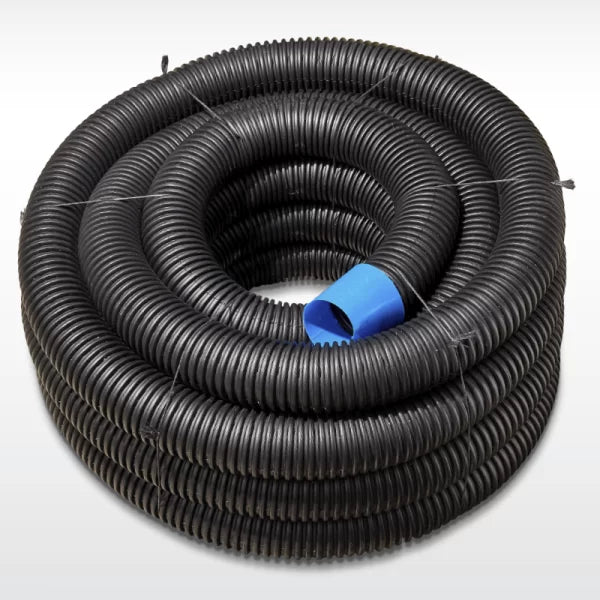
Agricultural drainage pipe (ag pipe): A perforated ag pipe at the base of the wall footing, connected to a legal drainage outlet, is the standard Melbourne drainage solution.
-
Free-draining aggregate backfill: Replace the excavated clay directly behind the wall with clean crushed rock or drainage gravel. Clay backfill against the wall face saturates and can multiply lateral loads in wet conditions.
-
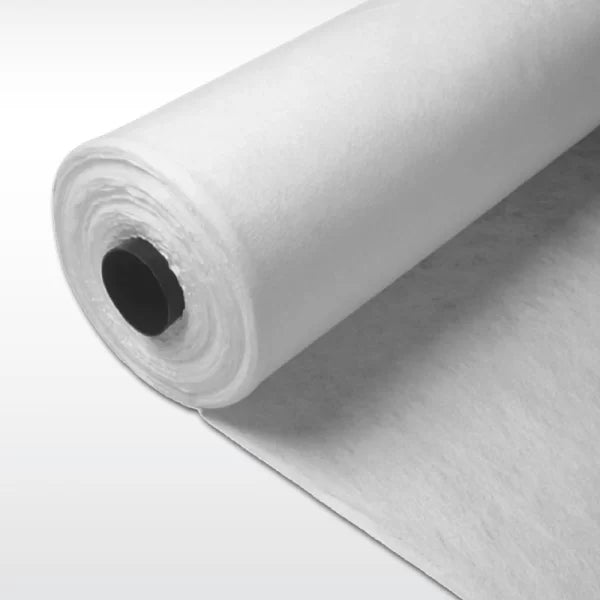
Geotextile filter fabric: Install filter fabric between the drainage aggregate and native clay. This stops clay fines migrating into and blocking the drainage layer.
-
Drainage weep holes: Where piped drainage to an outlet isn't feasible, weep holes through the wall face at 1.2m centres provide pressure relief.
See our Retaining Wall Drainage Installation Guide for full installation guidance.
Common Retaining Wall Projects Across Melbourne
-
Sloped block levelling, outer suburban growth areas: New estates in Craigieburn, Pakenham, Werribee, and the Mornington Peninsula often need retaining walls to create level outdoor living areas.
-
Replacing failing timber sleeper walls: Established Melbourne suburbs have a large stock of ageing timber sleeper retaining walls now reaching end of life. Concrete sleeper replacement with steel posts offers a permanent, zero-maintenance solution.
-
Driveway and car access retaining walls: Common in hilly areas including Templestowe, Warrandyte, Eltham, and the Dandenong Ranges. See our Driveway Retaining Wall Guide.
-
Pool surround levelling: Installing a pool on a sloped Melbourne block means retaining the upslope ground to create a level platform for the pool and surrounds.
-
Under-fence plinths: Concrete plinths below Colorbond or timber fencing prevent soil erosion against fence posts, across all Melbourne suburbs.
Why Melbourne Builders and Homeowners Choose Us
-
Direct supplier pricing: no distributor or reseller markup. Buy direct and save on material costs.
-
Premium Australian-standard materials: concrete sleepers manufactured to AS 1481 and AS 3600. Steel posts hot-dip galvanised for Melbourne's wet winters.
-
Melbourne and regional Victorian delivery: direct to your site across Melbourne metro, Geelong, the Mornington Peninsula, regional VIC, and beyond.
-
Complete system supply: concrete sleepers, H posts, C posts, corner posts, ag pipe, geotextile fabric, drainage fittings. Everything in one order.
-
Trade accounts available: Melbourne builders and landscapers can open a trade account for priority pricing.
Melbourne and Victoria Delivery Areas
Inner Melbourne: CBD, Fitzroy, Collingwood, Richmond, South Yarra, Prahran, St Kilda, Port Melbourne
Inner West: Footscray, Sunshine, Williamstown, Altona, Werribee, Hoppers Crossing, Point Cook
Northern Suburbs: Coburg, Brunswick, Preston, Thornbury, Northcote, Craigieburn, Mickleham, Sunbury
Eastern Suburbs: Box Hill, Doncaster, Ringwood, Croydon, Lilydale, Mooroolbark, Kilsyth
Bayside: Brighton, Sandringham, Mentone, Cheltenham, Frankston, Mornington, Rosebud
South East: Dandenong, Pakenham, Cranbourne, Berwick, Narre Warren, Officer, Drouin
Yarra Valley and Ranges: Healesville, Yarra Glen, Warburton, Belgrave, Emerald, Gembrook
Regional VIC: Geelong, Ballarat, Bendigo, Shepparton, Wodonga, Warrnambool
Don't see your suburb? Contact us, we deliver throughout Victoria.
Frequently Asked Questions: Retaining Walls in Melbourne
Do I need a building permit for a retaining wall in Melbourne?
In Victoria, retaining walls over 1.0m generally need a building permit from a registered Building Surveyor, plus a structural engineer's design certificate. Some Melbourne councils apply lower thresholds. Walls near boundaries, pools, or subject to vehicle surcharge loads need engineering input regardless of height. Always confirm with your local council's planning scheme before you start work. See our Retaining Wall Regulations VIC Guide.
What is the best retaining wall material for Melbourne clay?
For Melbourne's reactive clay soils, 50MPa or 60MPa precast concrete sleepers with hot-dip galvanised H-beam steel posts are the industry-standard specification. Concrete outperforms timber in Melbourne clay: it doesn't absorb moisture, swell, rot, or fail at the post-sleeve interface, which is the most common failure point in timber systems. Galvanised steel posts resist corrosion in Melbourne's wet-winter soil conditions.
How much drainage do I need behind a retaining wall in Melbourne?
For Melbourne clay sites, the minimum standard is a perforated ag pipe at the base of the wall footing, surrounded by free-draining aggregate, wrapped in geotextile filter fabric, and connected to a legal drainage outlet. Many Melbourne wall failures come down to inadequate or blocked drainage behind the wall. See our Retaining Wall Drainage Guide for full guidance.
Can Retaining Walls Direct deliver to my Melbourne suburb?
Yes. We deliver across Greater Melbourne and throughout Victoria. Delivery is by heavy freight truck, so make sure your site has clear truck access (minimum 3.5m height and 3.0m width clearance). Contact us for tailgate, crane truck, or depot collection options if your property has restricted access.
How much does a retaining wall cost in Melbourne?
Material costs for a standard concrete sleeper and steel post wall start from approximately $300–$600 per lineal metre for a 1.0m wall. Installation, drainage, permit fees, and engineering costs add to this depending on site conditions and complexity. See our Retaining Wall Cost Guide Australia 2026 for a full breakdown.
Get a Free Melbourne Retaining Wall Quote
Ready to start your Melbourne retaining wall project? Contact Retaining Walls Direct for a fast, no-obligation quote for materials delivered direct to your site, anywhere across Melbourne and regional Victoria.
→ Get a Free Melbourne Quote Now
Melbourne builders and landscapers can also open a trade account for priority pricing and faster dispatch.
More Melbourne Retaining Wall Resources