Retaining Walls Brisbane: Concrete Sleepers & Steel Posts Delivered QLD
Retaining Walls Direct supplies premium concrete sleepers and hot-dip galvanised steel posts to Brisbane homeowners, builders, and landscapers, delivered direct to your site across Brisbane metro, the Gold Coast, Sunshine Coast, Ipswich, Logan, Redland, Moreton Bay, and regional Queensland.
Brisbane's hilly terrain, significant rainfall, and Queensland Planning Act requirements make choosing the right retaining wall materials, and understanding your permit obligations, critically important for any Brisbane project.
Why Brisbane Needs Quality Retaining Walls
Brisbane is built across some of Australia's most uneven residential terrain. The city's inner western and southern suburbs climb steep escarpments. The outer northern and southern growth corridors cut across undulating ridgelines.
Everywhere you look in suburban Brisbane, retaining walls are holding back slopes shaped by decades of cut-and-fill residential development. Getting your retaining wall right, materials, drainage, engineering, and council compliance, protects your investment and your neighbours.
Retaining Walls Direct supplies the materials Brisbane builders and DIY homeowners have come to rely on: 40MPa and 60MPa precast concrete sleepers, hot-dip galvanised H-beam and C-channel steel posts, drainage fittings, geotextile fabric, and everything needed for a properly engineered retaining wall system, delivered direct to Brisbane and Queensland sites.
Brisbane Soil Conditions and Their Impact on Retaining Wall Design
Brisbane's soil conditions vary significantly across the metropolitan area. Understanding your local soil type directly determines post embedment depth, drainage specification, and engineering requirements:
-
Inner Brisbane and Western Suburbs (Brisbane Tuff and Metamorphic Rock): Paddington, Red Hill, Ashgrove, Bardon, The Gap, and much of inner-western Brisbane sit on Brisbane Tuff, a hard metamorphic rock. These sites have excellent bearing capacity but require rock anchoring or post installation into cut-and-fill zones at the soil-rock interface.
-
South-Western Suburbs (Oxley Creek Alluvial Clay): Rocklea, Acacia Ridge, Coopers Plains, and the Oxley Creek flood plain areas have deeper alluvial clay profiles. These reactive clay soils shrink in the dry season and swell in Brisbane's wet season, placing significant lateral movement loads on retaining wall posts.
-
Northern Growth Corridors (Moreton Bay Sands and Claystone): Moreton Bay, Strathpine, Caboolture, and the northern growth areas transition between sandy coastal soils and inland weathered claystone. Sandy soils drain freely but offer lower bearing capacity.
-
South-East (Logan and Beenleigh Alluvial Soils): The Logan River catchment through Logan Central, Beenleigh, and Loganholme has deep alluvial soils with moderate to high reactivity and can have elevated water tables, making drainage particularly important.
-
Sunshine Coast Hinterland (Granite and Weathered Rock): Buderim, Nambour, Maleny, and the Sunshine Coast hinterland sit on granitic terrain with deeply weathered lateritic profiles. High clay content in weathered granite soils contributes to moderate soil reactivity.
Queensland Retaining Wall Regulations and Brisbane Council Approval
In Queensland, retaining walls are regulated under the Building Act 1975 and Brisbane City Council's Brisbane City Plan 2014. Key compliance requirements for Brisbane retaining wall projects:
-
Building Approval threshold: In Queensland, retaining walls over 1.0m in height generally require a building approval from a private certifier or council. Brisbane City Council's local planning scheme may impose lower thresholds for certain residential zones or overlay areas.
-
Private Certifier: Queensland building approvals are issued through a Licensed Building Certifier for residential retaining work.
-
Structural Engineer Report: Walls over 1.0m require a structural engineer's design in accordance with AS 4678:2002. Walls subject to surcharge loads require engineering regardless of height.
-
Neighbourhood Planning Areas and Overlays: Parts of Brisbane are subject to Flood Overlay, Bushfire Overlay, or Neighbourhood Character overlays which may have additional requirements.
-
Boundary retaining walls: The Neighbourhood Disputes (Dividing Fences and Trees) Act 2011 QLD governs boundary fence and wall disputes in Queensland.
See our Retaining Wall Regulations State-by-State Guide and Engineered Retaining Walls Over 1 Metre for full guidance.
Choosing the Right Retaining Wall Materials for Brisbane Conditions
For most Brisbane residential applications, precast concrete sleepers with hot-dip galvanised steel posts are the preferred system:
-
Standard walls under 1.0m in stable soil: 40MPa concrete sleepers with galvanised C-channel or H-beam posts at 1.2 to 1.5m centres.
-
Walls 1.0m to 1.5m on typical Brisbane alluvial or fill soils: 60MPa concrete sleepers with H-beam posts. A building approval and structural engineer's design certificate are required in Queensland.
-
Walls over 1.5m or in challenging conditions: Engineer-specified design required. Brisbane's steep block topography sometimes demands tiered wall systems. See our Engineered Retaining Walls guide.
-
Driveway walls subject to vehicle loads: Structural engineer design required regardless of height. See our Driveway Retaining Wall Guide.
Drainage: Critical for Brisbane's Wet Season Rainfall
Brisbane receives approximately 1,100mm of annual rainfall, heavily concentrated in the summer wet season. Proper drainage is not a nicety in Brisbane, it is structural protection:
-
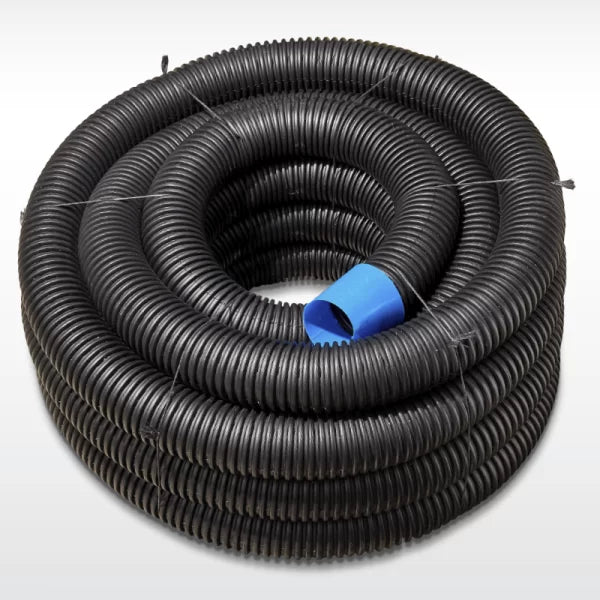
Perforated agricultural drainage pipe (ag pipe): Installed at the base of the wall footing in drainage aggregate, connected to a gravity-fed outlet. Essential for all retaining walls on sites with retained soil.
-
Free-draining aggregate backfill: Replace the excavated soil directly behind the wall with clean crushed rock or drainage gravel to prevent saturated clay pressure building during wet season events.
-
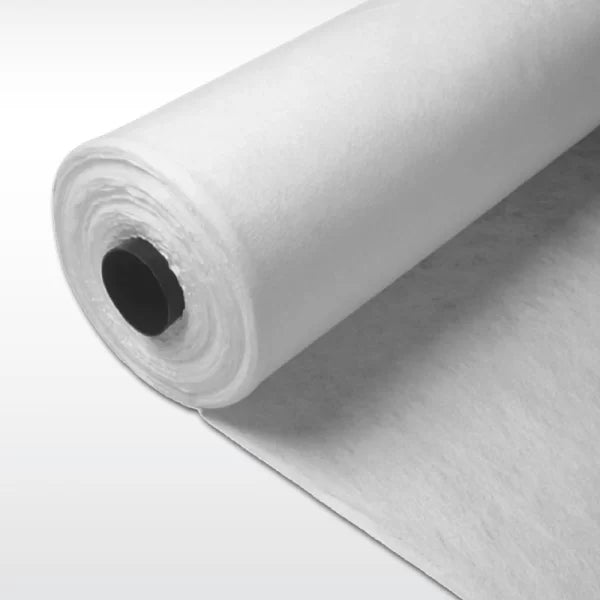
Geotextile filter fabric: Wrap drainage aggregate in filter fabric to prevent fine soil particles from migrating into and progressively blocking the drainage layer over time.
See our Retaining Wall Drainage Guide for complete installation details.
Common Retaining Wall Projects Across Brisbane
-
Sloped block retaining, inner west and hilly suburbs: Ashgrove, Kenmore, Ferny Hills, Samford, and the inner-western hilly suburbs have residential blocks with significant slope requiring retaining for flat outdoor living space.
-
Retaining walls for new house builds in outer suburbs: Growth corridor suburbs in Moreton Bay, Logan, and Ipswich frequently require cut-and-fill retaining as part of new home construction.
-
Replacing failing timber walls: Brisbane's established suburbs have large numbers of ageing timber sleeper walls now reaching failure. Concrete replacement walls resist Brisbane's high humidity and termite pressure.
-
Pool surrounds on sloped blocks: Pool installation on a Brisbane hilly block frequently requires retaining the upslope ground to create a level pool platform.
-
Driveway and road frontage retaining: Significant driveway crossfall is common across Brisbane's hilly suburbs, requiring retaining alongside driveways.
Why Brisbane Homeowners and Builders Choose Retaining Walls Direct
-
Direct supplier pricing: buy concrete sleepers and steel posts direct from the supplier. No distributor markup.
-
Premium quality materials: concrete sleepers manufactured to AS 1481 and AS 3600. Steel posts hot-dip galvanised to AS 4680 for performance in Queensland's high-humidity conditions.
-
Brisbane-wide and Queensland delivery: direct to your site across Brisbane metro, Gold Coast, Sunshine Coast, Ipswich, Logan, Moreton Bay, and regional Queensland.
-
Complete system supply: sleepers, H posts, C posts, corner posts, drainage pipe, geotextile fabric. Order everything in one go.
-
Trade accounts available: Brisbane builders, landscapers, and contractors can open a trade account for priority pricing.
Brisbane and Queensland Delivery Areas
Inner Brisbane: CBD, Spring Hill, Fortitude Valley, New Farm, Kangaroo Point, South Brisbane, West End, Highgate Hill
Inner West and South-West: Paddington, Red Hill, Ashgrove, Bardon, The Gap, Kenmore, Indooroopilly, Toowong, Oxley, Corinda, Rocklea
Northside: Chermside, Nundah, Stafford, Everton Park, Ferny Hills, Albany Creek, Strathpine, Kallangur, Caboolture
Southside: Sunnybank, Runcorn, Calamvale, Stretton, Acacia Ridge, Coopers Plains, Rochedale
East and South-East: Carindale, Wynnum, Manly, Cleveland, Redland City, Victoria Point, Capalaba
South, Logan: Logan Central, Beenleigh, Loganholme, Springwood, Meadowbrook, Shailer Park
Ipswich and West: Ipswich, Collingwood Park, Springfield, Goodna, Brookwater
Sunshine Coast: Maroochydore, Buderim, Caloundra, Noosa, Nambour
Don't see your suburb? Contact us, we deliver throughout Queensland.
Frequently Asked Questions: Retaining Walls in Brisbane
Do I need council approval for a retaining wall in Brisbane?
In Queensland, retaining walls over 1.0m generally require a building approval issued by a private certifier or Brisbane City Council, plus a structural engineer's design certificate. Some residential zones and overlay areas have lower or additional requirements. Check Brisbane City Plan 2014 or contact Brisbane City Council's development assessment team for your specific address. See our Retaining Wall Regulations QLD Guide.
What retaining wall materials are best for Brisbane's climate?
Precast concrete sleepers with hot-dip galvanised steel posts are the preferred Brisbane retaining wall system. Brisbane's high humidity, wet-season rainfall, and termite-active environment make timber sleeper walls a poor long-term choice. Concrete and galvanised steel are unaffected by moisture, UV, and Brisbane's termite pressure, providing far greater service life.
How does Brisbane's wet season affect retaining walls?
Brisbane's summer wet season delivers concentrated rainfall that can rapidly saturate retained soils. Without proper drainage, such as ag pipe at the footing level, free-draining aggregate backfill, and geotextile filter fabric, the hydrostatic pressure behind a retaining wall can increase dramatically during and after heavy rainfall events, potentially leading to wall movement or failure.
Proper drainage is non-negotiable for Brisbane retaining walls. See our Drainage Guide.
Can Retaining Walls Direct deliver to my Brisbane suburb?
Yes. We deliver to all Brisbane metro suburbs and throughout Queensland. Our materials are transported by heavy freight truck, so please ensure clear truck access to your site (minimum 3.5m height clearance, 3.0m width). Contact us for tailgate lift options or if your property has restricted access.
How much does a retaining wall cost in Brisbane?
Retaining wall material costs start from approximately $300 to $600 per lineal metre for a standard 1.0m concrete sleeper and steel post wall. Installation costs, drainage, certifier fees, and engineering add to this depending on site complexity. See our Retaining Wall Cost Guide Australia 2026.
Get a Free Brisbane Retaining Wall Quote
Ready to start your Brisbane retaining wall project? Contact Retaining Walls Direct for a fast, no-obligation materials quote with delivery to your Brisbane or Queensland site.
→ Get a Free Brisbane Quote Now
Brisbane builders and landscapers, open a trade account for priority pricing and faster dispatch on larger orders.
More Brisbane Retaining Wall Resources