Retaining Walls Newcastle: Concrete Sleepers & Steel Posts for the Hunter Region
Retaining Walls Direct supplies premium concrete sleepers and hot-dip galvanised steel posts to Newcastle homeowners, builders, and landscapers, delivered direct to your site across the Hunter Region. That includes Newcastle CBD, Lake Macquarie, Maitland, Cessnock, Port Stephens, the Upper Hunter, and surrounding NSW areas.
Newcastle's mix of coastal sand, Hunter Valley clay, and volcanic basalt soils, combined with varying NSW council development rules, makes material selection and drainage planning critical for retaining wall longevity in this region.
Why Newcastle and the Hunter Region Needs Quality Retaining Walls
The Hunter Region sits across one of Australia's most geologically diverse coastal zones: coastal sand dunes at Stockton and Fern Bay, remnant volcanic basalt soils in the Watagan Ranges foothills, deep alluvial clay flats on the Hunter River valley floor, and weathered sandstone and shale slopes around Charlestown and Merewether. This variety means Newcastle's retaining walls need a system specified to local site conditions, not a one-size-fits-all solution.
Newcastle also sits in a significant rainfall zone. The Hunter coast receives approximately 1,100mm of annual rainfall, and the Watagan Ranges foothills and the ranges above Cessnock can receive considerably more. Adequate drainage behind retaining walls is not optional here, it's the primary factor determining how long a wall lasts.
Retaining Walls Direct supplies concrete sleepers and galvanised steel posts engineered to Australian standards, shipped direct to Newcastle and Hunter Region sites. These are the same materials trusted by Newcastle builders, landscapers, and homeowners across the region.
Newcastle and Hunter Region Soil Conditions
Getting the right post specification for your soil is critical in the Hunter Region:
-
Coastal sand profiles (Stockton, Fern Bay, Fullerton Cove):
Newcastle's northern coastal strip sits on Quaternary aeolian and alluvial sands. Sandy soils have low bearing capacity and offer minimal passive resistance to post embedment. Standard embedment calculations based on clay soils are not adequate here, post embedment depths must be conservative in coastal sand.
Engineer review is advisable for any retaining wall over 0.8m in coastal sand conditions.
-
Hunter Valley alluvial clay (Maitland, Raymond Terrace, Cessnock flats): The Hunter and Paterson River valley floors and lower terraces are underlain by thick alluvial clay deposits, moderate to high reactivity by AS 2870 classification. These clays expand significantly when wet and shrink dramatically in dry conditions, placing cyclic lateral loads on retaining wall posts and creating movement in walls without adequate drainage.
-
Weathered sandstone and shale (Charlestown, Merewether, Wallsend, Mayfield): The elevated ridge areas around Newcastle's suburbs are underlain by Newcastle Coal Measures sandstone and shale, generally moderate bearing capacity when weathered, but subject to significant variability across short distances. Post embedment should be confirmed with a qualified geotechnical engineer where rock is encountered at shallow depth.
-
Volcanic basalt (Watagan Ranges foothills, Morisset): The foothills of the Watagan Ranges to the west of Lake Macquarie contain areas of basalt-derived red clay soils, generally high bearing capacity but highly reactive. These soils expand significantly with moisture and are classified as highly reactive to extremely reactive under AS 2870 in the wettest locations.
-
Estuarine and fill soils (Lake Macquarie shoreline, Cockle Creek): Low-lying areas around Lake Macquarie and Cockle Creek include fill and estuarine deposits of variable quality. Retaining walls on fill or estuarine sites should always be assessed by a structural engineer familiar with Hunter Region ground conditions.
NSW Development Regulations and Newcastle Council Requirements
Retaining walls in the Newcastle and Hunter Region are regulated under NSW planning legislation and applicable local council development control plans (DCPs):
-
NSW Exempt Development (under 1.0m): Under the State Environmental Planning Policy (Exempt and Complying Development Codes) 2008, retaining walls up to 1.0m in height on residential land are generally exempt development in NSW. No council approval is required, provided other exempt development requirements are met (setbacks, drainage, not on flood-prone or heritage land, etc.).
-
Complying Development Certificate (CDC), 1.0m to 3.0m: Retaining walls between 1.0m and 3.0m may be approvable as Complying Development through a private certifier under the NSW Housing Code, subject to meeting the specific development standards in the applicable SEPP. A CDC is faster than a DA, typically 20 business days turnaround from a private certifier.
-
Development Application (DA) for complex or larger walls: Where CDC pathways are not available, such as heritage areas, constrained sites, significant slope, proximity to boundaries, or walls exceeding 3.0m, a full DA to City of Newcastle Council, Lake Macquarie City Council, Maitland City Council, or the relevant local council is required.
-
Structural Engineer Certificate: Retaining walls requiring a CDC or DA must be accompanied by a structural engineer's design certificate prepared in accordance with AS 4678:2002. Your engineer will specify post sizing and embedment for Newcastle's specific soil conditions and applicable loads.
-
Heritage Conservation Areas: Parts of Newcastle's inner suburbs, including parts of the Newcastle East Heritage Conservation Area, Hamilton, Cooks Hill, and The Junction, have heritage overlay requirements. Check your local council's heritage mapping before proceeding with any retaining wall work visible from the street.
-
Flood-prone land: Significant areas around Lake Macquarie, the Hunter River, and Cockle Creek are flood-prone land. Exempt development provisions may not apply on flood-prone land. Check your council's flood planning map before commencing any earthworks or retaining wall construction.
See our Retaining Wall Regulations NSW Guide for full detail on the NSW planning pathway.
Choosing the Right Retaining Wall Materials for Newcastle Conditions
-
Walls under 1.0m on standard residential sites: 50MPa concrete sleepers with hot-dip galvanised H-beam posts at standard centres are the proven specification for sub-1.0m residential retaining in Newcastle. Ensure post embedment is correctly calculated for your soil type, standard centres for clay are different to sandy coastal soils.
-
Walls 1.0m to 1.5m: 60MPa concrete sleepers with engineer-specified galvanised H-beam or C-channel posts. CDC or DA approval required. Structural engineer to specify post sizing and centres for Hunter Region soil conditions.
-
Walls over 1.5m: Engineer-designed system required. See our Engineered Retaining Walls Over 1 Metre guide. Tiered wall systems with a setback between tiers are often the most cost-effective approach for taller retaining requirements on sloped Newcastle sites.
-
Coastal sand sites: Standard post embedment tables are not appropriate for Stockton, Fern Bay, or other coastal sand sites. Engineer specification of extended embedment depth is required, typically 50 to 75% greater than standard clay embedment, to achieve adequate passive resistance in loose sand.
-
Galvanised steel grade: Hot-dip galvanised posts to AS 4680 are the minimum specification for all Newcastle retaining wall work. Newcastle's coastal proximity means elevated atmospheric salt content, particularly within 1km of the coast and in bayside locations around Lake Macquarie. Coastal proximity should be factored into galvanising specification.
Drainage for Newcastle Retaining Walls
Newcastle receives approximately 1,100mm of annual rainfall, concentrated in summer and autumn months, with significant rainfall events during La Niña years. Hunter Region clay soils retain moisture for extended periods following rain. Drainage behind retaining walls is the single most important factor in long-term wall performance in this environment:
-
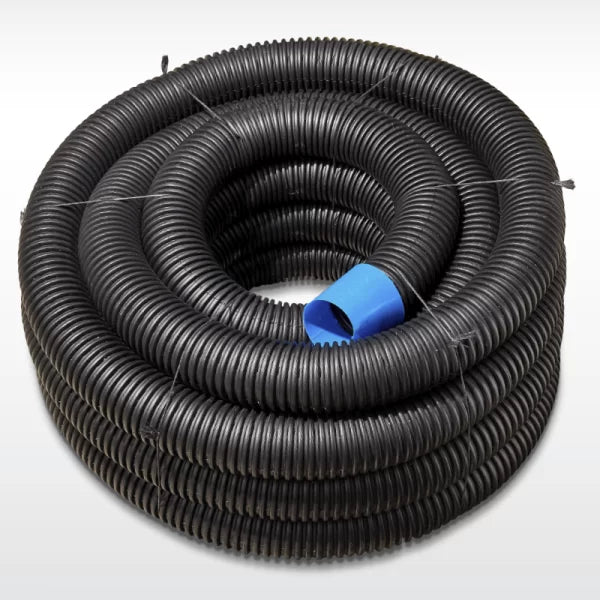
Agricultural drainage pipe (ag pipe): A perforated ag pipe installed at footing level in free-draining aggregate is the standard Newcastle drainage specification. Size the ag pipe to handle the catchment area above the wall, undersized drainage is a common cause of retaining wall failure in high-rainfall events.
-
Free-draining aggregate backfill: Replace native clay directly behind the wall face with clean crushed rock or drainage aggregate to at least 300mm behind the wall face. Do not use native clay as wall backfill, saturated clay pressure loads are far higher than free-draining aggregate loads.
-
Geotextile filter fabric: Filter fabric between drainage aggregate and native clay prevents clay fines from progressively blocking the drainage layer, essential in Hunter Valley clay environments.
-
Drainage outlets: Ensure drainage outlets discharge clear of the wall and to a stable drainage point. In Newcastle's coastal areas, confirm drainage outlets are not discharging to areas that will be affected by tidal backflow or sand accumulation.
See our Drainage Installation Guide for full drainage design guidance.
Common Retaining Wall Projects in Newcastle and the Hunter Region
-
Sloped coastal ridge lots (Merewether, Charlestown, Kotara, New Lambton): Newcastle's inner suburbs sit on elevated sandstone ridges with significant fall across many residential lots. Retaining walls to create level outdoor living spaces, garden areas, and driveways are a standard part of home improvement projects across these suburbs.
-
Hunter Valley acreage retaining (Maitland, Cessnock, Singleton): Rural and semi-rural blocks across the Hunter Valley commonly require retaining walls for driveway management, erosion control, and stock management on sloped acreage. Concrete sleepers are the preferred material for rural Hunter Valley retaining, their durability against moisture, vermin, and agricultural use far exceeds alternatives.
-
Replacing ageing timber sleeper walls: Newcastle's established suburbs built through the 1970s to 1990s, including Wallsend, Lambton, Maryland, and Jesmond, have a significant stock of ageing timber sleeper retaining walls reaching end of life. Concrete sleeper replacement with galvanised steel posts is the standard long-term replacement specification.
-
Port Stephens residential and coastal development: Medowie, Raymond Terrace, and the broader Port Stephens growth corridor are experiencing significant residential development activity. New home construction on variable Hunter alluvial soils regularly requires retaining wall systems as part of site earthworks.
-
Lake Macquarie shoreline and hinterland retaining: Elevated lots overlooking Lake Macquarie, including Warners Bay, Eleebana, Belmont, and Swansea, frequently require retaining walls to manage steep site grades with lake views.
Why Newcastle Homeowners and Builders Choose Retaining Walls Direct
-
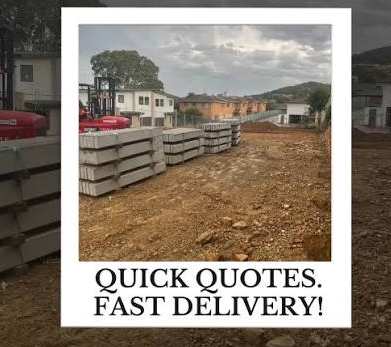
Direct supplier pricing: buy concrete sleepers and steel posts at direct supplier prices. No distributor margin added to your Newcastle job cost.
-
Materials specified for NSW coastal and Hunter Valley conditions: hot-dip galvanised posts to AS 4680, 50MPa and 60MPa concrete sleepers for Newcastle's soil and coastal environment.
-
Hunter Region delivery: we deliver across Newcastle, Lake Macquarie, Maitland, Cessnock, Port Stephens, and the broader Hunter region direct to your site.
-
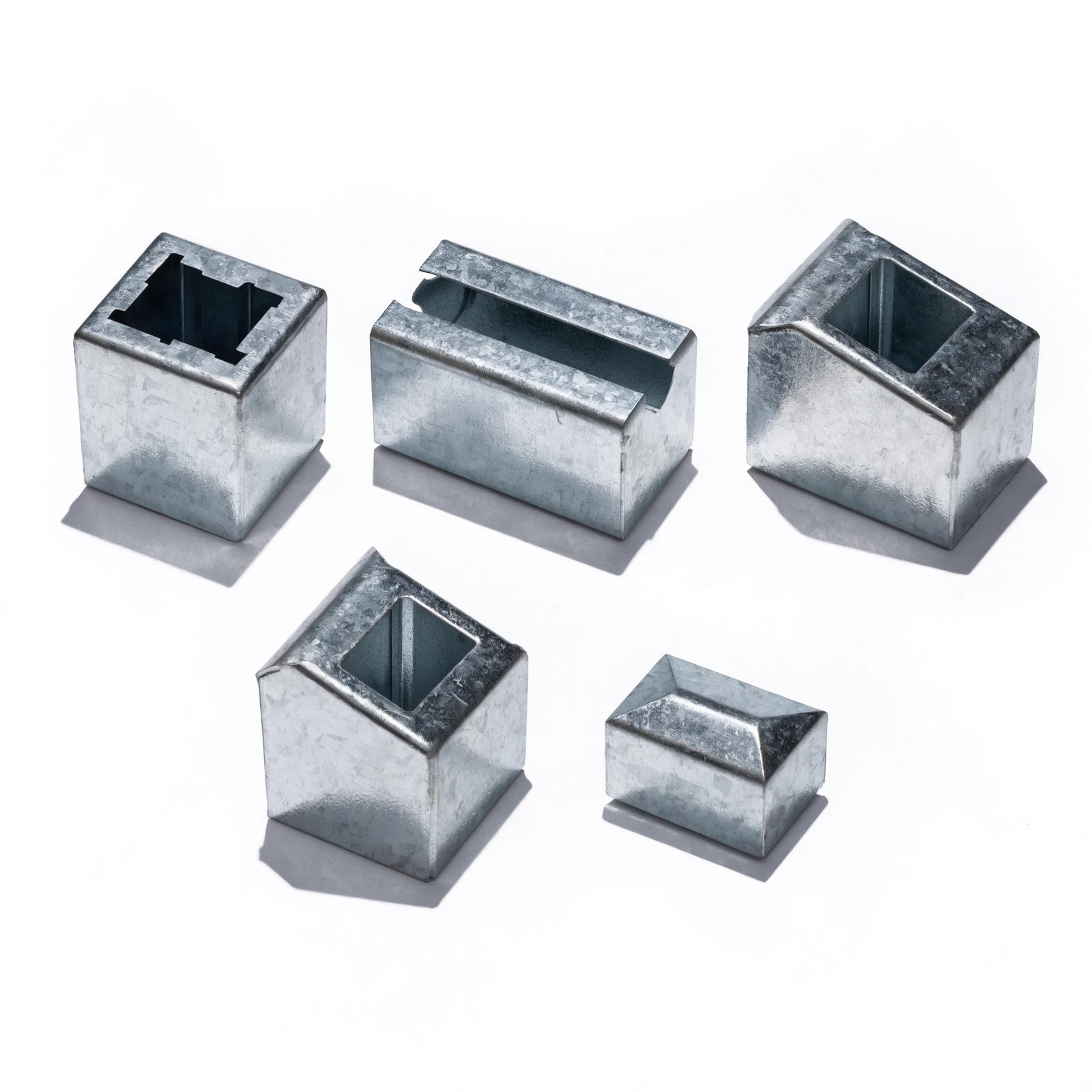
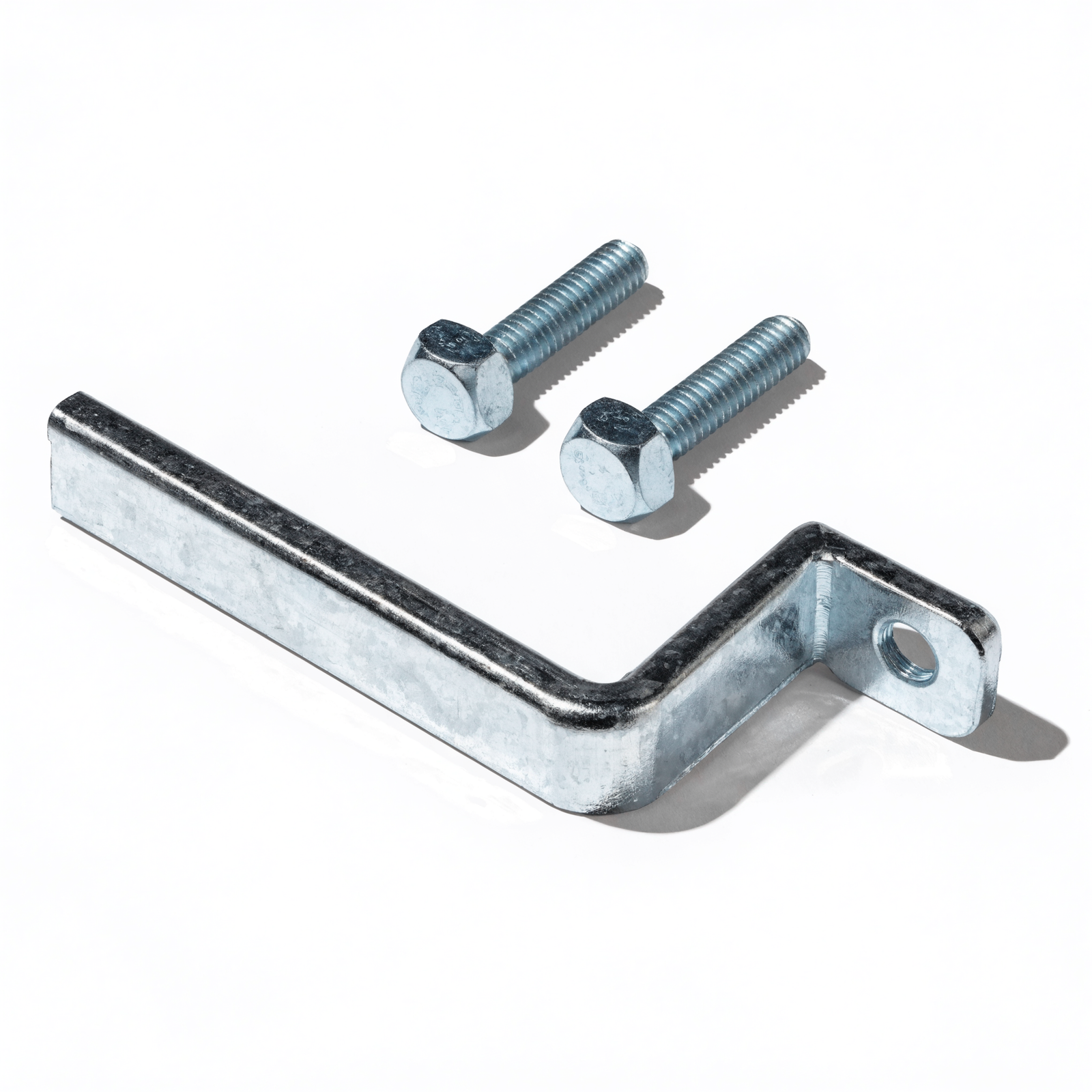
Complete system supply: concrete sleepers, H posts, C posts, corner posts, cap pieces, ag pipe, geotextile fabric, and drainage fittings. Order everything for your Newcastle job in one delivery.
-
Trade accounts available: Newcastle builders and landscapers can open a trade account for priority pricing and project ordering.
Newcastle and Hunter Region Delivery Areas
Newcastle City: Newcastle CBD, Cooks Hill, Hamilton, Broadmeadow, Mayfield, Wickham, Adamstown, Merewether, Bar Beach, New Lambton, Kotara, Jesmond
Lake Macquarie: Charlestown, Gateshead, Cardiff, Wallsend, Warners Bay, Belmont, Swansea, Morisset, Eleebana, Toronto
Maitland and Hunter Valley: Maitland, Cessnock, Kurri Kurri, Singleton, Muswellbrook, East Maitland, Rutherford
Port Stephens and North: Raymond Terrace, Medowie, Nelson Bay, Tanilba Bay, Karuah, Williamtown
Central Coast and Surrounding NSW: Gosford, Wyong, Dungog, Gloucester, Scone, Branxton
Don't see your suburb? Contact us, we deliver throughout the Hunter region and wider NSW.
Frequently Asked Questions: Retaining Walls in Newcastle
Do I need council approval for a retaining wall in Newcastle?
In NSW, retaining walls under 1.0m are generally exempt development, no approval required, provided the site is not heritage-listed, flood-prone, or subject to other overlays. Walls between 1.0m and 3.0m may be approvable as Complying Development through a private certifier.
Larger or more complex walls require a DA to City of Newcastle Council, Lake Macquarie City Council, or Maitland City Council. See our NSW Retaining Wall Regulations Guide for full guidance.
What soil conditions should I know about for Newcastle retaining walls?
Newcastle has highly variable soils: coastal sands in Stockton and Fern Bay, Hunter Valley alluvial clay around Maitland and Raymond Terrace, weathered sandstone under the ridge suburbs of Charlestown and Merewether, and volcanic basalt red clay in the Watagan Range foothills. Post embedment requirements differ significantly between soil types.
For any wall over 1.0m, we recommend a structural engineer specify the post sizing and embedment for your specific Newcastle site's soil conditions.
How does Newcastle's coastal environment affect material selection?
Newcastle's coastal proximity, particularly within 1km of the coast and around Lake Macquarie, means elevated atmospheric salt content. Hot-dip galvanised steel posts to AS 4680 are the minimum specification for Newcastle retaining wall work. For sites within 500m of the coast or tidal waters, discuss enhanced galvanising specification with your engineer or builder.
What drainage do I need for a Newcastle retaining wall?
Newcastle receives approximately 1,100mm of annual rainfall. A perforated ag pipe at footing level in free-draining aggregate, wrapped in geotextile filter fabric, with a clear gravity drainage outlet, is the standard Newcastle specification. For Hunter Valley clay soils, replace native clay backfill with clean crushed rock behind the wall face. See our Drainage Guide for full installation guidance.
Can Retaining Walls Direct deliver to my Newcastle suburb?
Yes, we deliver to all Newcastle, Lake Macquarie, Maitland, Cessnock, Port Stephens suburbs and to wider Hunter Region locations. Delivery is by heavy freight truck, so ensure clear truck access to your site (minimum 3.5m height clearance, 3.0m width). Contact us for crane truck options for restricted access sites.
How much do concrete sleepers cost delivered to Newcastle?
Material costs for a concrete sleeper and galvanised steel post retaining wall vary by project size, wall height, and material specification. See our Retaining Wall Cost Guide for indicative pricing, or contact us for a direct quote with Hunter Region delivery costs included.
Get a Free Newcastle Retaining Wall Materials Quote
Ready to start your Newcastle or Hunter Region retaining wall project? Contact Retaining Walls Direct for a fast, no-obligation materials quote with delivery direct to your site.
→ Get a Free Newcastle Quote Now
Newcastle builders and landscapers, open a trade account for priority pricing on project-scale orders.
More Newcastle Retaining Wall Resources