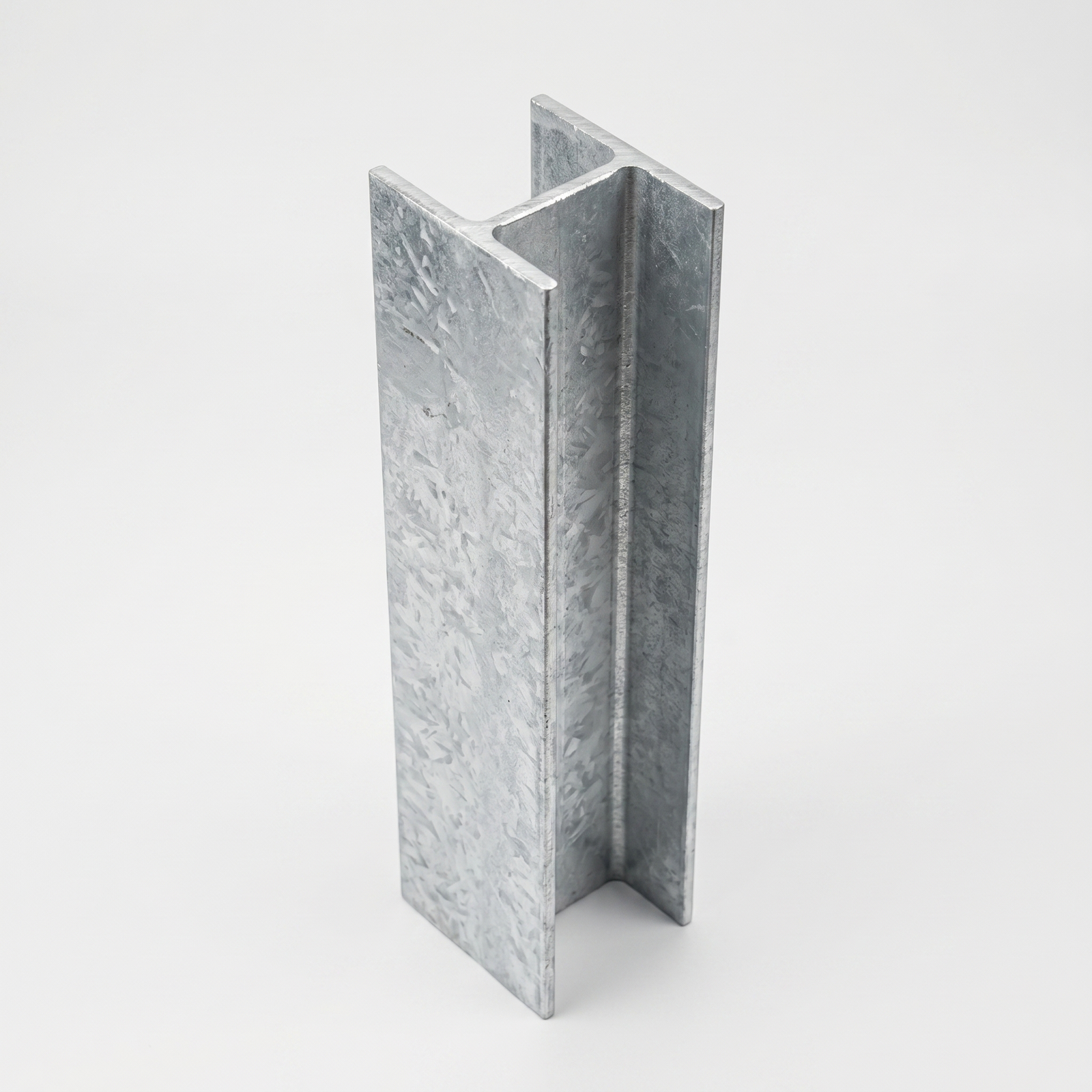
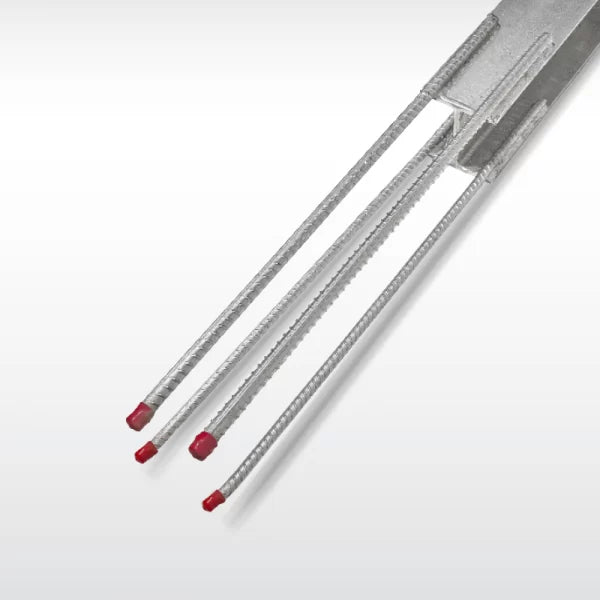
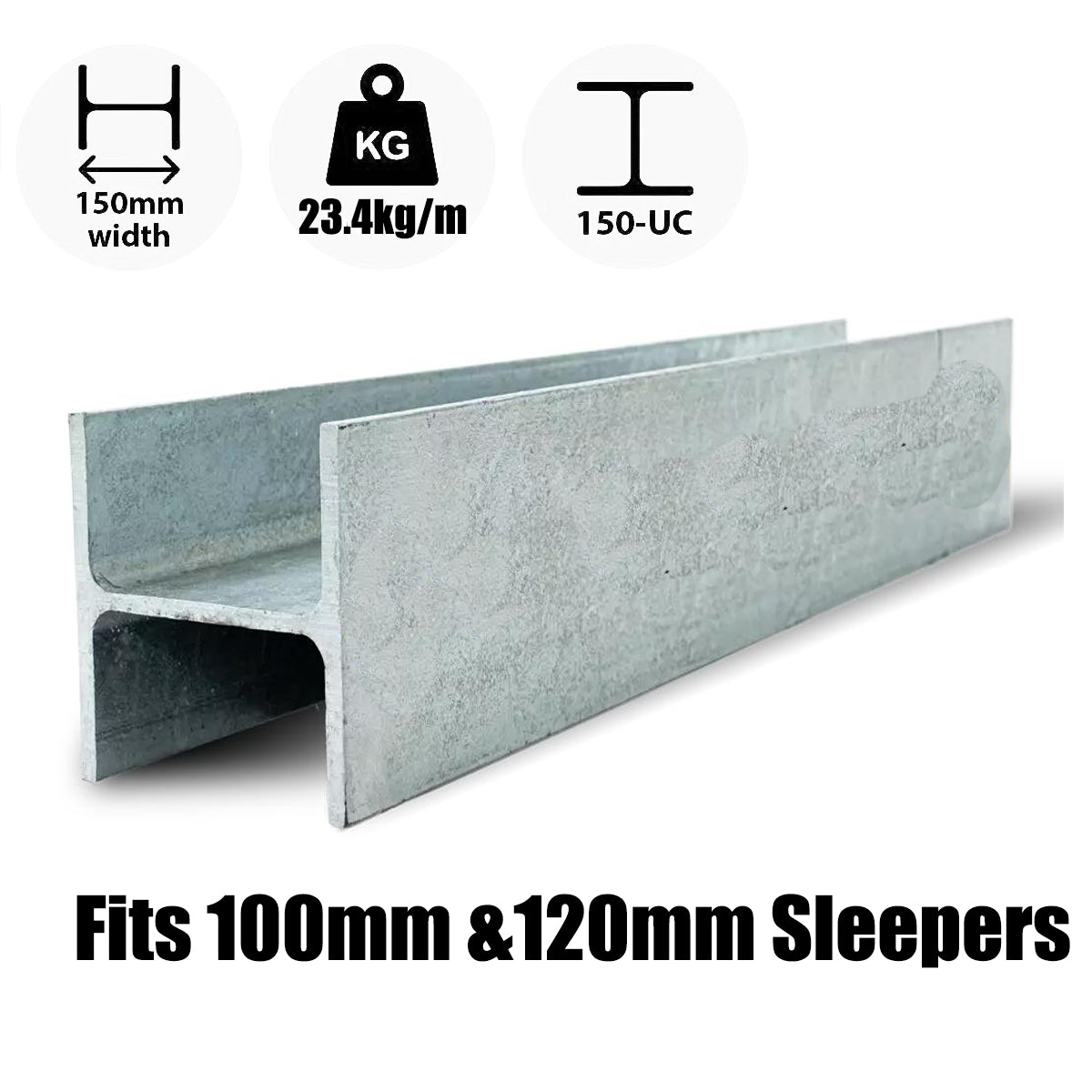
Retaining Walls Direct supplies hot-dip galvanised H-beam steel posts direct to Hobart and Southern Tasmania — delivered by crane truck to your site across Hobart, Glenorchy, Clarence, Kingborough, Huon Valley, Derwent Valley, Brighton, Sorell, and surrounding areas. No depot markups, no middlemen — direct-to-site pricing with freight calculated at checkout.
With many years of hands-on retaining wall construction experience across Australia, we understand Hobart's distinct retaining wall environment. Hobart is Australia's second-oldest city and sits on a dramatic landscape of dolerite ridges, river terraces, and clay-filled valleys carved by the Derwent River. This geology creates highly variable retaining wall conditions across short distances — from well-drained dolerite rock sites on the slopes of Mount Wellington to deep reactive clay in the Derwent Valley floor. Hobart also experiences Australia's most significant frost conditions of any capital city, with ground frost affecting footing design and concrete curing on elevated sites.
100 Series posts are suitable for walls up to 600mm on well-drained dolerite and sandy loam sites with no clay subsoil and no surcharge load. In Hobart, this applies to elevated sites on the slopes of Mount Wellington, Knocklofty, and the Eastern Shore ridges where dolerite is at or near the surface. Always confirm subsoil conditions — clay is present in many Hobart valley and terrace sites even where the surface appears rocky.
150 Series posts are the correct specification for walls 600mm–1.0m on sandy loam and moderate clay sites. Suitable for Clarence, Sorell, and Brighton sites on relatively flat terrain where clay is present but the reactive profile is moderate. Not suitable for Derwent Valley floor sites or walls with any surcharge loading.
200 Series posts are the correct specification for all Derwent Valley floor sites, all walls over 1.0m, and any wall with surcharge loading. The Derwent Valley floor — New Norfolk, Granton, Bridgewater — contains deep alluvial clay soils that are Class H1 reactive under AS 2870-2011. Hobart's steep terrain also means many sites have significant slope surcharge — 200 Series posts are mandatory wherever the retained soil slope exceeds 1:4 behind the wall.
Hobart is Australia's coldest capital city and experiences regular ground frost from May to September, with elevated sites above 200m experiencing frost from April to October. Frost affects retaining wall post installation in two ways:
On dolerite sites, footing holes may encounter rock at 300–600mm depth. If rock is encountered, consult a structural engineer for rock anchor or pad footing alternatives.
In Tasmania, retaining wall approvals are governed by the Building Act 2016 (TAS):
Hobart falls under City of Hobart. Glenorchy falls under Glenorchy City Council. Clarence falls under Clarence City Council. Kingborough falls under Kingborough Council. Contact the Consumer, Building and Occupational Services (CBOS) for contractor licensing requirements in Tasmania.
On steep Mount Wellington slope sites, the key factor is not just soil type but slope surcharge — the additional lateral force generated by the weight of soil on a slope above the wall. On sites where the retained soil slope exceeds 1:4 behind the wall, 200 Series posts are mandatory regardless of soil type. Many inner Hobart sites on dolerite slopes have significant slope surcharge that overrides the soil reactivity classification. Engage a structural engineer for walls over 1.0m on steep Hobart sites.
Ground frost from May to September means concrete footing pours must be scheduled carefully. Never pour concrete when ground temperature is below 5°C. On elevated Hobart sites above 200m, this window may be limited to late morning on frost-free days from May to September. Insulate freshly poured footings overnight with hessian or foam blankets. On clay sites, frost heave can lift shallow footings — always set posts to the minimum footing depths specified above.
Dolerite rock is common at 300–600mm depth on inner Hobart and Mount Wellington slope sites. If rock is encountered before the required footing depth is reached, do not proceed with a shallow footing. Consult a structural engineer for rock anchor or pad footing alternatives. Rock anchors can provide excellent post fixity on dolerite sites but require engineering design.
Yes — we deliver to Huonville, Geeveston, New Norfolk, and surrounding Southern Tasmania areas. Freight is calculated at checkout to your postcode. For remote Southern Tasmania deliveries, contact our team to confirm crane access and lead times before ordering.