







Front Yard Retaining Wall Ideas for Australian Homes
Quick Answer: A front yard retaining wall does the same structural job as a backyard one, but it carries extra weight as a design decision, since it's one of the first things a visitor or passer-by actually sees. Charcoal and smooth finishes suit a clean, contemporary street presence. Sandstone-look finishes suit coastal and heritage-style streets. And because a front yard wall is usually lower and more visible than a backyard equivalent, it's often the best place on a property to invest a little extra thought into finish and detail.
What Makes a Front Yard Retaining Wall Different
A retaining wall at the front of a property is structurally no different from one in the backyard - the same posts, sleepers and drainage principles apply regardless of which side of the house the wall sits on. What genuinely changes is how much attention the wall receives. A backyard wall is seen mostly by the household. A front yard wall is seen by every visitor, every passer-by, and anyone who ever looks the property up online before an inspection or sale.
- Front yard walls are typically lower than backyard retaining structures, since front setbacks are usually shallower than backyards, limiting how much level change a front wall needs to manage
- Because they're lower, front yard walls are one of the lowest-risk places on a property to invest in a feature finish, since a low wall is a smaller visual commitment than a tall one
- Front yard walls are also more likely to interact directly with a fence, letterbox, entry path or driveway, since these are all concentrated in the same small area at the front of the block
- Council attention to front boundary structures - height, setback, sightlines - tends to be more consistent and better enforced than backyard rules, simply because front yard structures are more visible from the street
None of this changes how the wall is built, but it does change how much thought is worth putting into its finish, since a front yard wall genuinely earns its keep as part of a property's kerb appeal in a way a backyard wall rarely needs to.
Charcoal and Smooth Finishes for a Clean Street Presence
Charcoal remains the most widely chosen concrete sleeper finish nationally, and it performs particularly well in a front yard setting specifically because of how visible the wall is. A dark, uniform charcoal wall reads as a deliberate architectural choice rather than a purely functional necessity, and it pairs naturally with dark fencing, window joinery and modern brick or render.

- Charcoal hides everyday dust and weathering better than lighter finishes, which matters more at the front of a property where the wall is under constant view
- A smooth finish, left plain or rendered, suits homes going for an even more minimalist, unbroken street-facing surface
- Both finishes work particularly well as the base for a Colorbond or aluminium slat fence above, since the flat, uniform wall face doesn't compete visually with the fence line sitting on top of it
Sandstone-Look Finishes for Coastal and Heritage Streets
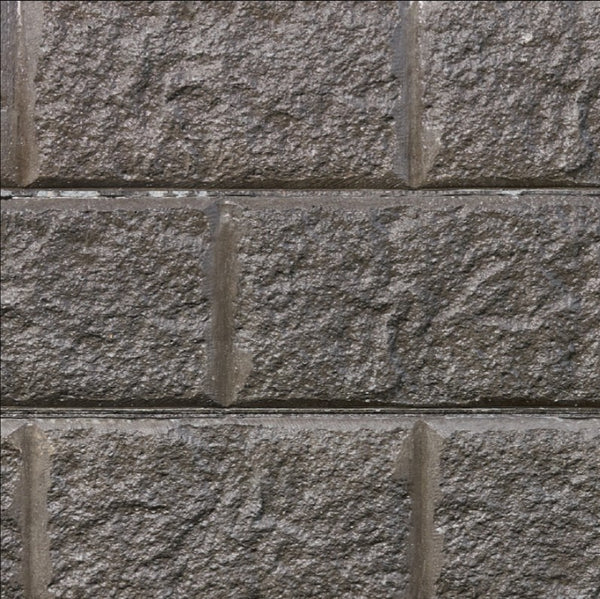
A sandstone-look finish brings a heavier, more established feel to a front yard wall, and it's particularly well suited to coastal properties and streets with a genuine heritage or established-garden character. Where a plain smooth or charcoal wall can look slightly stark against an older or coastal-style home, a sandstone-look texture reads as more in keeping with the property's existing material palette.
- Sandstone-look finishes pair naturally with natural stone paving, exposed aggregate driveways and other textured hard-landscaping already common in coastal front yards
- The finish also tends to age visually well in a front yard setting, since its texture disguises gradual weathering more effectively than a flat surface exposed to constant street-level view
- On corner blocks and streets with a strong existing heritage character, a sandstone-look front wall can help a property sit comfortably within its surroundings rather than standing out as an obviously newer addition
Woodgrain Finishes for a Softer, Garden-Forward Front Yard
Where a front garden is genuinely garden-forward rather than hard-landscaped - established planting, a lawn strip, garden beds framing the entry path - a woodgrain finish often suits the setting better than a flat architectural finish. Its timber-look texture softens the wall's presence, letting it read as part of the garden rather than a hard structural addition competing with the planting around it.

- Woodgrain works particularly well on period and character homes where a picket fence sits above the wall, since the two materials share a similar warmth and texture
- Several woodgrain tones are available, from warmer grey-brown options through to cooler, more driftwood-toned finishes, giving room to match the wall to an established garden palette
- Because a front yard wall is typically low, woodgrain's textured face reads clearly even at a modest height, unlike some feature finishes that need more wall surface area to make a visual impact
Low Walls That Boost Kerb Appeal Without Dominating the Yard
Because most front yard level changes are modest, a large share of front yard retaining walls fall into the sub-600mm category - low enough to sit comfortably within a front garden without visually dominating it. This height band also happens to be one of the most cost-effective and DIY-friendly categories of retaining wall, which is a genuine bonus for a front yard project rather than a compromise.
- A low wall framing a garden bed either side of an entry path adds definition and a clear sense of arrival without needing significant height
- A modest wall along a front boundary, paired with a low fence or no fence at all, keeps a front garden feeling open and welcoming from the street
- Low front yard walls are also a lower-risk place to try a bolder finish, since the wall's modest scale means a strong colour or texture choice doesn't overwhelm the rest of the front garden
For more detail specifically on this height category - post sizing, council thresholds and DIY considerations - see our dedicated guide on small and short retaining walls in our backyard ideas series, since the same sizing principles apply equally at the front of the property.
Combining a Front Yard Wall with a Fence
A significant share of front yard retaining walls exist specifically to support a fence above them, rather than as a standalone garden feature. Where this is the case, the wall's finish decision isn't made in isolation - it needs to be considered alongside the fence material and colour sitting on top of it, since the two are viewed together as a single combined boundary from the street.
- A charcoal wall paired with a matching dark Colorbond fence creates a single, cohesive dark boundary line, rather than two visually competing elements
- A woodgrain wall paired with a timber picket fence extends the same warm, natural material language from ground level up to fence height
- A contrasting combination - a light sandstone-look wall with a darker fence above, for example - can also work well, provided the contrast reads as deliberate rather than incidental
If your front yard project involves both a wall and a fence, it's worth reading our guide on fencing on top of a retaining wall before finalising either the wall or the fence design, since the two need to be planned together structurally as well as visually.
Front Yard Walls Versus Backyard Walls: What Stays the Same
It's worth being clear that everything covered in our main backyard-focused Retaining Wall Ideas guide applies just as much at the front of a property as it does in the backyard - drainage, post spacing, council requirements and structural sizing don't change based on which side of the house the wall sits on. What changes is really just the emphasis: a front yard project generally puts more weight on finish and kerb appeal, and is more likely to involve a fence sitting on top of it, than an equivalent backyard project focused primarily on terracing or driveway support.
If you haven't already, it's worth browsing that broader guide for the full range of finish and application ideas, then coming back to this article for the specific considerations that apply when the wall in question sits at the front of the property.
Drainage Still Matters at the Front of the Property
It's easy to assume a front yard wall carries less risk than a backyard one simply because it's usually lower, but drainage requirements don't scale down in the same way height does. A low front yard wall still holds back retained soil, and water pressure behind it can still build up over time if drainage isn't correctly designed in from the start.
- Front yards often sit closer to driveways and paved entry paths than backyards do, which can concentrate hard-surface runoff toward the wall in a similar way to a driveway retaining wall
- Garden beds immediately behind a front yard wall are just as prone to trapping moisture against the wall face as any backyard garden bed, particularly once mulch and planting mature around it
- Because a front yard wall is more visible, any early signs of a drainage problem - efflorescence, staining, or slight movement between sleepers - tend to be noticed sooner than an equivalent issue in a less-visited backyard, which is a genuine advantage for catching problems early
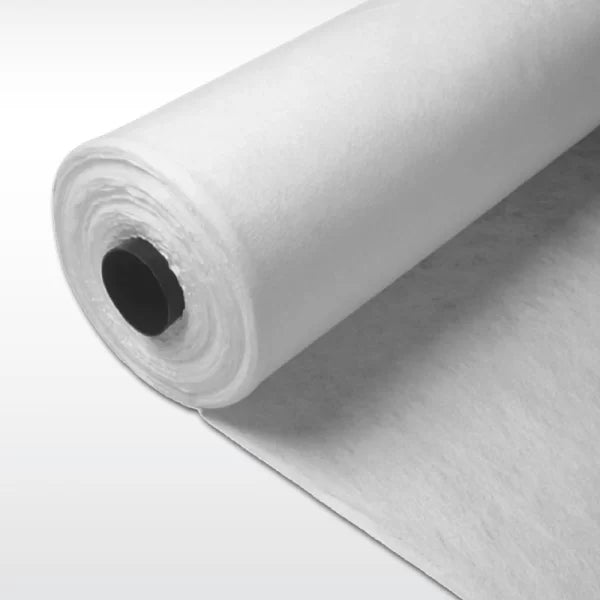
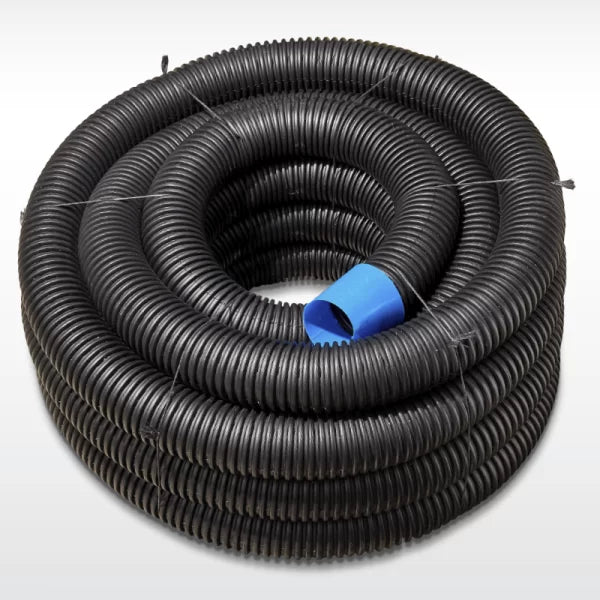
The same ag pipe, geotextile fabric and free-draining backfill principles that apply to any retaining wall apply equally here - a front yard wall's lower height and higher visibility are reasons to get the finish right, not reasons to treat the underlying drainage design as less important.
Front Yard Walls on Corner Blocks
Corner blocks introduce a few specific considerations that a standard mid-street front yard doesn't need to deal with, since a corner property effectively has two street-facing boundaries rather than one.
- Sightline restrictions - many councils apply additional height limits near street corners and intersections, to preserve driver sightlines, which can affect both wall and fence height on the corner-facing sections specifically
- Two visible finishes to coordinate - since both boundaries face the street on a corner block, it's worth carrying the same wall finish and fence combination around the corner rather than treating each street frontage as a separate design decision
- Longer total wall run - a corner block generally has more total front-facing boundary length than a standard block, which is worth factoring into both budget and material ordering from the outset
Corner blocks are also, in practice, where a well-executed front yard wall and fence combination has the most visible impact, simply because more of the property is on display to the street than on a standard block - which is exactly why getting the design right matters more here, not less.
Common Mistake: Choosing a Front Yard Finish Without Considering the Fence Above It
The most common mistake specific to front yard walls is choosing a wall finish in isolation, then only considering the fence material and colour afterward as a separate decision. Because the two are viewed together from the street as a single combined boundary, a mismatch between wall finish and fence material can undercut an otherwise well-chosen wall.
Before finalising a front yard wall finish, it's worth at minimum having a rough direction for the fence that will eventually sit on top of it, even if the fence itself is a later stage of the project - this avoids committing to a wall finish that later turns out to clash badly with the fence material you actually end up choosing.
Planning a Front Yard Project from the Ground Up
Given how many elements sit close together at the front of a typical Australian block - wall, fence, gate, letterbox, path, driveway edge - it's worth planning a front yard retaining wall project as part of that wider picture rather than as a standalone structure. A simple sequence that tends to work well:
- Confirm the level change the wall needs to manage, and whether a full wall or a simpler plinth is genuinely needed
- Decide whether a fence will sit on top of the wall, since this affects the wall's post spacing and sizing from the outset
- Choose a wall finish that complements both the home's architecture and the fence material planned above it
- Confirm council requirements for the combined wall-and-fence height, since front boundary height rules often apply to the total structure rather than the wall or fence in isolation
- Coordinate secondary elements - letterbox, gate, path materials - to the same material language once the wall and fence direction is confirmed
Working through this sequence avoids the common front yard planning mistake of finalising each element separately and hoping they come together cohesively at the end.
Browse the Range
For a front yard retaining wall project, our concrete sleeper range covers the full finish selection discussed above, or go straight to charcoal, sandstone or woodgrain finishes directly.
This closes out our front yard fencing and retaining wall series. For the full list of guides it sits alongside, see our main front yard fence ideas hub, or browse our backyard-focused Retaining Wall Ideas guide for the wider backyard-focused series.
FAQs
What's the best retaining wall finish for a front yard?
There's no single best finish - it depends on your home's style. Charcoal and smooth finishes suit contemporary homes, sandstone-look finishes suit coastal and heritage streets, and woodgrain suits garden-forward front yards, particularly on period homes.
Are front yard retaining walls built differently from backyard ones?
Structurally, no - the same posts, sleepers and drainage principles apply regardless of location on the property. The main difference is that front yard walls are usually lower, more visible, and more likely to support a fence above them.
Should my front yard wall finish match my fence?
It's worth considering them together rather than choosing each in isolation, since a wall and fence combination is viewed as one boundary from the street. A matching material language, or a deliberate contrast, both work - an incidental mismatch is what tends to look unplanned.
Do front yard walls need council approval?
It depends on height, boundary proximity and whether the wall supports a fence or structure above it - the same general rules that apply to any retaining wall. Front boundary rules are often more consistently enforced than backyard rules, so it's worth checking with your council before finalising a design.
Is a front yard retaining wall a good place to try a feature finish?
Often yes. Because front yard walls are typically low, they're a lower-risk place to try a bolder colour or texture than a taller, more prominent backyard wall, while still getting meaningful visual benefit since the wall is seen constantly from the street.
Does a front yard wall need the same drainage as a backyard wall?
Yes. A lower wall height doesn't reduce the need for correct drainage - ag pipe, geotextile fabric and free-draining backfill matter just as much at the front of a property as anywhere else, since water pressure behind a wall isn't determined by height alone.
Leave a comment (all fields required)