




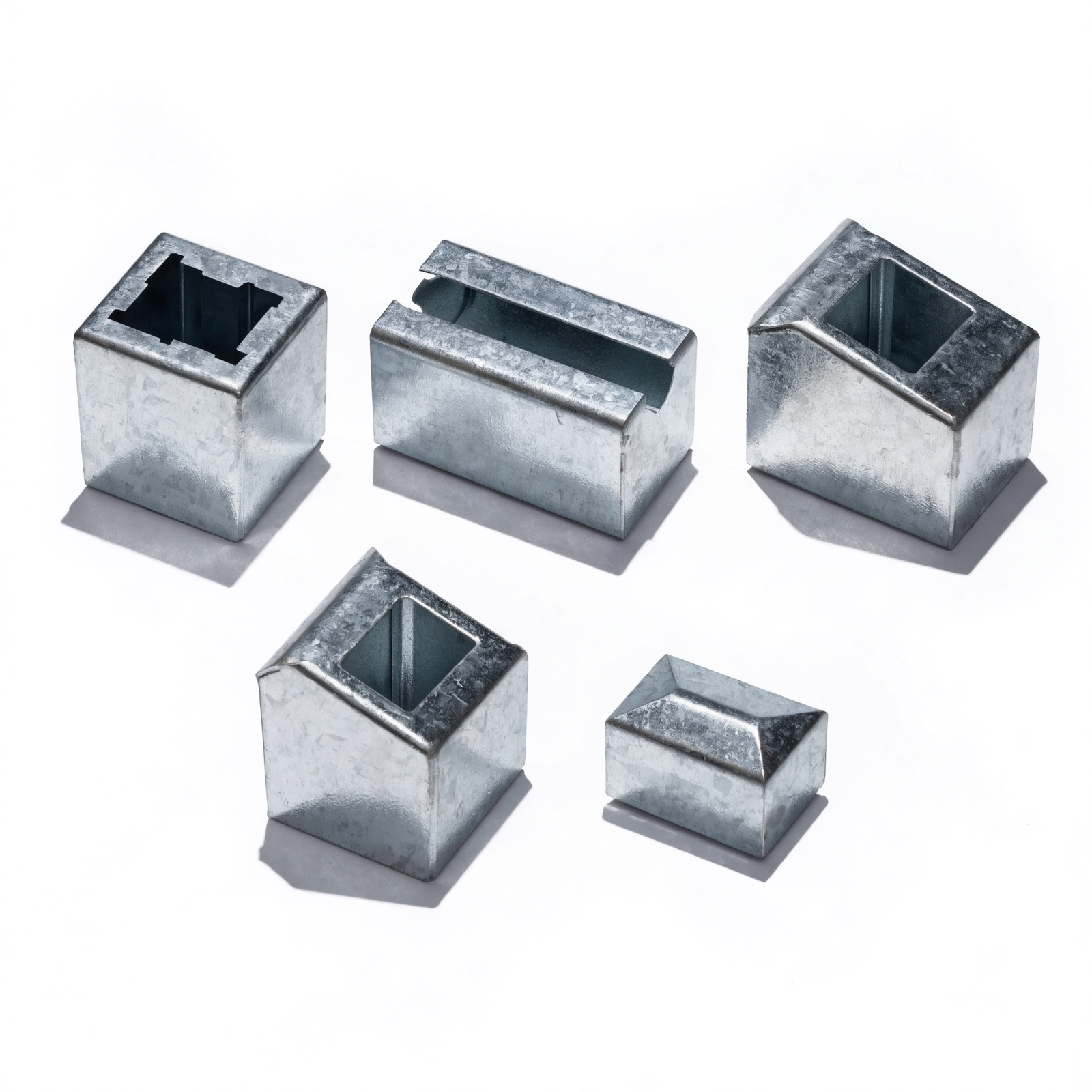

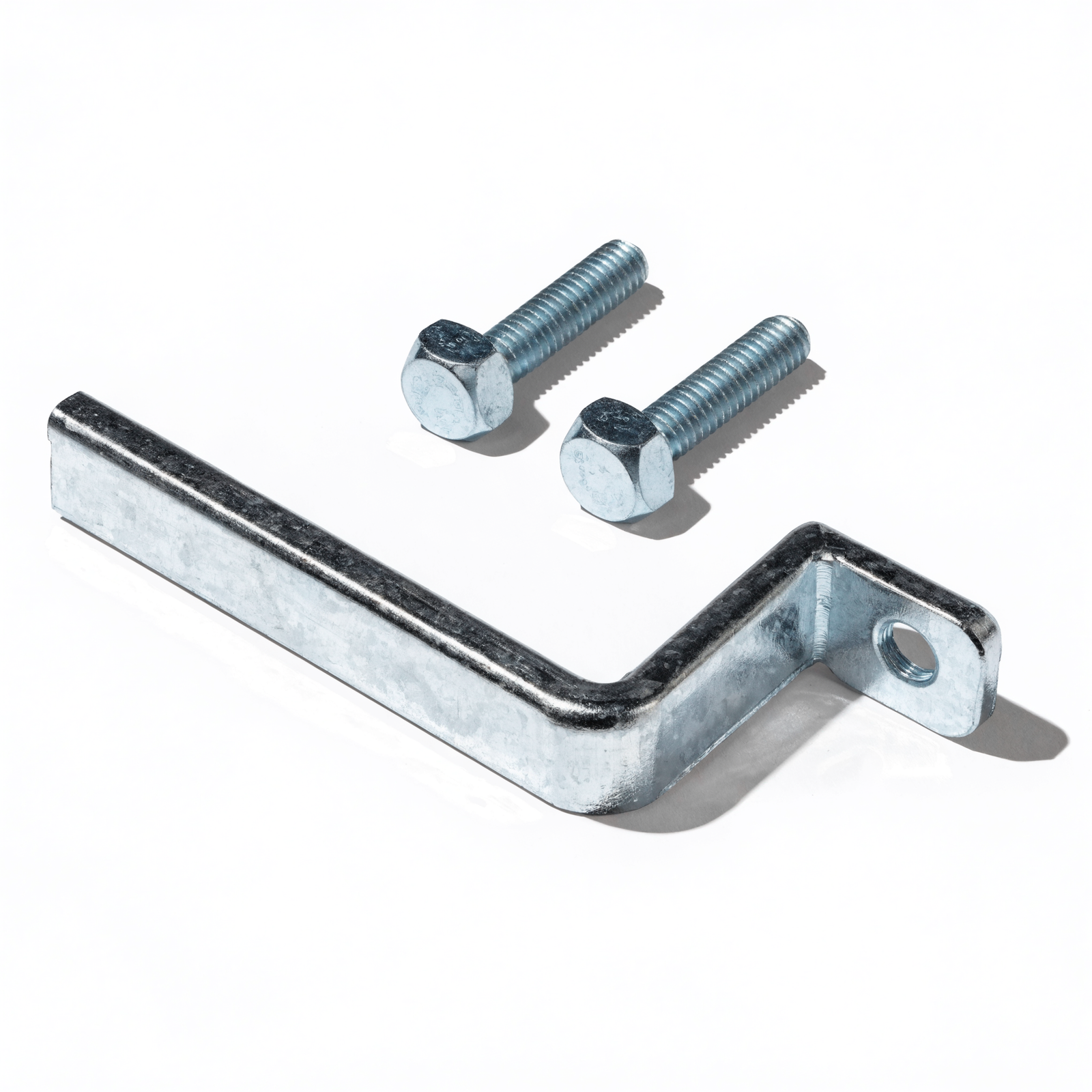



If your posts don't have a routed slot to slide a panel into, a panel bracket screws or bolts onto the face of the post and holds the panel against it instead, either with a bracket on each side of the panel or a single bracket per rail. It's the standard fix for concrete, steel, or plain timber posts that were never machined for a slotted panel, and it's also how removable panels are commonly done, since a bolted or clipped bracket can be undone.
Why Some Posts Have Slots and Others Don't
Slotted posts are made, usually in concrete or purpose-cut timber, with a groove down the face so a panel simply slides in during construction. It's tidy and needs no visible fixings, but it has to be built in from the start, and a slotted post system generally can't take a panel that's a different size later without alteration.

Non-slotted posts, including most steel posts, plain-sawn timber, and concrete posts without a groove, need the panel fixed to the face of the post instead. That's where a panel bracket comes in.
The Common Bracket Types
- Panel clips or brackets fixed to both sides of the panel, one per side, which sandwich the panel against the post. Common for timber lap or featherboard panels.
- U-shaped or angle brackets screwed to the post face, with the panel's rail sitting inside or against the bracket.
- Removable panel brackets, which use a clip, pin, or bolt-and-wingnut arrangement rather than a permanent screw fixing, so the panel can be lifted out. Useful for access, for seasonal removal, or for panels that need to come out for garden machinery or vehicle access.
- Metal H-brackets, shaped to hold two panel edges at a shared post, sometimes used where panels butt together at a post rather than each needing its own separate fixing.
What to Check Before Choosing a Panel Bracket
- Post material. A bracket suited to screwing into timber isn't necessarily right for a steel or concrete post, which may need masonry anchors or a different fixing method entirely.
- Panel weight and wind exposure. A solid timber panel in an exposed position puts more load through the bracket and its fixings than an open lattice panel in a sheltered spot.
- Whether you need it removable. If access is a factor, choose a bracket designed to be undone, not one meant as a permanent fixing.
- Corrosion of the fixings. The same principle applies here as with any outdoor fence fastener: match the fastener's finish to the bracket and post material, and avoid mixing metals that corrode each other.
Fitting and Spacing Panel Brackets
Getting the spacing and fixing right matters as much as choosing the right bracket type.
- Position the panel against the post face and check it's level before marking any fixing points.
- Fix the top and bottom of each rail first, rather than working top to bottom along one side, so the panel doesn't twist out of square as you go.
- Space brackets to the panel's own rail positions. Most manufactured panels have two or three horizontal rails, and each rail typically needs its own bracket or clip at every post, rather than fixing only at the top and bottom.
- Leave a small gap at the base if the fence runs over uneven ground, so the panel isn't sitting in standing water or soil contact, which shortens its life regardless of how it's mounted.
- Check every panel is plumb and level before final tightening, since brackets fixed to an out-of-square panel put uneven load on the fixings from day one.
Bracket Material and Finish
The same corrosion principles that apply to any outdoor fence hardware apply here.
- Galvanised steel brackets are the standard choice for most timber and steel panel fencing, provided the fixings used with them are also galvanised or stainless, not plain or lightly zinc-plated.
- Powder-coated brackets suit situations where the bracket is visible and needs to match a Colorbond-style fence colour, though the coating adds a step that can be damaged by drilling or trimming.
- Plastic or nylon clips are common on lighter lattice or picket panels, where load is minimal, but they're not a substitute for a metal bracket on a solid, heavier panel.
Matching the bracket's finish to the post and fixings avoids the same galvanic corrosion issues covered in our fence bracket fasteners guide, which is worth a look if you're mixing materials, such as steel brackets on a treated pine post.
Yes, using a panel bracket fixed to the face of the post, rather than a slot the panel slides into.
Are Panel Brackets Suitable for Steel Posts?
Generally yes, provided the bracket and fixings suit the post material and the bracket is fixed securely to the post face.
Can Panels Be Made Removable With Brackets?
Yes, using a bracket designed with a clip, pin, or bolt-and-wingnut fixing rather than a permanent screw, so the panel can be lifted in and out.
Browse the Fence Brackets collection.
Leave a comment (all fields required)