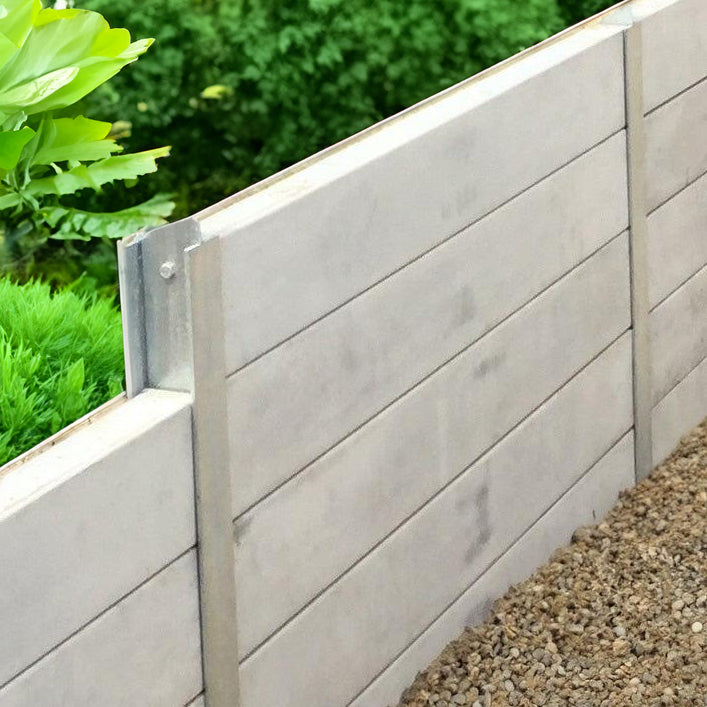
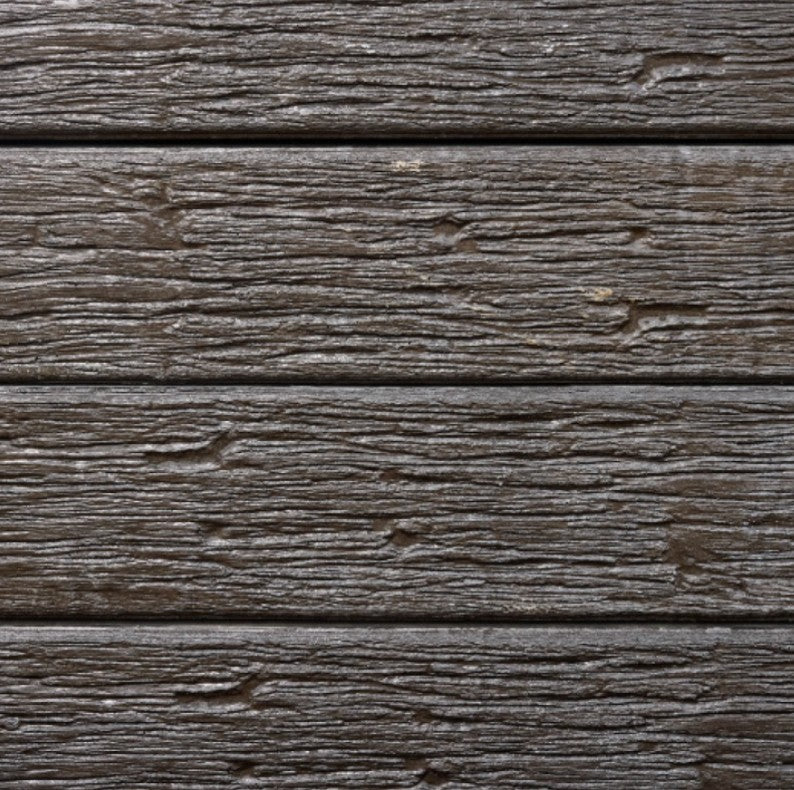
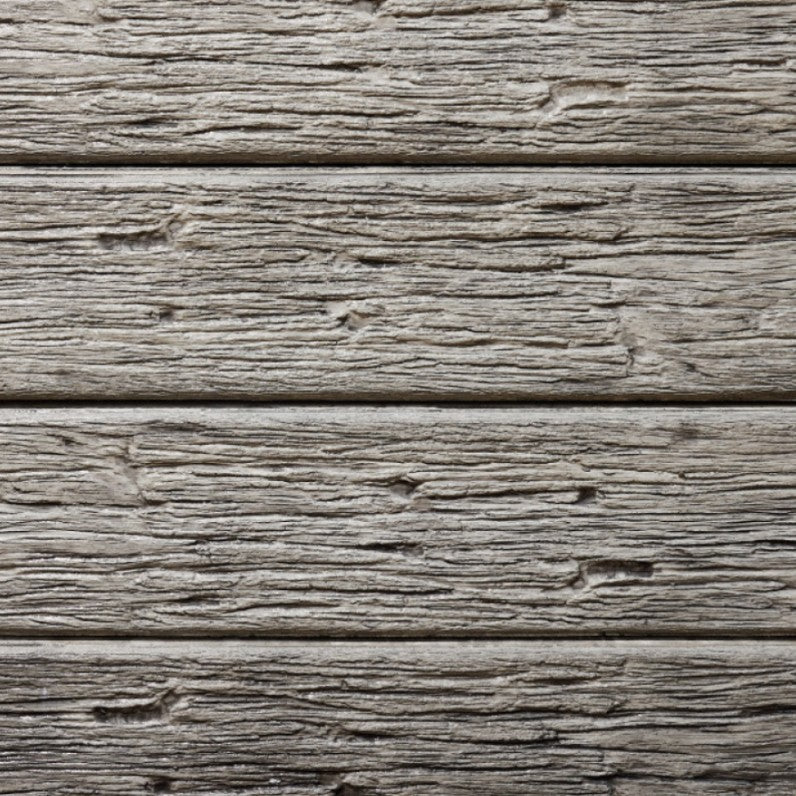
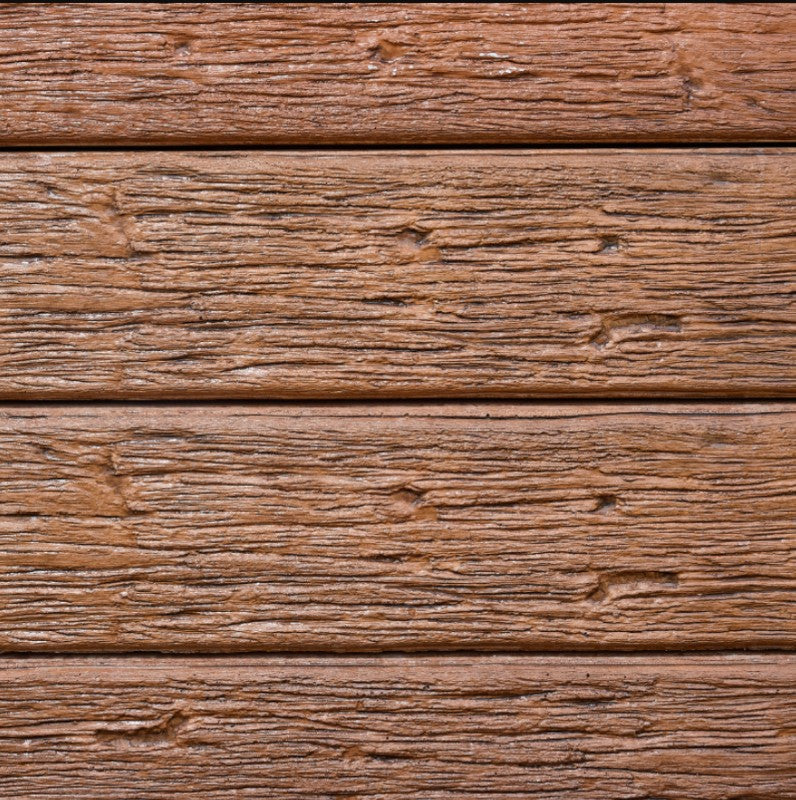
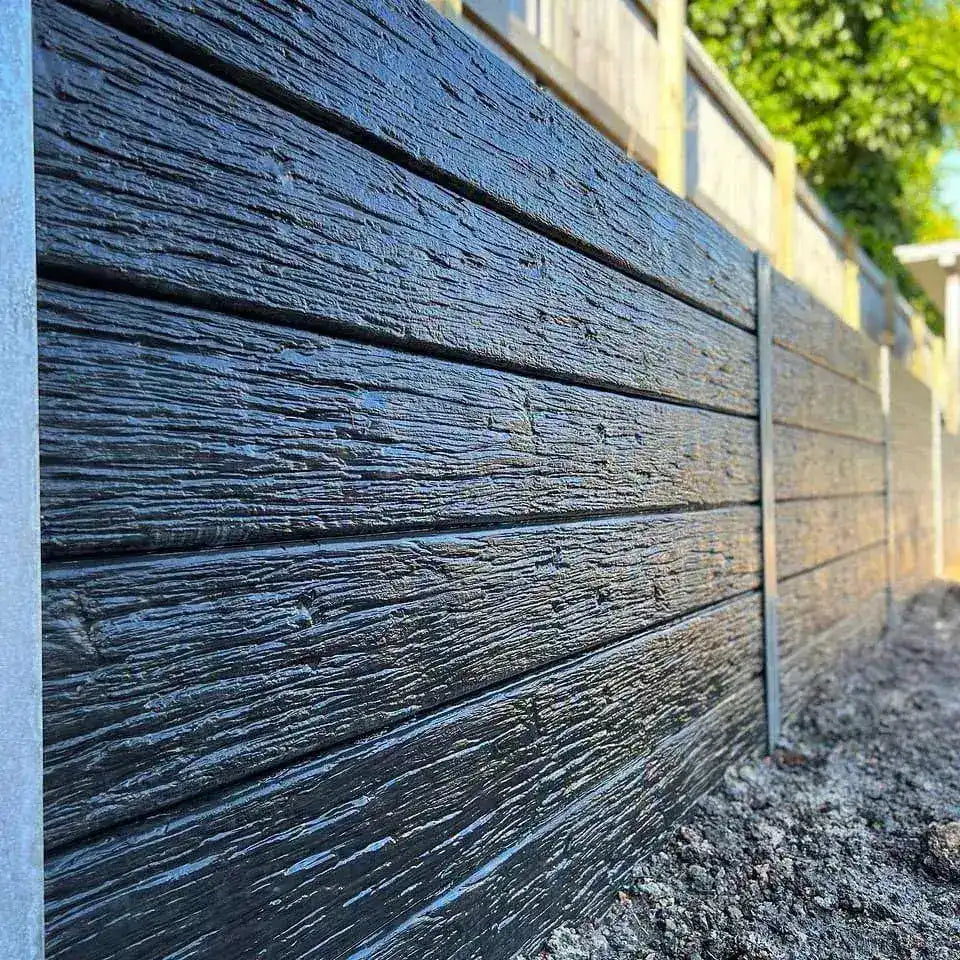
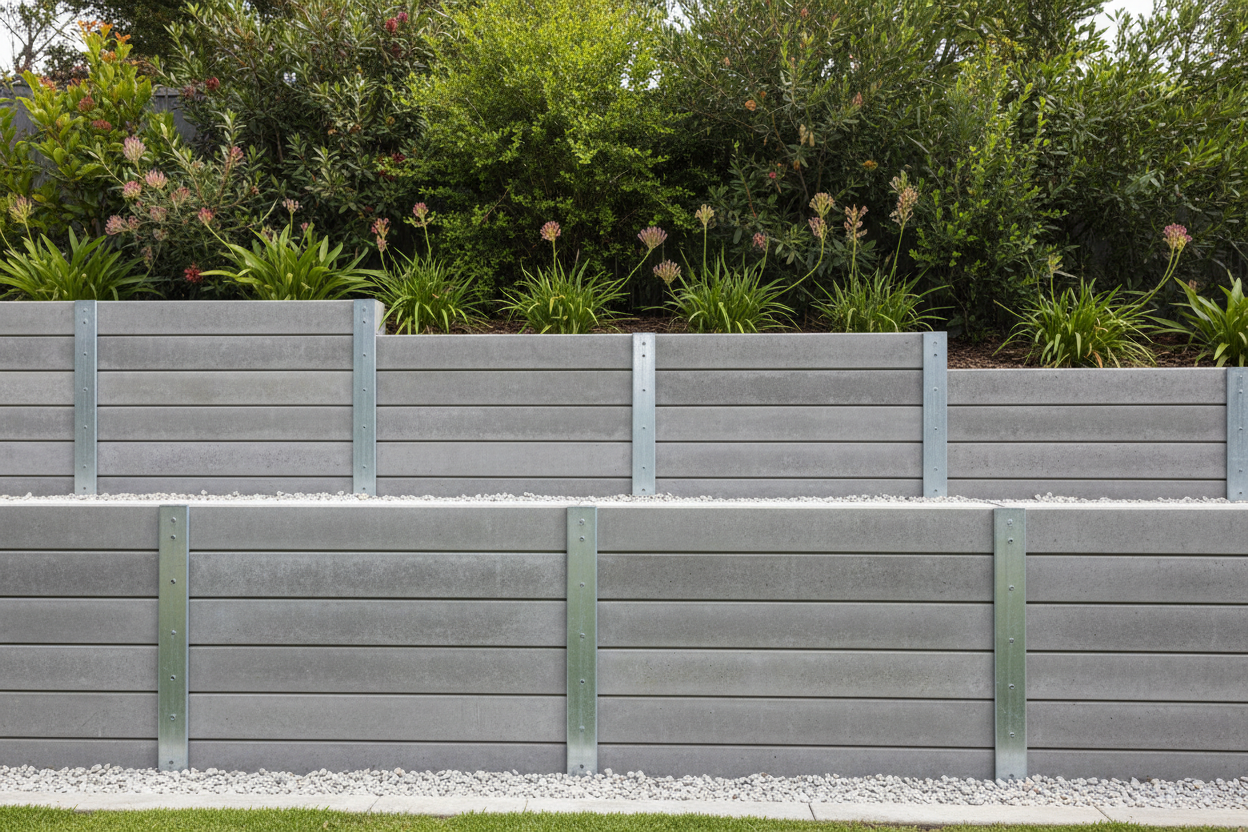
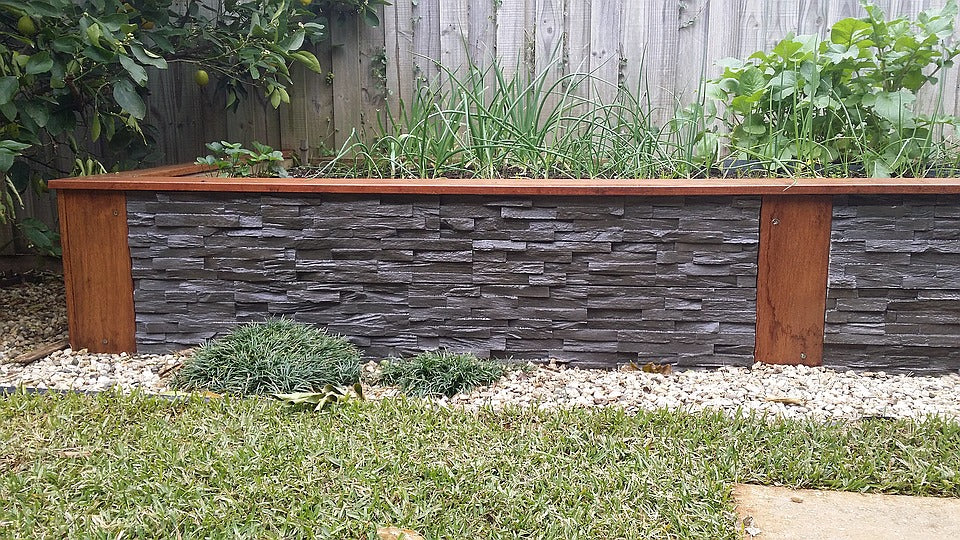
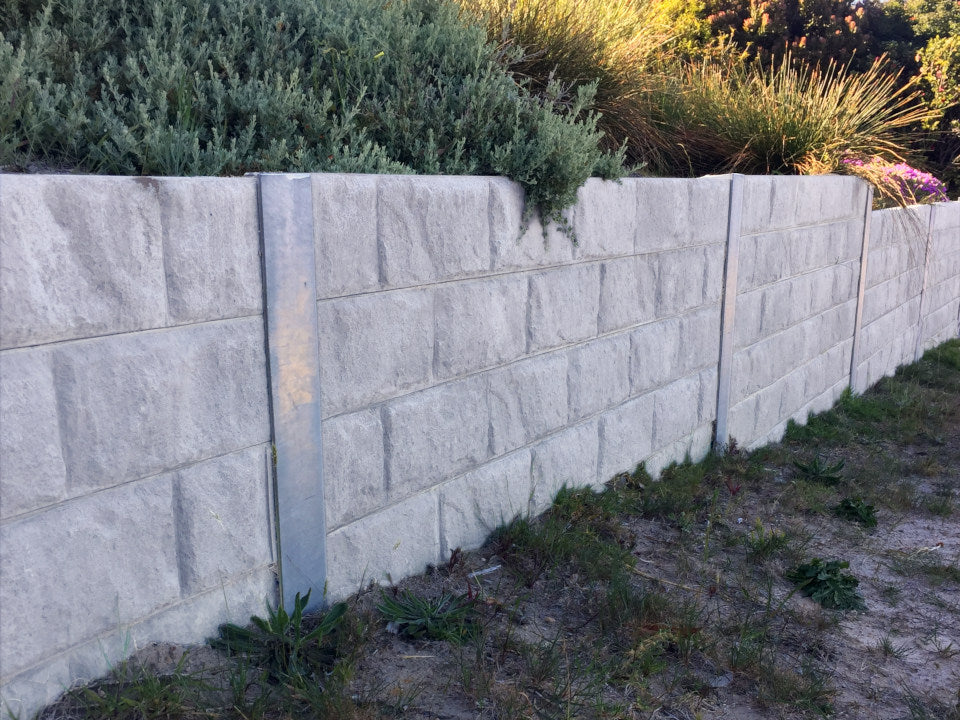
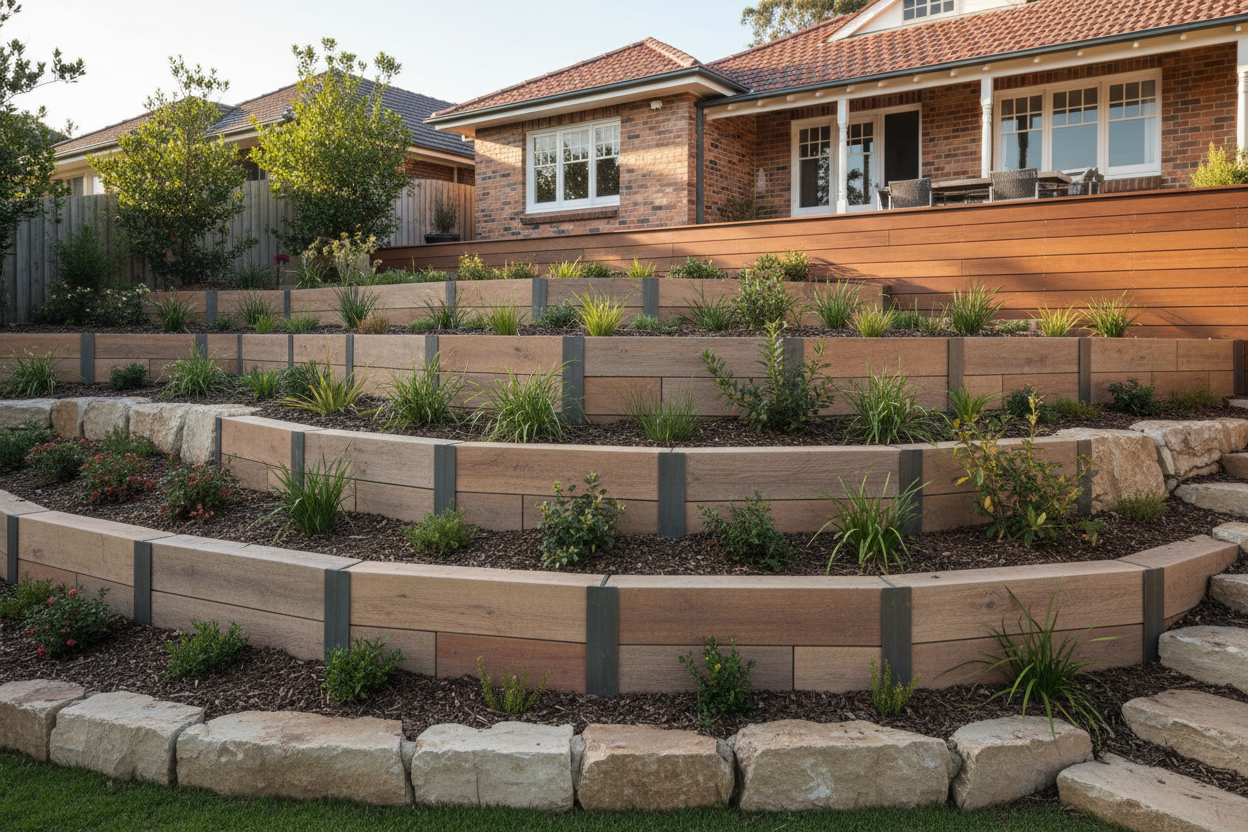
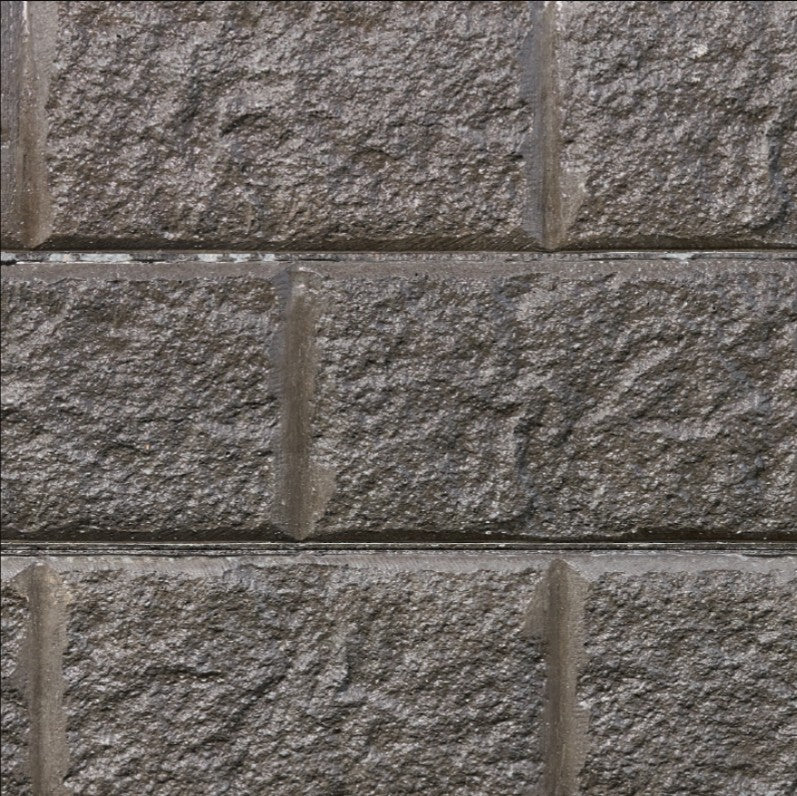
Block-face concrete sleepers give retaining walls the clean, structured look of rendered masonry block — without the cost, weight, or ongoing maintenance of a real block wall. The recessed grid pattern reads as architectural and contemporary, making this finish one of the most requested by landscapers and builders working on modern residential and commercial projects across Australia.
I've been building and supplying retaining walls for many years. In that time, block-face has become the go-to finish for clients who want something more visually defined than a smooth sleeper but don't want to commit to the render and paint schedule that a real masonry block wall requires. The through-colour pigment means what you see on delivery is what you'll have in 40 years — no fading, no peeling, no maintenance.
Every block-face sleeper we stock is manufactured to AS 4678-2002 Earth Retaining Structures (Standards Australia), reinforced with deformed steel bar, and tested for compressive strength before leaving the plant.
Available in standard retaining wall lengths with 40MPa, 50MPa, and 60MPa grade options:
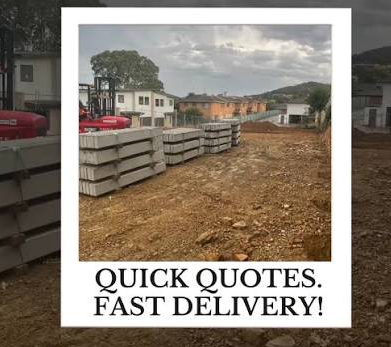
Freight is calculated at checkout to your postcode before you pay. No surprises.
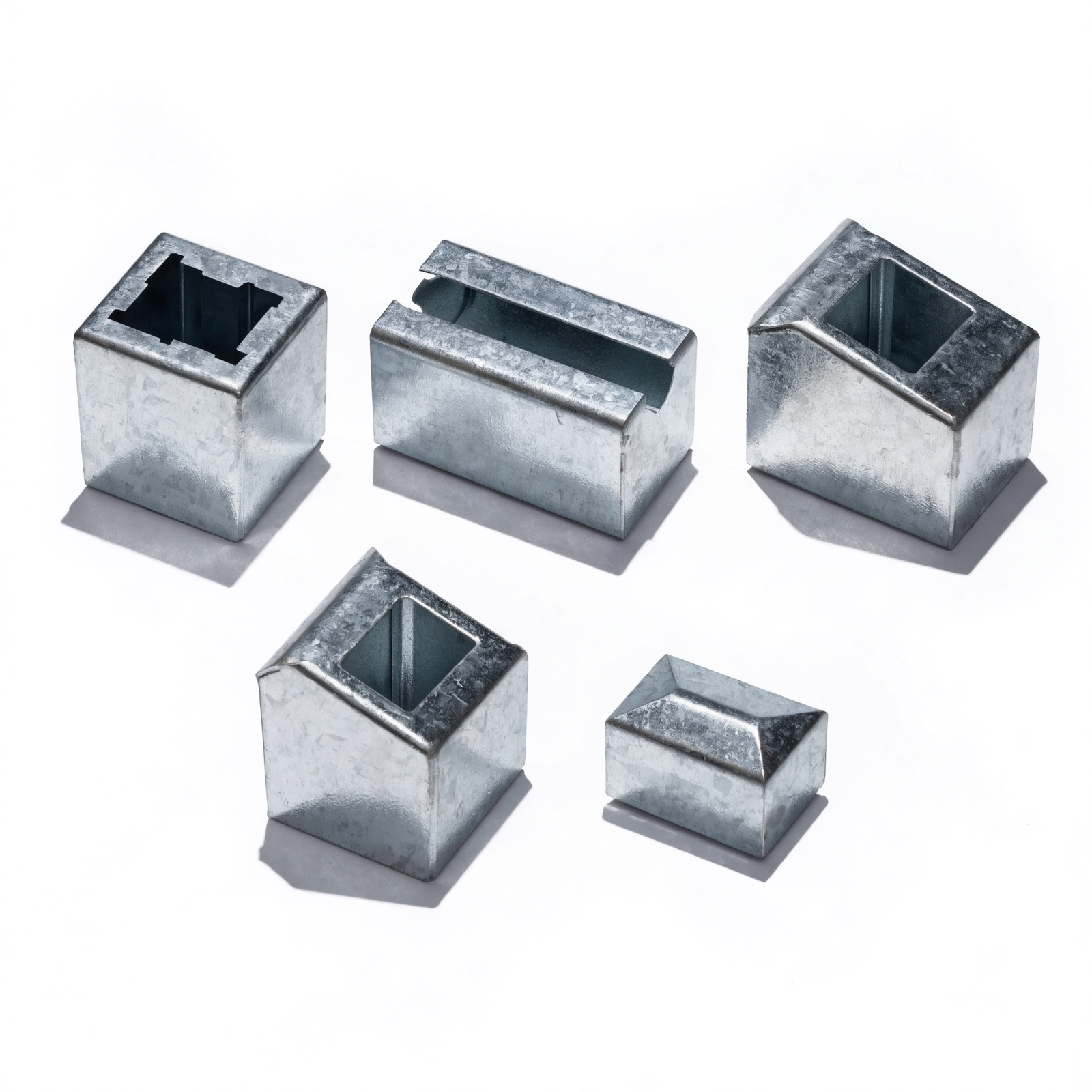
From many years on the tools: post sizing is where most DIY walls fail. Undersized posts in reactive clay are the number one cause of blowouts we get called in to fix.
Browse our full range of galvanised steel H-beam and C-channel posts.
Hydrostatic pressure — water building up in the soil behind the wall — is the single biggest cause of retaining wall failure in Australia. In reactive clay soils (which cover large areas of Melbourne, Brisbane, Adelaide, and Perth), an undrained wall will move, crack, or collapse within 3–5 years regardless of sleeper grade.
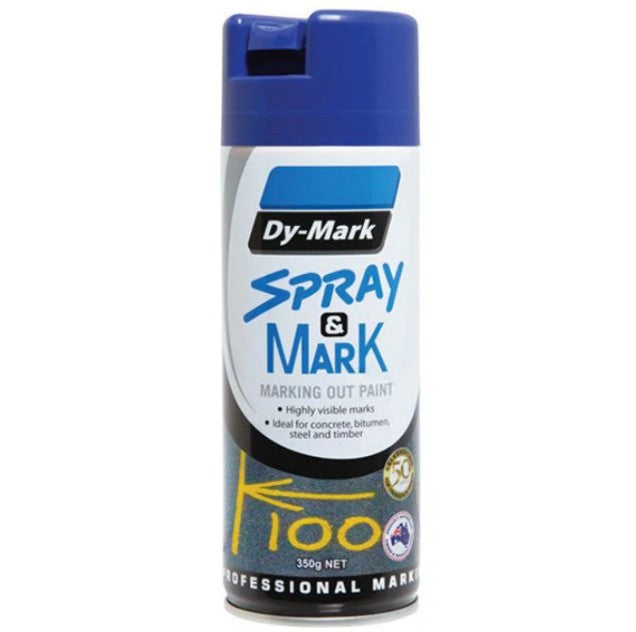
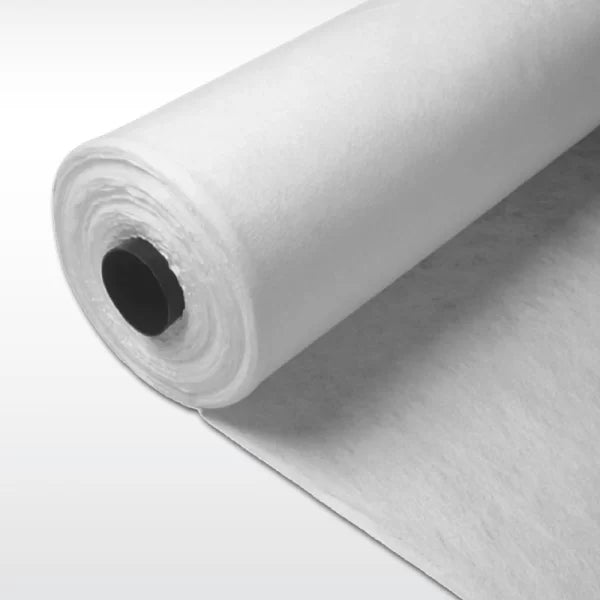
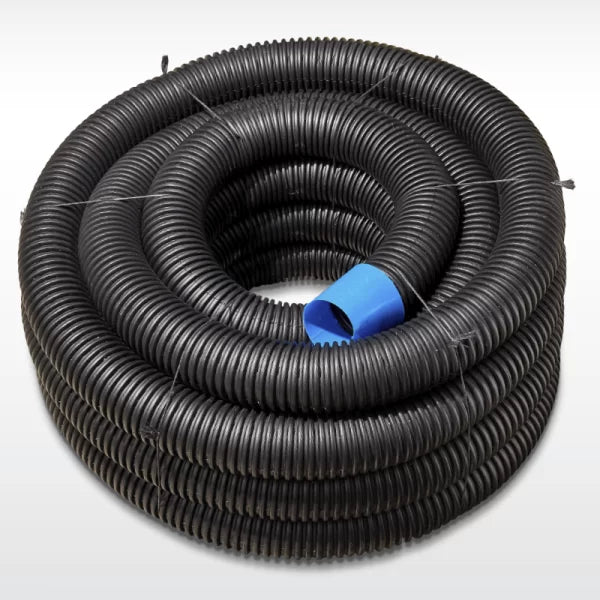
Every block-face sleeper wall must include:
Browse our complete drainage kits — ag pipe, aggregate sock, weep hole inserts, and geofabric in one order.
Requirements vary by state and wall height. As a general guide under AS 4678-2002:
State authority links: QBCC (QLD) — VBA (VIC) — NSW Fair Trading — WA Building Commission
A block-face concrete sleeper is a precast concrete retaining wall panel with an embossed recessed grid pattern on the face that replicates the appearance of rendered masonry block. It has identical structural properties to a smooth sleeper — the block pattern is a surface texture only, not a structural difference.
Both have the same compressive strength, reinforcement, and AS 4678-2002 compliance. The only difference is the face texture. Block-face gives a more visually defined, architectural appearance. Smooth sleepers suit projects where the wall will be rendered or painted, or where a minimal, clean face is preferred.
Yes. The textured face accepts acrylic render and masonry paint well. If you intend to render from the outset, a smooth sleeper gives a slightly more uniform base. Block-face is the better choice if you want the block appearance without any additional finishing work.
Efflorescence (white mineral salt deposits) is common in real masonry block walls because water migrates through mortar joints. Block-face concrete sleepers have no mortar joints — so efflorescence is far less likely. Occasional pressure washing keeps the face looking sharp.
Materials for a standard 10m × 1.0m block-face sleeper wall typically cost $2,500–3,200 inc. GST (sleepers, posts, drainage, hardware). Fully installed by a licensed contractor: $6,500–11,000 depending on state, soil type, and site access. Get a free delivered quote — send us your dimensions and postcode and we'll respond within one business day.
Yes — block-face is available in the same colour range as other finishes: charcoal, grey, sandstone, and ash. Colour availability varies by batch run — contact our team for current stock and lead times.