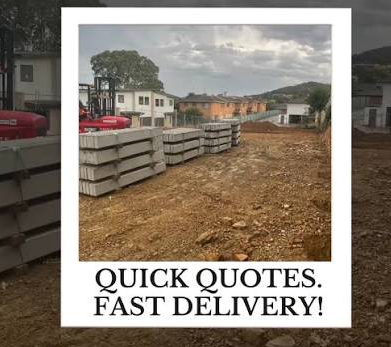
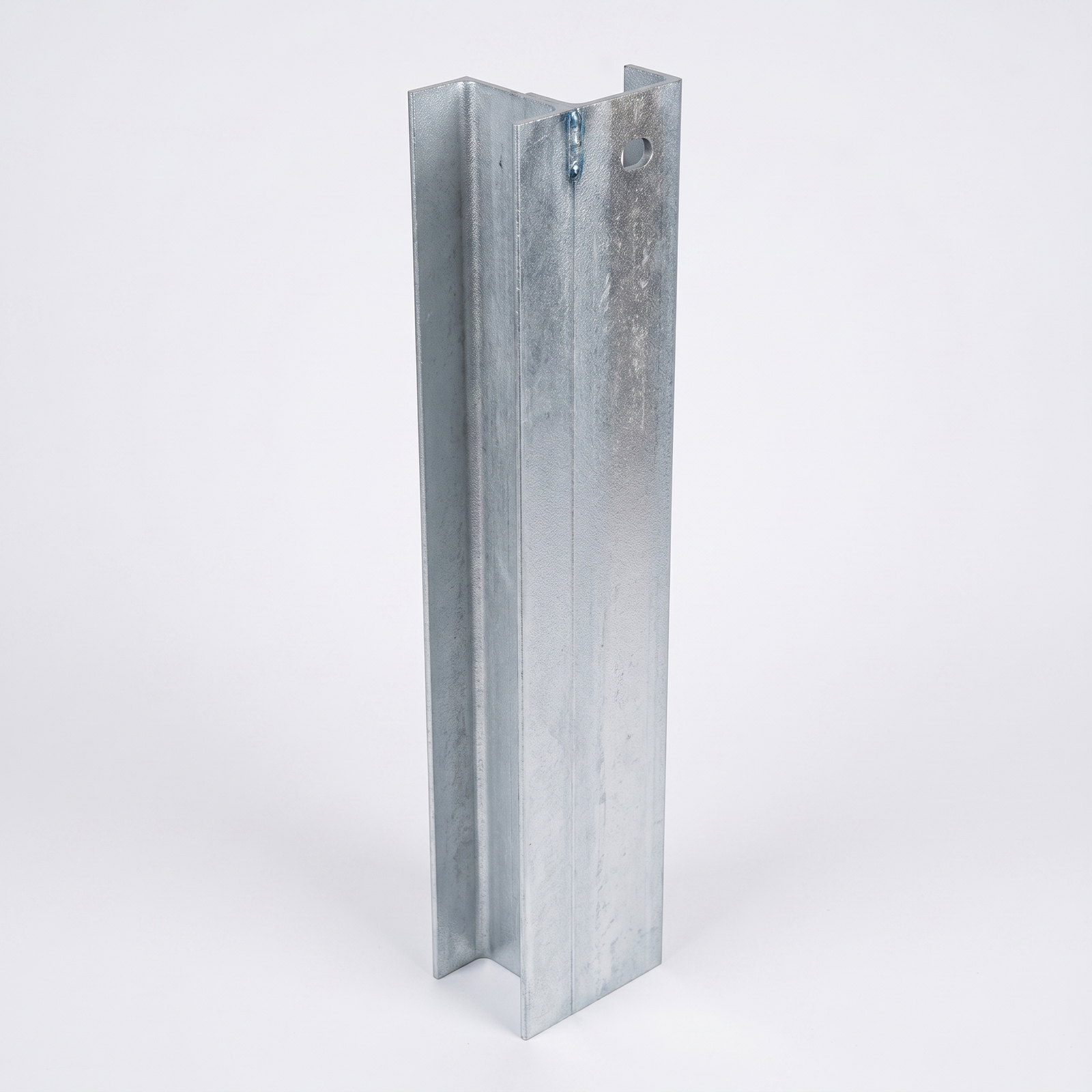
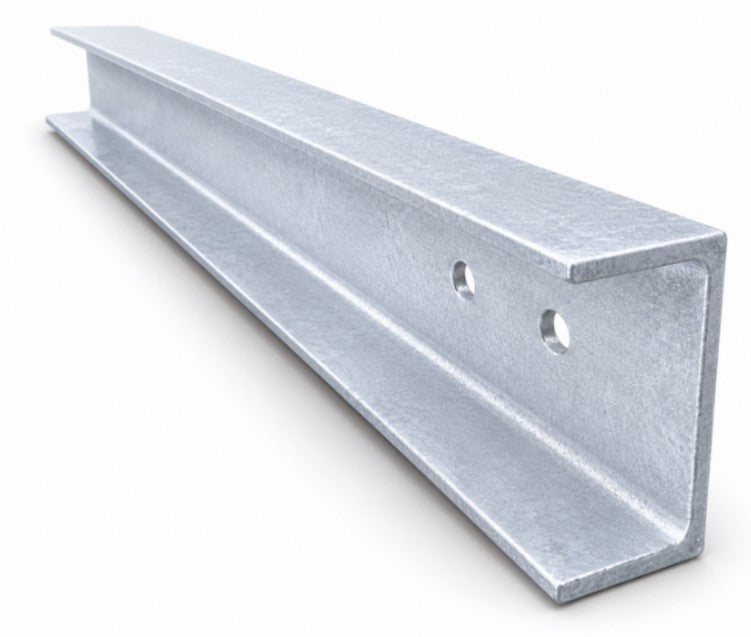
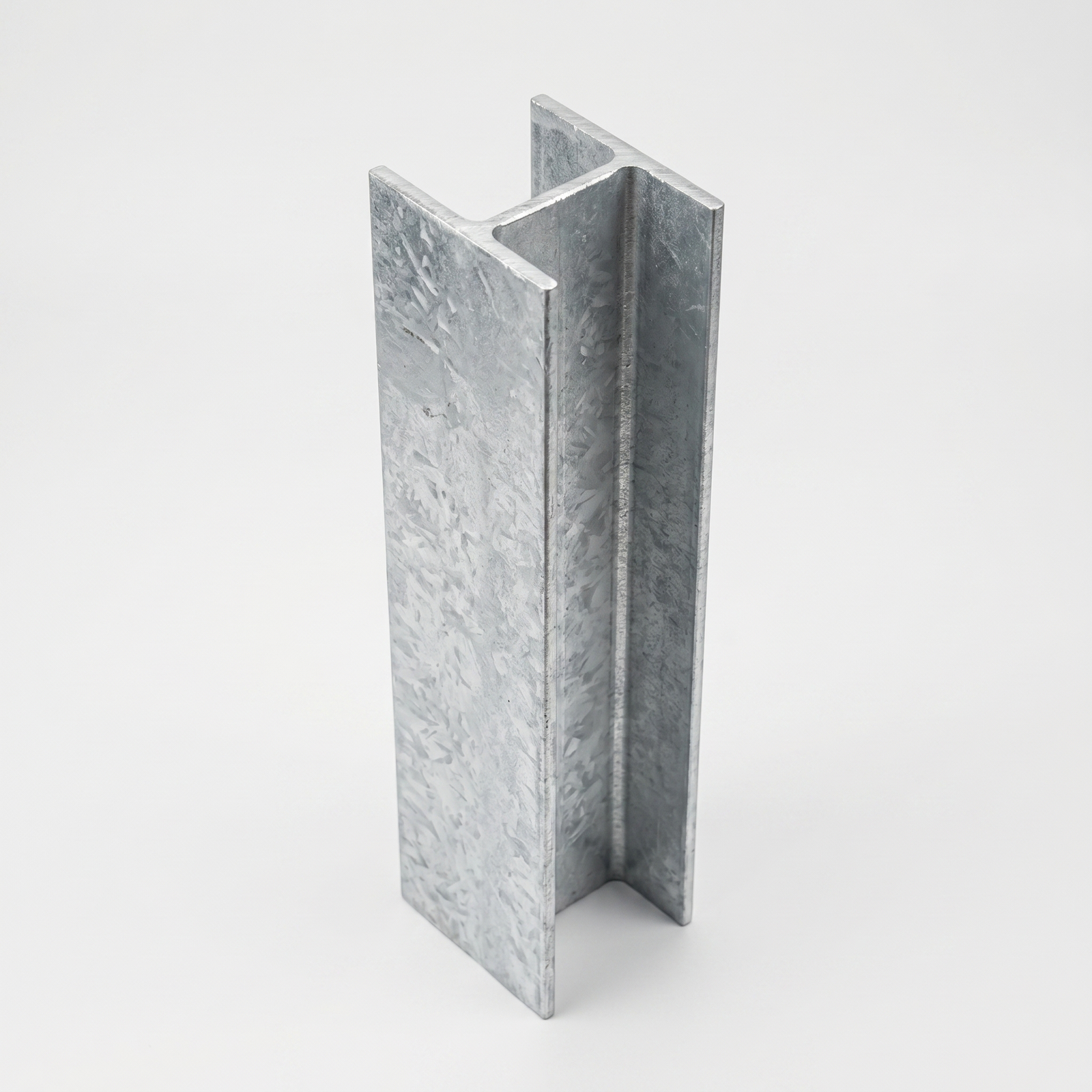
After many years building and fencing across Australia, the 100mm concrete under-fence plinth is the width I specify on almost every job. It's the sweet spot between the lightweight 50mm section and the overbuilt 150mm — wide enough to handle uneven ground, reactive clay, and pool fence compliance requirements, but manageable for a two-person DIY install without heavy equipment.
The gap under a fence is one of those problems that looks minor until it isn't. I've been called to replace fence rails that rotted from ground contact within five years, re-level posts that undermined when soil eroded through an open gap, and fix pool fence compliance failures that cost the homeowner their occupancy certificate. A 100mm concrete plinth, correctly installed, eliminates all three problems permanently.
Available in plain grey, timberlook (woodgrain texture), and composite finishes to match your fence line aesthetic.
Pricing varies by finish and length — contact our team for a delivered price to your postcode. Freight is calculated at checkout before you pay. Trade and volume pricing available for landscapers and fencing contractors.
The maximum allowable gap under a pool barrier in Australia is 100mm under AS 1926.1-2012. A 100mm plinth installed continuously with no gaps at joins and properly haunched at the back brings this gap to zero on flat ground — the safest and most inspection-ready result.
On sloped sites, stepped installation at each fence post interval is required. Never tilt the plinth to follow the grade — this creates a gap at the high end of each bay that will fail a pool fence inspection.
State pool safety authority links: QBCC Pool Safety (QLD) — VBA Swimming Pools (VIC) — NSW Fair Trading Pool Safety — WA Building Commission (Swimming Pools)
From many years of installations — the steps most DIYers get wrong are the mortar consistency and the step detail at posts. Too wet a mortar mix and the plinth sinks before it sets; too dry and you get voids underneath that allow soil to migrate through.
Browse our drainage products if you're also installing a retaining wall on the same site.
A 100mm concrete under-fence plinth is a precast concrete panel, 100mm wide, installed at the base of a fence line to fill the gap between the fence and the ground. It is bedded in mortar, haunched at the back, and provides a permanent, vermin-proof, rot-proof, and pool-fence-compliant base for Colorbond, timber, and composite fencing.
On flat ground, yes — when installed continuously with no gaps at joins and no tilt to follow the grade. On sloped sites, stepped installation is required at each fence post interval. Always have your local council or a licensed pool fence inspector verify the installation before the pool is filled and in use. Links to state authorities are listed above.
Yes — retrofitting under an existing fence is the most common application. You excavate along the fence line, install the plinth in mortar, and backfill without disturbing the fence above. The only exception is if the fence posts are set so deep that there's no clearance to get the plinth under the bottom rail — in that case, call us and we'll advise on the best approach.
Yes — this is standard practice on sites with varying gap heights. Use 50mm sections where the gap is 50mm or less, and 100mm where the ground drops or the gap is larger. The two widths butt together cleanly at any point along the fence line.
No — the through-colour concrete is unaffected by moisture, UV, and ground contact. If you want to enhance the colour or protect against surface staining in high-traffic areas, a penetrating concrete sealer can be applied after the mortar has fully cured (28 days).
Freight is calculated to your postcode at checkout before you pay. For trade, volume, or project pricing, contact our team with your fence line length, finish preference, and postcode — we respond within one business day.