









Quick Answer
A post support bracket must suit the actual retaining-wall post, fence system, connection method and design load. For the current Retaining Walls Direct fence bracket kit, the practical choices are 3mm standard, 6mm heavy duty and 6mm offset. A description such as 90x90 may refer to a nominal fence-post dimension on some bracket styles, but it is not a universal bracket size or a current RWD kit option. Confirm the post profile, fixing pattern, fence height, wind exposure and required offset before ordering.

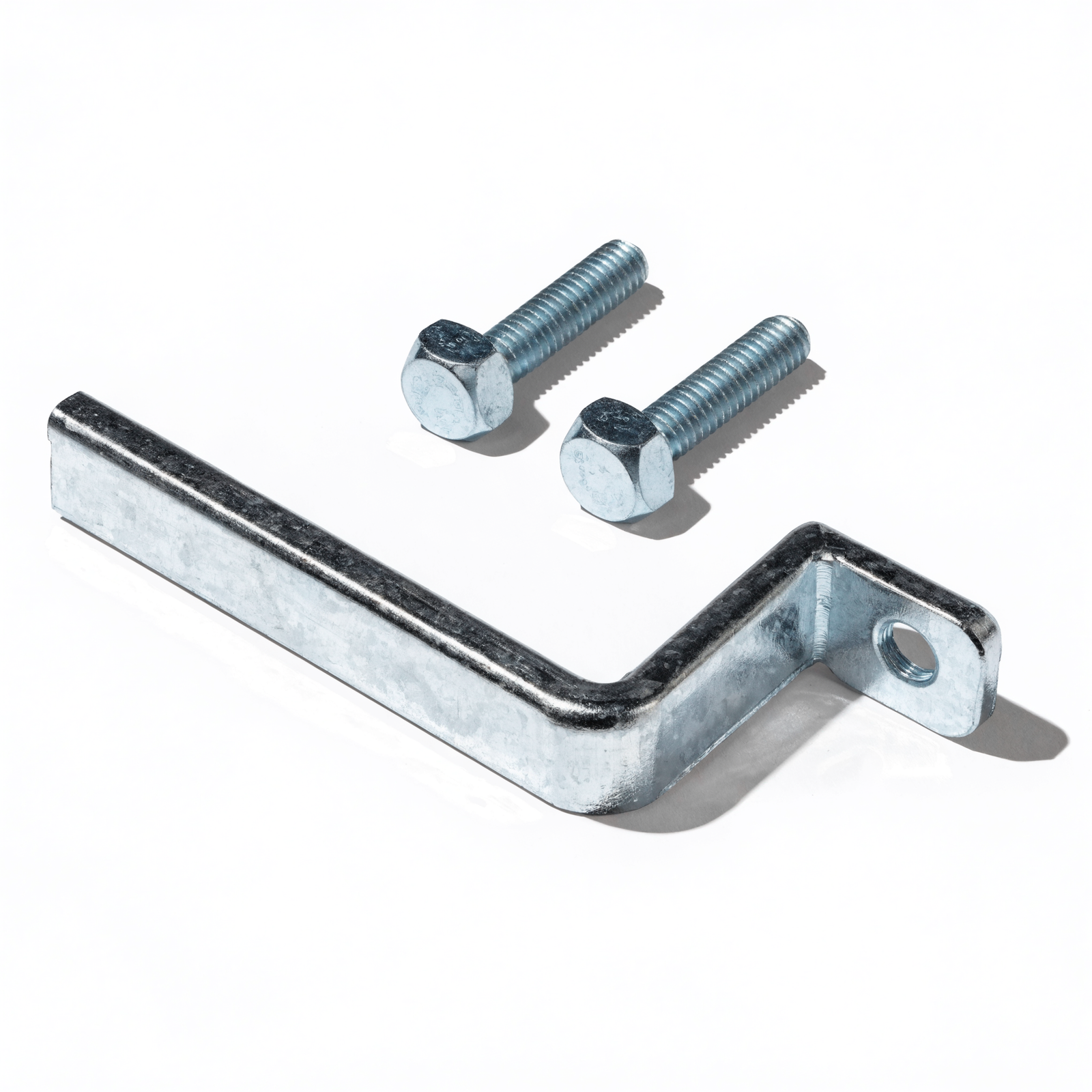
A post support bracket is a small connection carrying real fence loads. The current Retaining Walls Direct fence bracket kit bolts to a retaining-wall post and supports the approved timber or Colorbond fence arrangement. Separate cleats or project-specific connections may use welding where a qualified design permits it. The correct choice cannot be made from one nominal dimension alone. This guide explains what to measure, how bracket thickness and offset options differ, and which details should be confirmed before the wall posts are set.
Terms such as post bracket, fence bracket, post support bracket, cleat and 90x90 bracket are used loosely across the market. They do not always describe the same shape or fixing method. Use the product drawing and installation instructions, not the search term, to confirm what the hardware connects and how the load reaches the retaining-wall post.
Post Bracket, Fence Bracket and 90x90 Terminology
Post bracket and fence bracket are broad category names. On some bracket designs, a 90x90 description can refer to the nominal timber fence-post size the hardware is intended to receive. It does not confirm the plate thickness, bolt pattern, offset, galvanising or fit to the retaining-wall post. The current Retaining Walls Direct kit is selected by 3mm standard, 6mm heavy-duty or 6mm offset configuration, so use the actual product drawing and fixing detail rather than relying on a generic 90x90 search term.

Why Post Support Bracket Sizing Matters
A post support bracket has two separate jobs at once: fixing securely to the retaining wall post beneath it, and holding the fence or structural post above it in the correct position. Getting the sizing wrong on either side undermines the whole connection.
- A bracket that's the wrong size for the retaining wall post won't sit flush against the post's profile, leaving gaps or an unstable connection
- A bracket that's the wrong internal dimension for the fence post won't hold it securely, allowing movement or requiring packing material to make up the difference
- An undersized bracket for the loads involved can fail under wind loading on a fence, even if it looks adequate by eye
- Mismatched bracket and post sizing is one of the more common reasons an otherwise well-built retaining wall ends up with a wobbly or leaning fence on top
Because a bracket connects two different components, sizing it correctly means checking both sides of that connection against your actual materials, not assuming a single standard size will suit every combination of post and bracket.
This two-sided nature of a bracket connection is really the whole point of this guide. Most hardware buying guides focus on one product in isolation, but a post support bracket only makes sense in the context of the two posts it's joining together, which is why every section below keeps coming back to checking both sides rather than treating the bracket as a standalone purchase.
The Cost of Getting It Wrong
An undersized or mismatched bracket rarely fails immediately. It's far more common for the problem to show up gradually, as a slight wobble in the fence that gets worse over a season or two, or as timber posts that work themselves loose inside a bracket that never quite gripped them properly. By the time the issue is obvious, fixing it usually means removing fence panels, undoing the bracket connection, and starting that section again with the correct hardware, which costs far more in time and labour than sourcing the right bracket would have cost at the outset. Getting the sizing right before installation is a small amount of extra checking for a problem that's genuinely expensive to fix retroactively.
Design Capacity: More Than Physical Fit
Sizing a bracket correctly involves more than making the physical dimensions line up. The bracket, bolts or welds, retaining-wall post and footing must also be suitable for the planned fence loads. The current product descriptions identify standard, heavy-duty and offset applications but do not provide a universal numerical load rating. Do not convert 3mm or 6mm plate thickness into an unsupported fence-height or wind-load limit. Use the stated application, supplier documentation or project-specific connection design.
Standard Bracket Sizes
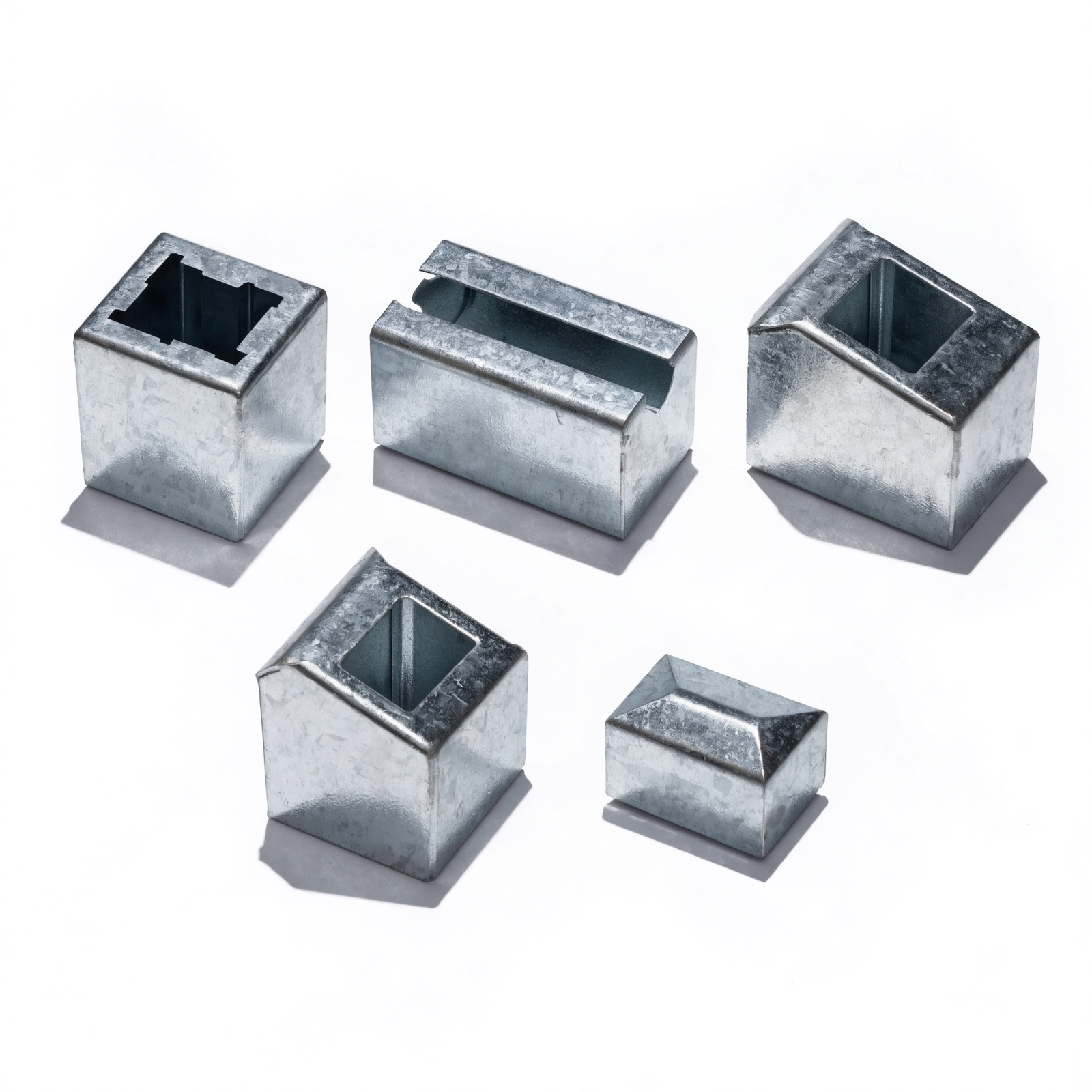
There is no single standard bracket size that covers every retaining-wall and fence combination. Current Retaining Walls Direct bolt-on fence bracket kits are sold by plate duty and alignment rather than by a universal 90x90 saddle size:
- 3mm standard kit — intended for standard residential fencing and lighter Colorbond applications where the system design permits it.
- 6mm heavy-duty kit — a thicker plate for heavier fencing, double-sided panels or higher design loads, subject to the fence and retaining-wall design.
- 6mm offset kit — shifts the fence line away from the post face where boundary alignment, sleeper position or adjoining work requires an offset.
These descriptions guide product selection but do not replace a wind-load or connection check. A tall solid fence in an exposed location can apply far more force than a low open fence, even when both use the same nominal post size. Confirm whether the bracket is supplied with bolts, what hole diameter and spacing are used, and whether the retaining-wall post is already drilled or must be prepared on site.
Where 90x90mm Still Matters
A 90x90mm dimension remains useful when the bracket includes a saddle, cup or fixing face designed around a nominal timber fence post. Measure the actual post and allow for treatment, dressing and normal manufacturing tolerances. Do not force a wet or oversized timber post into a tight bracket, and do not fill a large gap with loose packing unless the connection detail specifically allows it.
Bracket Thickness Is Not a Load Rating by Itself
A 6mm plate is stiffer than a comparable 3mm plate, but capacity also depends on steel grade, plate width and length, holes, bolt size, welds, edge distances, post section and the direction of loading. Use the supplier's stated application and engineering detail rather than converting plate thickness into an unsupported fence-height rule.
Matching Brackets to Post Series
Start with the exact retaining-wall post section and the bracket manufacturer's connection detail. Series labels such as 100 and 150 are supplier groupings, while H-beam or UC and C-channel or PFC describe different structural sections. The top surface, flange width, web location and available bolt clearances can differ even when two products share a series label.

| Check | What to confirm | Why it matters |
|---|---|---|
| Retaining-wall post | Exact UC/H or PFC/C section, flange dimensions and drilling detail | Controls how the bracket seats and where bolts or welds can be placed |
| Bracket option | 3mm standard, 6mm heavy duty or 6mm offset, plus plate dimensions | Controls stiffness, alignment and intended fence application |
| Fence system | Post material, actual size, panel type, height and spacing | Controls the wind and connection load applied to the bracket |
| Fixings | Bolt grade, diameter, washers, nuts, holes, weld detail and corrosion protection | Completes the load path and affects long-term durability |
The current RWD fence bracket kit is described as bolting to H-beam or C-channel posts, but that does not make every bracket on the market interchangeable. If the post was purchased elsewhere, compare the actual dimensions and drilling detail with the bracket drawing before ordering.
Choose the retaining-wall post from the wall design first. Then choose the fence connection that suits that exact post and the planned fence. Do not select a retaining-wall post merely because a preferred bracket appears to fit it.
The profile matters more than the marketing series name. An H or UC section and a C or PFC section present different faces and clearances, so a supplier should confirm the bracket's approved connection for the actual post product.
A Worked Example
Consider a Colorbond fence planned above a concrete sleeper wall. The wall drawings nominate a particular galvanised H-post, and the fence is exposed to prevailing winds. The correct process is to confirm the bracket plate option and offset, check that the bolt holes clear the H-post web and flanges, confirm the fence-post or rail fixing, and verify that the retaining-wall post and footing were designed for the added fence load. Calling the fence post '90x90' or the wall post '150 Series' does not complete any of those checks.
Fence Load, Post Centres and Offset Selection
A bracket does not carry load in isolation. Wind pressure acts on the fence panels, transfers through rails and fence posts, enters the bracket connection, then continues into the retaining-wall post and footing. Adding a fence after the wall has been designed can therefore change the load case for the whole system.
Solid Colorbond and timber paling fences generally catch more wind than open slat, mesh or pool-style fencing. Fence height, terrain, shielding, topography and regional wind classification can also affect design pressure. Where the fence is tall, exposed, close to a boundary or part of an engineered wall, have the connection and supporting post checked rather than selecting a bracket from appearance alone.
Post Centres Must Work for the Wall and Fence
Retaining-wall post centres are selected for sleeper span and wall loads. Fence-panel widths may use a different module. Resolve this conflict during planning. A bracket at every retaining-wall post is useful only when the fence rails or panels can connect to those centres without unsupported extensions or improvised intermediate posts.
The current fence bracket product guidance uses one kit per post as the take-off method. That is an ordering rule for the kit, not a universal structural spacing rule. The wall and fence designs still determine the actual post layout.
When an Offset Bracket Helps
An offset bracket moves the fence line away from the centre or face of the retaining-wall post. It can help align the fence with a title boundary, clear the sleeper face, match an adjoining fence or create room for caps. The offset also introduces eccentricity, so the specified bracket and connection must be used. Do not create a larger offset with loose spacers, stacked plates or long unsupported bolts.
Corrosion Protection After Drilling or Welding
Bracket kits and retaining-wall posts are commonly hot-dip galvanised. Current Australian galvanising requirements are covered by AS/NZS 4680:2025. Drilling, cutting or welding can expose bare steel or damage the coating. Follow the post and bracket supplier's repair method, use compatible fixings, avoid trapping water in the joint and pay extra attention in coastal or persistently damp environments.
Common Mistakes
- Ordering from a search term such as 90x90 without checking the actual bracket drawing, post profile, plate option and fixing pattern.
- Assuming every 100 or 150 Series post has the same flange dimensions or accepts the same drilled connection.
- Treating a 6mm plate as automatic approval for a taller fence without checking wind load, post capacity and footing design.
- Using timber packers, stacked washers or site-made spacers to correct a bracket that does not seat correctly.
- Choosing post centres for the retaining wall without confirming that the fence panels and rails can use the same layout.
- Drilling or welding galvanised steel without following the approved coating-repair and corrosion-protection procedure.
Most of these mistakes trace back to treating the bracket as an afterthought rather than as a specification with its own sizing requirements, in the same way sleeper thickness and post series need to be matched at the retaining wall stage.
Why This Keeps Happening
Brackets are a small, relatively inexpensive line item compared with sleepers and posts, and that low cost sometimes leads to them being treated as an interchangeable commodity rather than a fitted component. In reality, a bracket sits at the exact junction between two structural elements, the retaining wall post and the fence post, and both connections need to be correct for the hardware to do its job. Spending a few extra minutes confirming post series, profile and fence post material before ordering avoids the vast majority of bracket related problems we see on completed jobs.
Installation and Final Fit Checks
- Confirm the retaining-wall footing has cured and the posts remain plumb before adding fence loads.
- Dry fit the bracket to the actual retaining-wall post and fence component before drilling, welding or tightening.
- Use the supplied or specified bolts, nuts, washers and hole sizes. Do not substitute light zinc-plated hardware.
- Check bracket level, fence-line offset and post plumb before final torque or welding.
- Repair any damaged galvanising in accordance with the supplier's method and inspect the joint after the first period of service.
- Keep copies of the product drawing, fixing instructions and engineering detail with the project records.
Taking the time to confirm fit at each of these steps avoids the most common bracket related complaint we hear: a fence that looks fine on installation day but develops a wobble or lean within the first year, almost always traced back to a bracket that wasn't quite the right size or wasn't tightened correctly from the start.
Corner and End Posts Need Extra Thought
Corner posts, end posts and gate openings can create different load and connection conditions from a typical intermediate fence post. Confirm whether the standard bracket detail remains suitable at these positions or whether a project-specific connection, additional post or separate fence support is required. Do not assume that one mid-run bracket arrangement automatically applies at every corner, termination or gate.

Where to Buy
Source the bracket with the retaining-wall posts where possible so compatibility can be checked as one system. Review the retaining wall hardware collection for related bolts, cleats and fixings.
For the currently listed 3mm, 6mm heavy-duty and 6mm offset options, see the galvanised steel fence bracket kit. Include the exact retaining-wall post, fence type, height, location and desired alignment when requesting confirmation.
Ordering for Larger or Trade Jobs
For landscapers and builders ordering brackets across multiple properties or a longer boundary run, it's worth confirming bracket sizing once against a representative post and fence combination, then ordering the full quantity to that confirmed specification rather than sourcing brackets job by job. This reduces the risk of a slightly different bracket variant ending up on site partway through a run, which can otherwise create a visible inconsistency along an otherwise uniform fence line. Trade accounts can also make it easier to standardise on a single confirmed bracket specification across repeat projects using the same post series and fence post size.
A Quick Checklist Before You Order
- Confirm your retaining wall post series, 100 or 150
- Confirm the post profile, H-beam or C-channel
- Confirm the actual fence-post size and material; do not assume a generic 90x90 description applies
- Confirm whether the standard bracket detail remains suitable at corner, end or gate posts, or whether a project-specific connection or separate support is required
- Check the stated bracket application or project-specific design against the fence height and exposure, not just its physical fit
Working through this checklist before placing an order takes a few extra minutes and avoids almost every common bracket sizing problem covered in this guide.
A correctly sized bracket is a genuinely small part of the overall cost of a retaining wall and fence project, but it's also one of the few components where getting it wrong is both easy to do and expensive to undo once the fence is standing. Treating bracket sizing with the same care you'd apply to sleeper thickness or post series selection is a small habit that pays off in a fence and wall system that stays solid together for years rather than developing problems within the first season.
Need the right bracket for your posts?
Send the exact retaining-wall post product and profile, fence type, height, site exposure and required offset so compatibility can be checked before ordering.
Request Bracket Advice →
Leave a comment (all fields required)