










Quick Answer
Woodgrain concrete sleepers are worth the extra cost when the timber look matters, the wall will be seen regularly, and you want a low-maintenance concrete system rather than real timber. The premium is mainly aesthetic: compare products with the same dimensions, reinforcement and declared concrete grade before assuming one finish is stronger. A correctly specified concrete wall avoids timber rot and termite attack, but it still needs suitable posts, footings, drainage and periodic inspection.
This guide gives an honest buyer’s verdict on where the woodgrain premium earns its keep, what the extra casting or finishing process buys, when basic concrete is the smarter option, and which project details should be checked before ordering.

The Case for Wood Grain
The strongest case for woodgrain concrete is visual rather than structural. It softens the industrial look some buyers associate with plain concrete and can sit naturally beside timber fencing, decking, brick and planting. When a woodgrain sleeper and a smooth sleeper have the same dimensions, reinforcement and declared grade, the surface pattern should not change the wall design. The finish decision comes after the structural specification, not before it.
- A timber-inspired appearance without the decay risk of real timber
- Concrete grades and reinforcement selected independently of the surface finish
- Compatibility with the same post system only where sleeper dimensions and channel fit match
- No oiling or re-staining, although the completed wall and drainage still need inspection
- A warmer visual result for garden, boundary and entertaining-area walls
Do not spend the finish premium by reducing the structural budget. Post section, footing design, sleeper thickness, drainage and any engineering requirement must be settled first. Woodgrain is then chosen from products that meet that specification.
See the full range in our woodgrain concrete sleepers collection.
The Psychology of the Decision
Most buyers who end up choosing woodgrain aren't comparing it against plain concrete purely on structural merit — they've already decided they want the timber look, and the real question is whether to get that look from real timber (with its maintenance) or from woodgrain concrete (without it). Framed that way, the "worth it" question usually isn't woodgrain vs plain concrete at all; it's woodgrain concrete vs real timber, which is a different comparison covered in our woodgrain vs timber guide.
Why "Worth It" Is Really Two Separate Questions
It helps to separate this into two distinct comparisons rather than treating it as one decision. The first question is whether you want a timber look at all, versus a plain, contemporary concrete finish — that's a matter of personal taste and how the wall relates to the rest of the property. The second question, once you've decided you want the timber look, is whether to get it from real timber or from woodgrain concrete — and that's a much more practical comparison based on maintenance tolerance, budget timing and how long you'll own the property. Conflating these two questions is where a lot of buyers get stuck, because they end up comparing woodgrain concrete's price against plain concrete's price, when the more relevant comparison for someone who already wants the timber look is against real timber, not against a finish they've already ruled out on aesthetic grounds.
What Long-Term Owners Tend to Say
Anecdotally, the homeowners least likely to regret paying the woodgrain premium are the ones who've already owned a timber retaining wall previously and dealt with its replacement cycle firsthand. Having been through the process once, they tend to value the "set and forget" nature of a concrete wall more highly than a first-time buyer comparing options purely from a spec sheet or price list. If you've never owned a timber wall before, it's worth talking to someone who has about what the maintenance and eventual replacement actually involved in practice, not just in theory.
Where It Makes the Most Sense
Certain projects and sites get more value out of the woodgrain premium than others.
- Front-facing or street-visible walls — where kerb appeal and first impressions matter more than a side or rear boundary wall might
- Gardens with an established timber or natural palette — where a plain grey concrete wall would visually clash with existing landscaping
- Renovations replacing a failed timber wall — where the homeowner already knows they like the timber look and simply wants it without the failure mode
- Long-term family homes — where the wall needs to look good for decades, not just for a resale photo
- Properties preparing for sale — where street appeal and a well-finished exterior can influence a buyer's first impression more than most sellers expect

Where the Premium Matters Less
On the flip side, some situations genuinely don't need the woodgrain premium. Side boundary walls that aren't visible from the street, retaining walls in a work yard, shed base or utility area, and rental properties where tenants (rather than owners) will be the primary daily viewers of the wall are all places where a plain concrete finish does the same structural job for less, without a meaningful loss in practical value.
A Room-by-Room Way to Think About It
Landscapers often find it useful to walk a property the way a visitor would and ask which walls actually get seen. A front boundary wall visible from the street, a wall framing an entertaining area, or a wall along a main garden path all get daily visual attention and are where a premium finish earns its cost fastest. A retaining wall behind a garden shed, along a rear service lane, or supporting an area that's mostly out of sight gets essentially none of that attention, and a plain finish there represents genuine savings without giving anything up in practice. This walk-through exercise is one of the simplest ways to allocate a finish budget sensibly across a larger, multi-wall project.
Mixing Finishes Across a Single Property
There's no rule that says an entire property needs one finish throughout. It's entirely reasonable — and common in practice — to specify woodgrain for a visible front wall and plain concrete for a hidden rear or side wall on the same job, since both finishes share the same strength grades, dimensions and post system. This lets a budget stretch further without compromising on the sections that actually matter for kerb appeal.
Extra Cost and What It Buys You
Woodgrain sleepers often cost more than the most basic smooth-grey option because textured moulds, pigments, sealing and manufacturer finish ranges add production cost. The price difference is not universal: some charcoal, patterned or factory-sealed products may cost the same or more. Compare the exact product dimensions and declared grade rather than comparing finish names alone.
What You're Not Paying Extra For
It's worth being clear about what the woodgrain premium doesn't include: it's not a stronger sleeper, it's not a longer warranty in most cases, and it's not a different post or footing requirement. If the wall does not need the visual result, a plain sleeper with the same dimensions, reinforcement and declared grade can provide the same specified structural role at a lower material cost.
What It Does Include
What the premium buys is a timber-inspired face that many owners prefer against gardens, brick and render. Compared with real timber, it avoids oiling, staining, rot and termite attack. It does not remove the need to maintain surface drainage, keep outlets clear or investigate cracking, movement and blocked drains. For the full breakdown of exactly what woodgrain sleepers cost and how that compares across strength grades, see our dedicated woodgrain sleeper cost guide.
Thinking About It Per Square Metre of Wall
Because the premium is a fixed amount per sleeper rather than a percentage of the total build cost, its impact shrinks as a proportion of your overall spend on taller or longer walls, where post, footing and drainage costs make up a larger share of the total budget. On a short garden-bed wall, the woodgrain premium might represent a larger percentage of the total project cost; on a long, tall boundary wall, it's often a comparatively small addition once posts, footings and drainage are accounted for. This is worth keeping in mind if you dismissed woodgrain early purely based on a per-sleeper price difference without looking at the whole-of-wall picture.
Getting a Like-for-Like Quote
When comparing quotes between plain and woodgrain options, make sure the strength grade, post spacing and post profile are identical across both quotes. It's not unusual for a quote to quietly under-spec one option to make it look cheaper — always compare the finish decision in isolation from the engineering decision, so you're genuinely comparing the cost of the timber look, not the cost of two differently engineered walls. If two quotes for "the same wall" come back with a large price gap, ask specifically whether strength grade, post spacing or post profile differ before assuming the gap is purely down to finish.
A Whole-of-Wall Value Check
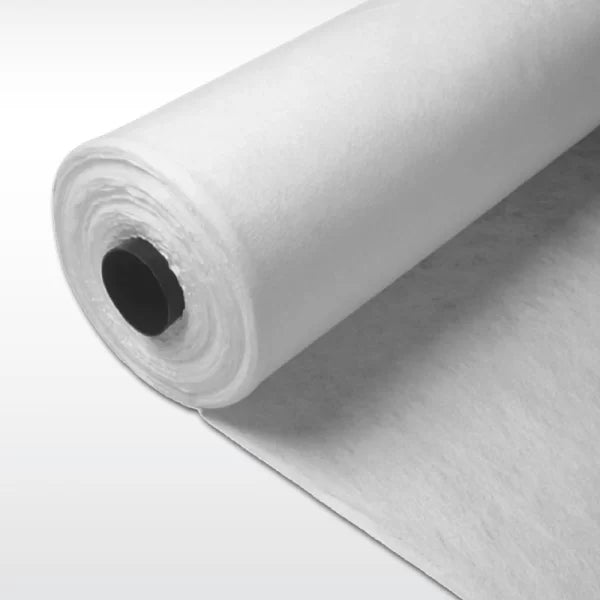
The finish premium should be judged against the complete wall budget, not only the sleeper unit price. Posts, excavation, concrete footings, drainage aggregate, ag pipe, geotextile, freight and labour can represent a large share of the job. On a visible wall, a modest finish upgrade may be a small percentage of the total installed cost. On a short decorative border, the finish may form a much larger share of the budget.
| Check | What it tells you |
|---|---|
| Visibility | Street-facing, entertaining and main-garden walls usually gain the most from a premium finish. |
| Ownership horizon | A long-term owner has more time to enjoy the visual choice; a temporary or hidden wall may not justify it. |
| Matched specification | Quotes must use the same sleeper dimensions, grade, post layout and drainage scope before the finish premium can be isolated. |
| Sample in natural light | Texture, pigment and sealer can look different outdoors than on a screen or under showroom lighting. |
| Replacement practicality | The cast texture cannot be added later without replacing or cladding the visible face, so choose before installation. |
Ask for the finish premium as a separate line item. That makes the decision transparent and prevents a cheaper quote from hiding wider post spacing, a thinner sleeper or an incomplete drainage allowance. When the structural scope is genuinely identical, the remaining price difference is the amount you are paying for the woodgrain appearance.
Common mistake: paying for a premium finish on a wall section nobody will ever see, then trying to save money by under-specifying strength grade on a visible section instead. Decide your finish budget and your strength/engineering budget separately — cutting corners on strength grade to afford a nicer finish is a false economy on a structural wall.
The Cheaper Alternative
If the woodgrain premium doesn't make sense for your project, plain concrete sleepers are a genuinely solid alternative — the same broad material category and potentially the same structural specification, provided the selected product has matching dimensions, reinforcement and declared grade, but without the timber-look surface.

- Often lower cost than woodgrain when compared at the same dimensions and declared grade
- A clean, contemporary look that suits modern and minimalist properties well
- The same structural role only when product data and channel compatibility match; drainage remains equally important
Browse our full plain concrete sleepers range if a simpler finish suits your project better.
A Middle-Ground Option Worth Knowing About
If cost is the main concern but you still want more visual interest than a plain smooth finish, charcoal concrete can provide a distinct modern look, but its price may sit below, beside or above woodgrain depending on the product range, without attempting to replicate timber specifically. It's worth considering if your property's palette leans more contemporary than natural.
When Plain Concrete Is Genuinely the Smarter Choice
There's a tendency in retaining wall marketing to present textured or premium finishes as an automatic upgrade, but plain concrete is a perfectly sound, durable material in its own right — it's not a compromise option. For a modern render-and-glass home, a minimalist landscape design, or simply a buyer who has no particular preference for a timber aesthetic, plain concrete achieves the exact same structural outcome as woodgrain for a lower cost, with a clean look that many contemporary designs are actively built around rather than despite.
Who It's Not Right For
Woodgrain concrete isn't the right choice for every project, and it's worth being upfront about that rather than positioning it as a universal upgrade.
- Strict, fixed-budget projects where every dollar needs to go toward structural spec (strength grade, posts, drainage) rather than finish
- Purely functional or hidden walls — retaining walls behind sheds, in side yards, or anywhere genuinely out of view day to day
- Properties with a strongly modern or industrial aesthetic, where a timber-look finish may sit oddly against the rest of the design language
- Anyone who simply doesn't have a preference — if the finish genuinely doesn't matter to you, there's no reason to pay the premium
A Quick Gut-Check
A useful test: if you were building a fence on the same property tomorrow, would you choose a timber-look fence or a plain, modern one? Your answer usually applies just as well to the retaining wall — the decision is really about your property's overall aesthetic direction more than anything specific to retaining walls.
If You're Still Undecided
If you've read this far and still aren't sure, it's a reasonable sign that the finish genuinely doesn't matter much to you either way — in which case, the practical, budget-friendly choice is to go with plain concrete and put any savings toward a strength grade upgrade, better drainage, or simply keeping the overall project cost down. Strong opinions about wanting the timber look tend to surface early in the decision process, not after extended deliberation, so an undecided response after weighing it up is itself useful information.
Are Woodgrain Concrete Sleepers Worth It? The Verdict
Woodgrain concrete sleepers are worth it for exactly one reason: you want the timber look on a wall that will genuinely be seen, and you don't want the maintenance obligations that come with achieving that look in real wood. If that describes your project, the premium is a reasonable, well-justified spend. If it doesn't — if the finish is genuinely secondary to you, or the wall in question is hidden or purely functional — a correctly matched plain sleeper can give you the same specified structural wall for a lower finish cost, and there's nothing wrong with making that choice either.
FAQs
Is woodgrain concrete worth the extra money over plain concrete?
If you want the timber look and the wall will be visible day to day, most owners find it worth it — the structural performance is identical, so you're purely paying for an appearance most people prefer over plain grey concrete.
How much more expensive is woodgrain than plain concrete?
The premium reflects the additional mould and finishing process, not a difference in strength or durability. For exact figures, see our woodgrain sleeper cost guide.
Can I use woodgrain on part of a wall and plain concrete elsewhere to save money?
Yes — it's common to reserve woodgrain for street-facing or highly visible sections and use plain concrete for hidden or side sections, since the two finishes share the same dimensions and post system.
Does woodgrain concrete hold its value better than plain concrete?
There's no formal data on resale value specifically, but a well-presented, timber-look wall tends to photograph and read well in property listings compared with plain grey concrete, which is a reasonable, if informal, factor in its favour.
Is it worth paying for woodgrain on a wall I'll rarely see?
Generally no — the visual premium delivers the most value on walls that get regular daily viewing, such as front boundaries or entertaining areas. For hidden or purely functional walls, plain concrete achieves the same structural result for less.
Can I upgrade a plain concrete wall to woodgrain later?
Not without replacing the sleepers, since the texture is cast in during manufacturing rather than applied afterwards. If there's any chance you'll want the woodgrain look down the track, it's more cost-effective to specify it at the time of the original build than to replace sleepers later.
Should I get a sample before deciding?
Yes, if you're on the fence. Seeing an actual sleeper in natural light — rather than a product photo — is the single best way to judge whether the woodgrain premium is worth it for your specific property, since colour and texture can read quite differently in person than they do on a screen.
Leave a comment (all fields required)