
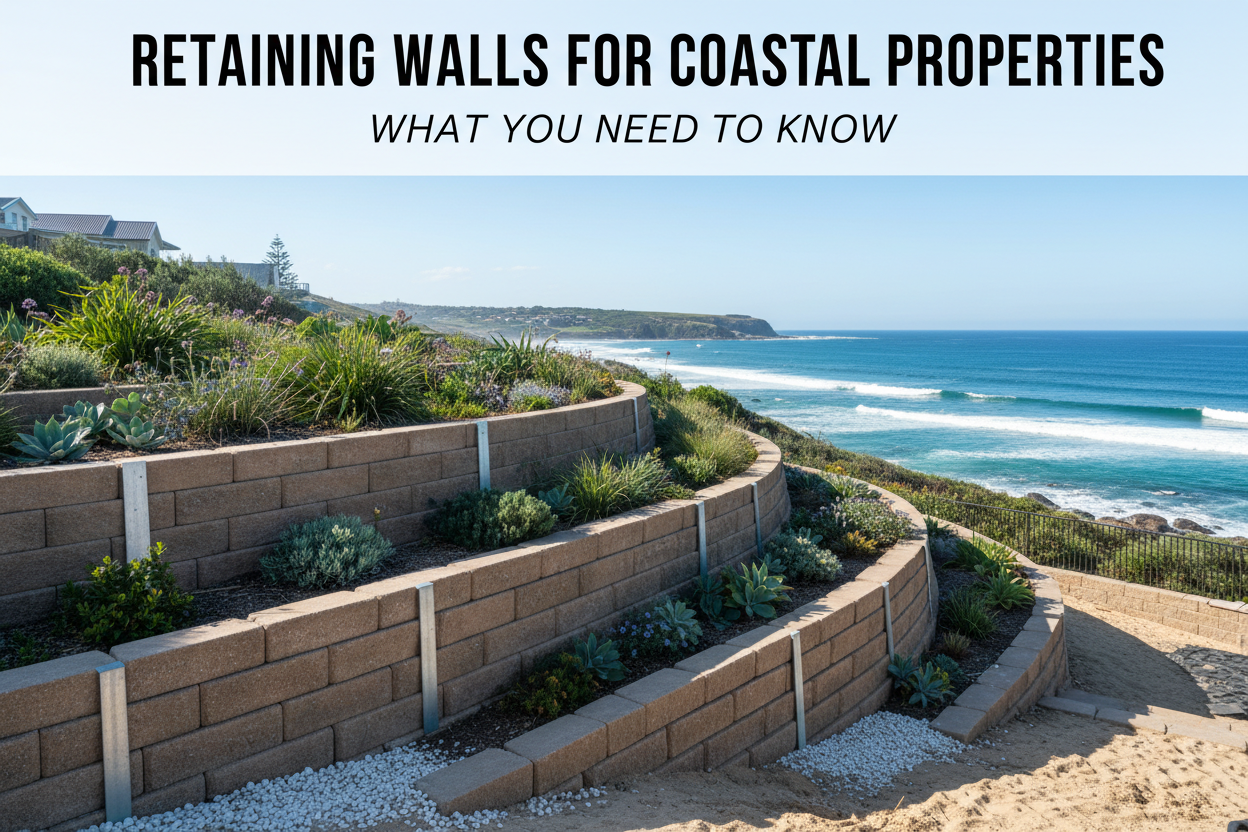

Coastal properties present specific challenges for retaining walls that inland sites don't. Salt air accelerates corrosion of steel components, sandy coastal soils have different drainage and bearing characteristics than clay soils, and coastal councils often have additional planning requirements for retaining walls in coastal zones.
This guide covers what's different about retaining walls at coastal properties and what you need to get right.
The Main Challenge: Salt Air Corrosion
Salt air — the airborne salt particles carried by onshore winds from the ocean — is the primary additional challenge for retaining wall steel posts at coastal properties. Salt accelerates the corrosion of steel by increasing the conductivity of moisture on the steel surface, which speeds up the electrochemical corrosion process.
The effect of salt air on steel corrosion is significant. In a severe marine environment (within 100–200m of the ocean in an exposed location), unprotected steel can corrode at 10–20 times the rate of the same steel in an inland environment. Even at distances of 1–2km from the ocean, salt air has a measurable effect on steel corrosion rates.
Hot-Dip Galvanising — Essential for Coastal Posts
Hot-dip galvanised steel posts are the minimum specification for retaining wall posts at coastal properties. Hot-dip galvanising provides a thick, metallurgically bonded zinc coating that resists salt air corrosion significantly better than paint or electroplated coatings.
All posts we supply — C-channel PFC posts, H-beam universal column posts, and specialist posts — are hot-dip galvanised as standard. You don't need to specify or request this — it's included.
For properties in direct marine splash zones (seawalls, coastal embankments within the splash zone), standard hot-dip galvanising may not provide adequate long-term protection. Consult a structural engineer with corrosion expertise for these applications.
Coastal Soil Conditions
Sandy Coastal Soils
Sandy soils are common in coastal areas across Australia — the eastern suburbs of Sydney, the northern beaches, Perth's coastal suburbs, Queensland's bayside areas, and the Mornington Peninsula. Sandy soils have good natural drainage and low lateral earth pressure compared to clay soils.
For retaining walls in sandy coastal soils:
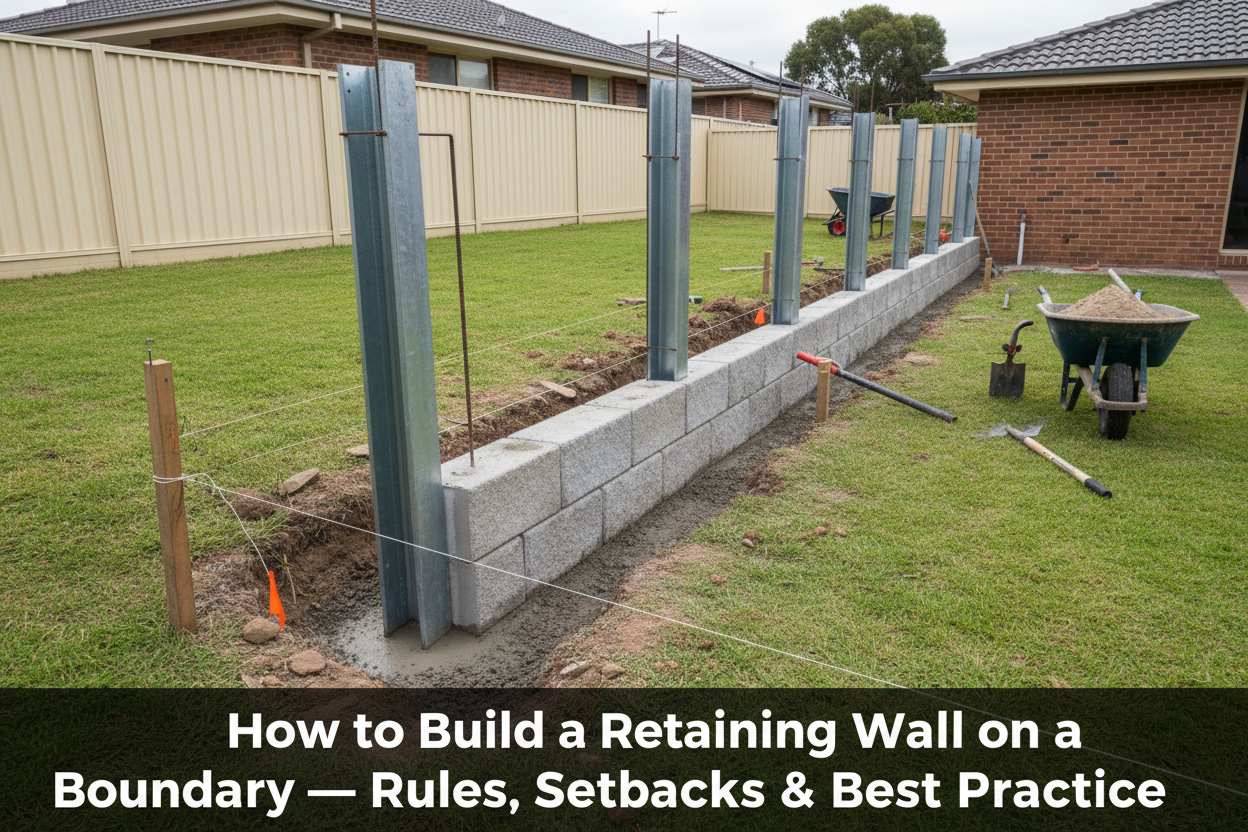
- Posts: C-channel posts are generally adequate for walls under 1.2m in sandy soils without surcharge loads. See our C-channel post range.
- Sleepers: 75mm sleepers are generally adequate for walls under 1.2m in sandy soils.
- Drainage: Sandy soils drain well, but drainage is still required. The risk of hydrostatic pressure is lower than in clay, but concentrated rainfall or site drainage changes can create localised water build-up.
- Footings: Sandy soils provide less lateral resistance than clay soils, which can affect post embedment requirements. In loose sandy soils, deeper embedment may be required to prevent post rotation under lateral load.
Coastal Clay Soils
Some coastal areas have clay soils beneath a sandy surface layer. If you encounter clay during excavation, treat the wall specification as for clay soils — H-beam posts, 100mm sleepers, and generous drainage. See our soil types guide.
Drainage at Coastal Properties
Drainage is required for all retaining walls, including those in sandy coastal soils. While sandy soils drain well naturally, coastal properties can experience:
- High rainfall events: Coastal areas often receive intense rainfall from east coast lows and tropical systems. Even well-draining sandy soils can become temporarily saturated during intense rainfall.
- High water table: Properties close to the ocean or in low-lying coastal areas may have a high water table, which can affect drainage behind retaining walls.
- Stormwater concentration: Driveways, roofs, and paved areas concentrate stormwater runoff, which can saturate the soil behind a retaining wall even in sandy conditions.
Install a complete drainage system — ag pipe, geotextile fabric, drainage aggregate, and weep holes — for all coastal retaining walls. See our drainage kits.
Council Approval in Coastal Zones
Coastal properties are often subject to additional planning controls that can affect retaining wall approval requirements:
- Coastal Management SEPP (NSW): Properties within the coastal zone in NSW are subject to the Coastal Management State Environmental Planning Policy, which may impose additional requirements for development near the coast, including retaining walls.
- Coastal hazard overlays: Properties in coastal hazard areas (erosion, inundation) may have additional requirements or restrictions on retaining walls.
- Dune protection: Retaining walls on or near coastal dunes may require specific approvals and may be subject to restrictions to protect dune stability.
- Heritage and environmental overlays: Coastal areas often have heritage and environmental overlays that affect development approvals.
Always confirm approval requirements with your local council before starting work on a retaining wall at a coastal property. Requirements vary significantly between coastal councils.
Concrete Sleepers at Coastal Properties
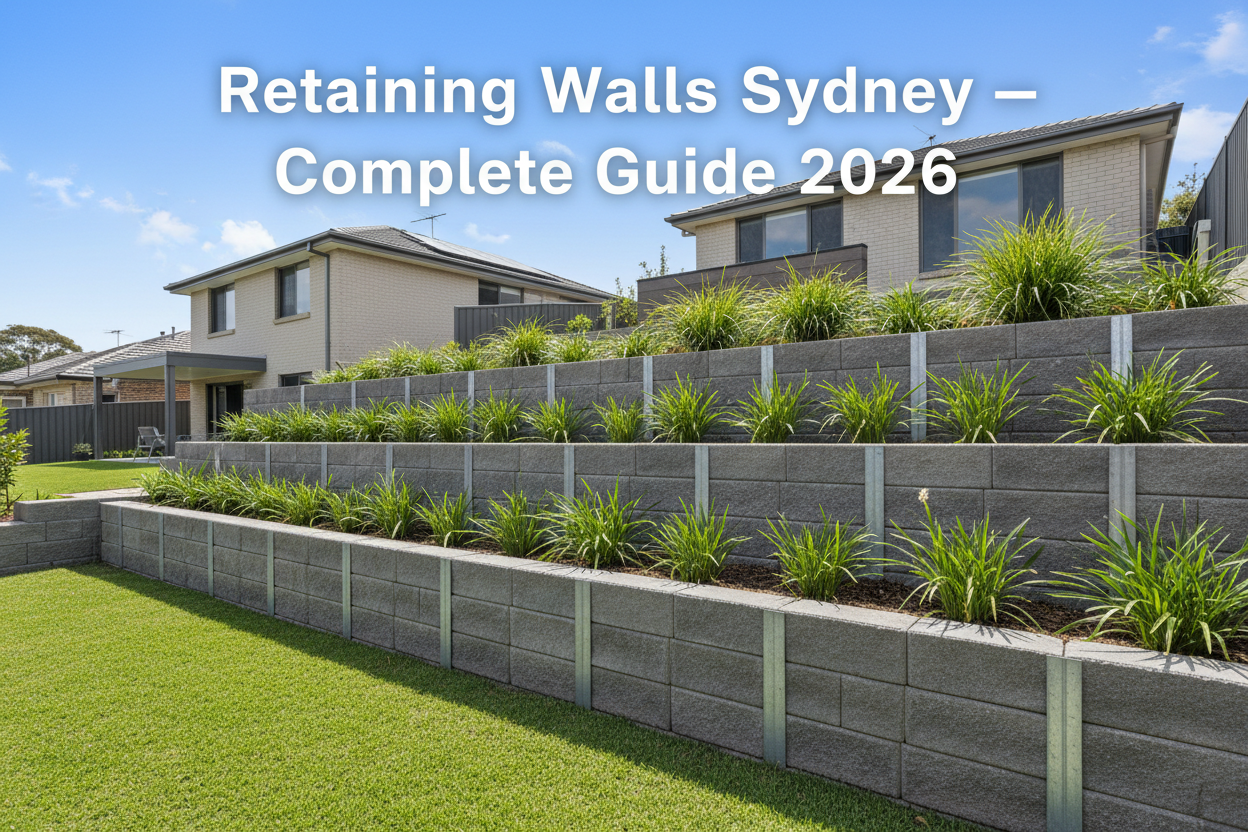
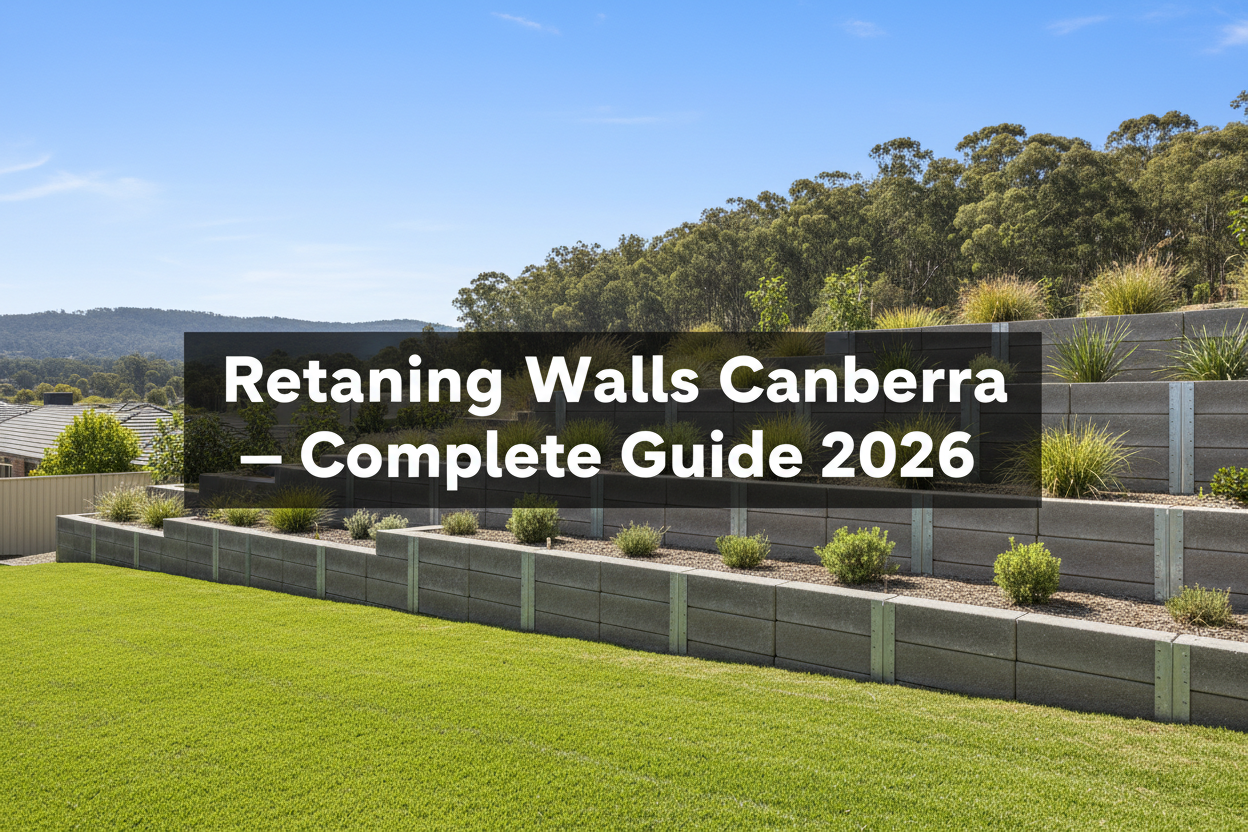
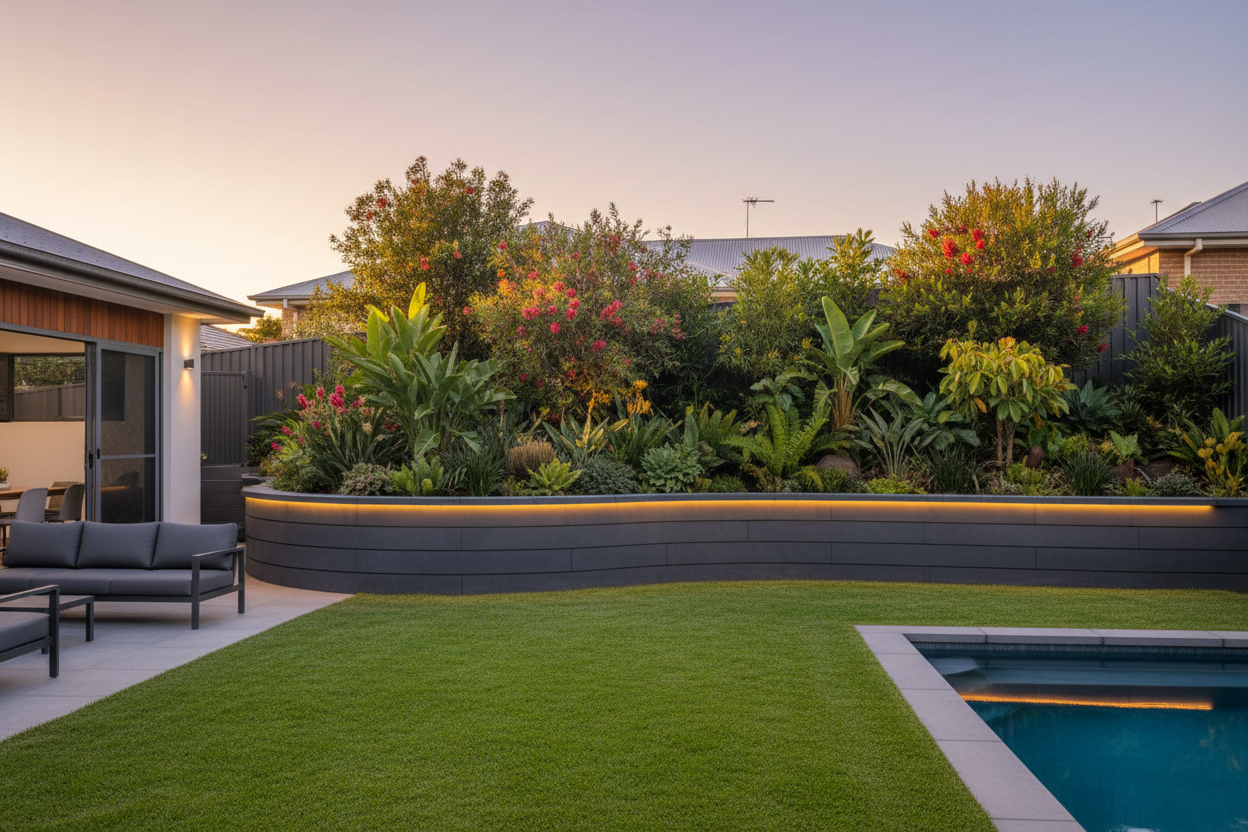
Concrete sleepers are an excellent choice for coastal retaining walls. Concrete is not affected by salt air — it does not corrode, rust, or degrade from salt exposure in the way that steel or timber does. The reinforcing steel inside the sleeper is protected by the concrete cover and is not exposed to the coastal environment.
All three finishes are suitable for coastal applications:
- Charcoal — bold, contemporary, suits coastal modern homes
- Woodgrain — natural look, popular in coastal garden settings
- Smooth finish — paintable, suits rendered coastal homes
Frequently Asked Questions
Do I need special posts for a coastal retaining wall?
Hot-dip galvanised posts are essential for coastal retaining walls. All posts we supply are hot-dip galvanised as standard. For properties in direct marine splash zones, consult a structural engineer about additional corrosion protection requirements.
How far from the ocean does salt air affect retaining wall posts?
Salt air has a measurable effect on steel corrosion at distances of up to 1–2km from the ocean in exposed coastal locations. The effect is most significant within 100–500m of the ocean. Hot-dip galvanised posts are the appropriate specification for all properties within this range.
Are concrete sleepers suitable for coastal properties?
Yes. Concrete is not affected by salt air and is an excellent choice for coastal retaining walls. The reinforcing steel inside the sleeper is protected by the concrete cover. All three finishes are suitable for coastal applications.
Do I need council approval for a retaining wall at a coastal property?
Coastal properties are often subject to additional planning controls that can affect approval requirements. Always confirm with your local council before starting work. Requirements vary significantly between coastal councils and depend on the specific coastal zone and overlay applicable to your property.
Ready to Order?
Browse our full range of concrete sleepers and hot-dip galvanised steel posts for coastal applications, or contact our team to discuss your coastal retaining wall project.