








What's the Difference?
A retaining wall holds back soil and manages a level change between two areas of ground. It's a structural element that resists lateral earth pressure. A fence provides privacy, security, and boundary definition — it sits on top of the ground and is not designed to retain soil.
They serve completely different purposes, but they're often confused because they sometimes appear in the same location — particularly on sloped boundary lines.
When Do You Need a Retaining Wall?
You need a retaining wall when:
- There is a level change between two areas of ground that needs to be held back
- Soil would otherwise erode, slide, or collapse without support
- You're creating a flat area (terrace, lawn, driveway) on a sloped site
- A neighbouring property is at a different level and the soil needs to be retained at the boundary
A retaining wall is a structural element — it must be designed and built to handle the lateral pressure of the retained soil, water, and any surcharge loads above it.
When Do You Need a Fence?
You need a fence when:
- You want privacy or security along a boundary
- You need to define your property boundary visually
- Local council or body corporate rules require boundary fencing
- You have pets or children that need to be contained
A fence is not a structural element — it cannot retain soil and should never be used as a substitute for a retaining wall.
When Do You Need Both?
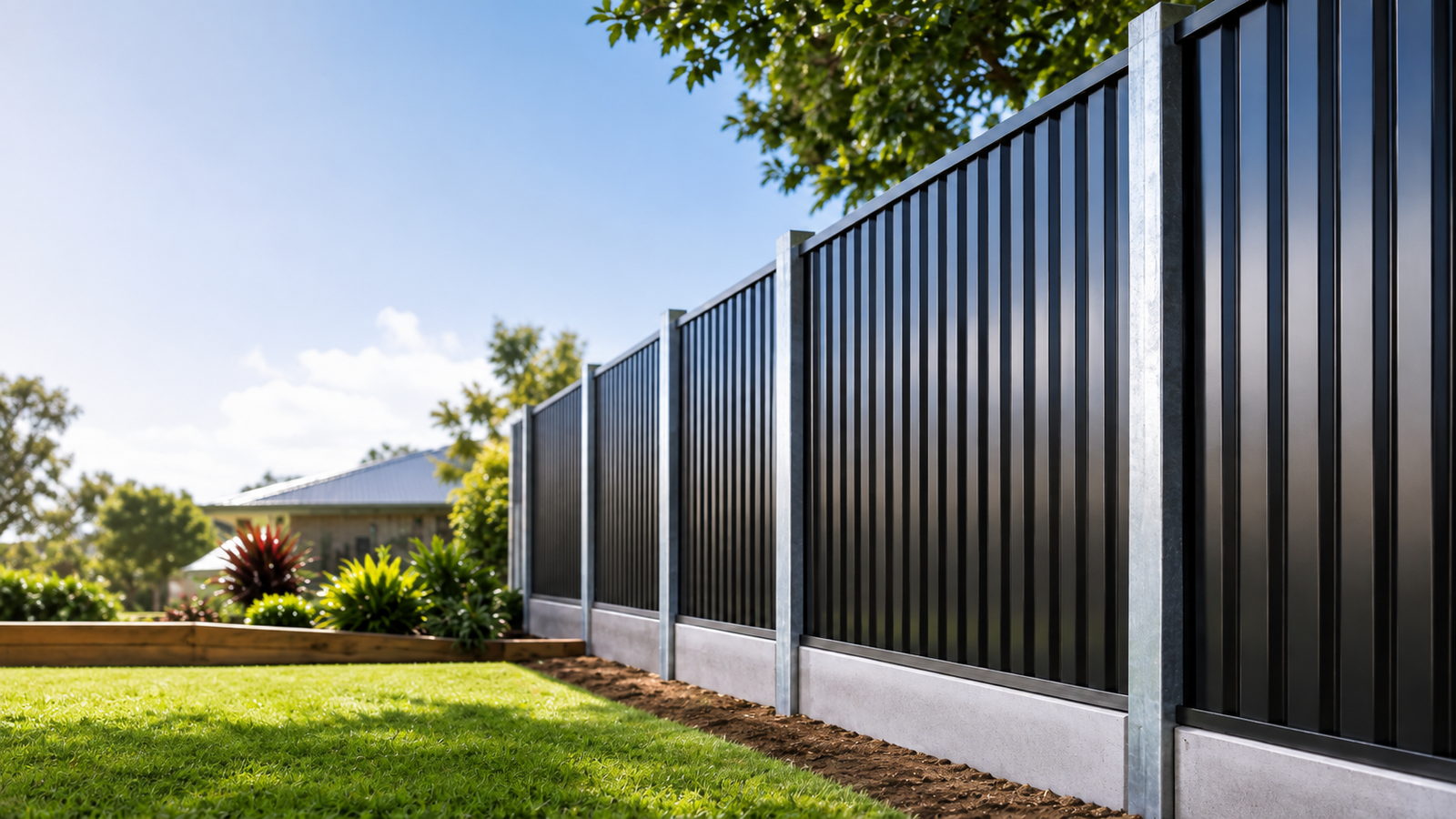
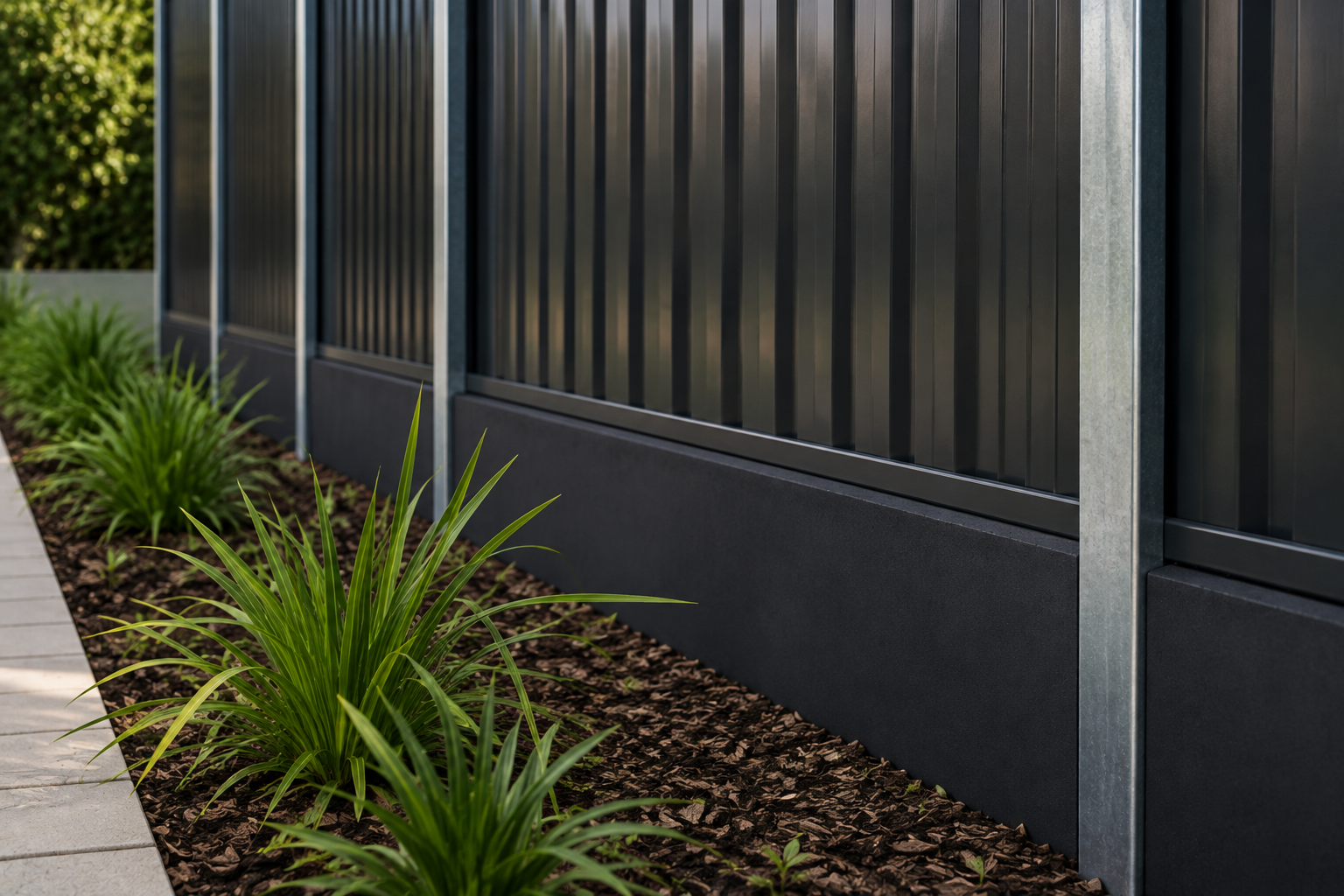
On sloped boundary lines, you often need both — a retaining wall to manage the level change, and a fence on top of or alongside the retaining wall for privacy and boundary definition. This is one of the most common scenarios in Australian residential landscaping.
The correct approach is:
- Build the retaining wall first to manage the level change
- Install the fence on top of or behind the retaining wall once it's complete
- Never attach a fence to a retaining wall in a way that transfers fence loads into the wall structure
Who Is Responsible for a Boundary Retaining Wall?
This is one of the most common sources of neighbour disputes in Australia. The general principle across most states is:
- The property that benefits from the retaining wall is responsible for it — i.e., the property whose soil is being retained
- If your property is higher than your neighbour's, you are generally responsible for retaining your soil at the boundary
- If your neighbour has raised their ground level (e.g. by importing fill), they are generally responsible for retaining that fill
Important: This is a general principle only — specific rules vary by state and council. Always seek legal advice for boundary disputes involving retaining walls.
Fencing Laws vs Retaining Wall Responsibility
In most Australian states, fencing costs are shared equally between neighbours under dividing fences legislation. However, retaining walls are not covered by fencing legislation — they are the responsibility of the property owner whose soil is being retained. This distinction is important and often misunderstood.
- Fence: Shared cost under dividing fences legislation (varies by state)
- Retaining wall: Responsibility of the property benefiting from the wall — not shared under fencing laws
Can a Fence Replace a Retaining Wall?
No. A standard fence post is not designed to resist lateral soil pressure. Using a fence as a retaining wall will result in the fence leaning, cracking, and eventually failing — often causing damage to neighbouring property. If you have a level change at a boundary, you need a proper retaining wall — not a fence.
Retaining Wall + Fence: Design Tips
- Build the retaining wall to the full required height before installing the fence
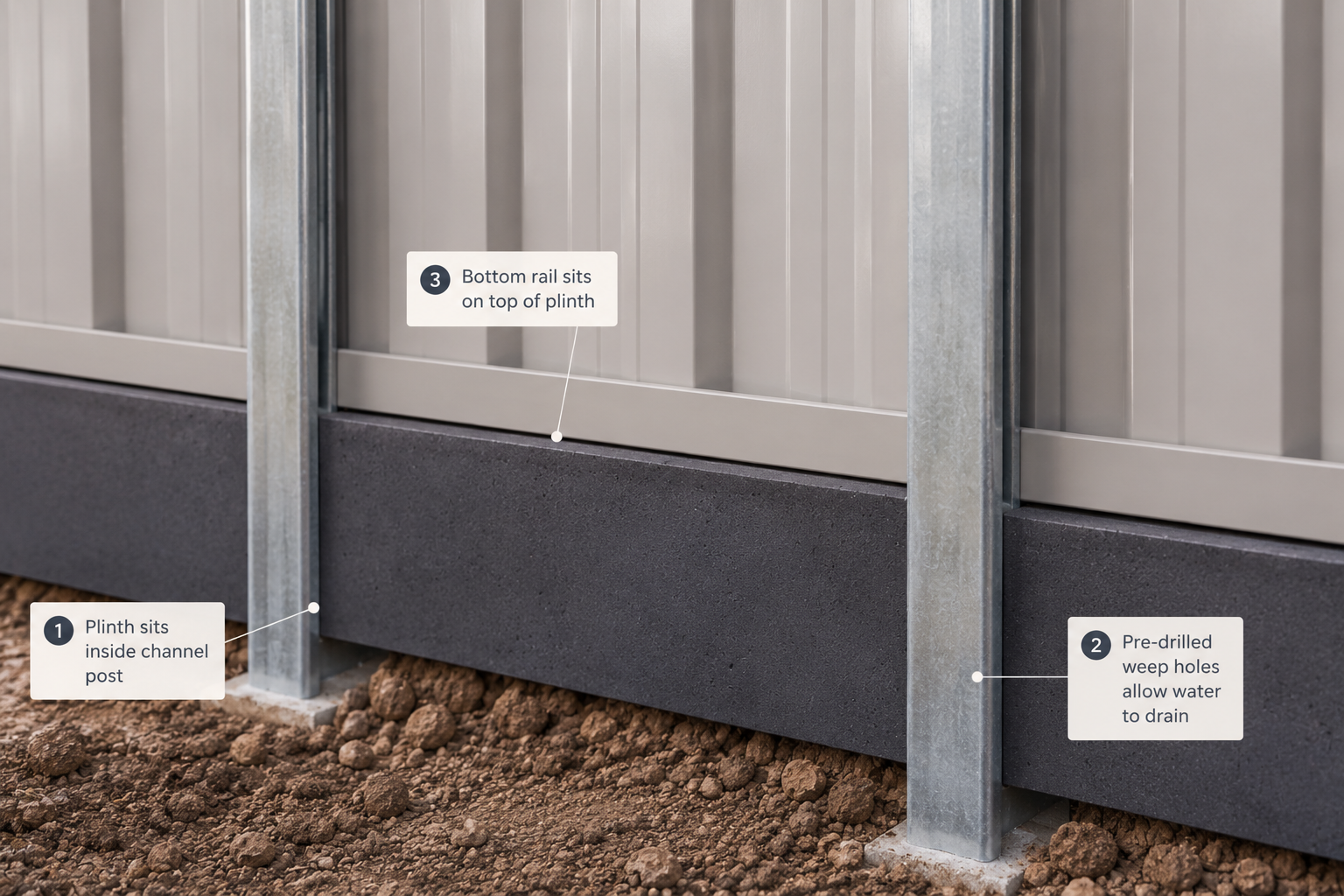
- Use concrete sleepers for the retaining wall — they provide a clean, level top surface for fence installation
- Install fence posts independently of the retaining wall — don't use retaining wall posts as fence posts
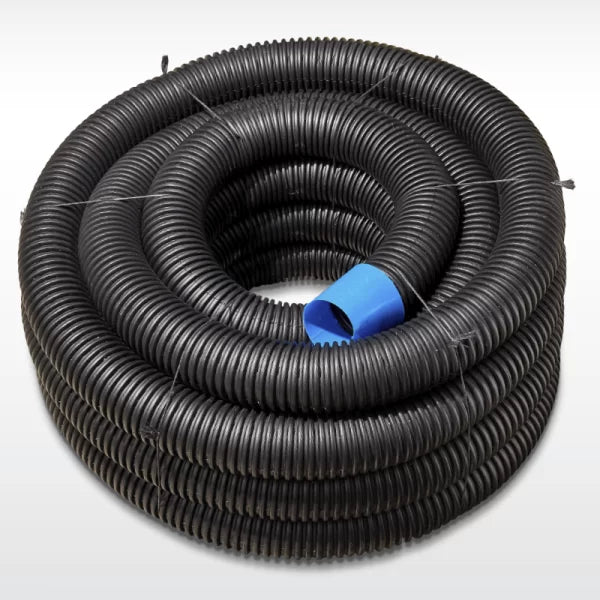
- Allow for drainage behind the retaining wall before backfilling — see our Drainage Installation Guide
- Check council requirements for combined retaining wall and fence heights — some councils measure total height from natural ground level
Get a Free Quote for Your Boundary Retaining Wall
If you need a retaining wall at a boundary — whether it's a new wall or a replacement for a failing fence — book a free quote and our team will help you design the right solution. Browse our full range of concrete sleepers and steel posts, or see our Partner Installer directory to find a qualified contractor near you.



Leave a comment (all fields required)