Perth is a city built on sand, and that single geological fact shapes almost every retaining wall project undertaken in Western Australia's capital. From the deep coastal sands of the Swan Coastal Plain that underlie suburbs from Joondalup to Rockingham, to the laterite and clay soils of the Darling Scarp foothills in the Hills suburbs, Perth's soil conditions present a unique set of challenges for retaining wall design and construction. At Retaining Walls Direct, we've been supplying concrete sleepers, galvanised steel H-beam posts, drainage systems, and retaining wall hardware to Perth homeowners, landscapers, and civil contractors for many years. We understand Perth's soils, its Building Commission requirements, and its Mediterranean climate, and we deliver direct to your site.
This page covers everything Perth property owners and trade professionals need to know about retaining wall materials: soil types by suburb, WA Building Commission permit requirements, product selection for Perth's conditions, and how to get your materials delivered fast.
Perth's Unique Soil Conditions and What They Mean for Retaining Walls
Perth's geology is dominated by the Swan Coastal Plain, a series of ancient coastal dune systems that create the deep, highly permeable sandy soils that underlie most of metropolitan Perth. This is fundamentally different from the reactive clay soils that dominate Melbourne and western Sydney, and it creates a completely different set of retaining wall design considerations.
Perth's sandy soils have very low bearing capacity and minimal cohesion; they don't hold together the way clay soils do. This means that retaining walls in Perth's sandy soils need to be designed to handle the full weight of the retained soil without relying on any soil cohesion. Post depth is critical in Perth's sands: posts need to be set deeper than in cohesive soils to achieve the required passive resistance.
Perth also has a Mediterranean climate: hot, dry summers and mild, wet winters. The city receives an average of 730mm of rainfall per year, almost entirely between May and September. This concentrated winter rainfall, falling on Perth's highly permeable sandy soils, means that drainage behind retaining walls is generally less of a problem than in eastern Australia, but it also means that the soil behind the wall can become saturated during winter, increasing the effective weight of the retained material.
Perth Soil Types by Suburb
-
Northern Coastal Suburbs (Joondalup, Wanneroo, Clarkson, Butler, Alkimos): Deep Bassendean and Spearwood sands, highly permeable, with low bearing capacity and minimal cohesion. Post holes in these areas often require larger diameter footings to achieve adequate passive resistance. We recommend setting posts in concrete with a minimum 300mm diameter footing in these soils.
-
Northern Inland Suburbs (Ellenbrook, The Vines, Aveley, Bullsbrook): Transitional soils between coastal sands and the Darling Scarp laterite. More variable soil conditions; some areas have clay-rich soils that behave more like eastern Australian conditions.
-
Eastern Hills (Kalamunda, Mundaring, Darlington, Bickley, Pickering Brook): Laterite and clay soils over granite and gneiss. The Darling Scarp foothills have the most challenging retaining wall conditions in Perth, with steep terrain, heavy soils, and significant rainfall. Engineering certification is commonly required in this area.
-
Southern Coastal Suburbs (Fremantle, Cockburn, Rockingham, Mandurah): Coastal sands similar to the northern suburbs, with some areas of Tamala limestone near the coast. Coastal salt air requires hot-dipped galvanised posts to AS 4680 for corrosion resistance.
-
Southern Inland Suburbs (Armadale, Byford, Serpentine-Jarrahdale): Transitional soils with some reactive clay areas. The Armadale area has seen significant residential development and retaining wall demand.
-
Inner Perth (Subiaco, Nedlands, Claremont, Cottesloe, Mosman Park): Coastal sands with some areas of fill and made ground. Inner Perth's established suburbs often require retaining walls for driveway access and boundary applications.
-
South-Eastern Growth Corridor (Baldivis, Karnup, Lakelands, Meadow Springs): Coastal sands transitioning to clay loam. One of Perth's fastest-growing areas with significant retaining wall demand from new residential developments.
WA Building Commission Requirements for Perth Retaining Walls
In Western Australia, retaining wall construction is regulated by the WA Building Commission under the Building Act 2011 (WA) and the Building Regulations 2012 (WA).
When Is a Building Permit Required in WA?
Under the Building Regulations 2012 (WA), a building permit is generally required for a retaining wall if:
- The wall is more than 500mm in height above the finished ground level on the lower side
- The wall is within 1.5 metres of a building, boundary, or easement
- The wall is associated with a swimming pool or spa
- The wall is in a designated flood area or special control area
For walls under 500mm in height that are not near boundaries or buildings, a building permit is generally not required in WA. However, the low bearing capacity of Perth's sandy soils means that even low walls should be carefully designed to ensure adequate post depth and footing size.
Key Perth local governments and their planning resources:
All retaining wall materials supplied by Retaining Walls Direct comply with AS 4678-2002 Earth-Retaining Structures, enabling your engineer or building surveyor to certify your Perth wall with confidence.
Our Concrete Sleepers, Engineered for Perth's Sandy Soils and Coastal Environment
Perth's sandy soils and coastal salt air create specific requirements for concrete sleeper selection:
-
50MPa concrete sleepers: Recommended for all Perth coastal applications (within 5km of the coast) and for walls over 1m in height.
-
40MPa concrete sleepers: Suitable for inland Perth applications in standard sandy soil conditions for walls up to 1m in height.
-
200x100mm profile: Recommended for walls over 1m in height or where significant soil loads are present.
-
200x75mm profile: Suitable for walls up to 1m in height in standard Perth sandy soil conditions.
-
Finishes: Smooth, woodgrain, and charcoal, popular choices for Perth's diverse architectural styles from coastal Hamptons homes in Cottesloe to contemporary builds in Ellenbrook.
Browse our Perth concrete sleeper range or call 1800 880 124 for expert advice.
Steel Posts for Perth Retaining Walls, Coastal Grade Galvanisation
Perth's coastal environment makes galvanisation quality the single most important factor in steel post selection. Our posts are hot-dipped galvanised to AS 4680, providing a minimum 600g/m² zinc coating specifically designed for coastal environments like Perth's Indian Ocean coastline.
-
100 Series H-Beam: For walls up to 1.2m in Perth's standard sandy soil conditions.
-
150 Series H-Beam: Recommended for walls 1.2m to 1.8m in Perth's sandy soils.
-
200 Series H-Beam: For walls over 1.8m or in the Darling Scarp foothills where heavier soil loads are present.
-
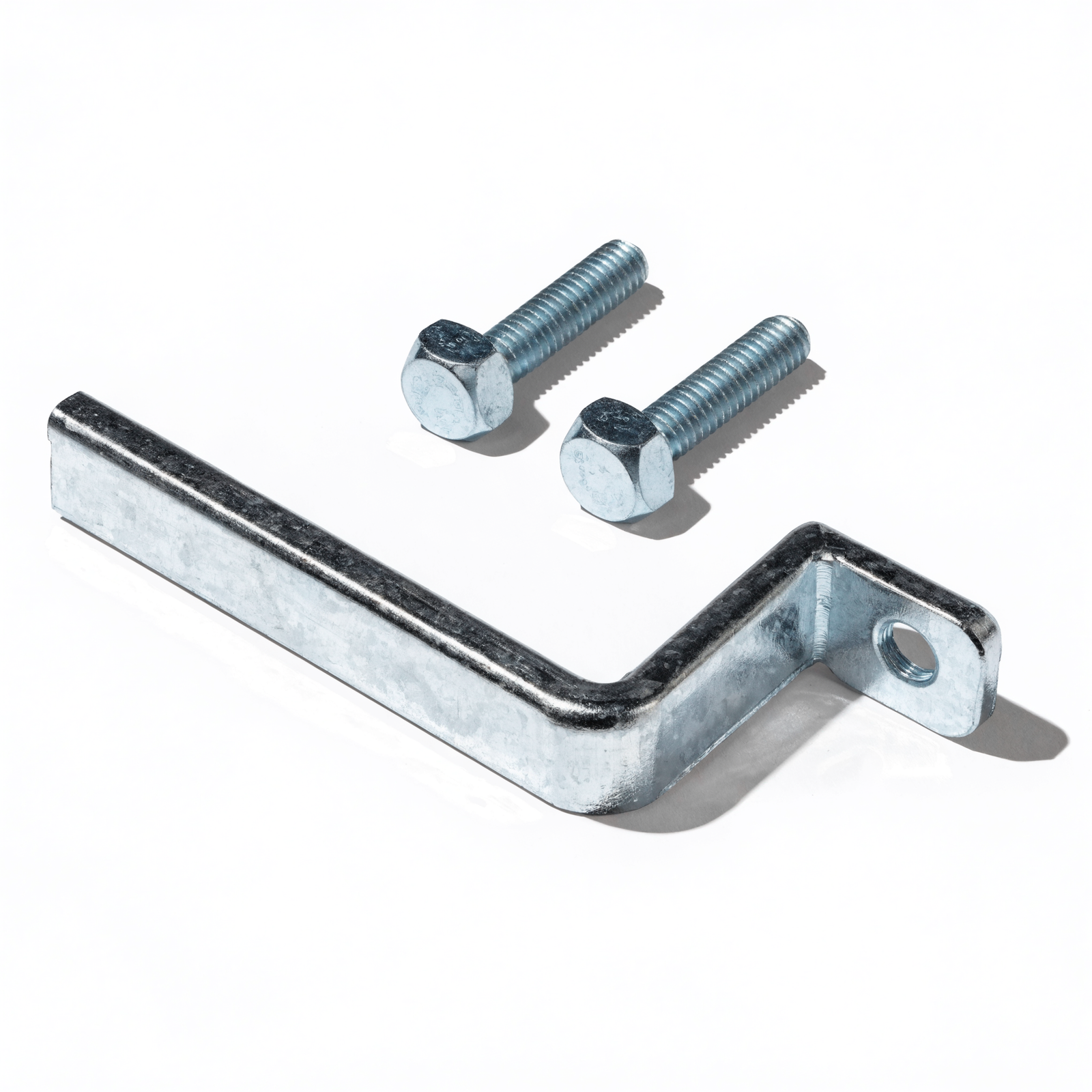
C-Channel Posts: Popular for boundary fence applications and under-fence plinths across Perth's suburban areas.
View our full steel post range or speak to our team about the right specification for your Perth project.
Post Depth Requirements in Perth's Sandy Soils
This is the most critical design consideration for retaining walls in Perth. Perth's sandy soils rely entirely on the weight of the soil above the post footing for passive resistance, meaning posts need to be set significantly deeper in Perth's sands than in eastern Australian clay soils.
As a general guide for Perth's coastal sandy soils:
- For walls up to 600mm in height: minimum post depth of 900mm in concrete
- For walls 600mm to 1.2m in height: minimum post depth of 1.2m in concrete
- For walls 1.2m to 1.8m in height: minimum post depth of 1.5m in concrete, engineering advice recommended
- For walls over 1.8m: engineering design required
These are general guidelines only. Always seek engineering advice for walls over 1m in height or in unusual soil conditions. Our team can provide guidance on post depth requirements for your specific Perth location, call 1800 880 124.
Delivery to All Perth Suburbs
We deliver concrete sleepers, steel posts, and retaining wall materials to all Perth suburbs and surrounding regions, including:
-
Inner Perth: Perth CBD, Subiaco, Nedlands, Claremont, Cottesloe, Mosman Park, Fremantle
-
Northern Suburbs: Joondalup, Wanneroo, Clarkson, Butler, Alkimos, Yanchep, Two Rocks
-
Northern Inland: Ellenbrook, The Vines, Aveley, Bullsbrook, Swan Valley
-
Eastern Hills: Kalamunda, Mundaring, Darlington, Bickley, Pickering Brook, Roleystone
-
South Eastern: Armadale, Byford, Serpentine, Jarrahdale, Kelmscott
-
Southern Coastal: Cockburn, Rockingham, Baldivis, Karnup, Lakelands, Mandurah
-
Inner South: Fremantle, Melville, Canning Vale, Willetton, Booragoon
-
North Eastern: Midland, Guildford, Bassendean, Bayswater, Morley
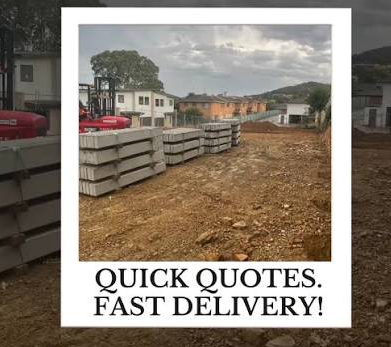
Delivery lead times: Most Perth orders are delivered within 4-6 business days. Call 1800 880 124 for current lead times and express delivery options.
Why Choose Retaining Walls Direct for Your Perth Project?
- Many years supplying Perth's trade and residential market
-
Coastal-grade hot-dipped galvanised posts to AS 4680, essential for Perth's Indian Ocean coastline
- 50MPa concrete sleepers for Perth's coastal and demanding applications
-
AS 4678-2002 compliant materials, accepted by WA Building Commission registered surveyors
- Crane truck delivery to all Perth suburbs
- Trade accounts for Perth landscapers and builders
-
ABN 98 351 143 900, a verified Australian business
Browse our Perth range, get a free quote online, or call 1800 880 124.
Related Resources