







Hollow vs Solid Concrete Sleepers: Which Lasts Longer?
Quick answer: Solid, steel-reinforced sleepers generally carry more load and have a wider safety margin than hollow sleepers of the same size, because they have more concrete cross-section resisting pressure. Hollow sleepers are lighter and easier to handle, and can work well within their rated limits on lower walls. For taller or heavily loaded walls, solid sleepers are the more common choice.

Structural Strength Comparison
Strength comes down to how much material is resisting the load, and how it's reinforced. Understanding this at a basic level makes the rest of the comparison in this guide easier to apply to a specific project, rather than relying on the category name alone:
- Solid sleepers have a full concrete cross-section, usually with steel reinforcing bar running through the centre, giving even strength along the full length
- Hollow sleepers have less material overall due to the central cavity, which reduces the load the sleeper can carry before flexing or cracking, compared to a solid sleeper of the same dimensions

Both can be engineered products with rated load capacities - the key is checking the manufacturer's specification for the exact sleeper, rather than assuming based on the category alone. A hollow sleeper from one manufacturer might carry a higher rating than a hollow sleeper from another, depending on cavity size, wall thickness and reinforcing, so comparing on paper specifications matters more than comparing on category name.
Load capacity isn't the only structural factor worth understanding. How a sleeper handles a sudden point load - a knock from machinery, a falling branch, or an impact during installation - can differ from how it handles the sustained, gradual pressure of retained soil. Solid sleepers generally have more material available to absorb an impact without local damage, while a hollow sleeper's shell can be more prone to chipping at the cavity edge if struck directly.
How Wall Height Changes the Calculation
The strength difference between hollow and solid sleepers matters more or less depending on how tall the wall is:
- Under roughly 300-400mm: pressure at the base of the wall is relatively low, so a correctly rated hollow sleeper often has enough capacity with margin to spare.
- Around 400-800mm: pressure increases enough that the gap between hollow and solid capacity becomes more meaningful, and product-specific ratings matter more than general assumptions.
- Above 800mm-1m: pressure at the base is substantial, and most suppliers and engineers default to solid, reinforced sleepers at this range, alongside a full engineering assessment.
These bands are a general guide, not a substitute for checking a specific product's rated height and getting engineering advice for taller or more heavily loaded walls. Soil type also interacts with height - a 600mm wall in heavy clay behaves differently to a 600mm wall in well-drained sandy soil, even though the height is identical.
Weight and Handling Differences
This is where hollow sleepers have a genuine advantage:
- Less concrete means a lighter unit, which is easier to lift and manoeuvre on-site
- Smaller crews or single installers may be able to handle hollow sleepers without machinery
- Solid sleepers are heavier and often need two people or lifting equipment, particularly in larger sizes
For smaller DIY projects, the lighter weight of hollow sleepers can make installation noticeably easier. This can also translate into a faster build, since fewer breaks are needed and positioning individual sleepers by hand is quicker without needing to coordinate a second person or wait for machinery to be repositioned.
The trade-off works the other way for larger commercial jobs. Where machinery is already on-site for excavation and footings, the weight difference between hollow and solid sleepers matters less, since both are typically placed using the same equipment regardless of unit weight.
Where each Option is Typically Chosen
In practice, the choice tends to follow a fairly predictable pattern across different project types:
- Garden edging and low feature walls: hollow sleepers are common here, since retained height and load are minimal, and the weight saving genuinely helps a DIY or small-crew installation get done in a weekend rather than needing hired equipment.
- Mid-height residential retaining: both options appear, with the decision often coming down to whether the project has access to lifting equipment and what soil conditions are on-site. This is the range where getting product-specific advice matters most, since a general rule of thumb is less reliable here than at the extremes.
- Taller residential and boundary walls: solid sleepers are the more common choice, given the higher pressure at the base of the wall and the consequences of under-specifying a structural retaining wall that's holding back a meaningful volume of soil.
- Commercial and civil projects: solid, engineered sleepers dominate, since these projects typically require certified load ratings and are less sensitive to the weight-handling advantage of hollow sleepers, given machinery is already involved in most stages of the build.
Durability and Expected Lifespan
Both sleeper types are made from concrete and can last for many decades when installed correctly and used within their rated limits. A few factors affect longevity for either type:
- Quality of the concrete mix and any protective coating
- Whether the sleeper is used within its rated load and height
- Drainage behind the wall, which affects moisture exposure over time
- For hollow sleepers specifically, whether the cavity is sealed and protected from water ingress
The cavity point is worth unpacking a little further, since it's the main durability difference between the two types. If water finds its way into a hollow sleeper's void and isn't able to drain or dry out, repeated wetting and drying - or in colder climates, freeze-thaw cycling - can place additional internal stress on the concrete over time. This depends heavily on the specific product's sealing and design, and isn't a certainty, but it's a consideration that simply doesn't apply to a solid sleeper, since there's no cavity for water to collect in.
Climate and Site Conditions
Australia's climate varies enough between regions that it's worth factoring into the hollow-versus-solid decision alongside height and soil type:
- Consistently wet or high-rainfall areas: good drainage and sealing matter more for hollow sleepers here, since there's more opportunity for water to reach the cavity.
- Coastal or salt-exposed sites: both sleeper types benefit from checking the manufacturer's guidance on coatings and reinforcing protection, since salt exposure can affect steel reinforcing over time regardless of sleeper type.
- Cooler inland or alpine regions: occasional freeze-thaw cycling is more relevant here than in most of Australia's milder coastal climates, and can compound any existing moisture issue inside a poorly sealed cavity.
- Dry, well-drained sites: generally the most forgiving conditions for either sleeper type, since less water pressure builds up behind the wall regardless of drainage quality.

Used correctly, both solid and hollow sleepers can perform well for their intended application over the long term. Neither type is inherently short-lived - the deciding factor is almost always whether the specific product was matched correctly to the wall height, soil type and drainage conditions it ended up facing.
Common Myths About Hollow vs Solid Sleepers
A few assumptions come up often enough to be worth addressing directly:
- "Hollow sleepers don't last as long as solid ones, full stop." Not necessarily true - lifespan depends more on correct use, sealing and drainage than on the category alone. A well-matched hollow sleeper on a low wall can outlast a poorly drained solid sleeper on a taller one that was never given adequate drainage behind it.
- "Solid sleepers never need drainage consideration." Not accurate - drainage behind the wall matters for any sleeper type, solid or hollow, since water pressure building up behind a wall is a leading cause of movement regardless of what the sleeper itself is made from.
- "You can tell which is which just by looking at the face of an installed wall." Not usually - hollow and solid sleepers can look nearly identical once installed, since the difference is in the cross-section, not the visible face. The only reliable way to know is to check the product documentation or ask the supplier directly.
- "A hollow sleeper is a lower-quality product." Not accurate - it's a different product for a different load range, not an inferior version of a solid sleeper. Plenty of hollow sleepers are engineered, tested and rated products in their own right.
- "The strongest option is always the best choice." Not necessarily - if a solid sleeper's extra capacity isn't needed for a given wall, the practical benefits of a lighter, easier-to-handle hollow sleeper may outweigh strength that will never be used.
Maintenance Tips for Extending Lifespan
A handful of habits help either sleeper type last as long as it's designed to:
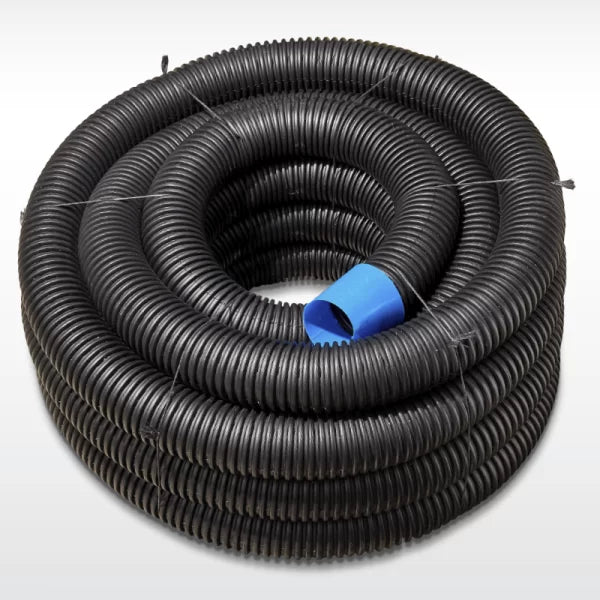
- Check drainage behind the wall stays clear, particularly after heavy rain or a long dry spell followed by sudden downpours, since compacted soil and debris can block agricultural pipe over time
- Inspect the wall face once or twice a year for cracking, chipping or bowing, and address small issues before they progress into something more costly
- For hollow sleepers, check exposed ends and cut edges for signs of water pooling or entering the cavity, particularly where a sleeper has been trimmed to length on-site
- Keep an eye on post condition and alignment, since a shifted or corroding post can place uneven stress on the sleepers around it and accelerate wear at the joints
- Avoid loading the top of a retaining wall with unplanned weight - stored materials, vehicles or garden beds - beyond what the wall was originally designed to carry
These habits apply broadly across sleeper and post retaining walls, and cost little more than a bit of time compared with the expense of a structural repair down the track.
Cost and Value Considerations
Price shouldn't be the only factor in choosing between hollow and solid, but it's a reasonable part of the decision. Hollow sleepers use less concrete per unit, which can make them cheaper to produce - though this doesn't always translate into a lower shelf price, since pricing depends on the manufacturer and specific product as much as the category.
Value is often better measured over the life of the wall than at the checkout. A solid sleeper used on a wall that genuinely needs its extra strength margin avoids the cost and disruption of a future repair or rebuild. A hollow sleeper used within its rated limits on a low garden wall delivers the same practical outcome at a lighter, easier-to-handle weight, without paying for strength capacity the wall doesn't need.
What to ask a Supplier Before Choosing
A short list of questions can help cut through marketing language and get to the information that actually matters for your project:
- What is this sleeper's rated maximum retained height, and under what soil conditions does that rating apply?
- Is the cavity sealed, and what happens if water enters it over time?
- What reinforcing, if any, is included around the cavity or through the sleeper?
- Does this product come with a warranty, and what does it cover?
- Has this specific sleeper been used in installations similar to my project - similar height, soil type and drainage conditions?
A supplier who can answer these clearly and specifically, rather than with general reassurances, is generally a good sign that the product has been properly tested and documented. If a supplier can't answer these questions confidently for a specific product, that's worth treating as a signal to look elsewhere or ask for the technical data sheet directly.
Why Solid, Steel-reinforced Sleepers are a Common Default
Because solid sleepers carry more load per sleeper, they give a wider margin for taller walls, heavier soils, or situations where you're not entirely sure what conditions the wall will face over time. That's part of why they're a common default choice, particularly for walls above garden-edge height.
Retaining Walls Direct's current sleeper range is solid and steel-reinforced through the full profile, matched with galvanised steel posts.
For more on how hollow sleepers are built and where they fit, see our hollow concrete sleepers explainer.
Making the Final Call
If there's a genuine question mark over wall height, soil conditions, or how the wall will be loaded over time, a solid, steel-reinforced sleeper is the more conservative and commonly recommended choice - it gives more margin to absorb conditions that turn out slightly worse than expected. If the project is clearly a low, light-load application and DIY handling is a priority, a correctly rated hollow sleeper is a legitimate option that can perform well for years.
Where uncertainty remains, erring toward the option with more strength margin is generally the lower-risk decision, since the cost of over-specifying a low wall is minor compared to the cost of repairing or rebuilding a wall that turns out to be under-specified. If there's any doubt about soil type, drainage or expected load, a quick conversation with a supplier or engineer before ordering is far cheaper than finding out the hard way once the wall is already built.
Shop Solid Concrete Sleepers
If you'd like a solid, steel-reinforced sleeper for your next wall, the range is in stock and ready to order.
FAQs
Do hollow sleepers last as long as solid sleepers?
It depends on correct use rather than the category alone. A hollow sleeper used within its rated height and load, with good drainage, can last for decades. Lifespan issues tend to arise from a mismatch between the product's rating and the job it's used for, or from poor drainage, rather than from the hollow design itself.
Is a solid sleeper always the safer choice?
For taller or more heavily loaded walls, yes, solid sleepers offer a wider safety margin. For low garden walls within a hollow sleeper's rated limits, either option can perform reliably - "safer" in that context comes down to correct installation and drainage more than sleeper type.
Can you tell hollow and solid sleepers apart once installed?
Not usually by sight alone - the visible face can look identical. The difference is in the cross-section, so checking product documentation or asking the supplier is the reliable way to confirm which type has been used.
Does Retaining Walls Direct sell hollow sleepers?
No. Retaining Walls Direct's current range is solid, steel-reinforced concrete sleepers paired with galvanised steel posts, not hollow sleepers.
Which sleeper type is better for a DIY project?
For a low garden wall installed by hand, a hollow sleeper's lighter weight can make DIY installation more manageable. For taller walls, or where higher load capacity is needed, a solid sleeper is generally recommended, and professional installation or engineering advice may be worthwhile regardless of sleeper type.
If I'm not sure which wall height I need, which should I choose?
When in doubt, a solid, steel-reinforced sleeper is the more conservative choice, since it carries more margin if the wall ends up facing more pressure than initially expected. Confirming exact height and soil conditions with a supplier or engineer before ordering removes the guesswork entirely.
Leave a comment (all fields required)