Concrete Sleepers Sunshine Coast QLD — Retaining Wall Materials Delivered to Your Site
The Sunshine Coast is one of Queensland's most beautiful and fastest-growing regions — and one of its most demanding for retaining wall construction. Stretching from Caloundra in the south to Noosa in the north, and from the coastal strip of Mooloolaba and Maroochydore to the lush hinterland ranges of Maleny, Montville, and the Blackall Range, the Sunshine Coast's topography is as diverse as it is spectacular. Steep hinterland ridgelines, coastal sandy soils, alluvial creek flats, and rapidly developing growth corridors all create distinct retaining wall challenges that require local knowledge and quality materials. At Retaining Walls Direct, we've been supplying concrete sleepers, galvanised steel H-beam posts, drainage systems, and retaining wall hardware to Sunshine Coast homeowners, landscapers, and civil contractors for many years. We know the Sunshine Coast's soils, its QBCC requirements, and its subtropical coastal conditions — and we deliver direct to your site.
The Sunshine Coast's Diverse Retaining Wall Landscape
The Sunshine Coast's subtropical climate delivers an average of 1,500mm of rainfall per year in coastal areas, rising to over 2,000mm in the Blackall Range hinterland. Intense summer storms are common, and the region's diverse soil types respond very differently to this rainfall.
Sunshine Coast Soil Types by Area
-
Coastal Strip (Caloundra, Mooloolaba, Maroochydore, Noosa Heads, Coolum Beach, Peregian Beach): Deep coastal sands with very low bearing capacity and high salt air exposure. Hot-dipped galvanised posts to AS 4680 are essential, and post holes require larger diameter concrete footings. 50MPa concrete sleepers are recommended for all coastal applications within 5km of the beach.
-
Hinterland (Maleny, Montville, Mapleton, Flaxton, Kenilworth, Eumundi): The Blackall Range hinterland is one of the most challenging retaining wall environments in Queensland. Steep basalt and metamorphic terrain with thin clay soils over hard rock, combined with very high rainfall (up to 2,500mm per year), creates conditions that require engineering certification for virtually all retaining walls.
-
Northern Growth Corridor (Sippy Downs, Palmview, Bokarina, Birtinya, Kawana): Sandy loam and clay loam soils over weathered granite and sedimentary rock. Rapidly developing corridor with significant retaining wall demand.
-
Noosa Hinterland (Noosaville, Tewantin, Cooroy, Pomona, Kin Kin): Variable soils including sandy loam near the Noosa River transitioning to clay loam and laterite further inland.
-
Southern Sunshine Coast (Caloundra, Little Mountain, Pelican Waters, Currimundi): Coastal sands transitioning to clay loam further inland.
-
Hinterland Growth Areas (Beerwah, Glass House Mountains, Landsborough, Woodford): Clay loam and laterite soils over weathered basalt and granite. Retaining walls in this area often encounter basalt rock at shallow depth.
QBCC and Sunshine Coast Council Requirements
- Retaining walls over 1 metre in height must be designed by a Registered Professional Engineer of Queensland (RPEQ) and constructed by a QBCC-licensed contractor
- Retaining walls between 500mm and 1 metre in height require a QBCC-licensed contractor
- Retaining walls under 500mm in height can generally be constructed by the property owner
Under the Sunshine Coast Council Planning Scheme, retaining walls are generally accepted development if they meet specific height and setback criteria. All retaining wall materials supplied by Retaining Walls Direct comply with AS 4678-2002 Earth-Retaining Structures.
Our Concrete Sleepers — Built for the Sunshine Coast's Subtropical Conditions
-
50MPa concrete sleepers: Our standard recommendation for all Sunshine Coast coastal applications (within 5km of the beach), all hinterland applications, and any wall over 1m in height.
-
40MPa concrete sleepers: Suitable for inland Sunshine Coast applications in standard soil conditions for walls up to 1m in height.
-
200x100mm profile: Recommended for all coastal and hinterland applications, and any wall over 1m in height.
-
200x75mm profile: Suitable for walls up to 1m in height in standard inland Sunshine Coast soil conditions.
-
Finishes: Smooth, woodgrain, and charcoal — popular choices for the Sunshine Coast's diverse architectural styles from beachside contemporary homes in Noosa to hinterland acreage homes in Maleny and Montville.
Steel Posts for Sunshine Coast Retaining Walls
Our posts are hot-dipped galvanised to AS 4680, providing a minimum 600g/m² zinc coating designed for the Sunshine Coast's demanding coastal and subtropical environment.
-
100 Series H-Beam: For walls up to 1.2m in standard inland Sunshine Coast soil conditions.
-
150 Series H-Beam: Recommended for walls 1.2m–1.8m across most Sunshine Coast applications.
-
200 Series H-Beam: For walls over 1.8m or in the Blackall Range hinterland. Engineering design required.
-
C-Channel Posts: Popular for boundary fence applications and under-fence plinths.
Drainage for Sunshine Coast Retaining Walls
-
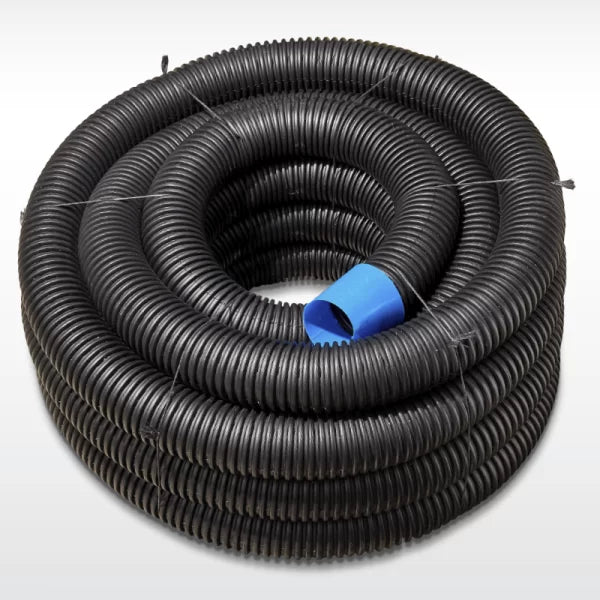
100mm ag pipe: Recommended for all Sunshine Coast applications, sized for the high-intensity rainfall events common in this region.
-
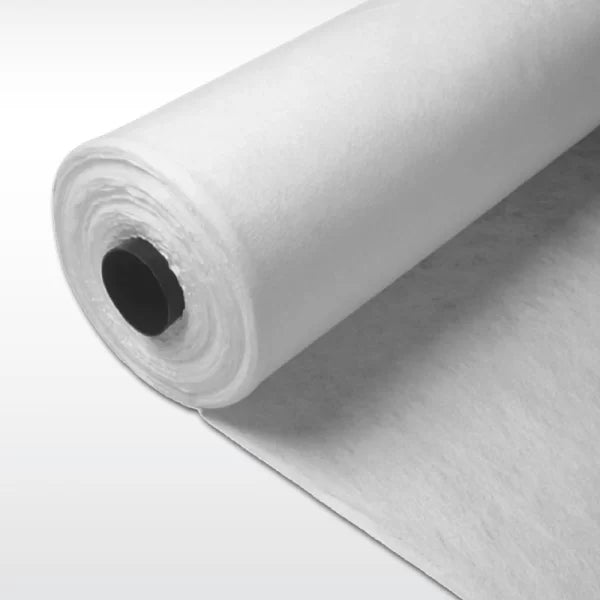
Geotextile fabric: Essential to prevent soil migration into drainage aggregate during intense rainfall events.
-
Weep holes at 900mm centres: Closer spacing recommended for Sunshine Coast applications.
-
400mm drainage aggregate zone: Recommended for all Sunshine Coast applications and mandatory for hinterland applications.
Delivery to All Sunshine Coast Suburbs and Surrounds
-
Southern Sunshine Coast: Caloundra, Little Mountain, Pelican Waters, Currimundi, Dicky Beach, Moffat Beach, Kings Beach
-
Central Sunshine Coast: Mooloolaba, Alexandra Headland, Maroochydore, Buderim, Sippy Downs, Palmview, Bokarina, Birtinya, Kawana
-
Northern Sunshine Coast: Coolum Beach, Peregian Beach, Noosa Heads, Noosaville, Tewantin, Cooroy, Pomona
-
Hinterland: Maleny, Montville, Mapleton, Flaxton, Kenilworth, Eumundi, Yandina, Nambour
-
Glass House Mountains: Beerwah, Glass House Mountains, Landsborough, Woodford, Kilcoy
Delivery lead times: Most Sunshine Coast orders are delivered within 3–5 business days. Call 1800 880 124 for current lead times.
Why Choose Retaining Walls Direct for Your Sunshine Coast Project?
- Many years supplying the Sunshine Coast's trade and residential market
-
Coastal-grade 50MPa concrete sleepers — our standard recommendation for Sunshine Coast applications
-
Hot-dipped galvanised posts to AS 4680 — the only coating suitable for the Sunshine Coast's salt air and high-humidity environment
-
AS 4678-2002 compliant materials — accepted by RPEQ engineers and QBCC-licensed contractors
- Crane truck delivery to all Sunshine Coast suburbs and hinterland
- Trade accounts for Sunshine Coast landscapers and builders
-
ABN 98 351 143 900 — a verified Australian business
Browse our Queensland concrete sleeper range, get a free quote online, or call 1800 880 124.
Related Resources